REVIEW · BALINESE COOKING CLASSES
Balinese Cooking Class at Organic Farm
Book on Viator →Operated by Mai Organic Farm · Bookable on Viator
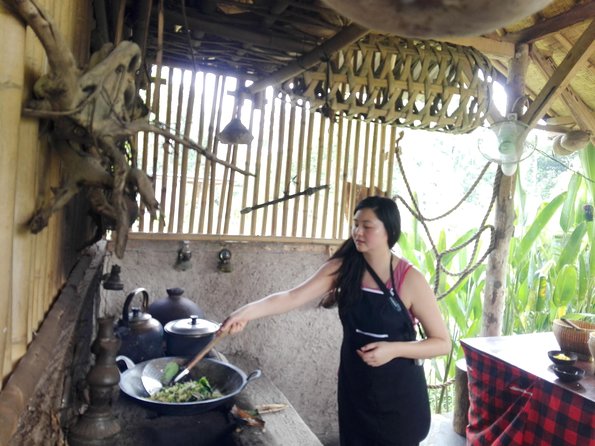
That wood-fired stove is the real hook. This Balinese cooking class at Mai Organic Farm takes you outside central Ubud for a farm-to-table day with organic growing, a UNESCO-protected Subak system lesson, and hands-on cooking on a traditional wood-fired stove.
I love that it’s run in small groups (kept around eight, with a stated cap up to 10), so you actually get time to work, ask questions, and not just watch. I also love how the day ends with a communal lunch in a gubuk and a clear focus on using what you picked. One possible drawback: the experience depends on good weather, and you’ll be walking the farm grounds part of the time.
In This Review
- Key Things I’d Book For
- Why Mai Organic Farm Makes This Cooking Class Feel Like Bali
- Welcome Drink and the Organic Farm Lesson That Sets the Tone
- The Ingredient Walk: Herbs, Fruit, and Spices You’ll Actually Cook With
- Cooking Six Balinese Dishes on Traditional Heat
- Drinks Are Not an Afterthought: Infused Water, Herbal Drinks, Coffee, Tea
- The Communal Lunch in a Gubuk (Hut) and Why It’s Part of the Value
- Price and Logistics: Is $40 Worth It?
- Timing, Weather, and What to Wear for a Farm Day
- Who Should Book This Balinese Class Near Ubud
- Should You Book This Cooking Class at Mai Organic Farm?
- FAQ
- How long is the Balinese cooking class?
- Where does the class take place?
- What dishes and drinks will I learn or make?
- Is hotel pickup included?
- How large is the group?
- Does the class run in any weather?
- Can I cancel for a full refund?
Key Things I’d Book For
- You pick ingredients first, then cook them immediately, so the flavors feel personal.
- Wood-fired cooking adds real Bali technique, not just a faster, gas-stove demo.
- Small groups keep it hands-on, with plenty of chances to participate as much as you want.
- A UNESCO Subak system talk gives context for why this farm approach matters.
- Drinks are part of the experience: infused water, herbal drinks, Balinese coffee, and lemongrass tea.
Why Mai Organic Farm Makes This Cooking Class Feel Like Bali
If you’ve done cooking classes before, you might have seen the same pattern: arrive, cook a few steps, eat a plated lunch, leave. This one tries to break that rhythm by starting with the farm itself and the people behind it.
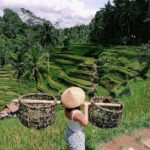
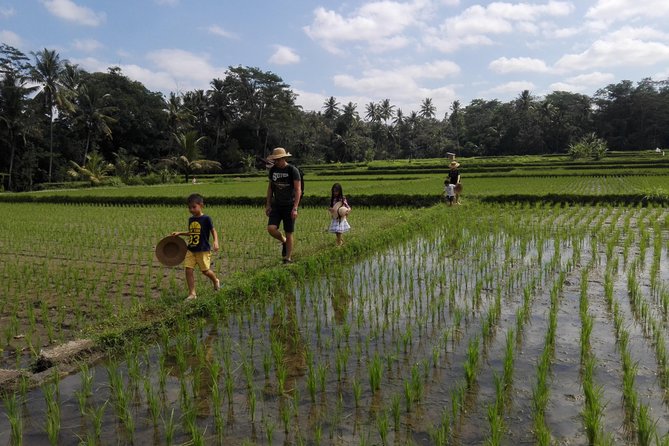
You learn about organic farming on-site, then hear about Bali’s Subak system, noted here as UNESCO World Heritage protected. That context matters because it turns the class from food entertainment into a slice of how local agriculture connects to community life.
And yes, the cooking happens the traditional way, including use of a wood-fired stove. That changes the rhythm of the kitchen. You’re not rushing through heat and timing the same way you would on a modern burner, and the food takes on a slightly different character.
You can also read our reviews of more cooking classes in Ubud

Welcome Drink and the Organic Farm Lesson That Sets the Tone
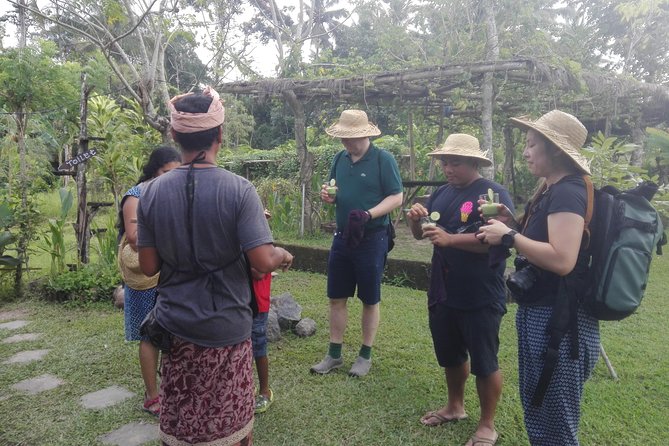
The day begins at Mai Organic Farm Bali with a welcome drink. Depending on the day, you may be met with something like fresh coconut, served right as you settle in.
Before you touch anything, you’ll spend time in a shaded area while the team explains their community movement and how they grow and maintain their organic produce. This is where you get a basic mental picture of the farm process, so the later ingredient walk doesn’t feel random.
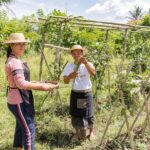
Then you walk along the community farm. This part is slower and more about observation: you’re building a map of where the food comes from, and you’re learning what the team values in their approach to farming. It’s also a nice buffer if you want a less frantic start to your cooking day.
The Ingredient Walk: Herbs, Fruit, and Spices You’ll Actually Cook With
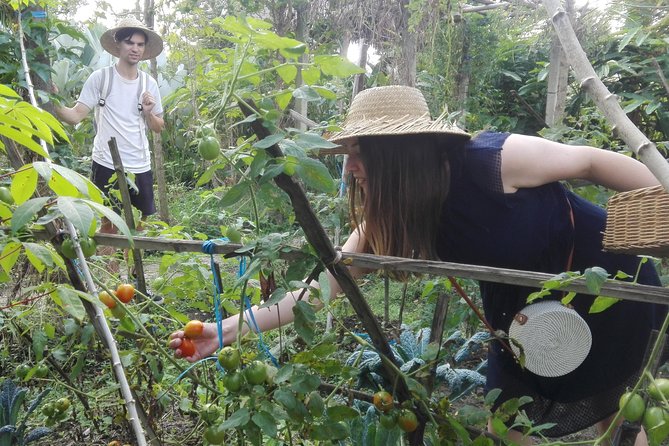
This class doesn’t hand you a basket and call it farm-to-table. You’re guided through the fields and you help pick the ingredients you’ll use later.
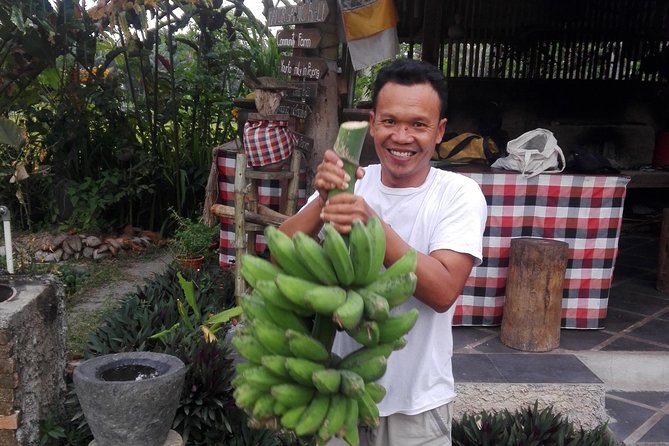
From what’s shared by past participants, this can be a real eye-opener even if you’re a regular herb-and-spice cook. You smell spices that might be unfamiliar, you see fruits growing on the plant, and you learn how ingredients fit into Balinese flavors instead of just tasting them as a finished garnish.
Practical advice: wear shoes with grip. Even if the pace is relaxed, farm paths can be uneven, and you’ll be outside. Also, don’t be shy about asking where something ends up in the dishes. The best value in this day is connecting each plant to a specific step in your menu.
Cooking Six Balinese Dishes on Traditional Heat
After the farm walk, you head toward the center area of the community at Mai Organic Farm. You’ll have a refreshing juice made with vegetables and fruit from local farms, then you move into the kitchen phase.
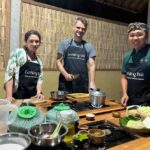
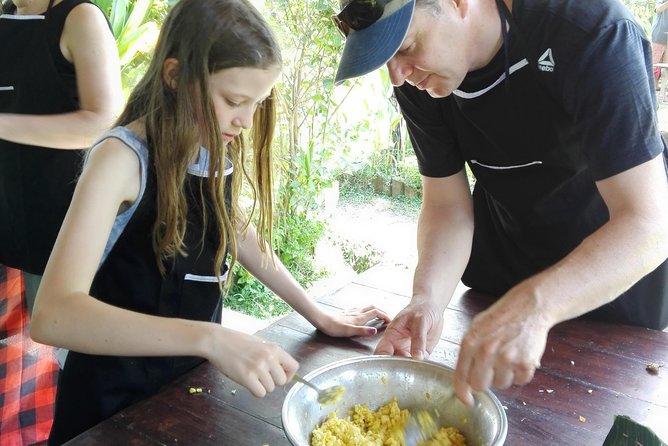
You’ll learn to cook six different Balinese dishes, including items such as sate lilit kebab. Two additional dishes that come up clearly are tuna sate and corn fritters. You’ll also learn a set of drinks as part of the overall food experience, including Balinese coffee and lemongrass tea.
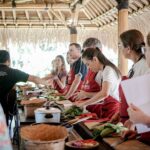
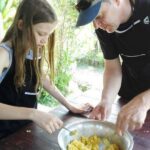
How the class actually feels matters. Here, participation is flexible: you can join in as much or as little as you like. That’s a great setup if you’re traveling with kids, a nervous beginner, or someone who just wants to watch for a bit before jumping in.
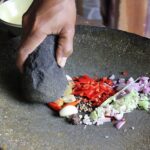
The traditional wood-fired setup is a big deal. It means you’ll see (and taste) how heat works in a more old-school way, with cooking decisions that aren’t purely mechanical. Past guests highlight the outdoor grill and fire stove style, and it’s easy to see why. This is the type of class you remember because it doesn’t feel like a studio kitchen.
Drinks Are Not an Afterthought: Infused Water, Herbal Drinks, Coffee, Tea
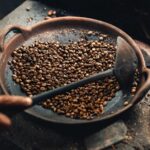
A lot of cooking classes treat drinks as a bonus. Here, the day includes an intentional set of refreshments: sip juice, infused water, herbal drinks, Balinese coffee, and lemongrass tea.
That matters for two reasons. First, it keeps the day from turning into nonstop cooking without breaks. Second, it teaches you how Balinese flavor doesn’t stop at the plate. You’re getting a broader sense of local taste habits, from aromatic teas to coffee.
If you’re the kind of traveler who wants to bring something home, these drinks are a smart target. Dishes give you technique, but the drinks give you a repeatable routine. Even if you don’t recreate the full menu later, you’ll likely remember how the herbal notes and sweet-sour fruit elements fit together.
You can also read our reviews of more tours and experiences in Ubud
The Communal Lunch in a Gubuk (Hut) and Why It’s Part of the Value
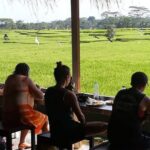
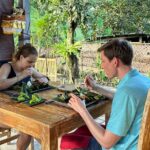
Once the cooking is done, you eat together in a tranquil gubuk, a small hut-style dining space. This is where the small-group format really pays off. You’re not just eating with strangers; you’re sharing a single menu that you helped build.
There’s also a social rhythm to this setup. You get to ask the same questions you had during ingredient picking, but now the answers are easier to connect to flavor. It’s a comfortable way to learn without feeling like you’re in a classroom the whole day.
The larger point, though, is what your meal supports. The experience is tied to Mai Organic Farm and a community of local farmers from Pejeng. The stated aim is to support local farmers’ income and provide resources that improve quality of life. When a class is built around that kind of community goal, it usually feels less like a one-off tourist activity and more like a partnership.
Also, one detail worth noting: at least one participant mentions a low-plastic approach. If this is important to you, it’s worth asking the team directly on the day you book.
Price and Logistics: Is $40 Worth It?
At $40 per person for about 5 hours, you’re paying for three things that most short cooking classes miss.
First, you’re paying for the farm-side experience: walking the fields, learning how organic produce is grown, and picking ingredients that go into your meal. Second, you’re paying for the traditional cooking setup, including the wood-fired stove experience. Third, you get hassle-free round-trip transfers from central Ubud hotels and rentals, which is a real convenience if you don’t want to manage your own driver timing.
For context, a cooking class that stays purely indoors and purely demonstration-style often charges similar money without the farm component. Here, the farm start and the small-group cooking together are what separate it. If you like experiences where food comes with a sense of place, this price starts to feel fair quickly.
Timing, Weather, and What to Wear for a Farm Day
This runs for about 5 hours. A chunk of that time is spent outdoors at the farm and in walking sections, so your comfort depends on conditions.
The experience specifically requires good weather. If conditions are poor, you’ll be offered a different date or a full refund. Translation: choose days when rain looks unlikely, and don’t plan this as a last-minute backup on a weather-risk afternoon.
What to wear:
- comfortable closed-toe shoes (farm walking)
- light layers (you’ll be outside then in the kitchen area)
- a hat and sunscreen if you burn easily
You’re eating and drinking as part of the program, so you usually won’t need to add extra meals afterward. Still, I’d keep some flexibility in your evening plans, since it’s a full half-day.
Who Should Book This Balinese Class Near Ubud
This is a strong match if you:
- want a hands-on cooking experience instead of a sit-and-watch tour
- like the idea of tasting what you picked
- are interested in organic farming and community agriculture
- travel with kids who enjoy practical activities (ingredient picking tends to land well)
It’s also good for couples and friends who want a shared memory that isn’t just another photo stop. The communal meal setup helps. You’ll talk during and after cooking, and the day has a natural flow.
One caution: since the menu includes items like tuna sate, if you have strict dietary needs, you should confirm how the team handles substitutions. The class is flexible in how much you participate, but the ingredients and dishes are tied to the cooking plan.
Should You Book This Cooking Class at Mai Organic Farm?
I think this is worth booking if you want food that comes with context. The combination of organic farm time, a small group, traditional wood-fired cooking, and a communal lunch is a rare mix for the price.
Book it sooner rather than later if your dates are tight. On average, it tends to be reserved about 17 days in advance, and small-group formats often fill first.
If you’re deciding between a quick cooking stop and a longer “learn the why” experience, choose this. You’re not only learning how to cook Balinese dishes; you’re also seeing the system behind the ingredients.
FAQ
How long is the Balinese cooking class?
The experience runs for about 5 hours.
Where does the class take place?
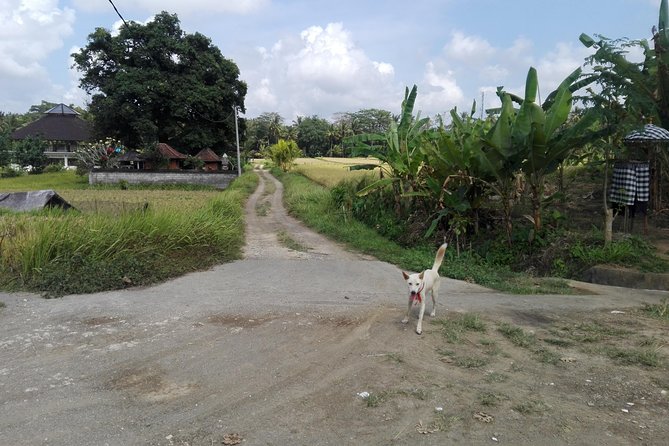
It takes place at Mai Organic Farm Bali in the Pejeng area (Tampaksiring/Gianyar region), outside Ubud.
What dishes and drinks will I learn or make?
You’ll learn to cook six Balinese dishes, including sate lilit kebab. The day also includes drinks such as sip juice, infused water, herbal drinks, Balinese coffee, and lemongrass tea. Tuna sate and corn fritters are specifically mentioned as part of the menu.
Is hotel pickup included?
Yes. Round-trip transfers are offered from central Ubud hotels and rentals.
How large is the group?
The experience is capped at just eight travelers in the overview, and the maximum listed is up to 10 travelers.
Does the class run in any weather?
The experience requires good weather. If it’s canceled due to poor weather, you’ll be offered a different date or a full refund.
Can I cancel for a full refund?
Yes. Free cancellation is available. You can cancel up to 24 hours in advance for a full refund.