REVIEW · BALINESE COOKING CLASSES
Balinese Ubud cooking school (9 Dish Cooking and Market Tour)
Book on Viator →Operated by Wayan Aris · Bookable on Viator
Nine dishes in one day makes Bali stick. This is a Balinese cooking school in Ubud that pairs serious food instruction with a local market stop and rice-field visit, so you learn ingredients in context, not just at a stove. I especially like how it teaches you to make a big set of classics—at least 9 recipes—and how the day ends with the food you cooked, plus take-home recipe copies. One thing to keep in mind: pickup is mainly for Ubud, so if you’re staying outside the area, expect extra transport charges and a bit more hassle.
If you like food with a story behind it, this is a fun, hands-on way to understand how Balinese eat. You’ll cook with provided equipment, follow a chef step by step, and taste along the way. The only real drawback is that the experience is run efficiently for groups (max 14), so if you want hours of freestyle cooking with zero structure, this may feel a little guided—and your kitchen time can depend on how the class pace flows.
In This Review
- Key Points Before You Go
- Nine-Dish Balinese Cooking in Ubud: What Makes It Worth Your Time
- Your 5-Hour Day, Stop by Stop (Morning Option Focus)
- Start: Ubud Palace Meeting Point
- Traditional Market Tour (Morning Only)
- Rice Paddies Visit and Local House (Morning Option)
- Cooking Class at the School: Step-by-Step Stations
- Afternoon Option Note: Offerings Instead of Market
- The Market Stop: How You Learn to Shop for Balinese Flavor
- Rice Fields and a Local House: Why This Context Improves the Cooking
- Cooking the Nine Dishes: Regular Menu and Vegetarian Menu
- Regular menu (9 recipes)
- Vegetarian menu (9 recipes)
- How the class feels in practice
- Lunch or Dinner Buffet and the Take-Home Recipe Copy
- Price and Logistics: Is $58 Good Value?
- Who Should Book This Ubud Cooking School?
- Should You Book This Cooking Class?
- FAQ
- Morning or afternoon: which one should I choose?
- Does the class cook nine dishes, or just a few?
- What’s included in the price?
- Is pickup included if I’m staying outside Ubud?
- Can I choose a vegetarian menu?
- What dishes do you cook?
- Do I need to have cooking experience?
- Will I get to eat what I cook?
- What should I bring?
- Is the cancellation refundable?
Key Points Before You Go
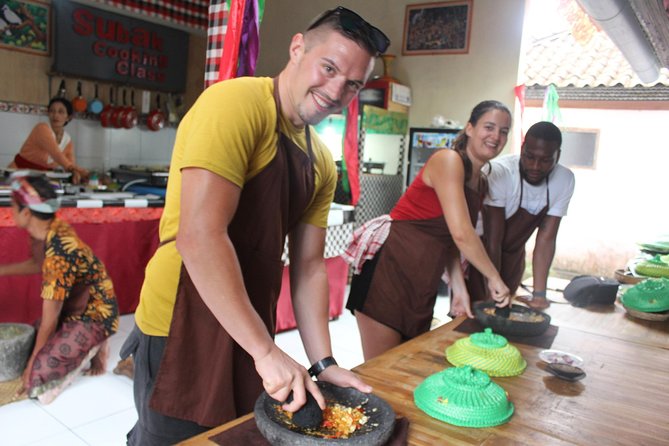
- Market tour in the morning: you shop with a guide and see how people choose everyday ingredients.
- Rice paddies visit: you get a look at how rice grows in Bali, plus why different rice types matter.
- Nine-dish format: more than the usual 3 to 4 recipes, including spice pastes and sambal.
- Regular or vegetarian menu: both options follow the same Balinese classics route.
- Recipes copied to take home: you’re not leaving with memories only; you get a usable cheat sheet.
- Small group setup: up to 14 people, which keeps the class from feeling like a factory line.
Nine-Dish Balinese Cooking in Ubud: What Makes It Worth Your Time
This class is built around one big idea: you’ll learn Balinese cooking the way locals actually experience it—by knowing ingredients first, then cooking together, then eating as a shared meal. Most cooking classes in Bali give you a few dishes and call it a day. Here, the promise is to make nine Balinese classics, which changes how much you can take home.
The format also matters. You’re guided by a Balinese chef step by step, and you use kitchen equipment provided by the school. That’s a comfort factor if you don’t want to worry about gear. It also means you’ll try ingredient combinations that you might not reach for back home, especially when it comes to Balinese spice bases.
If you choose the morning option, the experience stretches beyond the kitchen. You also visit a traditional market with a guide, plus rice fields and a local Balinese house. That context makes the cooking stick. When you later cook sambal or spice paste, you’ll remember what you saw and how you picked it.
You can also read our reviews of more shopping tours in Ubud

Your 5-Hour Day, Stop by Stop (Morning Option Focus)
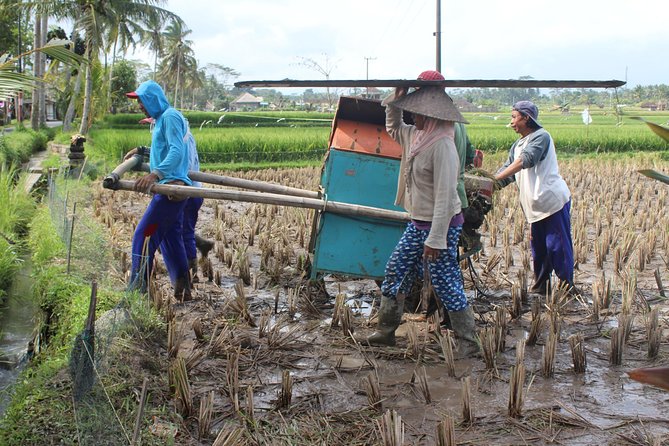
This experience runs about 5 hours and generally starts back at the same meeting point in Ubud. The big difference is whether you book morning or afternoon, since some cultural stops happen only in one slot.
Start: Ubud Palace Meeting Point
You meet near Ubud Palace. From there, you head out with your driver/guide. This is simple and centralized, which helps when you’re staying in Ubud and want minimal logistics.
If you’re not in the Ubud area, pickup may require extra charges and you might be directed to meet at the Ubud Palace area instead. So if you’re staying farther out, plan for a bit more travel time and budget extra.
Traditional Market Tour (Morning Only)
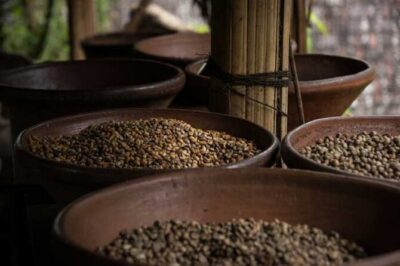
In the morning, your guide takes you to a local market. This is the part that food nerds love and casual eaters appreciate too. You get to see how fruits, vegetables, spices, and sweets are sold day-to-day, not as a tourist display.
You also get to taste items along the way. Even if you never become a Balinese cookbook author, it’s useful. You start recognizing the ingredients and learning which ones show up in multiple dishes.
One practical bonus: the guide explains how locals buy for cooking. That’s the kind of detail that turns a recipe into a method. You’ll know what to look for when you shop later, even if your local stores can’t match Bali’s exact selection.
Rice Paddies Visit and Local House (Morning Option)
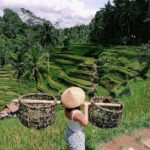
Next up: the rice-growing side of Bali. The visit includes learning how rice is grown, how many kinds of rice exist in Bali, and how harvesting works. You don’t just take photos; you get the basic timeline and the idea that rice isn’t one-size-fits-all.
After that, you visit a local Balinese house. This part is more about getting a feel for everyday life around food and tradition. It also helps you understand why ingredients and offerings show up in kitchens and communities.
You can also read our reviews of more tours and experiences in Ubud
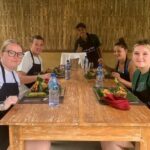




Cooking Class at the School: Step-by-Step Stations
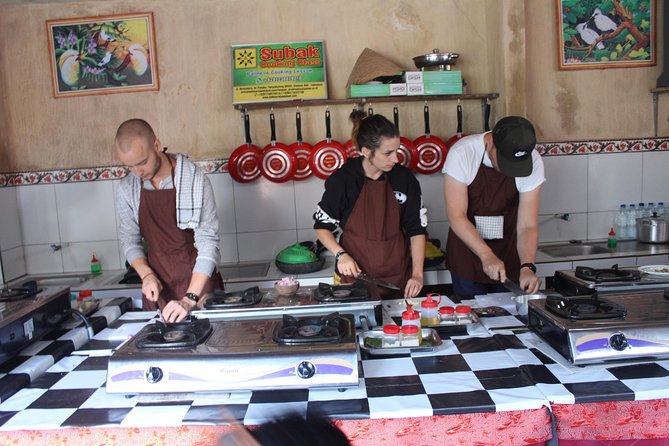
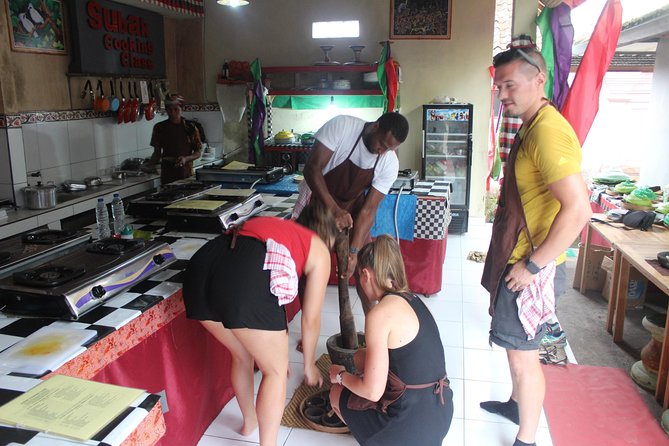
After your field and market stops, you head to the school kitchen. Here’s where the hands-on work happens. You’ll cook at least nine recipes, following Balinese instructions step by step, with help from the chef and support from kitchen staff.
The school runs it like a teaching kitchen. Instead of one long chaotic cook-along, you work through multiple stations or steps, which is why everyone gets a turn without spending the entire class stuck waiting.
Afternoon Option Note: Offerings Instead of Market
If you pick the afternoon format, you still cook the nine-dish lineup, but the cultural component shifts. The included info says making Balinese offerings is afternoon-only. So morning is market-and-rice heavy, while afternoon leans more into offerings and cultural practice.
The Market Stop: How You Learn to Shop for Balinese Flavor
A lot of market tours in Bali are basically sightseeing with a fruit snack. This one is closer to a useful cooking lesson.
You’re guided through the market with a focus on ingredients you’ll later use. You learn what people are buying, how vendors present ingredients, and what looks and smells important in Balinese cooking. The guide also helps with tasting, so you get a quick comparison before you commit.
One detail I really like for practical cooks: you also learn about sweets and fruit options, not just vegetables and spices. Balinese cuisine often treats meals like a mix of savory and sweet tastes, and that comes through at the market.
If you want to recreate Balinese flavors at home, this market knowledge is what makes it realistic. You stop thinking, How do I get this one ingredient? and start thinking, What’s the role of this ingredient? That’s what the guide’s market talk is aimed at.
Rice Fields and a Local House: Why This Context Improves the Cooking
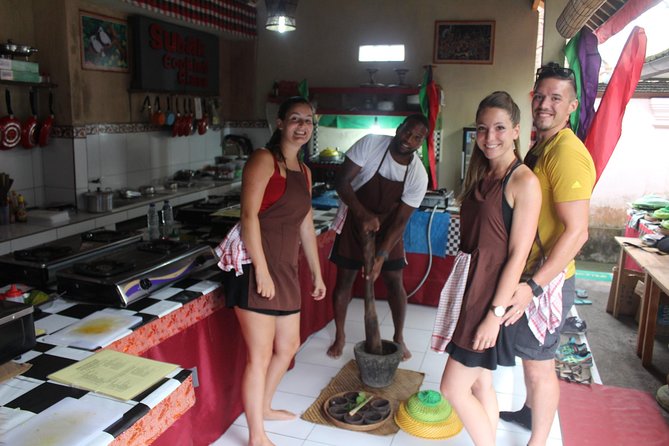
The rice-field and house visits aren’t just scene-setting. They explain the ingredient backbone behind the food.
Rice paddies in Bali aren’t just a pretty background. You learn how rice is grown, that there are different types of rice, and how the harvest timing works. That gives you a sense of why rice is treated with importance in daily meals.
Then the local house visit connects food to routine. Even if you don’t speak the local language, you’ll feel the difference between tourist food and home cooking. It’s the difference between ordering dishes and actually understanding why people cook the way they do.
If you’re the type who likes to know the why behind the food, this is one of the best parts of the day. If you’re only here for recipes, it can still be worth it because it shapes your ingredient choices later.
Cooking the Nine Dishes: Regular Menu and Vegetarian Menu
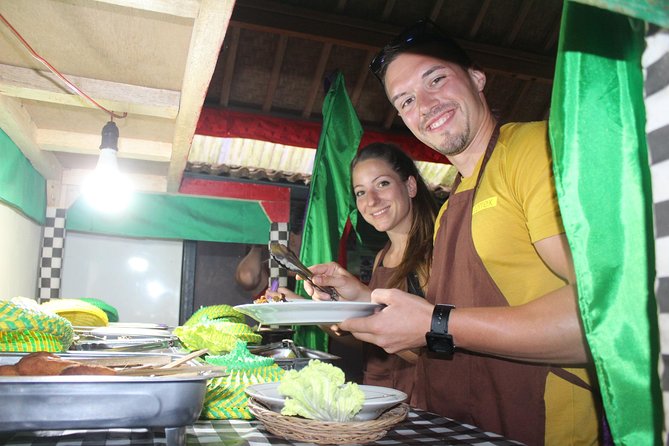
This is the core reason to book. You’ll make nine Balinese recipes, guided by a chef and supported by staff. You also get food tasting during the process, which helps you adjust flavors as you cook.
Your menu choice is regular or vegetarian. Vegetarian is not just a token swap; the lineup changes to tofu-based and tempeh-based versions that still follow classic Balinese flavor logic.
Regular menu (9 recipes)
- Soup: Sayur Bali (Balinese vegetable soup)
- Ayam santan bumbu Bali (fried chicken with coconut milk)
- Tempe manis (sweet fried tempe)
- Sate lilit Bali (Balinese chicken satay)
- Pepes ayam (grilled and steamed chicken in banana leaf)
- Lawar Bali (mix vegetable with Balinese spices)
- Sambal matah (raw spices with coconut oil)
- Base gede (basic spices paste)
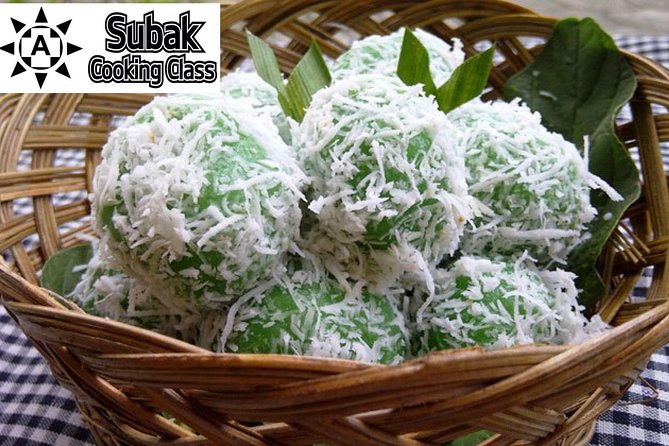
- Klepon cake (sticky rice flour balls with palm sugar)
For the main dishes, you’ll be served with white rice.
Vegetarian menu (9 recipes)
- Sayur Bali (Balinese vegetable soup)
- Tofu bumbu Bali (fried tofu with basic sauce)
- Tempe manis (sweet fried tempe)
- Sate tempeh (Balinese soybean cake skewer) with peanut sauce
- Pepes tofu (soybean curd grilled or steamed in banana leaf)
- Lawar Bali (mix vegetable with Balinese spices)
- Sambal matah (raw spices with coconut oil)
- Base gede (basic spices paste)
- Klepon cake (sticky rice flour balls with palm sugar)
Again, mains come with white rice.
What I like about this menu structure is that it teaches more than one flavor tool. You’re not only making dishes; you’re making building blocks like base gede and sambal, plus banana-leaf cooking. Those techniques are what you’ll reuse later.
How the class feels in practice
The kitchen runs in an organized way. Ingredients and equipment are provided, and you get step-by-step help. Still, because it’s a group class with efficient timing, you may find some parts are already set up so you can focus on learning the method.
That’s not a bad thing. It’s how you get nine recipes into one afternoon without turning it into a two-day cooking marathon.
Lunch or Dinner Buffet and the Take-Home Recipe Copy
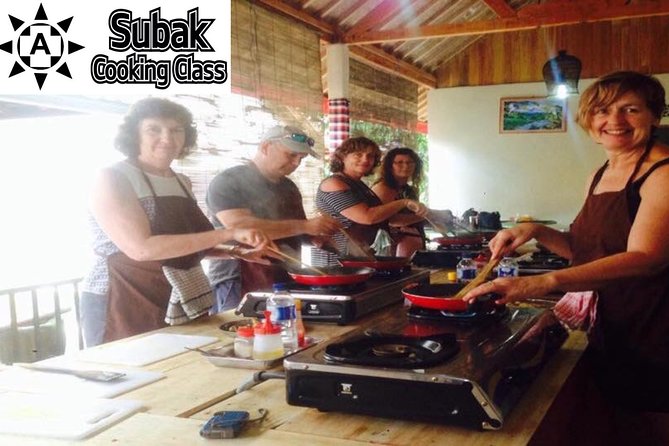
At the end, you’ll eat lunch or dinner buffet-style. The meal includes what you cooked, plus tasting during the cooking portion. For me, that matters: you’re not just leaving hungry with photos. You’re eating the fruits of your work, while flavors are still fresh and clearly aligned with what you learned.
You also get copy recipes to take away. That’s a big practical win. A recipe card is one thing. A recipe copy you can actually use is another, especially when it includes spice paste logic and sambal-style raw seasoning.
One extra note: you can bring your camera, so you can document ingredients and steps. It won’t replace the recipe copy, but it helps you remember how the dishes were put together.
Price and Logistics: Is $58 Good Value?
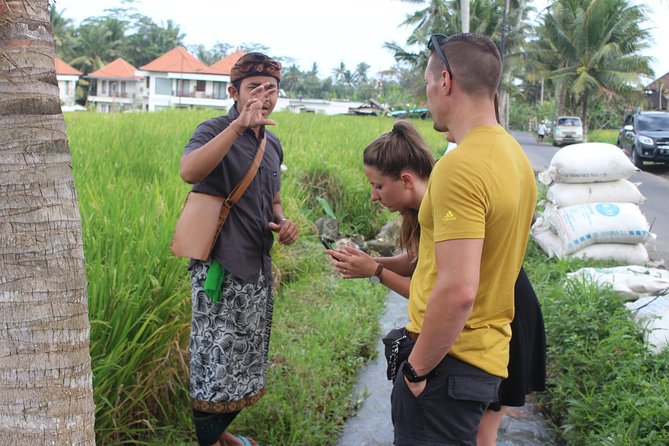
At about $58 for roughly 5 hours, this is priced like a serious activity rather than a quick demo. The best value here is quantity and structure: you’re making nine recipes, not just sampling them. You’re also getting included ingredients and kitchen equipment, plus the cultural stops (market, rice paddies, and a local house in the morning).
Another value factor is that it includes pickup and drop-off within the Ubud area (with mineral water and lunch/dinner included). If you’re already based in Ubud, that reduces friction a lot.
The main logistics consideration is staying outside Ubud. Extra transport charges may apply, and you might end up meeting at the Ubud Palace area instead. So if you want the smoothest day, stay in or near Ubud. If you’re farther out, treat the ride time as part of the cost, not an afterthought.
Also pay attention to the menu selection. Alcoholic drinks are not included, and you’ll be asked to choose regular or vegetarian.
Who Should Book This Ubud Cooking School?
This is a strong fit if you want:
- Hands-on cooking with enough dishes to feel like a true skill upgrade
- A class that includes real local context via the market and rice paddies
- A choice between regular and vegetarian menu options
- A take-home result: recipe copies and a meal you cooked yourself
It’s also a good choice for mixed groups—foodies, families, and people who want fun and structure without needing to be a pro cook. The small group size (max 14) helps keep the experience personal enough.
If you’re the type who hates anything that feels like a bus tour, focus on the morning option for the most food-relevant context. The afternoon route still cooks the same classics, but it swaps the market emphasis for offerings.
Should You Book This Cooking Class?
If you’re deciding between a short cooking demo and a full food day in Bali, I’d book this if you want real output: nine dishes, recipe copies, and a market/rice foundation that helps you cook with confidence later. For Ubud-based stays, the included pickup makes it feel easy to fit into your schedule.
I would hesitate only if you’re staying outside Ubud and hate paying extra for transport, or if you want a slow, very unstructured kitchen experience with lots of personal space. This class is built for groups and teaching flow, not total freedom.
If your goal is to leave Bali with more than a memory—and actually make Balinese cooking at home—this is one of the more practical ways to get there.
FAQ
Morning or afternoon: which one should I choose?
The morning option includes a traditional market visit and a rice paddies visit, plus you also visit a local Balinese house. The afternoon option includes making Balinese offerings (it’s listed as afternoon-only). If you care most about shopping and ingredients, pick morning.
Does the class cook nine dishes, or just a few?
The experience is designed to teach you at least 9 recipes. The included menus list nine items for both regular and vegetarian options.
What’s included in the price?
Included items are pickup and drop-off for the Ubud area, mineral water, use of kitchen equipment, recipe copies to take away, food tasting, and lunch or dinner buffet. It also includes a local guide/host and the market visit and rice paddies visit (for the morning option).
Is pickup included if I’m staying outside Ubud?
Pickup and drop-off are included only for the Ubud area. If you stay outside Ubud, additional charges may apply, and you should request pickup accordingly.
Can I choose a vegetarian menu?
Yes. You can choose either Regular or vegetarian. The vegetarian menu substitutes tofu and tempeh versions for the meat dishes while keeping the Balinese classics structure.
What dishes do you cook?
For the regular option, the listed dishes include Sayur Bali, fried chicken with coconut milk, sweet fried tempe, sate lilit, pepes ayam, lawar, sambal matah, base gede spice paste, and klepon cake. The vegetarian menu mirrors the same format with tofu and tempeh versions and also includes the same spice paste, sambal, and klepon.
Do I need to have cooking experience?
The class is step by step with a Balinese chef and local host, and it’s designed for people who want to learn. The process is structured so you can follow along at the stations.
Will I get to eat what I cook?
Yes. You’ll have food tasting during the class and then a lunch or dinner buffet with the dishes you cooked. If there’s any food left, you may be able to take it with you.
What should I bring?
Bring your camera. If you’re outside Ubud and need additional transport arrangements, you should also bring cash money for any extra transport charges.
Is the cancellation refundable?
Yes. There’s free cancellation. You can cancel up to 24 hours in advance of the experience for a full refund.