REVIEW · SCOOTER RENTALS
Canggu Scooter Lessons
Book on Viator →Operated by Canggu Scooter Lessons · Bookable on Viator
Learning to ride in Bali traffic sounds wild. But this setup makes it teachable, with an instructor right there to guide each step. You start with theory and balance drills before you ever roll onto a quiet village street, so you build confidence instead of guessing. It’s a private lesson format too, so you’re not stuck waiting for the group while your nerves stew.
I especially like how the lessons move in clear stages: scooter basics first, then balance and turning, then street practice only when you’re ready. I also love the “no pressure” approach, with breaks allowed, so you can go at a speed that actually feels safe. The main drawback to plan around: you’re expected to have a valid license, and learning time can vary from person to person, so you might need more than one 2-hour session.
In This Review
- Key points worth caring about before you book
- Why private scooter lessons make Bali feel doable
- The lesson flow: theory, balance, turns, then quiet-street practice
- What to watch for as you learn
- How many lessons you might need (and how to budget)
- Value math: what $31.34 really buys you
- The safety mindset: practice now, traffic later
- A practical note about confidence
- License rules and the realistic Bali requirements
- If you want to learn later beyond scooters
- Price, location, and timing: how to get the most out of your 2 hours
- Where the lesson happens in real terms
- What makes the instruction feel good (not just useful)
- Should you book Canggu Scooter Lessons?
- FAQ
- How long is the scooter lesson?
- Is the lesson private?
- Where does the lesson start?
- What is covered in the lesson?
- Do I ride on real streets during the lesson?
- Can I take breaks during the lesson?
- Do I need a valid license?
- How many lessons will it take for me?
- Does the experience require good weather?
- What about learning scooter driving if I don’t have bicycle experience?
Key points worth caring about before you book
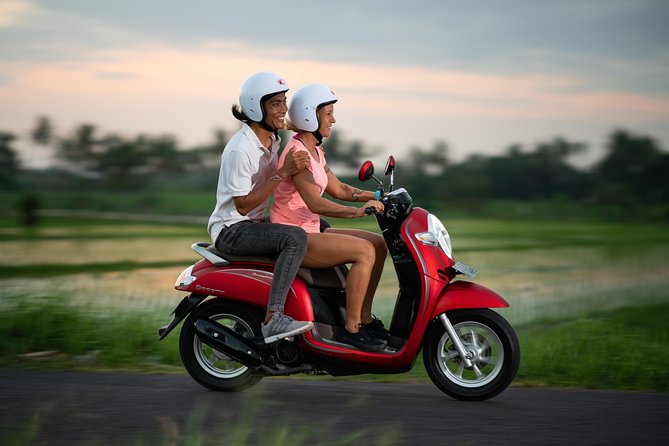
- Instructor in your ear: you get guidance while you practice, not after you crash-test your confidence
- Calm start, quiet street next: street riding only kicks in once you’re balanced and turning comfortably
- You set the pace: breaks are allowed, and you can take as long as you need
- Average learning time is longer than one session: plan for 2–3 lessons (about 4–6 hours total)
- Private means focused attention: only your group participates, so instruction stays personal
- They also offer upgrades: Indonesian driving license help plus manual motorbike and bicycle lessons
Why private scooter lessons make Bali feel doable

Bali is famous for scooters. It’s also famous for traffic that can look chaotic from the curb. The trick is learning how to move smoothly under control before you’re asked to react fast. That’s exactly what this lesson approach is built for.
I like that the training is private and step-by-step. You’re not trying to learn balance and turns while also processing what cars, bikes, and scooters are doing around you. Instead, you get the basics, you practice them repeatedly, and then you add real-road context later. It’s the difference between watching and doing—and doing, safely, is what builds muscle memory.
Another reason this is worth your time: you’re in an instructor-driven environment. The lesson includes the idea of an instructor in your ear, so you can correct issues while they’re happening. Reviews back this up with consistent praise for patient teaching. Names that come up directly include Agus and Gede, both described as calm, detailed, and supportive when it’s someone’s first time.
The “gotcha” is simple: Bali riding isn’t just fun, it’s skill. They specifically note that you should have a valid license. If you don’t, you may need to sort that out first. Also, plan for variable learning time—your confidence level and comfort with basic movement can change everything.
You can also read our reviews of more tours and experiences in Ubud

The lesson flow: theory, balance, turns, then quiet-street practice
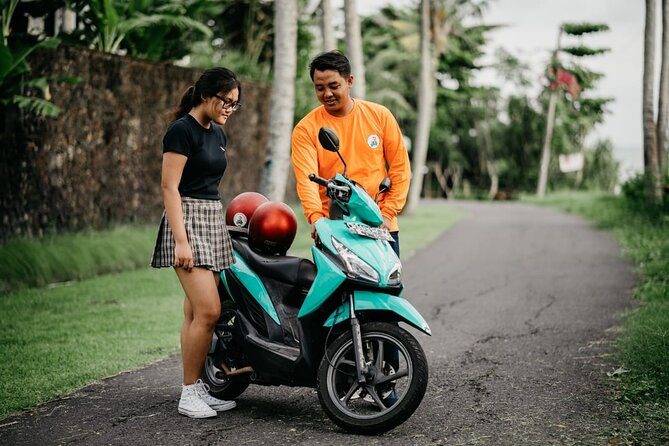
The lesson starts in the parking lot at Jl. Raya Dawas, Tibubeneng, Kec. Kuta Utara, Kabupaten Badung, Bali 80361. From there, the structure is pretty logical, and it keeps you from jumping straight to the hard part.
Here’s what happens during a typical session, in order:
1) Theory first (how the scooter works)
They begin with an explanation of how everything works and the functions of the scooter. This matters because scooters in Bali are often treated casually, but you still need to understand the controls. When you know what does what, you stop spending brainpower on guessing.
2) Balance and basic maneuvers
Next comes the heart of learning: balancing the scooter and practicing turns. This stage is where people usually feel shaky. The good news is you’re building stability step-by-step, not forcing it.
You’ll notice they don’t rush you. The goal is control, not speed. That approach is exactly what reduces the scary feeling many first-timers have.
3) Quiet village street only after confidence
Once you’re completely confident, you move to a quiet village street for real-world practice. The key word here is confident. This is not just a change of scenery; it’s a change in pressure. You’re learning how your scooter handling translates outside the controlled parking-lot environment.
4) Breaks are allowed
You can take breaks if you need them. That sounds small, but in a skill lesson it’s huge. If you’re tired, your coordination drops. If you’re stressed, your decision-making gets worse. Breaks help you stay in learning mode instead of panic mode.
What to watch for as you learn
Even if you feel awkward at first, pay attention to two things during your practice:
- smooth control (how steady your scooter feels)
- turning behavior (how predictable your direction changes are)
If you can do both calmly in a practice space, you’re usually in much better shape for street confidence.
How many lessons you might need (and how to budget)
The lesson length is listed as about 2 hours per session. But they also make it clear that it depends on you. Everyone’s pace and confidence level differs.
Based on their experience, the average learner ends up needing about:
- 4–6 hours total
- roughly 2–3 lessons
That’s a practical planning point. If you’re hoping to feel ready after only one session, you might, but you also might not. The whole method is confidence-based. So if balance takes longer, street practice starts later.
Value math: what $31.34 really buys you
The price is $31.34 per person. For one 2-hour lesson, it’s pretty clear you’re paying for private instruction time with structured practice.
If you take the average 2–3 lessons, your total comes to about:
- $62.68 for two lessons
- $94.02 for three lessons
That range is still relatively low compared to the cost of renting something you’re not comfortable with, or the risk of learning the hard way. The real value is that you get guided progression in a safe environment so you can shift from fear to control.
Also, you’re not just learning how to move the scooter. You’re learning how to improve. Reviews mention helpful tips for riding safely on busier roads later—after you’ve practiced the fundamentals first.
You can also read our reviews of more tours and experiences in Ubud




The safety mindset: practice now, traffic later
This is the part you should pay attention to, even if you’re already thinking about riding through Canggu right after the lesson.
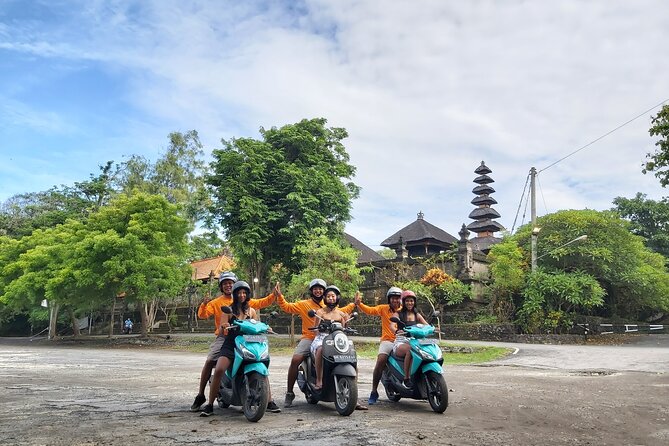
They explicitly aim to teach you how to ride in a safe and encouraging environment, with an instructor guiding you so you can keep things under control. And the lesson is designed around gradual exposure:
- learn basics
- practice balance and turning
- only then add quiet-street riding
That sequence matters because scooter riding isn’t only mechanical. It’s also mental. The calm practice space helps your brain learn what your hands and feet should do. Then when you step onto a real street, you’re not starting from zero.
Reviews reinforce this safety approach. One person mentioned feeling much safer on busy roads after practicing with tips and plenty of practice time in a safe environment. Another emphasized the patience and lack of pressure. That matches the way the lesson is described: take breaks, move to the quiet street only when confident, and repeat until it clicks.
A practical note about confidence
If you’re the kind of person who thinks you should “just get it” quickly, this lesson will still work—but you’ll get better results when you accept the pace. The instructor’s job is to keep you learning without rushing you. Let that be part of the bargain.
License rules and the realistic Bali requirements
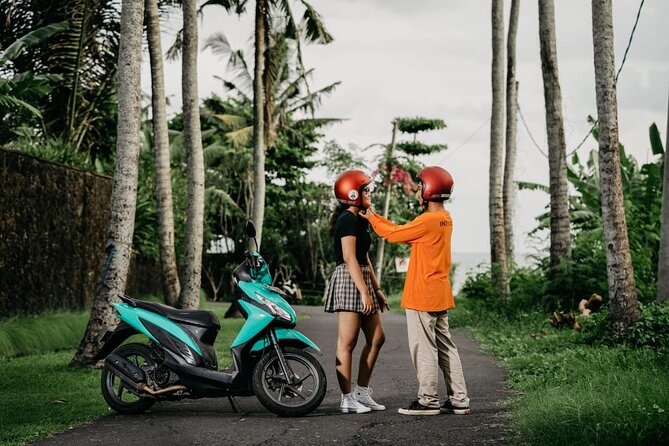
They note that travelers should have a valid license. That’s important enough to treat like a hard requirement, not a suggestion.
If you already have what you need, great. If you don’t, you should plan for how you’ll handle that before your scooter lesson. They also say they provide service to get an Indonesian driving license. That can be useful if you’re staying long enough to sort paperwork.
If you want to learn later beyond scooters
They list additional lesson services, including:
- manual motorbike lessons
- bicycle lessons
They also add a specific condition for learning driving: scooter learning requires experience riding a bicycle/bike. That’s a common-sense foundation detail—balance and steering feel similar between bicycles and scooters, and the muscle memory helps.
Price, location, and timing: how to get the most out of your 2 hours
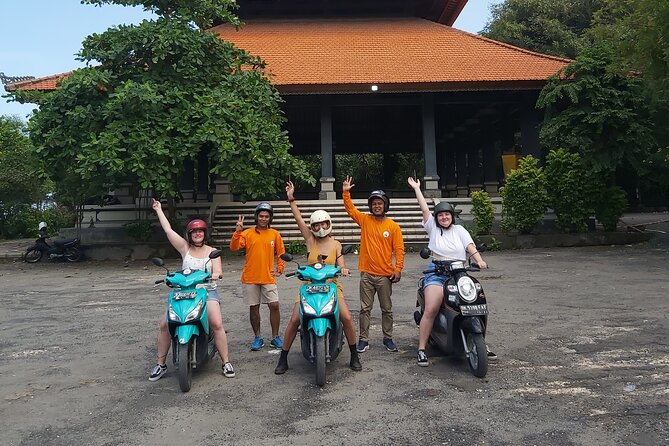
This is set up as a private activity, and you start and end at the same meeting point. That matters because it keeps your time focused. No long transfers. No waiting around while someone else gets ready.
A few practical things to keep in mind so your lesson is smoother:
- Arrive early enough that you’re not rushed
- Bring your valid license (since they specifically mention it)
- Expect the lesson to be confidence-based; you may do more practice in the first stage if you need it
- Plan for the possibility of 2–3 lessons if you want street confidence
Weather can also play a role. The experience is described as requiring good weather. If it’s canceled due to poor weather, you’ll be offered a different date or a full refund. That’s worth factoring if you’re booking near rainy periods.
Where the lesson happens in real terms
The meeting point is in the Canggu/Tibubeneng area. From there, the progression is from the parking lot environment to a quiet village street. That’s a thoughtful pairing: the first part removes traffic complexity, and the second part adds real-world handling without immediate chaos.
What makes the instruction feel good (not just useful)
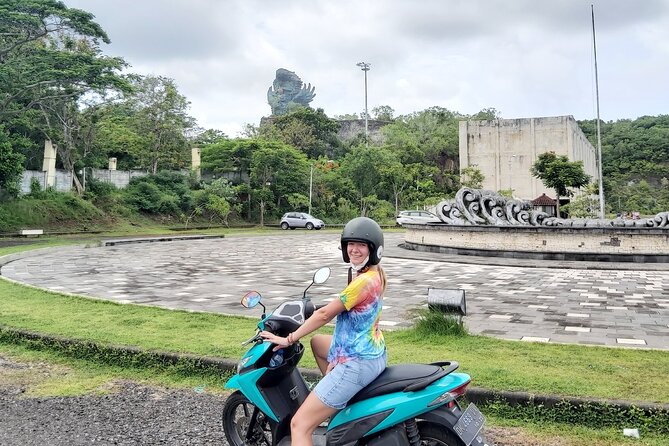
A scooter lesson can go two ways: you either get someone who talks at you, or someone who watches what you’re doing and corrects it. This one leans hard toward the second.
The reviews are consistent on patience and guidance. Specific names show up:
- Agus is described as nice and patient, with detailed explanations for a first-time rider
- Gede is described as very patient and helpful, taking time to teach the next steps once confidence grows
You also see praise for the structure and task practice. One review talks about being given different tasks and having no pressure to learn fast. That aligns with the lesson design: theory, balance drills, turning practice, then quiet-street riding only when ready.
The practical takeaway for you: you should treat this like a skill workshop, not a test. If you need repetition, you should get it. If you want breaks, use them. This is the kind of training where your “progress” is measured by calm control, not by how quickly you can imitate someone else.
Should you book Canggu Scooter Lessons?
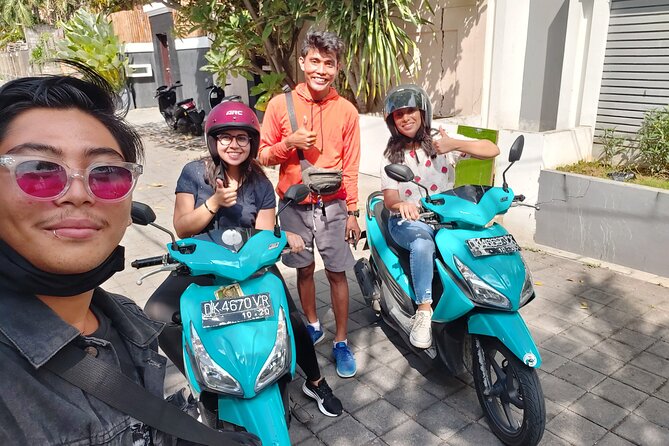
I’d book this if:
- you’re new to scooters and want a structured path to confidence
- you want private instruction and fewer distractions
- you’re willing to learn at a pace that feels safe (even if that means more than one 2-hour session)
- you plan to ride in Bali traffic and want fundamentals first
I might skip or rethink if:
- you don’t have a valid license and you’re not ready to address that
- you’re expecting one short session to make you instantly comfortable on busy roads
- weather is poor during your dates and you don’t have flexibility
For most people, the decision comes down to this: you can either learn scooter basics the nervous way, or you can learn them in a calm, coached environment. For the price, the time, and the confidence-based progression, this is a smart use of your first days in Bali.
FAQ
How long is the scooter lesson?
It’s listed as about 2 hours (approx.) per lesson.
Is the lesson private?
Yes. It’s a private tour/activity, and only your group participates.
Where does the lesson start?
You start at the Canggu Scooter Lessons meeting point at Jl. Raya Dawas, Tibubeneng, Kec. Kuta Utara, Kabupaten Badung, Bali 80361, Indonesia.
What is covered in the lesson?
You get theory about how the scooter works, then you practice balancing and turning. After you are confident, you continue to a quiet village street.
Do I ride on real streets during the lesson?
You move to a quiet village street only when you are completely confident.
Can I take breaks during the lesson?
Yes. They say you can take as much break time as needed.
Do I need a valid license?
Yes. The note says travelers should have a valid license.
How many lessons will it take for me?
It depends on your pace and confidence. They say the average is about 4–6 hours total (2–3 lessons), and you can do as little or as many as you want.
Does the experience require good weather?
Yes. It requires good weather. If canceled due to poor weather, you’ll be offered a different date or a full refund.
What about learning scooter driving if I don’t have bicycle experience?
They note that for learning driving, scooter learning is required to have experience riding a bicycle/bike.