
REVIEW · BALINESE DANCE SHOWS
Bali: Ubud Palace Legong Dance Show Ticket
Book on GetYourGuide →Operated by Globaltix Indonesia · Bookable on GetYourGuide
Hand gestures, fast footwork, and court drama. This Ubud Palace Legong Kraton show is one of Bali’s best-known classical performances, built on sharp choreography, delicate hand work, and gamelan music that drives the whole story.
I especially like the pure artistry: gold costumes, ornate headdresses, and dancers whose timing is razor-thin. I also like the value—around $6 for a full 90 minutes at a historic palace setting. The only real drawback is practical: seating is limited and the venue gets crowded fast, so if you show up late you may end up standing.
In This Review
- Key points before you go
- Legong Kraton at Ubud Palace: why this show is worth your night
- Tickets, timing, and getting to the right spot
- Enter early: the real seating and crowd math
- Before the show starts: how to get your bearings fast
- The performance itself: story, technique, and why it feels different
- What the 90 minutes feels like in real life
- What to bring (and what to skip)
- Price and value: why $6 feels unusually fair
- Best way to pair this with food: plan your post-show move
- Who should book this Legong show
- Should you book the Ubud Palace Legong Dance ticket?
- FAQ
- How long is the Legong Dance show?
- What is included in the ticket?
- Where do I meet for the activity?
- Do I get hotel pickup or drop-off?
- What should I bring?
- Are there any items that are not allowed?
- Is the ticket refundable?
- Does the ticket work for multiple days or passport holders?
- Are there different prices for children?
Key points before you go
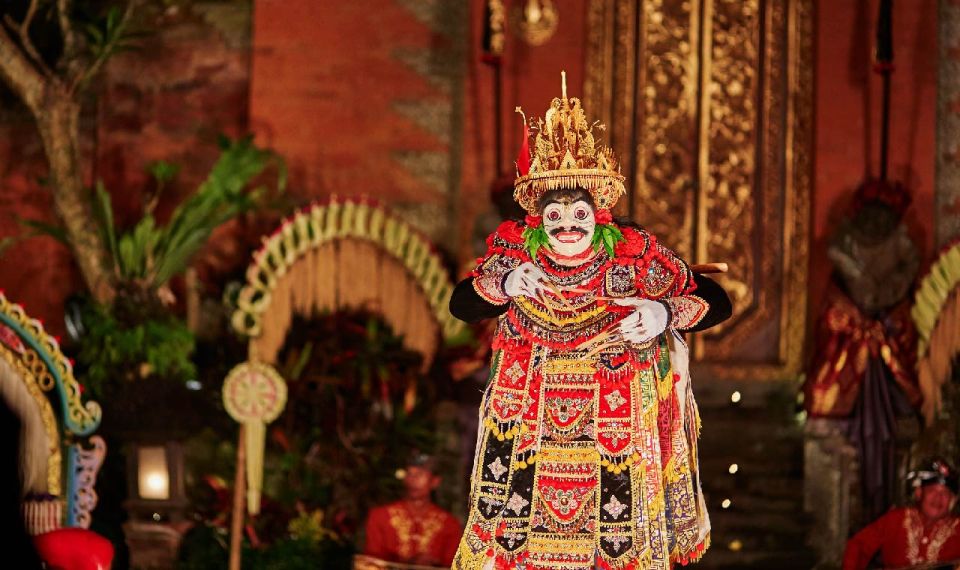
- Ornate Legong Kraton: classical court dance with intricate finger work and precise movement
- Gamelan soundtrack: live Balinese music that sets the tempo and mood
- Arrive early for sightlines: seats are limited and many people find they can’t sit in the right place
- Outdoor evening timing: it’s held outside, so plan for heat and comfort
- Read the story notes: a little context helps you follow who’s who
- Bring cash for extras: drinks are sold onsite, and some front-area seating depends on purchasing something
Legong Kraton at Ubud Palace: why this show is worth your night
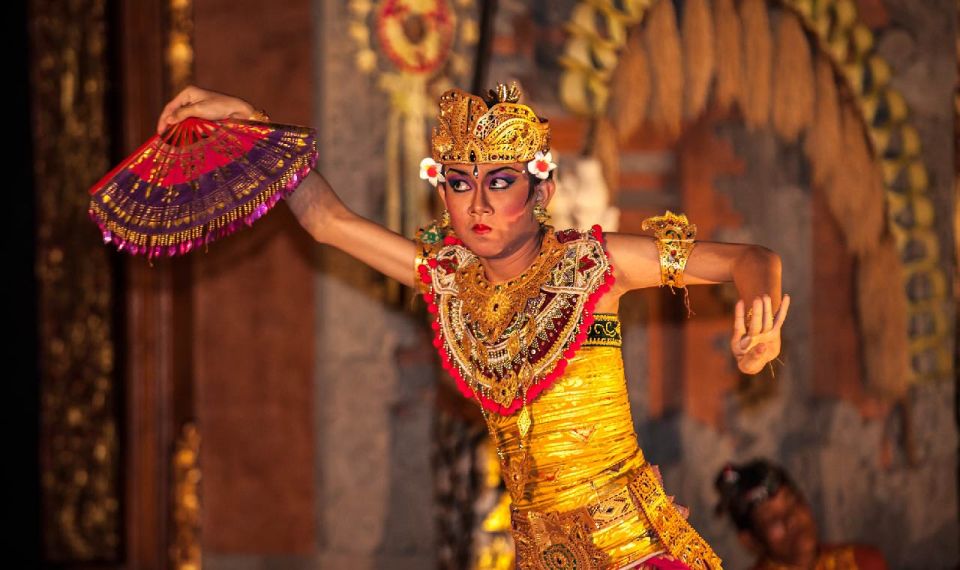
Legong Kraton is Bali’s classical court dance tradition. It’s known for choreography that looks delicate but is actually tightly controlled—hands, eyes, and footwork all have to match the gamelan rhythm. The performance is usually presented as a story of love, conflict, and destiny, expressed through movement rather than spoken dialogue.
What makes this version especially appealing is the setting. Ubud Palace gives you a strong “this is tradition, not just entertainment” feeling. Even if you’ve seen other dance shows around Bali, the palace backdrop and the classic style here tend to make it feel more grounded in history.
Also, don’t underestimate the sensory part. The music sets the pace, and the costumes do a lot of storytelling just by how they look and move. If you’re the kind of person who enjoys details—eye expressions, hand shapes, patterns of motion—this is your type of show.
You can also read our reviews of more tours and experiences in Ubud


Tickets, timing, and getting to the right spot
This experience is straightforward: you’re buying a show ticket, then heading straight to the Ubud Palace ticketing counter. There’s no hotel pickup or drop-off, so you’ll need to handle your own transport or rideshare.
The show is listed as 90 minutes, but starting times vary by availability. Your ticket is valid for the selected date and for all passport holders, which matters if you’re traveling on a tight schedule and don’t want surprise restrictions.
I’d treat this as an “arrive early, settle in, then enjoy” kind of event. Once the crowd builds, getting to the best viewing spots becomes harder than you’d expect for something that’s only a short walk from the ticket counter.
Enter early: the real seating and crowd math
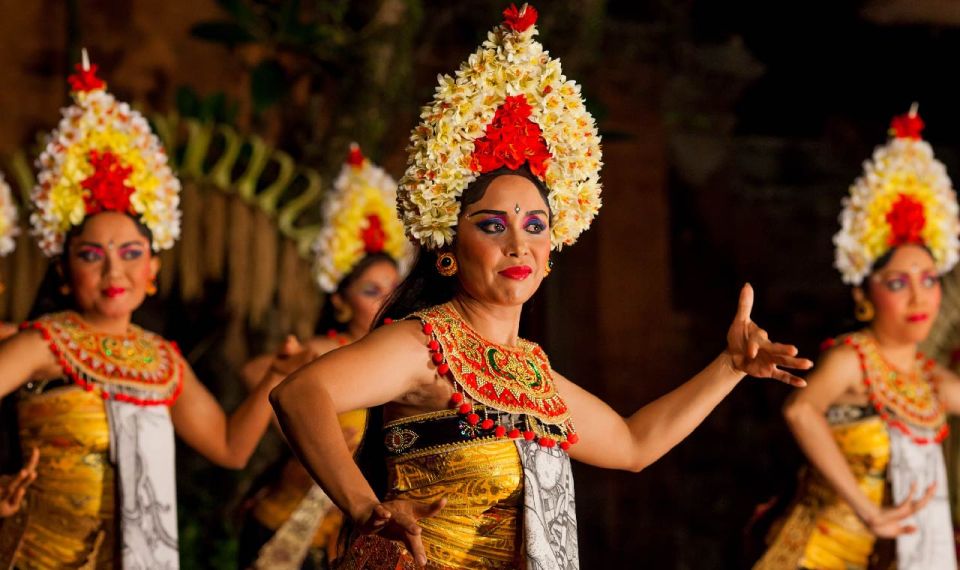
Here’s the part you can’t ignore: the venue fills up quickly. I’d plan on arriving about 45 to 60 minutes early if you care about having a solid view. Arrive less than that, and you may be stuck standing or blocked depending on where you end up.
Seating is basic, and the space can feel tight. Some people end up sitting on the ground, and there are reports that front viewing areas can fill before the show begins. One useful tip: the most unobstructed sightlines can be found from the sides of the stage area rather than only from the middle.
It’s also outdoors, so you’ll feel the weather more than you might at an indoor theater. If you run hot, consider bringing a small fan or something to cool down. There’s also at least one mention of drinks being available onsite but limited bathroom options right at the seating area—so do yourself a favor and use facilities before you commit to your spot.
Before the show starts: how to get your bearings fast
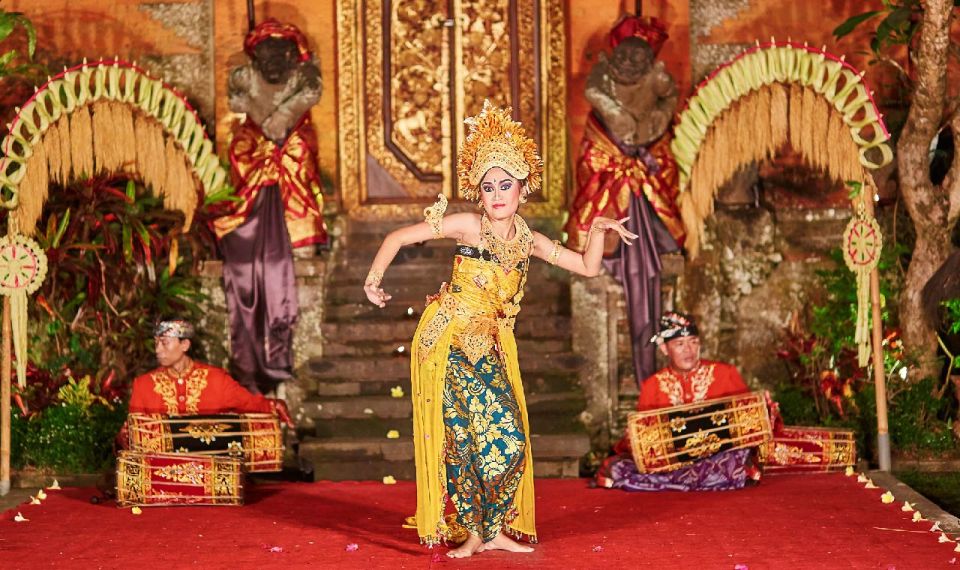
Once you’re inside, the biggest challenge is simple: find a view and understand what you’re watching. Legong isn’t “explained” like a museum audio guide. The story is told through motion, facial expression, and movement cues.
A practical help is to use any printed story notes or pamphlets given out at the venue. If you want the plot to make sense, reading those notes first can help you follow who is who and what changes in the narrative as the dance progresses.
If you’re hoping to sit near the action, pay attention to how mats and front-area seating are handled. There are reports that mats placed near the front may require buying a drink from vendors in that area. If you’d like that perk, plan a little budget and don’t assume it’s free just because the mat is already there.
The performance itself: story, technique, and why it feels different
Legong Kraton stands out because of how the dancers control their bodies. The choreography relies on sharp precision—fast, exact movements paired with delicate hand gestures. The dancers’ facial expressions also matter a lot, and you’ll notice how their eyes and posture shift as the story turns.
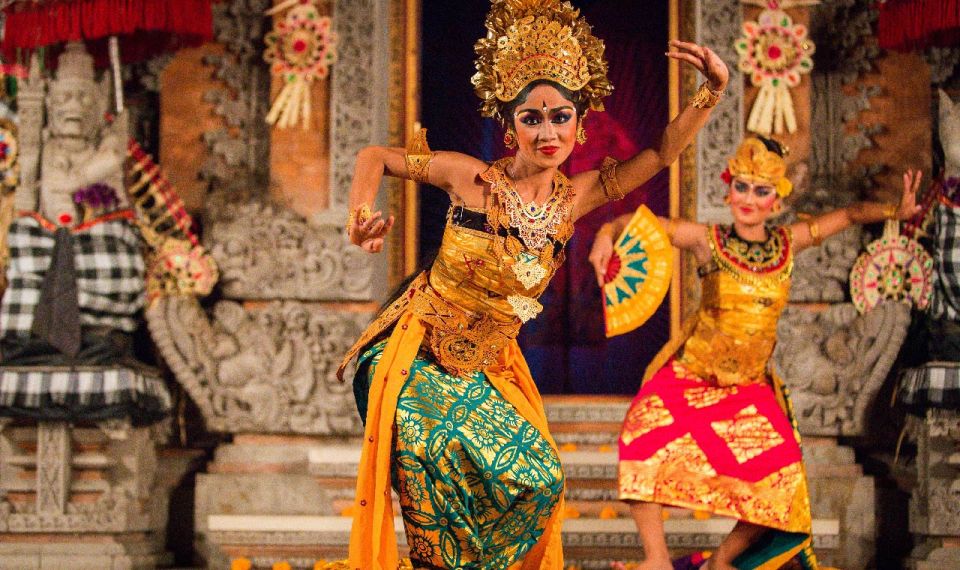
The costumes are part of the language too. Expect dancers in elaborate gold outfits and ornate headdresses. They don’t just look ceremonial; the costumes help emphasize the lines of movement and the dramatic contrast between characters and moods.
The music is the engine. The gamelan orchestra keeps the tempo and cues the changes in the dance. Some people find Balinese gamelan sounds unique, and if you’re expecting something like Western orchestral music, it may take a minute to adjust. But once you feel the rhythm, it becomes easier to appreciate the choreography.
And yes, the “story” aspect varies in how easy it feels to follow. If you’ve done a bit of background reading, you may enjoy it more because you can map the characters and conflicts onto what you’re seeing. If you haven’t, don’t panic—the dance is still beautiful on its own. Just expect you might miss a few narrative details without the notes.
You can also read our reviews of more tours and experiences in Ubud




What the 90 minutes feels like in real life
This is not a quick 20-minute demo. It’s a full evening performance length—about 90 minutes—so go in with enough patience to settle and watch without rushing.
The pace is mostly steady: the music drives the dancers, and the dance unfolds in sections with changing gestures and expressions. If you have a short attention span, you might feel it slightly longer than expected, especially if you’re distracted by filming or chatter.
One thing to watch for: phone cameras. It’s common to see people filming parts of the show, and bright screens can be distracting if they sit in front of you. If you’d rather avoid that, arrive early so you’re seated where your view stays clean.
Also consider your dinner timing. For at least one common show time (around 7pm), plans should account for a wrap closer to about 9:15. That extra time matters if you’re trying to reserve dinner at a specific hour.
What to bring (and what to skip)
This experience asks for a few simple things:
- Camera if you want photos
- Cash for drinks or any onsite extras
Also keep in mind what’s not allowed: weapons or sharp objects. It’s a standard safety rule, but it’s still worth remembering before you head in.
For comfort, I’d bring small essentials even though they aren’t listed as required. If you’ll be sitting on the ground, a light layer can help against evening chill when the weather shifts. If you run hot, a small fan or portable cooling item can make the wait much easier.
Price and value: why $6 feels unusually fair
At about $6 per person for a 90-minute classical dance show, the value is hard to beat. The ticket isn’t just buying “a performance.” You’re paying for:
- live gamelan music
- highly trained dancers
- ornate costumes and traditional choreography
- a palace setting that makes the whole thing feel ceremonial
It’s also one of the rare cultural activities where the cost doesn’t feel like the main factor driving your decision. Even if you’re only in Bali briefly, this is the kind of ticket you can justify because it gives you a clear, memorable snapshot of a core Balinese art form.
One thing to consider: children are charged at the same rate as adults. So if you’re traveling with kids, it’s still a good deal, but it won’t be the “cheap family bargain” you might expect from some attractions.
Best way to pair this with food: plan your post-show move
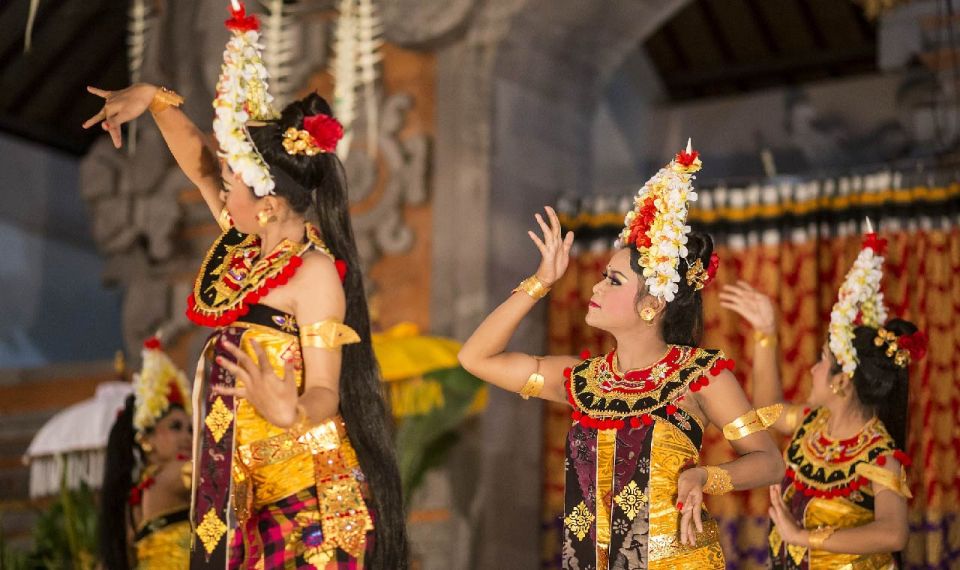
This ticket doesn’t include food. But it’s easy to pair with dinner because the show ends late enough to make a meal feel like a reward, not a rush.
A solid nearby option mentioned with this kind of plan is Babi Guling (Balinese roasted pork). One specific spot that came up is Warung Oka, suggested as a treat after the dance.
When you plan your meal, think about timing and crowd flow. If you want a calm dinner experience, don’t jump up the second the last movement ends—give yourself a few minutes to clear the area, then head out.
Who should book this Legong show
You’ll probably love it if:
- you enjoy traditional performing arts and want something distinctly Balinese
- you’re curious about classical court dance and the way stories get told through movement
- you like paying a low price for an experience that feels like it belongs in Bali’s culture
You might hesitate if:
- you hate crowded environments (the seating area can get packed)
- you need guaranteed comfortable seating at all times
- you’re sensitive to bright phone lights in your field of view
If your goal is only a quick tourist photo with minimal waiting, this may not feel efficient. But if you’re happy to arrive early, find a decent spot, and watch carefully, it becomes one of those “worth the effort” evenings.
Should you book the Ubud Palace Legong Dance ticket?
Yes, I’d book it if you want a classic Bali art form at a price that feels genuinely fair. The combination of Legong Kraton choreography, elaborate costume detail, and live gamelan music makes it more meaningful than the average “dance show for tourists.”
Just be smart about the one known challenge: the venue gets crowded and seating is limited. Arrive early, use the story notes if you want clarity, and plan your dinner around a show that runs close to 90 minutes.
FAQ
How long is the Legong Dance show?
The show is listed as 90 minutes.
What is included in the ticket?
Your ticket includes admission to the show.
Where do I meet for the activity?
Go directly to the ticketing counter at Ubud Palace.
Do I get hotel pickup or drop-off?
No. Hotel pickup and drop-off are not included.
What should I bring?
Bring a camera and cash.
Are there any items that are not allowed?
Weapons or sharp objects are not allowed.
Is the ticket refundable?
No. The activity is non-refundable.
Does the ticket work for multiple days or passport holders?
The ticket is valid only on the selected date, and it applies to all passport holders.
Are there different prices for children?
No. Children are charged at the same rate as adults.