REVIEW · BALINESE COOKING CLASSES
Small-Group Farm Tour & Balinese Cooking Class in Ubud with Kadek
Book on Viator →Operated by Traveling Spoon · Bookable on Viator
Cooking in a working farm feels real. I love the farm tour ingredient hunt and the chance to take home a recipe book for later, not just memories. One thing to plan for: it’s outdoors and can get hot and muddy, so you’ll want proper shoes and bug spray.
This is a small-group class in Ubud where the day starts with walking through the farm to gather what you’ll cook. Then you shift into an outdoor community kitchen style class where Kadek and the team teach you straightforward Balinese techniques you can actually repeat.
If you want a cookie-cutter cooking class, skip this. If you want a hands-on Balinese meal built from what you pick yourself, this feels like the fun, practical way to do it.
In This Review
- Key things I’d circle before you book
- A Ubud farm walk where you pick what goes into your meal
- The community kitchen part: cooking 2–3 dishes in about two hours
- What you’ll eat at the end (and why it’s planned this way)
- The staff vibe: fun energy plus real kitchen skill
- Transfers, meeting point, and what “small group” really means
- Price and value: what you’re paying for beyond the meal
- Weather matters more than you think
- Who this Balinese farm cooking class suits best
- Should you book Kadek, the farm walk, and the Balinese cooking class?
- FAQ
- What is the price of the Small-Group Farm Tour & Balinese Cooking Class in Ubud?
- How long does the experience take?
- Is hotel pickup included?
- Where does the activity meet and end?
- How many dishes will I learn to cook?
- Is there a vegetarian option?
- What should I bring since it’s outdoors?
- How big is the group?
- What happens if weather is poor?
Key things I’d circle before you book
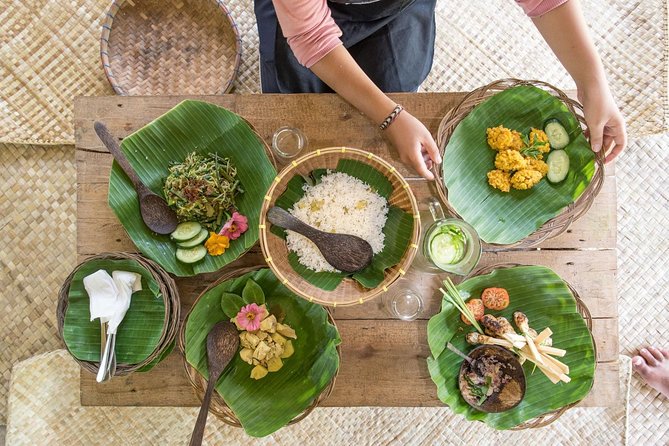
- Organic farm ingredient picking: You gather produce and spices you’ll use in your meal.
- 30–45 minute farm walk with straw hats: Expect tall bushes, muddy ground, and warm air.
- Outdoor community kitchen cooking lesson: Learn about 2–3 dishes during a ~2-hour class.
- Eat what you make, plus Balinese dessert: Your meal ends with kolak and Balinese coffee or lemongrass tea.
- Small-group cap (max 10): You get a private-class feel with personalized attention.
- Take-home recipe book: You’re not stuck with vague memories later.
A Ubud farm walk where you pick what goes into your meal
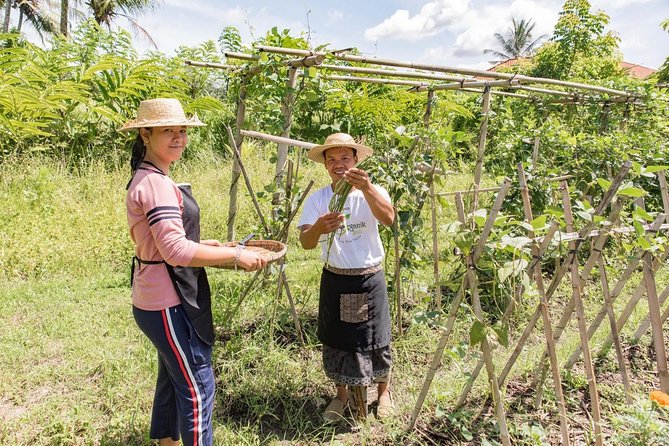
The day begins on an organic farm in the Ubud area with your host Kadek and the team. You’ll start by walking the farm to learn how it works and what grows there. Then you gather the ingredients and spices you’ll use back in the kitchen—this is the part that makes the whole experience click.
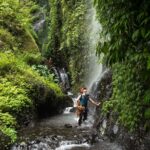
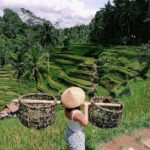
The farm walk is about 30–45 minutes, and you should expect it to be more hands-on than scenic. You’ll move through tall bushes and muddy areas while searching for items like beans and lemongrass. They provide straw hats, which sounds simple, but it really helps once the heat hits and you’re focused on spotting plants and harvesting what you need.
This is a good fit if you like food education that starts from the ground up. You’re not just memorizing recipes—you’re learning what ingredients look like in real life. That also makes the later cooking steps easier to follow, since you can connect a spice jar at home to the plant you picked that day.
You can also read our reviews of more cooking classes in Ubud
The community kitchen part: cooking 2–3 dishes in about two hours
After the farm, you get a breather: you’ll be offered a refreshing drink and wet towels to wipe your face before cooking. It’s a small detail, but it helps you switch from warm outdoor work to active cooking without feeling totally drained.
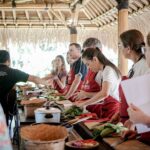
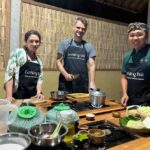
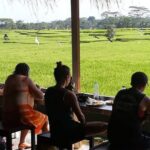
Your cooking class takes place in a traditional Balinese outdoor community kitchen. The class itself lasts about two hours, and your instructor teaches you how to make 2–3 Balinese dishes. The goal here isn’t complicated technique. It’s learning dishes that make sense, taste great, and don’t require a home kitchen full of rare equipment.
You might cook items like:
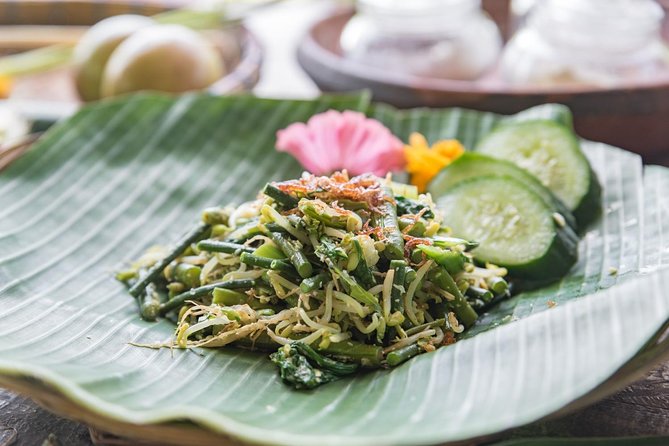
- nasi sela (rice with sweet potato)
- garang asem (chicken cooked with Balinese spices)
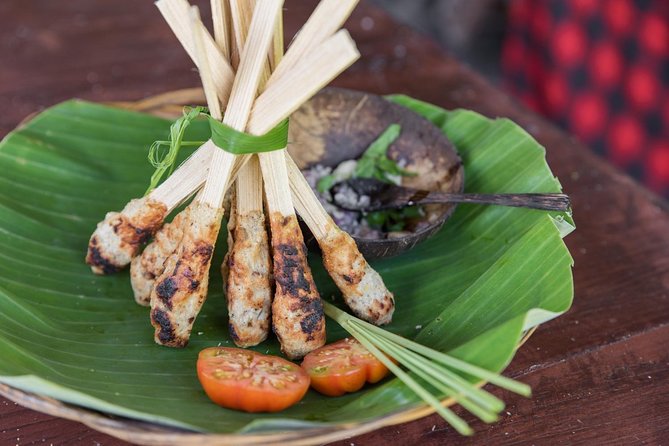
- tuna satay (fish kebabs)
- sayur urab (green vegetables with coconut and spices)
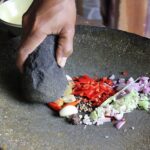
Because you’re learning in a real community-style cooking setup, it feels practical. You get the rhythm of cooking with fresh ingredients, and you see how flavors build step by step. If you’re nervous about your cooking skills, this structure helps. You’ll do the cooking, but the lesson stays focused on what you can handle.
What you’ll eat at the end (and why it’s planned this way)
You’ll finish the class by eating the meal you helped prepare. The menu style is Balinese comfort food—rice and savory dishes—followed by something sweet.
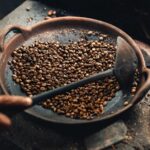
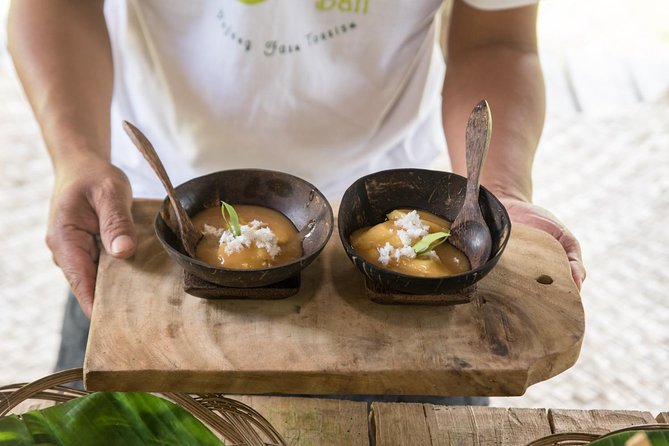
Dessert is kolak, and you’ll also get Balinese coffee or lemongrass tea. It’s a nice ending because you get both the savory satisfaction of your main dishes and the warm, comforting sweetness of the dessert.
One cultural detail to know: Kadek doesn’t join you for the meal right away. He first needs to offer the food to nature as part of a ritual, and it’s preferred that you start eating without waiting for him to finish. That might feel a little odd if you’re expecting everyone to sit down together, but it’s part of the experience. It also adds a real sense of respect for the process, not just the product.
The class includes 1–2 glasses of local alcohol, so if you don’t drink, just keep an eye on that when you sit down. If you do drink, it’s built into the value, and it can make the meal feel extra celebratory.
The staff vibe: fun energy plus real kitchen skill
The best cooking classes balance warmth with competence. Here, you get both. From what I’ve gathered about the teaching style, the instructors bring a playful, friendly energy—there’s an ethos to the project that feels more like a community effort than a scripted show.
People also talk about the team knowing how to cook, not just how to talk about cooking. That matters because the more confident the instructor is in the kitchen, the more you’ll understand why you’re doing each step. If you want to take something home besides recipes—like the logic behind the flavors—this kind of instruction pays off.
In at least some cases, the day’s guidance may include Apung as the guide for your activities, with Kadek leading in the cooking area. Either way, you’ll feel looked after, not left to figure things out alone.
Transfers, meeting point, and what “small group” really means
This experience is priced at $49 per person, and it includes round-trip transfers from Ubud hotels. If you’re staying in the common Ubud hotel areas—Hanoman Street, Monkey Forest Street, or Jl. Raya Ubud—you’ll usually get pickup and drop-off. The tour also runs with a mobile ticket, which keeps the day simple.
If you’re staying outside the listed Ubud pickup zones, you won’t automatically get hotel transfers. In that case, you’ll likely meet at the Maybank KCP Gianyar, on Jl. Raya Ubud No.115, Petulu, Kecamatan Ubud, Kabupaten Gianyar. It’s also near public transportation, so it’s not the end of the world if you need to self-navigate.
The group size matters: there’s a maximum of 10 travelers. Even though it’s described as small group/shared, the class setup is designed to feel personal, not crowded. You’re not standing on the sidelines watching someone else cook—you’re cooking with the instructor guiding you.
You can also read our reviews of more tours and experiences in Ubud
Price and value: what you’re paying for beyond the meal
At $49, the value is in the full package: the farm tour, the hands-on cooking lesson, the meal you make, and transfers if you’re in Ubud. You’re basically paying for a full half-day experience that includes multiple phases (walk, prep, cook, eat), not a quick demo.
The take-home recipe book adds value too. A lot of cooking classes give you a vague idea of what to make. Here, you leave with something tangible you can actually use later—so you might cook again at home without starting from scratch.
Also, the cooking class includes teaching for 2–3 dishes. That’s a sweet spot. It’s enough variety to taste different flavors—savory mains plus dessert—but not so many dishes that you feel rushed or overwhelmed.
The only potential value hiccup is if your hotel is outside the pickup area and you’d have to cover your own transport. In that case, the total cost can creep up. Still, even then, you’re getting the farm and the meal, not just the cooking lesson.
Weather matters more than you think
This is an outdoor experience, so good weather is part of the deal. If it gets canceled due to poor weather, you’ll be offered a different date or a full refund.
For you, that means packing like you’re going to be outside for a few hours. Wear breathable clothing and closed-toe shoes you don’t mind getting a bit dirty. Bring bug spray, sunscreen, and a small hand towel or tissues. Straw hats are provided, but you still need to think about skin and sweat.
If you hate muddy conditions or you’re traveling with mobility issues that make farm walking hard, you might find the farm phase challenging. The cooking kitchen part is still outdoors, so plan for heat either way.
Who this Balinese farm cooking class suits best
This is a strong pick if you:
- want real hands-on cooking instead of watching from a distance
- like Balinese food and want dishes you can recreate later
- enjoy food learning that starts with where ingredients come from
- are traveling as a couple or small group and want a personal-feeling class
It also works well for food-curious honeymooners and first-time Bali visitors because it gives you culture through daily life—farm work, meal preparation, and a respectful ritual—without turning into a long, complicated day.
You might skip it if:
- you strongly dislike outdoor heat or muddy walking
- you need a very flexible indoor-only schedule
- you’re expecting a high-end restaurant style cooking show (this is community kitchen and farm-based)
Should you book Kadek, the farm walk, and the Balinese cooking class?
If you want a class that feels authentic and practical, I’d say yes. The combination of an organic farm walk, an outdoor community kitchen lesson, and a sit-down meal you help create hits the right balance between culture and usefulness. Plus, the recipe book is the kind of souvenir that actually gets used.
Book it if you’re ready for a little mud and sun, and you want to taste and cook Balinese flavors like garang asem, sayur urab, and sweet kolak—not just read about them. If you’re flexible about the weather and you pack for heat, this experience has a strong shot of being one of your best food moments in Bali.
FAQ
What is the price of the Small-Group Farm Tour & Balinese Cooking Class in Ubud?
It costs $49.00 per person.
How long does the experience take?
The duration is about 5 hours.
Is hotel pickup included?
Hotel pickup and drop-off are included only if you are staying in Ubud. If you’re staying outside Ubud, pickup isn’t included.
Where does the activity meet and end?
The meeting point is Maybank KCP Gianyar, Jl. Raya Ubud No.115, Petulu, Kecamatan Ubud, Kabupaten Gianyar, Bali 80571, Indonesia. The activity ends back at the meeting point.
How many dishes will I learn to cook?
During the cooking class, you’ll learn to make 2-3 authentic dishes.
Is there a vegetarian option?
Yes. A vegetarian option is available, and you should advise them at the time of booking.
What should I bring since it’s outdoors?
Because it takes place outdoors and can get hot, wear clothes and shoes suitable for walking and cooking on a working farm. They also recommend bringing bug spray, sunscreen, and a hand towel or tissues.
How big is the group?
The tour has a maximum of 10 travelers.
What happens if weather is poor?
The experience requires good weather. If it’s canceled due to poor weather, you’ll be offered a different date or a full refund.