REVIEW · BALINESE COOKING CLASSES
PRIVATE Authentic Balinese Cooking Class in Ubud at Putu’s Home
Book on Viator →Operated by Traveling Spoon · Bookable on Viator
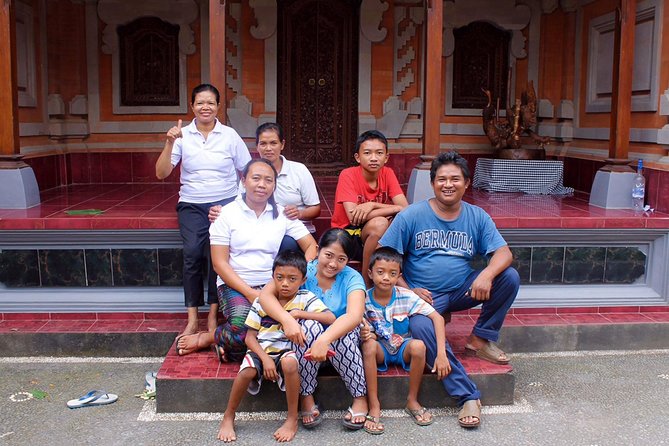
A real kitchen, a real family, and real Balinese food. Putu’s private class in Ubud is built around hands-on cooking with ingredients from her own family farm, plus a warm look at daily Balinese life and beliefs. You’ll learn spices, traditional methods, and how the meal comes together, then sit down to eat what you cooked.
What I’d call the two biggest wins are the multigenerational welcome (Putu, her grandparents, her husband Pasta, and their family) and the fact that you’re not just watching. You’re making a full set of dishes, usually five, guided step by step, then enjoying a proper feast with homegrown rice. One thing to consider: the kitchen setup can feel rustic, and travel time adds up because you’ll be picked up from Ubud and driven to an ancestral village area outside the center.
In This Review
- Key things that make this class worth your time
- Entering Putu’s compound: where the lesson starts
- What you’ll notice right away
- What you actually cook: five Balinese dishes with real technique
- Spice control and customizing your meal
- Vegetarian and vegan options do exist
- The farm-to-fork part: gardens, rice, and what that changes
- The meal afterward: a feast, not a snack
- A note on local alcohol
- Do you get recipes to bring home?
- Lunch vs dinner: how to pick what fits your day
- Getting there in Ubud: pickup and the real travel time
- The private setup
- Price and value: is $75 per person fair?
- Who this class is perfect for (and who should think twice)
- Should you book Putu’s Balinese cooking class in Ubud?
- FAQ
- Is pickup from my Ubud hotel included?
- How long is the cooking class?
- What will we cook during the class?
- Does the class include lunch or dinner?
- Is the experience private?
- Are vegetarian or vegan options available?
- Is alcohol included?
- What if I have allergies or dietary restrictions?
- Do I get recipes to take home?
Key things that make this class worth your time
- Family compound setting: you arrive at Putu’s home, not a classroom, and you’ll see how the household is organized
- Farm-grown ingredients: fresh produce and rice tied to the grandparents’ work, when ingredients are available seasonally
- Five dishes from scratch: chopping, grinding, grilling, and wrapping, with spice level guidance
- Culture included with the food: Balinese Hinduism and how families use spaces like their home temple
- Lunch or dinner, your choice: you can match the class to your day and appetite
- Private means personal: it’s only your group, with family members helping everyone get involved
Entering Putu’s compound: where the lesson starts
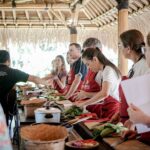
This isn’t a cooking class where you sit at a counter and get a quick demo. You’re welcomed into a traditional Balinese family compound. You’ll likely start with a tour of the home areas and temple spaces, and you’ll get the meaning behind what you’re seeing, not just a photo moment.
A lot of the value here is emotional and practical at the same time. Emotionally, you get that feeling of being invited in, treated like a person, not a ticket number. Practically, you learn the logic behind the cooking. In this household approach, food isn’t separated from daily life. It’s tied to ingredients, seasons, family roles, and belief.
Putu’s sense of humor helps, too. Multiple guests describe her as patient and encouraging, and her English is clear enough to explain what’s happening as you cook. If you want a class where you can ask questions and not worry about slowing anyone down, this is the style.
You can also read our reviews of more private tours in Ubud



What you’ll notice right away
- The home has a temple and distinct household spaces, and you’ll get explanations as you walk through
- The garden and produce are part of the lesson, not a separate add-on
- The cooking station may be more outdoor and simple than a modern culinary school kitchen
That rustic edge is part of the charm. It also means you should dress for warmth, insects, and whatever weather Bali is having that day.
What you actually cook: five Balinese dishes with real technique
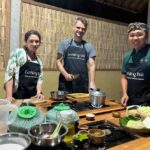
The core of the experience is cooking five authentic Balinese dishes together. You’ll work through chopping and prepping, and you’ll also get chances to do more hands-on technique. Based on menus and what guests describe, you can expect dishes in the neighborhood of grilled fish, banana leaf parcels, and curry-style preparations.
Several guests highlight traditional methods like:
- Rice steamed the Balinese way, using a wood-burning stove
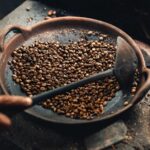
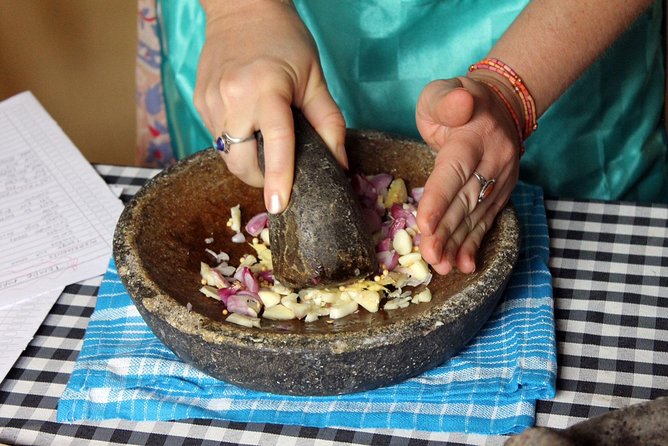
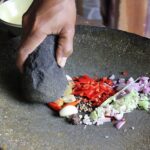
- Ingredients grounded by hand for certain steps
- Chopping on wood blocks using small cleavers
That sounds like a lot of work. It is, but it’s also where the flavors come from. When you grind spices yourself, you smell the oils releasing. When you wrap in banana leaves, you understand why those parcels hold together so well.
Spice control and customizing your meal
You don’t have to be brave with heat. Guests report Putu helps adjust the spice level. That matters because Balinese spice can be intense, and you’ll get better results if the cook understands what you want to taste, not just what a recipe says.
Vegetarian and vegan options do exist
If you’re vegetarian or vegan, tell Putu in advance. The class can adapt, and guests describe making vegan dishes when that’s requested. Still, I’d recommend being specific about dietary limits, since the menu can shift with the season.
You can also read our reviews of more cooking classes in Ubud

The farm-to-fork part: gardens, rice, and what that changes
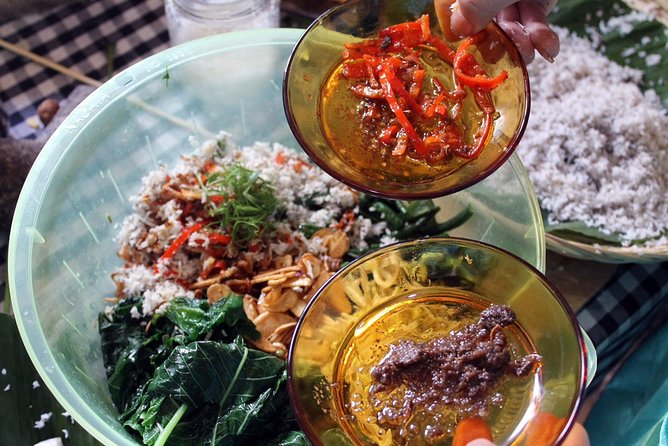
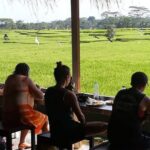
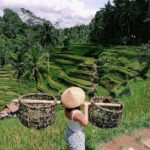
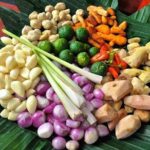
One of the most praised parts of this experience is the link to the land. You’ll tour Putu’s family garden and often see the produce being grown for the meal. Several guests mention things like harvesting fruit from the garden (including mangosteen). You’ll also hear about the grandparents’ rice farming, and you’ll see how that rice ends up on your table.
This isn’t a marketing phrase. It changes how the cooking feels:
- Ingredients taste fresher because they’re not sitting in a supply chain
- You learn why certain spices and aromatics are used when they’re available
- You get a sense of seasonal cooking, which is a big deal in Bali
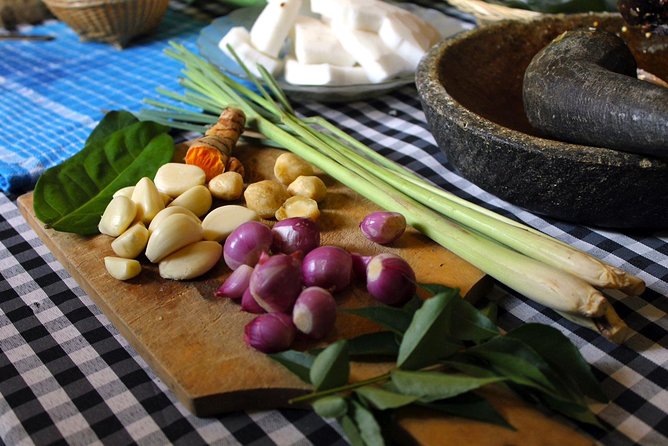
Putu also talks about traditional Balinese ingredients with healing properties and the traditional medicines made in the household. You don’t need to be a wellness person to appreciate this. It’s about how Balinese families understand health, nature, and everyday use of plants.
The meal afterward: a feast, not a snack
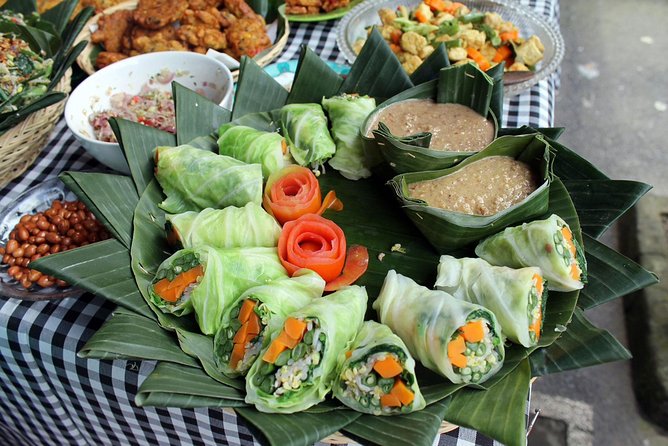
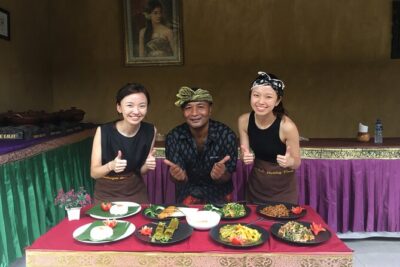
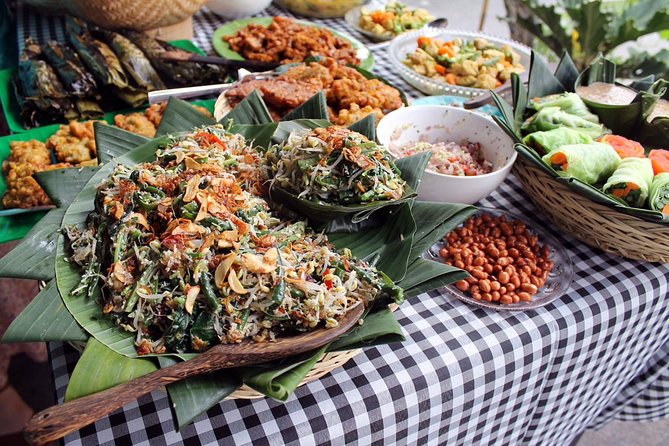
The class ends with you eating everything you cooked. This matters more than it sounds. Many cooking classes around the world teach technique but leave you with a small tasting plate. Here, the goal is a proper Balinese feast.
Guests describe the food as some of the best they ate in Bali. They also talk about leftovers to take away, and in at least one case, food was packed in to-go portions. If you like getting value out of your meal, you’ll appreciate this.
A note on local alcohol
Local alcohol is included, typically described as 1–2 glasses. It’s light by many standards, but it’s still alcohol. If you don’t want it, ask ahead or politely decline on the day.
Do you get recipes to bring home?
Yes. Guests mention receiving a recipe book after the class. That’s a practical bonus because it turns the experience into something you can repeat, not just a memory.
Lunch vs dinner: how to pick what fits your day
You can choose between lunch or dinner classes. That affects your whole schedule.
- For lunch, you’re likely done while the day is still moving, with time to continue exploring central Ubud afterward.
- For dinner, you’ll cook and then eat later, when the light changes and the atmosphere can feel different in the household compound.
One practical detail from guests: the outdoor kitchen area can be well lit at night bookings. Still, if you’re sensitive to insects or darker walkways, consider bringing repellent and planning your comfort.
Getting there in Ubud: pickup and the real travel time
This is a private experience with round-trip transport from Ubud hotel included. If you’re staying outside Ubud, there’s an extra transportation charge.
A big consideration is timing. Even though the cooking portion may be around 1.5 hours, the total experience runs about 3 hours due to pickup, travel, and the meal. Also, some guests note the location is roughly 40 minutes from Ubud center, so plan your day with buffer time if you have other activities.
The private setup
Because it’s private, it’s not a classroom with strangers and a rushed conveyor-belt lesson. Family members can adapt pacing for different cooking skills. Guests mention everything stays well organized and that family members help make sure everyone is involved, including kids.
If you’re traveling with mixed abilities or ages, private is a huge plus.
Price and value: is $75 per person fair?
At $75 per person, this class is not a cheap add-on. But it can feel like a bargain compared to:
- Cooking classes that are purely instructional
- Meal experiences where you pay for food but don’t learn methods
- Tours that don’t include pickup and don’t provide a full feast
Here, you’re paying for a complete package:
- A private, home-based lesson
- Five dishes cooked by you
- A meal that you eat after
- Ubud round-trip transport
- Non-alcoholic drinks
- Local alcohol (typically 1–2 glasses)
Also, gratuities are listed as included. That’s one less variable in your day.
One more value point: the ingredients connection isn’t generic. Many guests highlight the fresh garden produce and homegrown rice. When the experience includes real prep time and real food at the end, the per-person price starts to make more sense.
If you only want a quick tasting and photos, you might find it too involved. If you want to learn how Balinese food is built, it’s a strong value.
Who this class is perfect for (and who should think twice)
This is ideal for:
- Food lovers who want the why behind flavors, not just the how
- Travelers who like cultural context alongside cooking
- Couples and small groups who want a private, family-led experience
- Families across ages (several guests describe involvement for children and adults)
You might think twice if:
- You want a fully modern indoor kitchen experience
- You don’t want alcohol included at all and prefer meals without it
- Your schedule is tight and you can’t spare around 3 hours total including travel
If any dietary restrictions or allergies apply, tell the host during booking. That’s the best way to make sure you can safely and comfortably enjoy the full feast.
Should you book Putu’s Balinese cooking class in Ubud?
If your idea of a great Bali day includes learning spices, cooking the food yourself, and then eating what you made with a family in their home compound, book it. This class is at its best when you show up curious and ready to chop, grind, wrap, and taste your way through Balinese flavors.
If you’re the type who wants a quick checklist tour, go elsewhere. This is slower and more personal. You’ll leave fed, with recipes, and with a clearer picture of how Balinese life connects to what ends up on the table.
FAQ
Is pickup from my Ubud hotel included?
Yes. The experience includes round-trip transport from Ubud hotels.
How long is the cooking class?
The cooking class is about 1.5 hours, and the total experience is listed at about 3 hours including the full flow.
What will we cook during the class?
You’ll prepare five authentic dishes, with menu details varying by season.
Does the class include lunch or dinner?
You can choose lunch or dinner to match your schedule, depending on the booking option you select.
Is the experience private?
Yes. It’s a private experience, and only your group participates.
Are vegetarian or vegan options available?
Yes. Vegetarian and vegan options are available, and you should advise the host during booking.
Is alcohol included?
Local alcohol is included, described as about 1–2 glasses.
What if I have allergies or dietary restrictions?
Advise the host at the time of booking so the menu can be adjusted as needed.
Do I get recipes to take home?
Yes. Guests mention receiving a recipe book after the class.