REVIEW · BALINESE COOKING CLASSES
Balinese Farm Cooking Class by Pemulan Bali
Book on Viator →Operated by Cooking Class Ubud - Pemulan Bali Balinese Farm Cooking School · Bookable on Viator
A market-to-stove morning in Ubud. This Balinese farm cooking class pairs a traditional market with a farm-to-kitchen day you can actually follow. You’ll shop for ingredients, pick produce on-site, and cook in an open-air setting with coffee and tea included.
Two things I really like: first, the market visit that helps you understand what you’re buying and why it matters in local dishes. Second, the hands-on farm setup where you select greens and ingredients before you start cooking, not after.
One consideration: plan for a longer time commitment than you might expect. Even though the activity is listed around five hours, the full experience can run closer to a half-day (and class timing can feel tight if you’re juggling other Ubud plans).
In This Review
- Key things to know before you cook in Ubud
- Market visit in Ubud: where the flavors start
- Organic farm picking and the open-air kitchen setup
- Cooking six Balinese dishes with chef guidance
- What you eat, what you take home, and why it’s practical
- Price and value: is $39.71 a good deal?
- Timing in Ubud: morning, afternoon, or evening
- Where you’ll meet and how to plan your pickup
- Practical tips to get the most from your farm cooking class
- Who should book this class (and who might skip it)
- Should you book Pemulan Bali Farm Cooking Class in Ubud?
- FAQ
- FAQ
- How long is the Balinese Farm Cooking Class by Pemulan Bali?
- Is pickup included, and where does it start?
- Which class time includes the market visit?
- How many dishes will I cook?
- What’s included besides the cooking?
- How large are the groups?
- What happens if the weather is bad or you need to cancel?
Key things to know before you cook in Ubud
- Market-first learning: the morning option includes a traditional market stop with fruit and local treats to sample
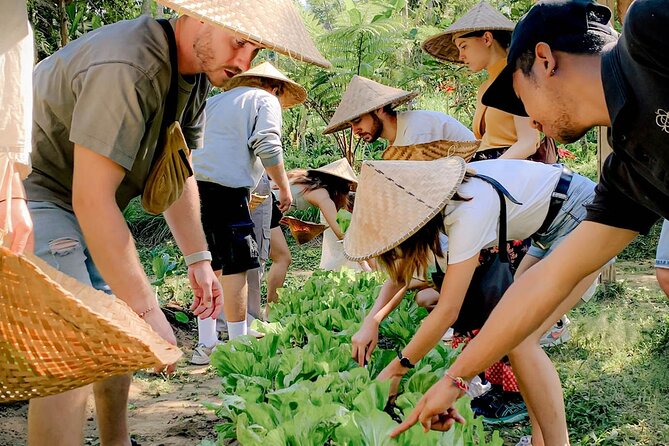
- Pick-your-own produce: you hand-pick ingredients at an organic farm before cooking
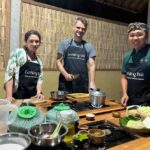
- Open-air, countryside kitchen: cook outdoors in a calm Balinese setting guided by chefs
- Six dishes, shared meal: you prepare multiple authentic Balinese dishes and eat what you make together
- Small group feel: maximum of 20 travelers, so it’s not a giant food-factory setup
- Take-home recipes and leftovers: you don’t leave empty-handed (or empty-bellied)
Market visit in Ubud: where the flavors start
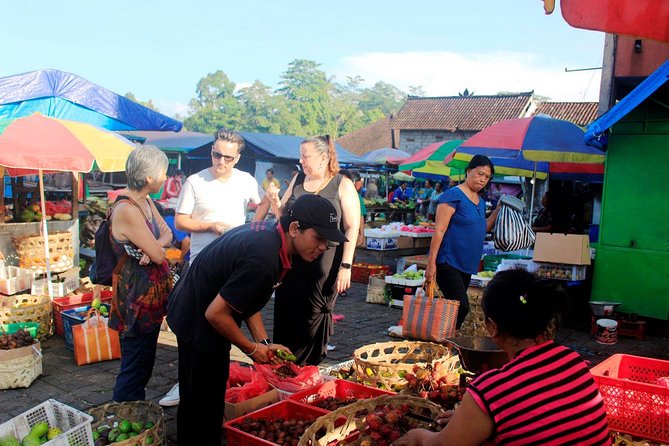
If you want to get more out of a cooking class than just recipes, start with the ingredients. In the morning class, you begin with pickup in central Ubud and head to a traditional market. This part is practical, not just sightseeing: you explore local produce and learn which items show up again and again in Balinese cooking.
You also get a chance to sample fresh fruit and small treats. That sounds simple, but it’s a useful way to connect taste to cooking. When you later mix ingredients at the farm kitchen, you’re not working from vague ideas—you have already seen what fresh items look like and how they taste on their own.
Tip for making this part worth it: pay attention to how foods are grouped and named in everyday market use. Even if you don’t remember everything, noticing what’s considered normal everyday produce helps you understand the logic behind many Balinese dishes.
You can also read our reviews of more cooking classes in Ubud

Organic farm picking and the open-air kitchen setup
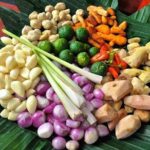
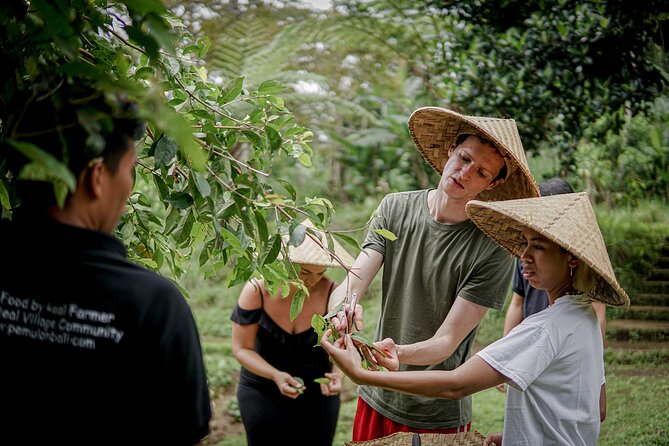
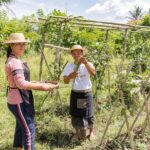
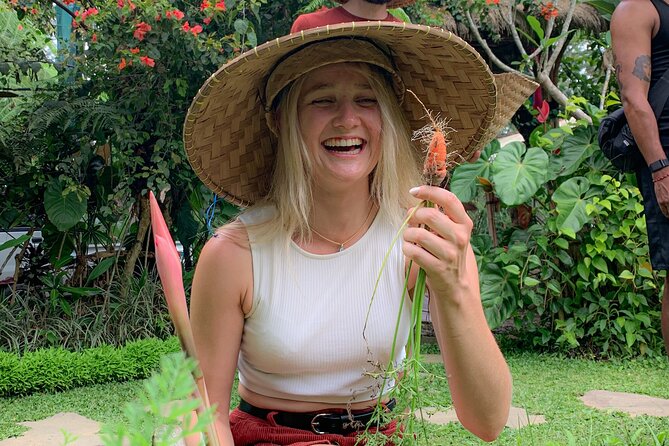
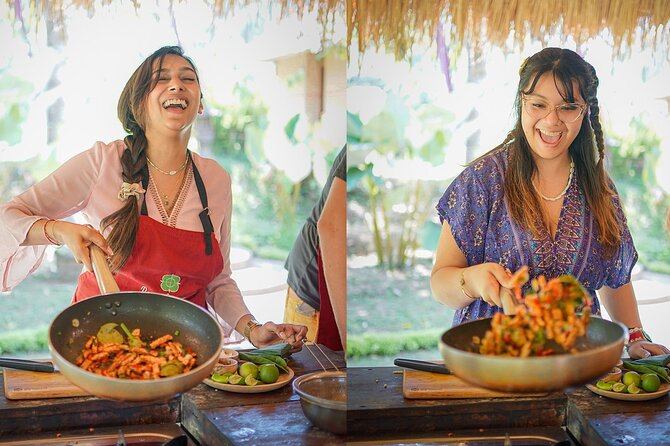
After the market, the day shifts to the farm. You’ll visit an organic farm and hand-pick produce, walking through the garden and learning about Balinese spices and plants that show up in daily cooking. This is where the class feels most “farm-to-table,” because you’re choosing ingredients with your own hands.
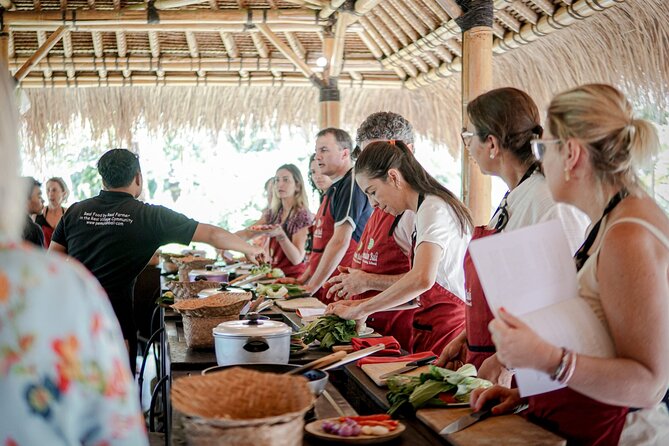
The farm kitchen is open-air, surrounded by peaceful countryside scenery. That matters more than it sounds, especially in Ubud. A cooking class can either feel like a crowded workshop or a relaxed food day. Here, the setting is clearly meant to keep you comfortable while you cook and ask questions.
The class format also keeps things manageable: the group is capped at 20 travelers. That size is big enough to meet other people, but small enough that chefs can still coach you through technique.
Cooking six Balinese dishes with chef guidance
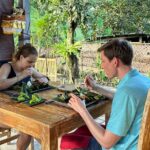
Once you’re in the kitchen, you’ll cook multiple dishes—six in total—and then enjoy the meal together. The focus is authentic Balinese cuisine, and the class also references Indonesian dishes as part of what you’ll make, so expect flavor profiles that feel local and familiar to the region rather than “internationally simplified.”
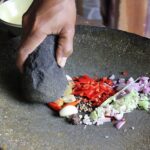
What’s especially helpful is the structure: you’re not just “watch then copy.” The experience is hands-on, and the chefs guide you through what makes each recipe work. That means you’re learning the practical mechanics: ingredient combinations, timing, and how to build flavor instead of following a list like a robot.
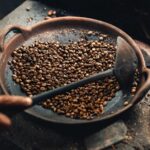
You’ll also have coffee and tea with your meal. It’s a nice touch because it turns the cooking into a full food experience, not just a workshop you leave right after plating.
A realistic expectation: if you’re hoping for a perfectly hands-on role in every step, keep your energy up and don’t be shy about asking what to do next. With six dishes, there’s a rhythm to the day, and checking in with your chef can help you stay involved rather than passively waiting between stations.
What you eat, what you take home, and why it’s practical
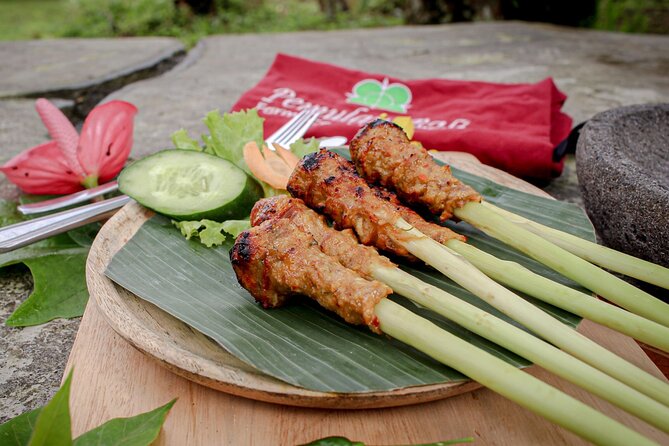
The big reward is that you eat what you cook. This isn’t always guaranteed in cooking classes, but here the day is set up around preparing and then sharing the meal together afterward.
You’ll also take home recipes and leftovers. That part is key for value. Cooking classes can be fun in the moment, but they often turn into a photo set and a memory you can’t quite recreate. Recipes (plus leftovers) make it easier to recreate the dishes back in your kitchen, and leftovers help you avoid the immediate next-meal decision in Ubud.
The class is also built around coffee and tea, so you’re not guessing what to pair your meal with. If you’re the type who likes a complete, satisfying food experience, this format fits.
Price and value: is $39.71 a good deal?
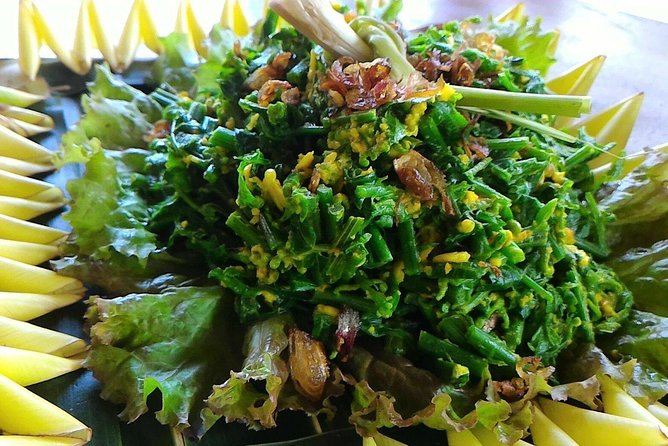
At about $39.71 per person, this class lands in the “serious value” category for Ubud, mainly because it bundles more than cooking. You’re getting:
- pickup from central Ubud
- a traditional market visit (morning option)
- an organic farm produce-picking experience
- a coached cooking session for multiple dishes
- coffee and tea with your meal
- recipes and leftovers to take home
When you price cooking alone, it often covers instruction and eating what you make. Here, the ingredient education (market + farm picking) is a major part of the product. That’s what you’ll feel most when you cook later: you can connect ingredients to flavor because you saw and selected them first.
There’s also mention of group discounts, which can make this even better if you’re traveling with friends or a small group.
You can also read our reviews of more tours and experiences in Ubud
Timing in Ubud: morning, afternoon, or evening
The schedule lists three start times: 07:30 AM, 12:30 PM, and 16:00 PM. The morning class is the one that includes the market visit. If the market stop is part of why you want this class—so you can learn ingredients and sample fruit and treats—choose the morning slot.
For afternoon or evening starts, you should still expect the farm and cooking elements, but the guaranteed market piece is specifically tied to the morning class in the information provided. Since you want to avoid surprises, it’s worth checking the exact inclusions for your chosen time.
Also, good weather is required. Because the experience includes outdoor components (including open-air cooking and a farm visit), plan your day with at least some flexibility. Ubud’s schedule can shift quickly when the sky changes.
Where you’ll meet and how to plan your pickup
Pickup is provided from a central meeting point in Ubud, and the class ends back at the same meeting spot. The listed starting point is Pura Dalem Puri Peliatan (with the nearby area reference on Jl. Raya Ubud, Tebesaya, Petulu).
Why this matters for your planning: it makes the class easier to integrate with a Ubud itinerary. You’re not trying to coordinate a separate drop-off, and you don’t have to spend extra time figuring out transport mid-meal.
Since the experience is near public transportation and allows service animals, it’s also designed with practical access in mind.
Practical tips to get the most from your farm cooking class
A few simple choices can make the day smoother:
- Wear closed-toe shoes you don’t mind getting a little dirty. You’ll be in a garden and handling produce.
- Bring a light layer. Open-air kitchens can feel cooler in the morning or at later start times.
- Expect a real half-day pace. Even when the activity is listed around five hours, your day still needs breathing room for pickup, market time (morning), farm picking, cooking, and eating.
- Ask questions early. In ingredient-heavy cooking, small clarifications help a lot later when you’re building flavor.
If you’re the kind of person who likes to eat well and learn something you can use again, this format supports both.
Who should book this class (and who might skip it)
This is a great fit if you want a hands-on cooking day with an ingredient education component. You’ll especially like it if you enjoy food that feels local and you care about where ingredients come from.
You might want to think twice if your schedule is extremely tight. Between the pickup, the farm time, and the multi-dish cooking and meal, you need time to enjoy it rather than treat it like a rushed checkbox.
Should you book Pemulan Bali Farm Cooking Class in Ubud?
Book it if your dream Bali day includes more than just tasting food—you want to understand ingredients, pick them yourself, and cook with guided technique. The combination of a morning market visit, organic farm produce picking, and a coached open-air cooking session for six dishes is the kind of value that pays off later when you can use the recipes at home.
Skip or reconsider if you’re traveling with an inflexible schedule or you dislike outdoor, weather-dependent plans. With open-air cooking and a farm setting, you’re signing up for a real-world environment, not a climate-controlled studio.
FAQ
FAQ
How long is the Balinese Farm Cooking Class by Pemulan Bali?
The class is listed as lasting about 5 hours.
Is pickup included, and where does it start?
Yes. You get free pickup from a central meeting point in Ubud (Pura Dalem Puri Peliatan area). The activity ends back at the same meeting point.
Which class time includes the market visit?
The morning class includes a market visit in Ubud, with sampling of fresh fruits and local treats.
How many dishes will I cook?
You’ll prepare and enjoy six different authentic Balinese dishes.
What’s included besides the cooking?
The experience includes coffee and tea, recipes, and you get to enjoy the meal together. You also take home recipes and leftovers.
How large are the groups?
The experience has a maximum of 20 travelers.
What happens if the weather is bad or you need to cancel?
The class requires good weather. If it’s canceled due to poor weather, you’ll be offered a different date or a full refund. For cancellations, you can cancel up to 24 hours in advance for a full refund.