REVIEW · BALINESE COOKING CLASSES
Ubud Cooking Class Bali with Balinese Chef
Book on Viator →Operated by Bali Cooking Class Ubud · Bookable on Viator
Cooking in Ubud beats guessing with recipes. This is a hands-on class run in English with a Balinese chef, plus a quick traditional market stroll that gives your meal context before you cook. You work at your own station, make the sauces and dishes yourself, then eat what you made for lunch or dinner.
I especially like that the market stop is built in for morning trips and that the day stays very practical, from picking ingredients to cooking step by step. Your biggest watch-out is location: pickup and return are included only for Ubud center in the morning, while other areas may cost extra for the transfer.
In This Review
- Key things I’d circle on your plan
- Ubud Cooking Class with a Market Stop: Why this is worth your time
- Getting picked up and where to meet
- The morning Traditional Art Market stop (30 minutes)
- Ketuts Bali Cooking Class: your station, your pace
- The menu: what you cook in vegetarian or non-vegetarian mode
- Vegetarian menu dishes (what you’ll cook)
- Non-vegetarian menu dishes (what you’ll cook)
- Peanut sauce and bumbu bali: the flavor backbone
- Pepes in banana leaf and grilled fish or mushroom
- The part that turns learning into a real meal
- Time expectations: roughly 4 hours total
- Price and value: why $35.79 can make sense
- Group size: small enough to feel guided
- Transfers and mobile tickets: small logistics that matter
- Vegetarian vs non-veg: pick what keeps you comfortable
- Tips to get more out of the class
- Should you book Ubud Cooking Class Bali with a Balinese Chef?
- FAQ
- Is the cooking class taught in English?
- Does the experience include hotel pickup and drop-off?
- Do I choose vegetarian or non-vegetarian dishes?
- What dishes will I cook?
- Is there a market visit included?
- What’s included in the price besides the cooking?
- What happens if weather is poor?
Key things I’d circle on your plan
- English-led, you cook everything yourself at your own station, utensils and cooking tools provided
- Traditional Art Market stop for morning departures with admission included
- Two menu modes: vegetarian or non-vegetarian, both ending with dessert
- Large-value meal: you taste the dishes you make, as lunch or dinner
- Small-group feel with a maximum of 24 people
Ubud Cooking Class with a Market Stop: Why this is worth your time
Ubud is full of things to do, but the best ones help you do something—not just watch. This class is built around that idea: you learn by making. You’ll handle the ingredients, mix the spices, cook the dishes, and then sit down with your finished food.
The market portion adds a nice extra layer. You get a short look at everyday local shopping before the kitchen work starts. Even if you only have 30 minutes there, it’s enough time to understand how ingredients show up in real Balinese cooking.
You can also read our reviews of more cooking classes in Ubud

Getting picked up and where to meet
For the morning class, pickup happens from hotels in Ubud center. Return transfer is included only for Ubud central areas, and it’s done by sharing car. If your hotel is outside that zone, you should expect an extra charge for pickup for the cooking class portion (up to IDR 600K/car is noted for other areas).
If you’re doing the afternoon option, the meeting point shifts. You’ll meet at 2:30pm in front of Lapangan Desa Ubud, which is listed as the pick up point for that session.
This matters because Ubud traffic can eat time. If your hotel is outside central Ubud, confirm your exact pickup details early so you’re not stuck coordinating at the last minute.
The morning Traditional Art Market stop (30 minutes)
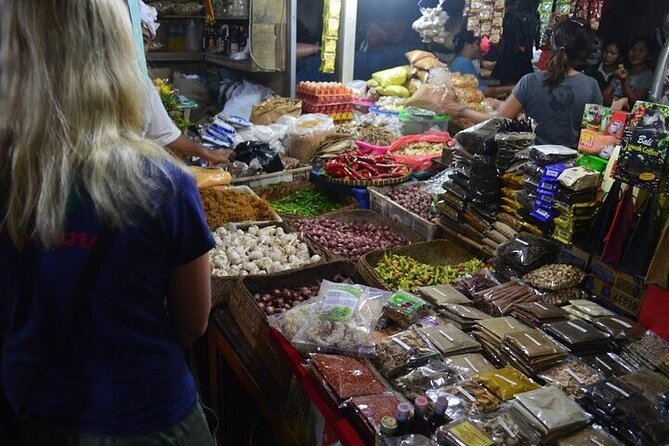
For morning departures, the plan includes a visit to the Ubud Traditional Art Market. It’s short—about 30 minutes—but it’s focused. Admission is included, and you can use the time to get your bearings, then connect what you’re seeing to what you’ll cook later.
One practical note: personal expenses at the market aren’t included. If you want souvenirs or extra snacks, carry some cash. If you’re only browsing for inspiration, you can keep it simple and treat it like a quick scouting lap.
Ketuts Bali Cooking Class: your station, your pace
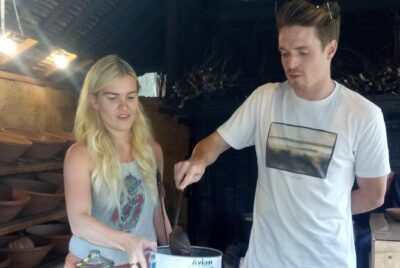
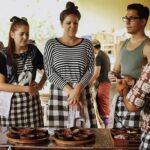
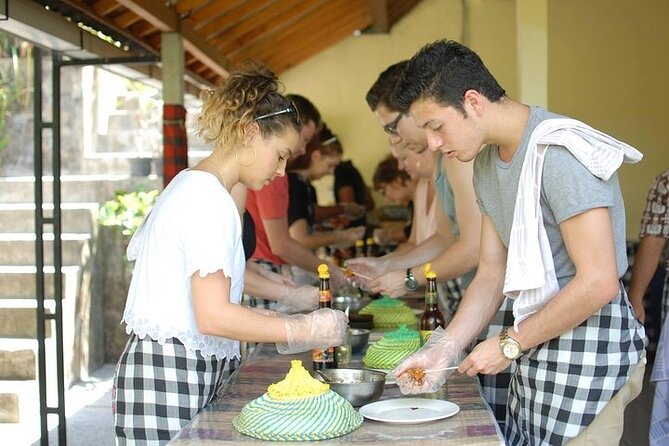
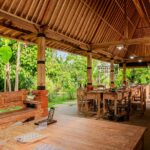
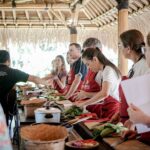
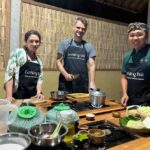
The cooking portion happens at Ketuts Bali Cooking Class. The structure is hands-on and step-by-step, led by an English-speaking local chef.
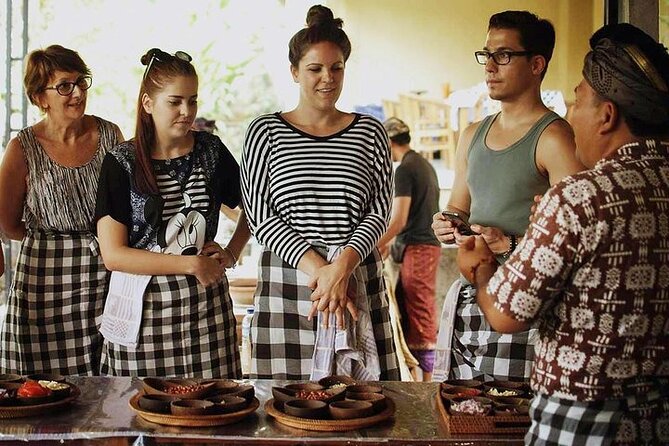
What I like about this setup is that it’s not a “watch the instructor once” format. You’re provided your own cooking station and utensils. You work through the recipes yourself, so the learning sticks in your hands, not just in your notes.
The class length is about 3 hours 30 minutes, and that makes it long enough to actually get comfortable with a few key techniques (mixing spice pastes, cooking curry-style dishes, grilling or wrapping methods, frying noodles) instead of doing only one recipe.
The menu: what you cook in vegetarian or non-vegetarian mode
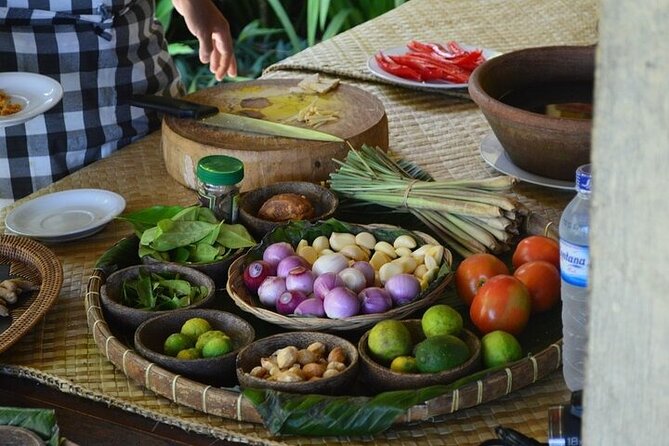
You choose between vegetarian and non-vegetarian menus. Both options include a peanut sauce base, Balinese spice paste, several savory dishes, and a dessert: KOLAK PISANG (braised banana saba in palm sugar gravy).
You can also read our reviews of more tours and experiences in Ubud

Vegetarian menu dishes (what you’ll cook)
Expect your vegetarian class to include:
- Sauce Kacang (peanut sauce)
- Bumbu Bali (Balinese spice paste)
- Kare Sayur (vegetable curry)
- Tempe, tofu and vegetable Sate (vegetable sate with peanut sauce)
- Pepes Mushroom (grilled mushroom in banana leaf)
- Mie Goreng (fried noodles)
- Dessert: Kolak Pisang
Non-vegetarian menu dishes (what you’ll cook)
The non-veg option swaps in meat and fish items:
- Sauce Kacang (peanut sauce)
- Bumbu Bali (Balinese spice paste)
- Ayam Bumbu Bali (Balinese fried chicken)
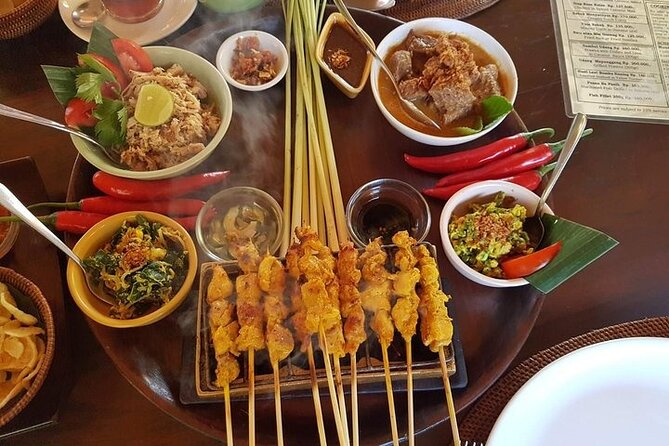
- Sate Ayam Sauce Kacang (chicken sate with peanut sauce)
- Pepes Ikan (grilled fish in banana leaf)
- Mie Goreng (fried noodles)
- Dessert: Kolak Pisang
Two things to keep in mind. First, you’re not just cooking final dishes—you’re also building foundations like the peanut sauce and the bumbu bali spice paste. Second, the menu is designed to create a full meal, not random samples.
Peanut sauce and bumbu bali: the flavor backbone
If you want the “secret” to Balinese flavor, it’s in the repeated building blocks. Your class revolves around Sauce Kacang and Bumbu Bali. Once you see how these are used across multiple dishes, you start to recognize the logic behind the cuisine.
In a lot of cooking classes, sauce is treated like a side note. Here, it’s central. Peanut sauce shows up with satay and also supports the way dishes feel rich and savory without being complicated.
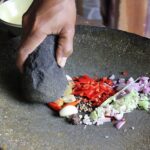
Bumbu Bali is your spice paste. Learning how it’s made (and then using it in chicken and curry-style cooking) is what turns you from someone following a recipe into someone who can adjust flavors later at home.
Pepes in banana leaf and grilled fish or mushroom
One of the more memorable techniques in the menu is pepes: mushroom or fish cooked using banana leaf. The banana leaf method changes the aroma and keeps food moist while it cooks. Even when you don’t have banana leaf at home, learning the method helps you understand how wrapping and steaming/grilling effects translate.
This also gives you variety in the skills you take home. Between curry-style cooking, frying noodles, making satay, and then pepes, you’ll leave with more than one “I can do this later” win.
The part that turns learning into a real meal
After you cook, you taste what you prepared for lunch or dinner. That’s a big deal. Food you sample right away is different from food you imagine. You’ll understand seasoning levels, texture, and how the sauces actually behave in the dish.
Also, sitting together in the dining setting makes it feel like a full experience, not just a cooking workshop. And if you’re traveling solo, group meals are one of the easiest ways to break the social ice in Ubud without forcing it.
Time expectations: roughly 4 hours total
The full experience is about 4 hours. Between pickup, the market stop (for morning trips), and the cooking segment, the schedule stays tight enough that you won’t waste your morning or afternoon.
Since weather can affect plans (it’s listed as something the experience requires good weather), build in a little flexibility. If clouds roll in, keep your plans around Ubud calm and adaptable rather than cramming back-to-back activities.
Price and value: why $35.79 can make sense
At $35.79 per person, the price looks reasonable once you break down what’s included:
- English-speaking local chef
- Traditional market tour for morning trips (admission included)
- Welcome drink and mineral water
- Cooking ware and cooking ingredients
- Cooking for 7 dishes (vegetarian or non-vegetarian menu)
- Lunch or dinner: you taste what you make
- Return hotel transfer in Ubud center for morning class (sharing car)
- Group discounts (when applicable)
You’re basically paying for ingredients, instruction, tools, and the meal in one package. In Ubud, that matters because buying ingredients separately and arranging a cooking setup can quickly cost more than you expect.
If you’re comparing, don’t just look at the headline price. Consider what you’re getting: a market primer, a multi-dish cooking session, and a sit-down meal in one pass.
Group size: small enough to feel guided
This activity caps at 24 travelers. That’s a sweet spot for a cooking class. It’s large enough that you’ll probably meet new people, but small enough that there’s support while you work at your station.
That helps with confidence. When you’re slicing, stirring spice pastes, or timing frying, you don’t want a class where you’re stuck without help. The overall setup is designed so you can keep moving, not stop and wait.
Transfers and mobile tickets: small logistics that matter
You get a mobile ticket, and confirmation is received at the time of booking. That’s useful in Ubud, where you don’t want to scramble for paper vouchers.
Do double-check your pickup details for your exact Ubud area. The listing notes that return transfer for morning is limited to Ubud center, and pickup from other areas for the cooking class portion can have an added car cost.
Vegetarian vs non-veg: pick what keeps you comfortable
Both menus include dessert and core flavor building blocks. If you’re vegetarian, you still get a full spread with kare sayur, satay-style skewers, pepes mushroom, fried noodles, and Kolak Pisang.
If you prefer non-veg, the menu includes Balinese fried chicken and grilled fish wrapped for pepes. Either way, the class is structured around cooking multiple dishes, so you’ll get plenty of practice rather than one-off cooking.
Tips to get more out of the class
You’ll enjoy this more if you show up with an open mind and a simple strategy: take mental notes on the methods, not just the final dish names.
A few practical pointers:
- Ask how the peanut sauce and bumbu bali are adjusted for flavor, since those show up across multiple dishes.
- Don’t rush tasting. The meal is part of the lesson, so notice texture and seasoning.
- Wear comfy clothes you can get a little sticky in. You’ll be working with ingredients and cooking surfaces.
Also, instructors can be a big part of the energy. Some classes in this style credit a lead chef named Made for keeping things fun while still guiding you step by step.
Should you book Ubud Cooking Class Bali with a Balinese Chef?
If you want a real cooking skill, not just a short food experience, I think this is a strong choice. It’s hands-on, structured around core Balinese flavor building blocks, and you eat what you cook right after.
Book it if:
- You like cooking and want to learn techniques you can repeat
- You want either vegetarian or non-veg options with a full meal
- You’d enjoy a short market introduction before the kitchen work
Skip it or double-check details if:
- Your hotel is outside Ubud center and you’d rather avoid transfer add-ons
- You can’t be flexible about timing due to weather (good weather is required)
In Ubud, this is one of those activities that feels like it gives you something to take home: not just photos, but a working understanding of how the food is built.
FAQ
Is the cooking class taught in English?
Yes. The class is conducted in English with an English-speaking local chef.
Does the experience include hotel pickup and drop-off?
Morning trips include return hotel transfer in Ubud central only (sharing car). If you’re in another area, pickup for the cooking class portion may cost extra (up to IDR 600K/car is noted). Afternoon has a meeting point at 2:30pm in front of Lapangan Desa Ubud.
Do I choose vegetarian or non-vegetarian dishes?
Yes. You can do either a vegetarian menu or a non-vegetarian menu. Both include Sauce Kacang, Bumbu Bali, and Kolak Pisang dessert, with the main savory dishes differing by option.
What dishes will I cook?
You cook 7 dishes total based on the menu you choose. Vegetarian includes Kare Sayur, vegetable sate, pepes mushroom, and mie goreng, plus peanut sauce, spice paste, and Kolak Pisang. Non-vegetarian includes Ayam Bumbu Bali, chicken sate with peanut sauce, pepes ikan, and mie goreng, plus peanut sauce, spice paste, and Kolak Pisang.
Is there a market visit included?
For morning trips only, there is a Traditional Art Market stop (about 30 minutes). Admission is included, but personal expenses are not.
What’s included in the price besides the cooking?
Included are welcome drink/mineral water, cooking ware, cooking ingredients, the chef, and tasting your lunch or dinner. Group discounts may apply, and a mobile ticket is provided.
What happens if weather is poor?
The experience requires good weather. If it’s canceled due to poor weather, you’ll be offered a different date or a full refund.