REVIEW · BALINESE COOKING CLASSES
Balinese Authentic Cooking Class in Ubud
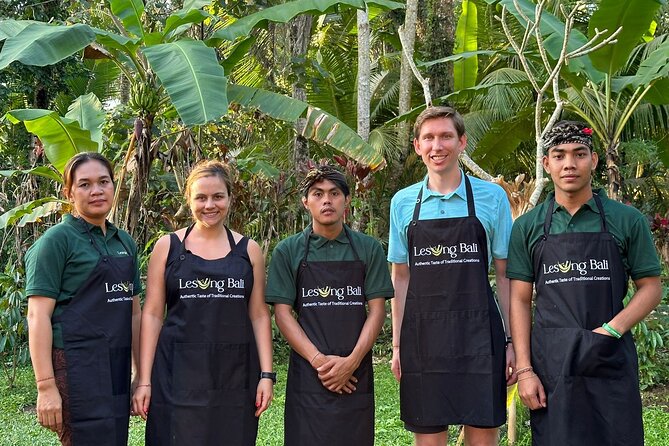
Book on Viator →Operated by Lesung Bali · Bookable on Viator
Food and culture in one afternoon. That’s the deal with this small-group Balinese cooking class in Ubud, run by Lesung Bali, where you go beyond the cutting board and see how food fits into daily Balinese life. I especially like the small-group size (max 15), which makes it easier to get help, and I also like that your menu can be regular, vegetarian, or vegan. One thing to consider: the traditional market visit is morning class only, so if you book afternoon or evening, you’ll start elsewhere in the itinerary.
The flow is built around a simple idea: taste the ingredients first, then learn the techniques that create those flavors. You’ll visit a local house and then a farm, including spice harvesting, before you start cooking with a mortar and pestle called Lesung. The only potential drawback is that some parts of the cooking process can feel a bit fast depending on the instructor and your menu pace, so don’t expect a totally slow, step-by-step cooking lesson for every single micro-step.
In This Review
- Key Highlights Worth Knowing
- A Half-Day Food-and-Culture Route in West Ubud
- Morning Market Tour and Spice Shopping You Can Actually Use
- Balinese House Visit: Family Compounds and Everyday Life
- Farm Harvest and the Lesung Mortar-and-Pestle Technique
- Hands-On Cooking: Choosing Your Menu and Learning the Steps
- What You Eat After Cooking: More Than a Snack
- Vegetarian and Vegan Menus That Don’t Feel Like a Compromise
- Price and Transfers: The Real Value in Getting Out of the Middle
- Small-Group Attention: Why Names Like Ron and Putri Matter
- Who Should Book This Class in Ubud
- Practical Tips So Your Day Runs Smoothly
- Should You Book This Balinese Cooking Class?
- FAQ
- What is the duration of the Balinese cooking class in Ubud?
- Where does the class take place?
- Is pickup included?
- Do I get to visit a market?
- What diet options are available?
- What cooking techniques will we learn?
- Is weather required for the activity?
Key Highlights Worth Knowing
- Market-first mornings: see ingredients and buy spices during the morning option only
- Family compound house visit: learn how Balinese homes and daily routines are arranged
- Farm harvest time: pick spices and use fresh ingredients you helped gather
- Lesung spice grinding: the classic mortar-and-pestle technique for Balinese cooking
- Real dietary options: regular, vegetarian, and vegan menus are available
- Ubud-focused transfers: free shuttle within Ubud, with clear extra fees outside it
A Half-Day Food-and-Culture Route in West Ubud
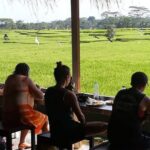
This class runs about five hours and is based on a countryside-style setting on the west side of Ubud—green, quiet, and a nice change from the center of town. You’re not just learning recipes. You’re getting the why behind the flavors by seeing where ingredients come from and how people live around them.
The group stays intentionally small (up to 15), which matters more than it sounds. In busy Ubud day tours, it’s easy to feel like a passenger. Here, you’re more likely to get hands-on help and clear answers while you cook.
You can also read our reviews of more cooking classes in Ubud


Morning Market Tour and Spice Shopping You Can Actually Use
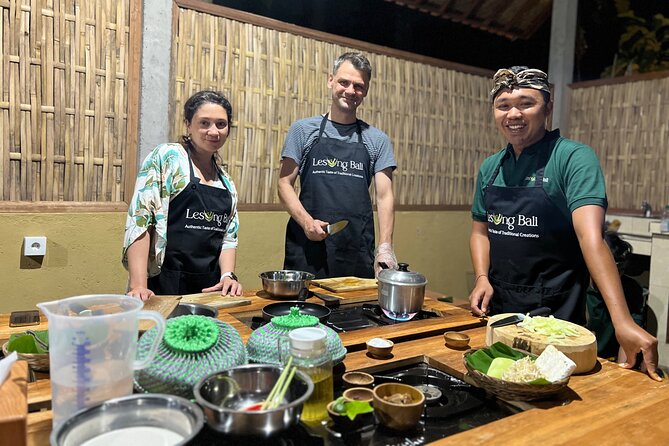
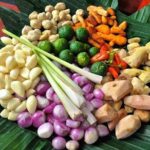
If you choose the morning class, your day starts with a traditional market visit. You’ll walk through local ingredients and learn how key spices and produce show up in Balinese cooking, then buy spices from the local market as part of the experience.
Why this is valuable: market familiarity makes the later cooking session much easier. When you’ve already seen the ingredient in context—its shape, name, and how it’s used—you don’t just follow steps, you start to understand the flavor logic.
A practical note: if you want this market stop, pick the morning option. Afternoon and evening classes won’t include the market visit as described.
Balinese House Visit: Family Compounds and Everyday Life
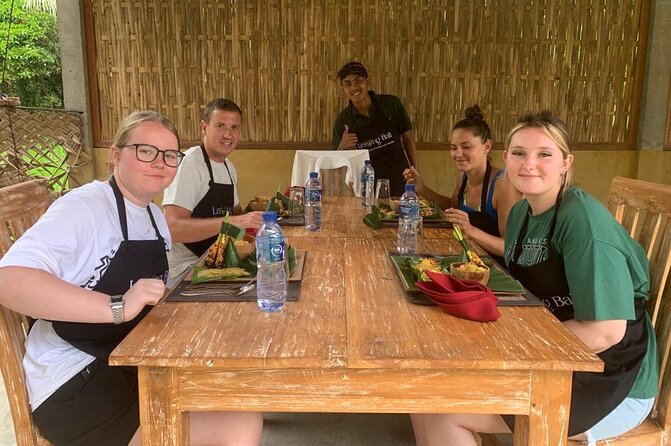
Next comes a visit to a local Balinese house, where you get a look at Balinese culture and lifestyle and how the place is laid out. You also spend time with coffee and tea during this part, plus snacks, which helps reset you before the farm segment.
From the cooking experience perspective, the house visit is more than sightseeing. It frames food as part of routine—how families live, how spaces work, and how daily life connects to ceremonies and meals. Several instructors are known for making this portion feel relaxed and story-led, not like a rushed lecture.
If you’re hoping to see detailed interior spaces, keep your expectations realistic: what you get can vary, since the focus is on learning about the home and compound layout rather than a full house tour checklist.
Farm Harvest and the Lesung Mortar-and-Pestle Technique
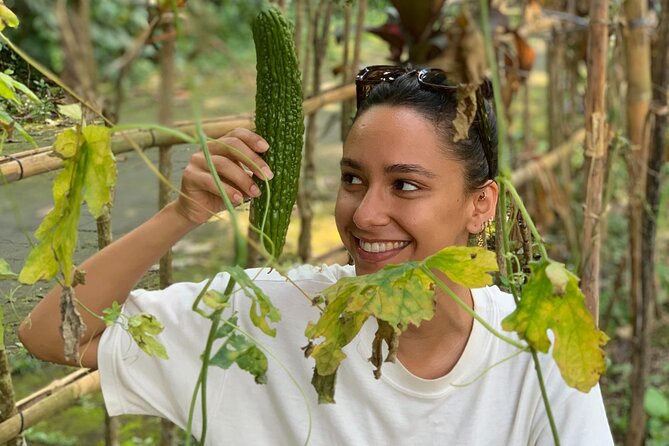
After the house visit, you head to the farm. First you choose (or confirm) your menu, then you explore the farm and harvest spices that will be used in the class.
This matters for two reasons. One, you get fresher ingredients. Two, you build a stronger memory of the flavors because you gathered the basics yourself. That turns “recipe learning” into “flavor learning,” which is what you want if you’re bringing something home to cook later.
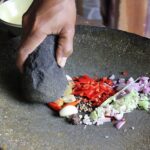
Then comes the signature technique: chopping and pounding spices using the Lesung (mortar and pestle). This is where many people notice the class feels authentic. Balinese spice work is physical and fragrant—grinding is part of the culinary process, not a gimmick.
Hands-On Cooking: Choosing Your Menu and Learning the Steps
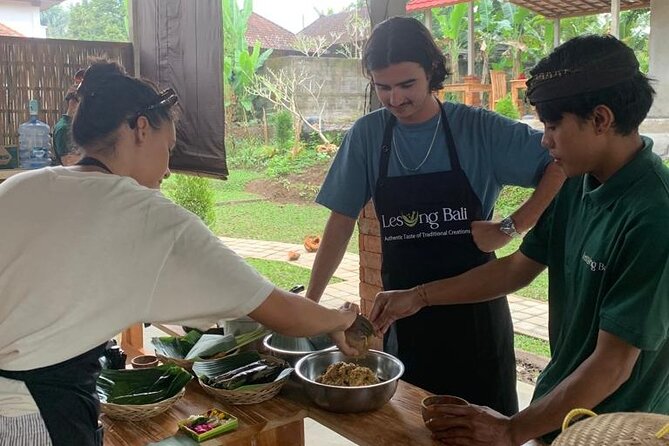
Once you start cooking, you follow an instructor-guided process tied to your selected menu. The class structure is designed so you learn techniques you can repeat later: chopping, pounding spice mixes, and then cooking with the right ingredient quantities and supporting components for your specific dishes.
Most menus are built around multiple dishes, and many classes in this style end up around six dishes plus dessert, depending on the menu option you pick. You’ll also see the group cooking in a way that makes it easier to ask questions while you’re actively working.
You’ll likely get lots of help, but pay attention to how your particular instructor runs the timing. One review experience noted feeling slightly rushed and that small spices were added without much explanation at one moment. If you want slow-and-steady pacing, ask questions early and don’t be shy about checking what an ingredient is before it goes in.
You can also read our reviews of more tours and experiences in Ubud


What You Eat After Cooking: More Than a Snack
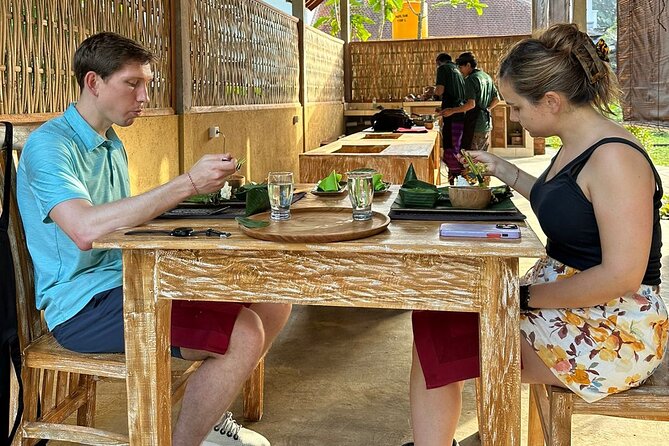
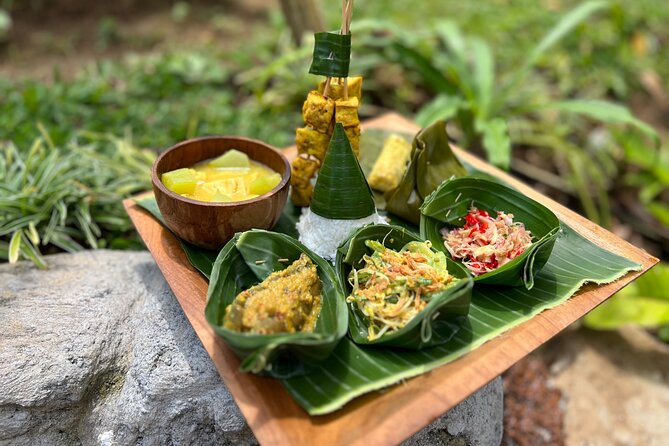
You don’t just cook and walk away. The class includes eating what you make, and portions tend to be substantial. Many people leave full and satisfied—this is not the kind of cooking class where you “taste” two bites and call it a day.
You can also expect coffee or tea during the earlier segments, and there’s a Balinese cake included. That small dessert add-on can be a relief because you’ve worked for your meal.
The best advice here is simple: come hungry. Even if you’re not a confident cook, the meal results are usually the point, and you’ll have enough food to feel like you truly did a full half-day experience.
Vegetarian and Vegan Menus That Don’t Feel Like a Compromise
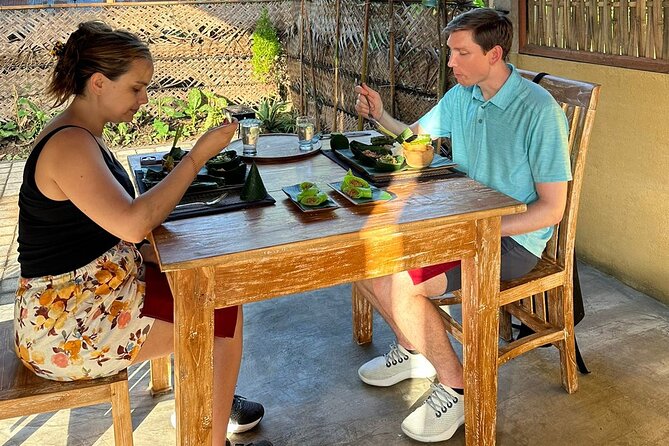
This is one of the standout features for me when I look at value for different diets. You can choose regular, vegetarian, or vegan options, and the class is set up to support those menu choices rather than treating dietary needs as a last-minute substitution.
In practical terms, this helps you avoid the “special meal” problem where cooking still revolves around non-veg dishes. Instead, you learn the techniques for the menu you’re actually making.
If you’re vegan or vegetarian, I’d recommend using your booking note to clearly state it and then double-check with your guide at the start of the class so your ingredient list and spice mixes match your menu choice.
Price and Transfers: The Real Value in Getting Out of the Middle
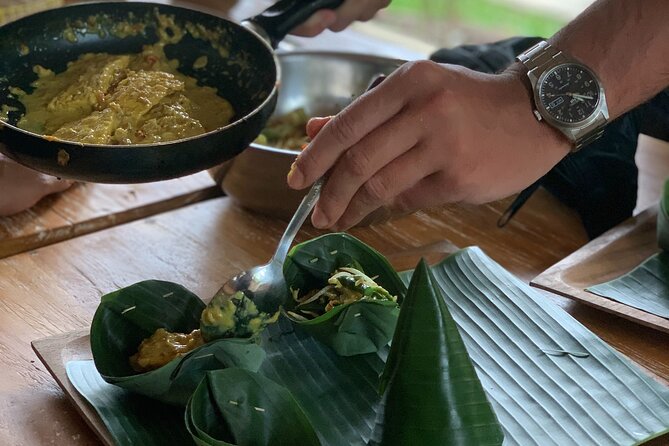
At $39.71 per person for about five hours, this class is priced like an all-in half-day activity, especially when you compare it to solo dining plus a market tour plus a farm visit. The price includes a lot of the “costs you don’t think about” such as mineral water, coffee and/or tea, and all fees and taxes.
Transfers are also part of the deal. You get an air-conditioned vehicle, plus a free shuttle service within the Ubud area. If you’re staying outside Ubud, you’ll need to budget extra transportation costs by area (the listed prices are specifically for Nusa Dua/Jimbaran, Uluwatu, and Kuta/Seminyak/Sanur/Canggu).
This is where logistics can make or break the experience. If you’re in central Ubud, you’ll likely feel the trip as easy and smooth. If you’re further out, the extra transport fee can matter, so factor it into your total budget before you commit.
Also keep in mind: the class requires good weather. If weather turns poor, you’ll be offered another date or a full refund, so you won’t be stuck.
Small-Group Attention: Why Names Like Ron and Putri Matter
The biggest reason people get excited about this experience isn’t just the cooking. It’s the teaching style. Several instructors are specifically praised for being patient, funny, and clear, including names like Putri, Ron, Don, Gustie, and Begul.
Here’s what you can take from that, even before you book:
- You’re likely to get hands-on help when you’re cutting, pounding, and cooking.
- You can ask questions during the process instead of waiting until the end.
- The class tends to include culture explanations, not just recipe instructions.
If you’re the kind of person who learns by doing (and asking), this format should fit you well.
Who Should Book This Class in Ubud
This is a great fit if you want a half-day activity that mixes culture, ingredients, and practical cooking. It’s also strong for people who like structure but still want a little freedom—especially since you can choose morning, afternoon, or evening.
It’s especially worth considering if:
- You’re short on time in Ubud but want more than a single museum or market stop.
- You want to learn spice grinding techniques and Balinese cooking methods you can replicate.
- You need a class with vegetarian and vegan options.
It may be less ideal if:
- You’re only interested in the market and aren’t booking a morning slot.
- You prefer very slow, fully unhurried cooking instruction for every step.
Practical Tips So Your Day Runs Smoothly
A few things will help you get the most out of the day without overthinking it:
- Pick the morning option if the market tour is a must-do for you.
- Wear something comfortable for farm time and kitchen time. Your feet and sleeves will thank you.
- If you have a dietary preference, confirm it when you arrive, not only at booking.
- Bring curiosity. The class tends to explain techniques as you go, including why ingredients matter.
- If you want extra clarity while cooking, ask early—especially about spices and small additions.
Should You Book This Balinese Cooking Class?
Book it if you want a balanced day: market ingredients (morning only), a Balinese home visit, a farm harvest, then hands-on cooking with techniques like Lesung spice grinding. The value is strong for the price because you’re paying for multiple stops plus the meal, and you’re doing it in a small group with an instructor who’s there to help.
Skip it only if market time is your main goal but you can’t do mornings, or if you hate any pace where you’re cooking alongside a group and following a menu plan with timing.
If you’re in Ubud and you care about food beyond “tasting,” this is one of the more satisfying ways to spend a half-day.
FAQ
What is the duration of the Balinese cooking class in Ubud?
The class lasts about 5 hours (approx.).
Where does the class take place?
It’s in Ubud, and the cooking location is on the west side of Ubud in a more countryside/green area setting.
Is pickup included?
Transfers are included from Ubud, with a free shuttle service for the Ubud area only. Pickup/drop-off outside Ubud area is not included, and extra transportation fees apply for certain areas.
Do I get to visit a market?
Yes, but only for the morning class option. The morning option includes a traditional market tour and buying spices.
What diet options are available?
You can choose regular, vegetarian, or vegan menu options.
What cooking techniques will we learn?
You’ll learn Balinese cooking techniques such as chopping and pounding spices using the Lesung mortar and pestle.
Is weather required for the activity?
Yes. The experience requires good weather. If it’s canceled due to poor weather, you’ll be offered a different date or a full refund.