REVIEW · BALINESE COOKING CLASSES
From Ubud: Authentic Bali Farm Cooking School & Organic Farm
Book on Viator →Operated by Balinese Farm Cooking & Organic Farm · Bookable on Viator
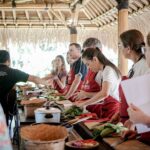
A market stop plus farm cooking keeps your day moving. This Ubud-area class takes you from local ingredients (and spice know-how) to an organic farm harvest in Taro Village, then into cooking six different dishes plus dessert. I especially like the hands-on rhythm: you shop, you pick, you cook, and you eat what you make in a small-group setup. The market tour is a big part of why the whole experience feels grounded in real Balinese ingredients.
One thing to consider: the market visit is for morning sessions only, and a small handful of people have noted the market didn’t happen exactly as expected for their timing. You’ll also do real prep work (chopping onions and chiles came up in feedback), so if you want a more hands-off role, mentally plan for some knife time.
In This Review
- Key highlights that matter on the ground
- From Ubud Central Parking to the Farm: the day’s rhythm
- The Market Stop: what you learn before you cook
- On the Organic Farm in Taro Village: picking your ingredients
- Cooking Six Bali Dishes (plus dessert): how the class actually teaches
- The lunch moment: eating what you made, in a shady setting
- The take-home recipe book (print + PDF): the real souvenir
- Price and logistics: what you’re paying for at $38
- Who should book this class (and who should adjust expectations)
- Pair it with another village-style experience
- Should you book this Bali farm cooking school?
- FAQ
- How long is the Bali farm cooking class?
- Is there a market visit?
- How many dishes will I cook?
- Where do I meet the group?
- Do I get lunch?
- What’s included in the price?
- What about drinks like alcohol or soda?
- How big are the groups?
- Can the class accommodate dietary needs?
- Do I get recipes to take home?
Key highlights that matter on the ground
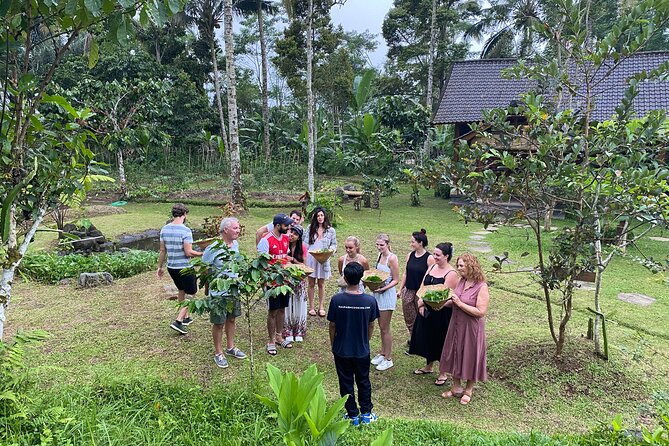
- Market tour for morning sessions: you learn what to buy and why before you touch the stove.
- 8,000 sq m organic farm in Taro Village: you’re not just watching cooking; you’re sourcing produce.
- Six dishes + dessert: the menu is structured so you finish with a full, multi-course meal.
- Small group size (max 20): it’s easier to get guidance and keep the pace comfortable.
- Clear English instruction and step-by-step cooking: helpful whether you’re new to Balinese food or not.
- Recipe book (print + PDF): you get a way to recreate the flavors at home, not just a nice meal.
From Ubud Central Parking to the Farm: the day’s rhythm
This is a 5.5-hour class built for a single, satisfying block of time. You start at Ubud Central Parking on Jl. Suweta No.18, then head north to Taro Village by air-conditioned vehicle.
The format is simple and practical. You’ll move through three main phases: a market stop (for morning sessions), a farm harvest, then cooking and eating on-site. The pacing matters here: you’re not stuck in one room for hours, and you keep earning your lunch step by step.
You can also read our reviews of more cooking classes in Ubud

The Market Stop: what you learn before you cook
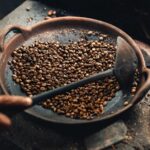
If you book the morning session, you’ll visit a traditional market first. This part is more than sightseeing. You get to see the ingredients that define Balinese cooking—produce, spices, and local items you might not spot at home.
What I like about starting here is that it changes how you cook. When you understand what you’re buying (and what each ingredient is doing), the dishes make more sense later when you try to repeat them at home from the recipe book.
A practical note: the market is morning-only. If you’re choosing your session based on the market, confirm your specific time slot before you go, especially if your schedule is tight.
On the Organic Farm in Taro Village: picking your ingredients
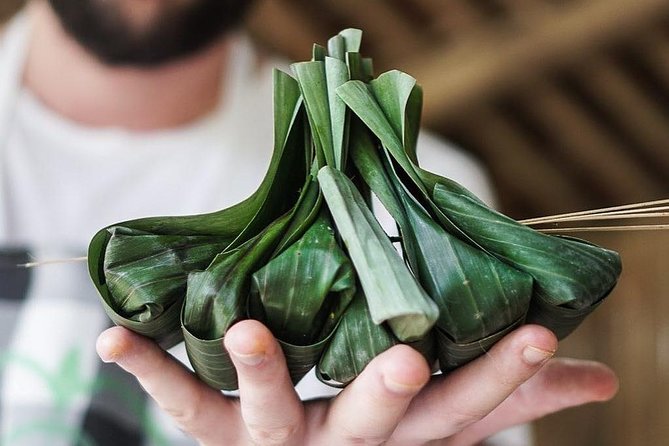
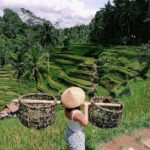
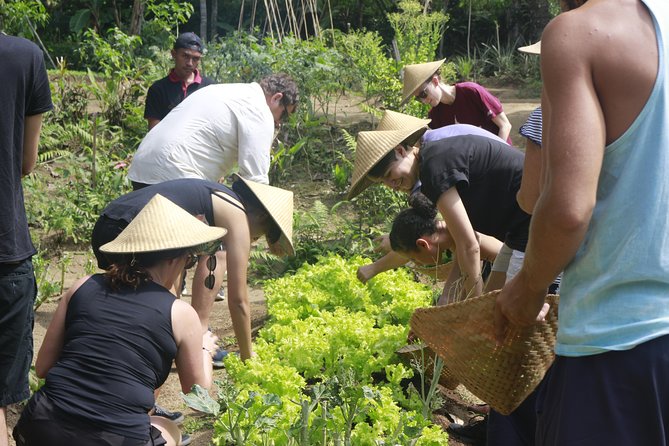
After the market, you head to the farm—an 8000 square meter organic farm in Taro Village, north of Ubud. You’ll tour the space and connect it to what ends up on your plate, including sustainable farming practices (not just “pretty gardens”).
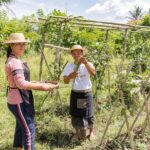
Then comes the best part: harvesting. You pick fresh produce from the farm’s green garden for your cooking. This is where the class feels most authentic because the ingredients aren’t hypothetical. They’re the real ones you’ll chop, stir, fry, and plate later.
One small detail that came through in feedback: the farm setting is clean and well kept, and the facilities feel comfortable. That matters because after a market visit, you’ll appreciate having a relaxed place to work and eat.
Cooking Six Bali Dishes (plus dessert): how the class actually teaches
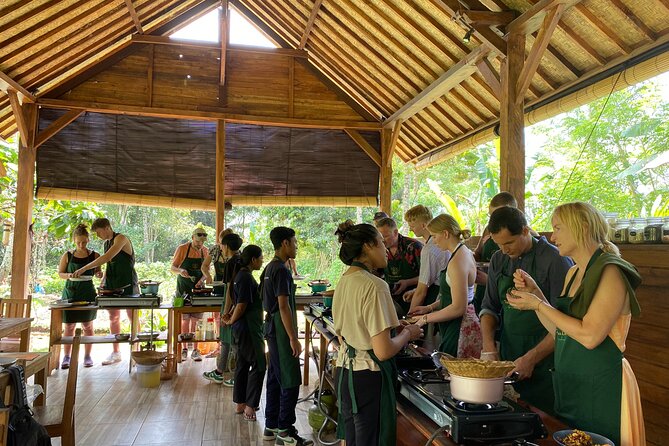
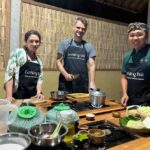
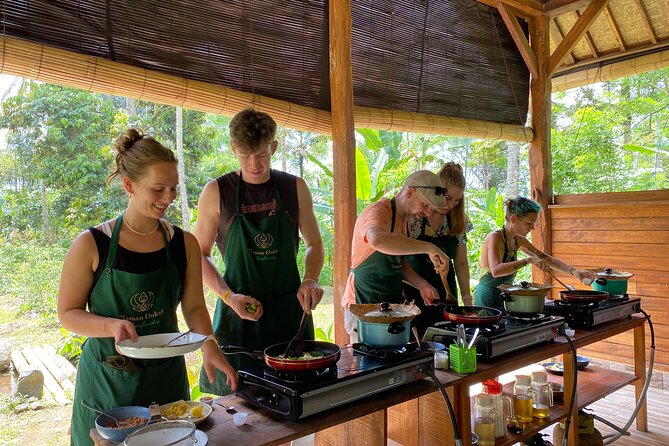
At the stove, you’ll prepare six different dishes and dessert, guided step-by-step. The instructors support small groups and explain what you’re doing as you do it, with clear English instruction.
This class is also designed to include different diets. If you have dietary needs, plan to mention them before the class so the team can adapt as they guide you. One review highlighted that an instructor accommodated a nut allergy, which is a strong sign that they take diet details seriously.
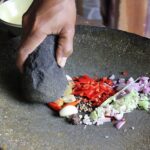
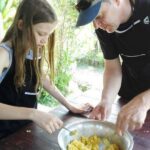
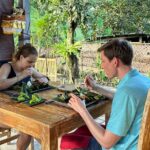
You’ll likely do a mix of tasks, not just watch. One piece of constructive feedback mentioned that onions and chiles were chopped by students, and some people felt the main-course prep could have been handled a bit more by staff. For you, the takeaway is simple: expect real prep time, so bring patience (and don’t plan on doing a ton of extra sightseeing right before).
The lunch moment: eating what you made, in a shady setting
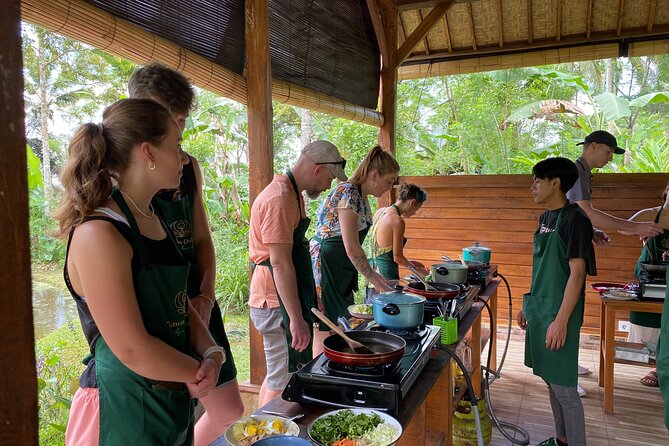
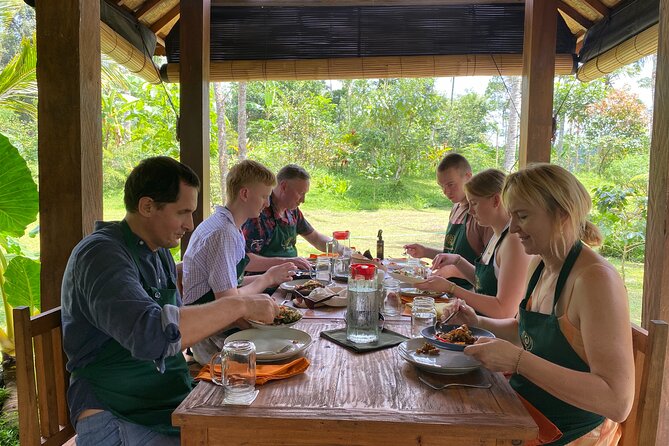
Once your dishes are done, you’ll sit down for lunch and eat what you cooked. The meals are multi-course, and the class includes lunch as part of the experience.
I like that you don’t leave hungry or “sample only.” You cook, share, and then you get to taste the final results together. Reviews also praised the food quality, with people calling out that the dishes were among the best they ate during their Ubud stay.
If you’re the type who thinks cooking classes are just a short performance, this is the opposite. The structure pushes you to actually finish everything on your plate. And yes, based on guest feedback, that means come hungry.
You can also read our reviews of more tours and experiences in Ubud
The take-home recipe book (print + PDF): the real souvenir
Your final takeaway is a recipe book—print and PDF—meant for recreating the dishes later. This is one of the best value parts of the experience because it converts a fun day into something you can use again.
The recipe book includes ingredient substitutes, cooking tips, and even links to technique videos. That’s useful if you try the dishes at home and get stuck on a step like spice balance, texture, or timing.
Practical tip: take a quick photo of your favorite dish right before you eat. Even if the recipe book is clear, photos help you remember the vibe and plating when you cook later.
Price and logistics: what you’re paying for at $38
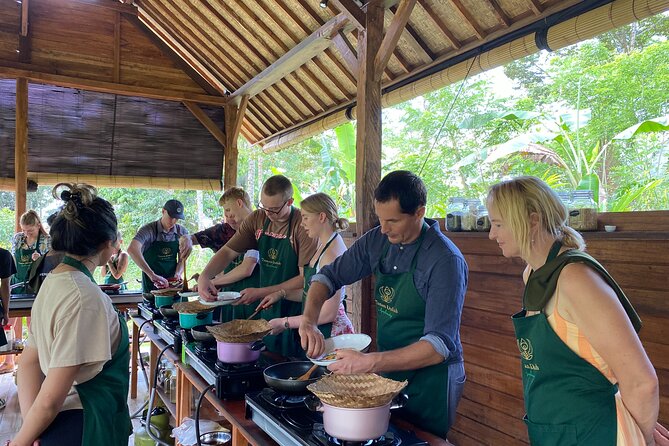
At $38 per person, you’re paying for more than a cooking lesson. You get:
- market tour (morning sessions),
- farm harvest,
- instruction for multiple dishes,
- lunch using all the food you cook,
- coffee and/or tea,
- bottled water,
- cooking utensils and an apron,
- and air-conditioned transport.
That bundle is why this feels like good value. Many cooking classes focus mostly on technique and end with a small sample. Here, you’re building a whole meal from start to finish, plus you take home recipes and substitutes.
Also, the group size cap (max 20) tends to support better attention. And if you’re hoping for a guided explanation rather than a hands-off buffet line, that matters.
Who should book this class (and who should adjust expectations)
This works especially well if you:
- want a hands-on day in Ubud that includes both shopping and cooking,
- enjoy learning how ingredients connect to flavor,
- and like making food you can repeat at home using the recipe book.
It may not be ideal if you:
- want minimal chopping and low physical prep time (expect onion and chile work),
- are traveling on a schedule where morning sessions are hard to lock in (since the market visit is morning-only),
- or dislike doing a full meal during a single 5.5-hour window.
If you have a nut allergy or other dietary restrictions, you should still book—but communicate clearly ahead of time so the team can plan adaptations.
Pair it with another village-style experience
If you’re staying in the Ubud area and want more “village life” after cooking, consider adding an evening activity. One guest mentioned a firefly watching experience with Depi and her uncle, which sounded like a more intimate follow-up after a day in the farm setting. It’s the same general theme—local rhythms, not a faraway landmark checklist.
Should you book this Bali farm cooking school?
I’d book it if you want a day that feels earned: you learn at the market, pick ingredients on an organic farm, cook six dishes plus dessert, then eat everything you made. The 100% recommendation rate and the consistently high marks for friendly staff, clean facilities, and easy-to-follow recipes are exactly what you want in a cooking class.
Book it with one clear condition: choose the morning session if the market tour is part of your plan, and bring the mindset that you’re doing real prep work. If you prefer a very light, observational experience, look for a different style of class. If you want a practical Bali cooking skill-up for $38, this one is a strong choice.
FAQ
How long is the Bali farm cooking class?
It runs about 5 hours 30 minutes.
Is there a market visit?
Yes, a traditional market visit is included for morning sessions only.
How many dishes will I cook?
You’ll prepare six different dishes, including dessert (the class is described as 6+ dishes as well).
Where do I meet the group?
You start at Ubud Central Parking, Jl. Suweta No.18, Ubud.
Do I get lunch?
Yes. Lunch is included, and it includes all the food you cook.
What’s included in the price?
The class includes coffee and/or tea, lunch, air-conditioned transport, cooking utensils, bottled water, and an apron.
What about drinks like alcohol or soda?
Alcoholic beverages and soda/pop are available for purchase, but they are not included.
How big are the groups?
The activity has a maximum of 20 travelers.
Can the class accommodate dietary needs?
The class says it caters to various diets, and there’s at least one confirmed example of accommodating a nut allergy.
Do I get recipes to take home?
Yes. You receive a take-home recipe book in print and PDF form, including substitutes, tips, and links to technique videos.