REVIEW · PRIVATE CAR WITH DRIVER
Bali Tour Driver
Book on Viator →Operated by Bali Traditional Tour · Bookable on Viator
A driver who builds your day matters. This Ubud-based Bali tour is a full afternoon of temples, craft villages, a waterfall, and big Ubud sights, all stitched together by a driver who aims to cut driving time and add local context along the way. It’s private, so the pace and order can feel more like your plan than a strict bus route.
I like the mix of stops that cover different sides of Bali: Balinese Hindu temple details, village craft traditions, and the classic Ubud scenery. I also like that the driver isn’t just a chauffeur, they explain culture and daily village life while you travel, which turns the car ride into part of the experience. In one standout review, the driver named Mawa was singled out for being excellent and helpful, including a good restaurant lunch recommendation.
One drawback to factor in: entrance fees and lunch aren’t included, so your final total depends on ticket costs at each stop.
In This Review
- Key Highlights You’ll Actually Feel During the Day
- How This Ubud Bali Driver Tour Works (And Why It’s Good Value)
- Price and Logistics: What $38.47 Really Covers
- Stop-by-Stop: A Tight 1-Hour Loop That Still Feels Balanced
- Puseh Batuan Temple: Local Ornament Details Over Big-Show Tourism
- Celuk Village: Gold and Silver Craft You Can Watch
- Tohpati Village: Batik Wax Dots and Lines
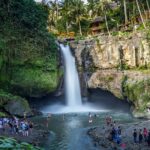
- Tegenungan Waterfall: The Fun Break With Swimming Potential
- Mas Carving Center: Wood Carving as a Village Identity
- Sacred Monkey Forest Sanctuary: The Numbers, the Layout, the Reality
- Tegalalang Rice Terrace: Subak Irrigation in a Photo-Friendly Setting
- Bali Pulina Coffee Plantation: Coffee as the Final Taste of the Day
- Timing and Comfort Tips for a Full 8-Hour Route
- Who This Tour Suits Best (And Who Should Rethink It)
- Should You Book This Bali Driver Service?
- FAQ
- What time does the tour start in Ubud?
- How long is the experience?
- Is pickup included?
- Is this a private tour?
- What’s included in the price?
- What isn’t included?
- Where does the tour take you?
- Can I cancel and get a full refund?
- How far in advance is it usually booked?
Key Highlights You’ll Actually Feel During the Day

- Route planning that reduces wasted driving so you spend more of your day at sights
- A culture-and-village narration angle, not just point-to-point transfers
- Craft villages for gold, silver, batik, and wood carving in one afternoon loop
- Tegenungan Waterfall as the big nature break, with a chance to swim
- Ubud’s top trio: Monkey Forest, Tegalalang rice terraces, and a coffee plantation stop
How This Ubud Bali Driver Tour Works (And Why It’s Good Value)
This is a private, 8-hour driver service that starts around 8:30 am with pickup offered. You’re paying roughly $38.47 per person for a full afternoon of transport in an air-conditioned vehicle, plus the basics that often sneak into the budget on your own (fuel surcharge and parking fees, plus bottled water).
What makes it feel worth it is the way the day is structured. Instead of bouncing between random spots, the tour is designed as a single loop through Ubud and nearby areas, with a driver mapping the best way to combine stops and avoid a lot of time behind the wheel. That matters in Bali, where traffic and distances can turn a “quick” plan into a half-day project.
You also get a social layer that’s easy to overlook when booking transportation. The driver is positioned as more than a taxi: they’re there to share historical culture traditions and explain daily village life as you pass through areas. In practical terms, that means you’ll have more context for what you’re seeing at temples and craft centers, not just photos at the end.
The other value point: you’re not stuck with a fixed group. It’s private, so your group rides together, and you can usually keep a steady pace without waiting on other people to come back from gift shops.
You can also read our reviews of more tours and experiences in Ubud


Price and Logistics: What $38.47 Really Covers
At $38.47 per person, the headline price is budget-friendly for a full day of private transport. You’re not just buying a ride; the air-conditioned vehicle, bottled water, fuel surcharge, and parking fees are included. That helps you avoid the classic travel math problem where the “cheap” car turns expensive after add-ons.
What’s not included is the stuff you’d pay anyway once you start entering places. Entrance fees aren’t included, and lunch isn’t included either. Tipping is listed as optional, so you’re not locked into a policy, but you should still plan for it if your driver goes out of their way.
So here’s the real way to think about value: if you plan to visit multiple paid sights during your Ubud day, your total cost will rise. If you keep expectations realistic and treat the included transport as the main bargain, you’ll feel good about this price.
Also note the timing. The tour is typically booked about 123 days in advance on average, which usually means it’s a popular way to structure a one-day hit of Ubud-area highlights. If you’re traveling in peak dates, early booking gives you more flexibility.
Stop-by-Stop: A Tight 1-Hour Loop That Still Feels Balanced
The itinerary is built around about 1 hour per stop, with a full set of eight stops in total. That’s a fast pace, but it’s the kind of pace that works well if your goal is variety in one afternoon.
Here’s what each stop offers, plus the trade-offs to watch for.
Puseh Batuan Temple: Local Ornament Details Over Big-Show Tourism

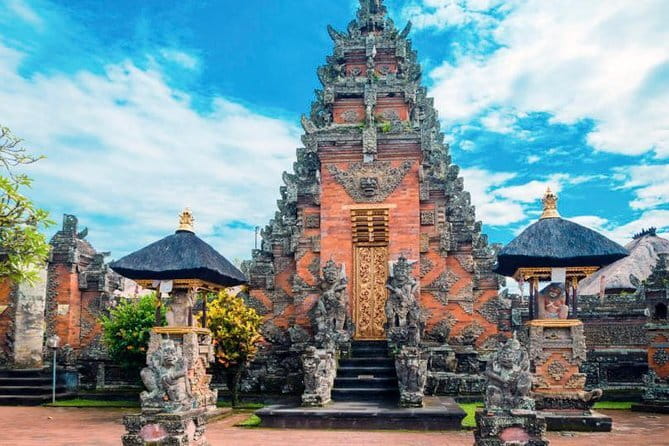
You’ll start at Puseh Batuan Temple, a Balinese Hindu temple looked after by local residents in the Batuan countryside. The standout feature here is the temple design with full Balinese ornaments, including a roof temple building.
This is a good first stop because it sets the tone early: you see the culture without having to arrive already tired from travel. The one-hour block is enough time to notice the ornament style and take photos without feeling like you’re rushing through everything at the end.
The consideration: you’ll want to treat this as a look-and-learn stop, not a long meditation session. Admission isn’t included, so check ticket costs when you arrive or plan for them ahead of time.
Celuk Village: Gold and Silver Craft You Can Watch
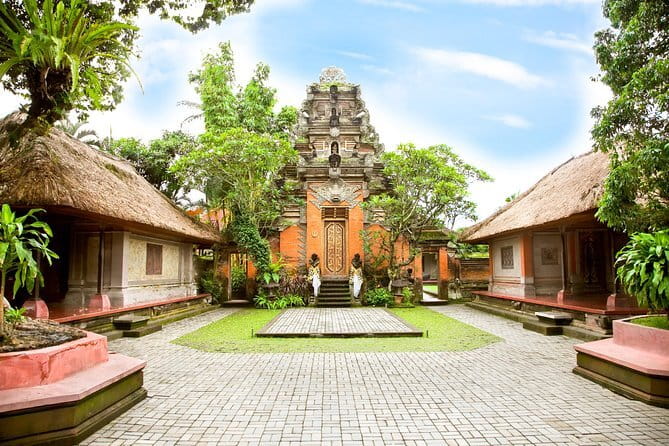
Next is Celuk Village, one of Bali’s major centers for goldsmiths and silversmiths. It’s about 4 km southwest of the Sukawati District, and the main road along Jalan Raya Celuk has galleries and work spaces lined up.
This stop works best if you like craft culture and don’t mind spending your time looking closely at materials and processes rather than only chasing scenic views. A whole hour gives you breathing room to browse and get a sense of how artisans present their work.
One trade-off: because admission isn’t included, any workshops or special experiences inside might add extra cost. Also, craft centers can turn into shopping marathons if you’re not careful—set yourself a simple goal, like enjoying the craftsmanship and picking one small item if it fits your budget.
You can also read our reviews of more tours and experiences in Ubud





Tohpati Village: Batik Wax Dots and Lines

Then you head to Tohpati Village, famous for a batik wax weaving center. Batik is described as traditional fabric painting, using dots and lines from wax to create the decorated cloth.
This stop feels especially interesting if you enjoy seeing how traditional methods create repeat patterns and textures. The batik explanation matters too: dots and lines from wax are part of what makes the craft recognizable, so you’re not just walking into a shop—you’re understanding the technique.
The consideration is the same pattern: admission fees aren’t included. If you want to bring home fabric or finished products, prices vary widely in craft areas, so it helps to decide what you’re comfortable spending before you start browsing.
Tegenungan Waterfall: The Fun Break With Swimming Potential

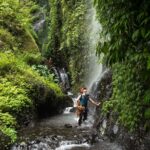
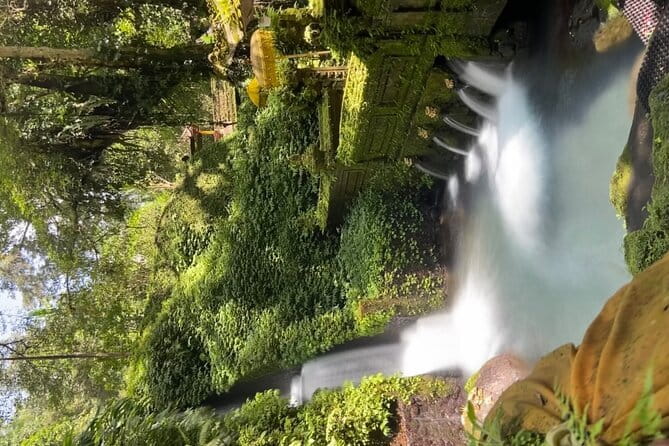
After crafts, you get a nature stop at Tegenungan Waterfall. It’s located along the sacred river of Petanu River, and it’s noted as fun to visit with nice swimming opportunities.
This is the one stop where your day changes gear. Expect a more physical environment: you’re moving around a waterfall area, looking for angles for photos, and deciding how much time to spend at the water’s edge. If you’re hoping for the classic Bali “water moment,” this is the closest thing in the itinerary.
The main thing to plan for: the tour gives you about an hour, so you’ll have to choose. Spend time with photos and views, or spend time near the water longer. And because entrance fees aren’t included, factor that cost into your total.
Mas Carving Center: Wood Carving as a Village Identity
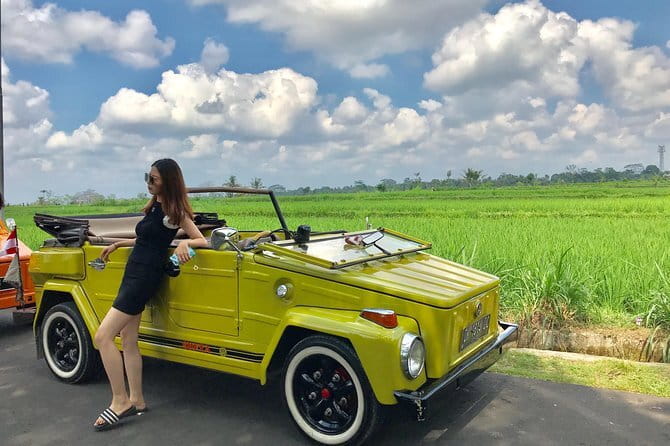
Next up is Mas Carving Center in Mas Village, known for wood carving as an artistic countryside focus. If you like the idea of “Bali crafts, but make it sculptural,” this is where you’ll see that in action.
Wood carving centers can be surprisingly informative when you know what to look for: the tools, the detail work, and how different artisans focus on different styles. Since you have an hour, you can browse for craftsmanship without feeling like you must buy to justify the stop.
The downside: carving centers often attract a mix of browsing and sales pitches. If you’re budget-minded, keep your goal simple—look, learn, and only buy if it meets your standards and price range.
Sacred Monkey Forest Sanctuary: The Numbers, the Layout, the Reality
Then you’ll visit Sacred Monkey Forest Sanctuary in the heart of Ubud Village. The tour description notes about 1053 monkeys living in the sanctuary, divided into five groups: the front of the main temple, Michelin, eastern, central, and cemetery areas.
This is one of those stops where the “what you see” is not just the scenery—it’s the environment and how the sanctuary is organized. Having the group breakdown in mind helps you navigate your time, because you’re not wandering randomly. You can focus on the areas that look most interesting to you.
The practical consideration: this is a monkey forest, so you should expect a lively environment. Also remember admission isn’t included, so budget for entry. An hour is usually enough for a solid loop, but if you want slower viewing, this stop may feel rushed.
Tegalalang Rice Terrace: Subak Irrigation in a Photo-Friendly Setting
After monkeys, the itinerary turns to big views at Tegalalang Rice Terrace. The rice paddies are famous for scenes involving the subak—the traditional Balinese cooperative irrigation system passed down through reverence and community use.
This stop is where your day becomes scenic. Rice terraces are visual from almost every angle, and the subak note adds meaning beyond pretty photos. You’ll get a sense that the landscape isn’t just scenery; it’s tied to a system of shared water management.
Trade-off: because your time is fixed at about an hour, you may have to move to find better angles and viewpoints. If you’re someone who loves slow, lingering photo time, this is the stop where you’ll feel the hour limit most.
Bali Pulina Coffee Plantation: Coffee as the Final Taste of the Day
To close the day, you stop at Bali Pulina Coffee Plantation. The emphasis is on enjoying Bali’s natural wealth in the moment while having a cup of coffee, adding a new story to your day.
This is a good finishing stop because it slows down the pacing. If you’ve been busy with temple details, crafts, and walking around sights, coffee is a practical way to land the experience without rushing out for another activity immediately.
Keep in mind: entrance fees aren’t included, and this final stop is described generally as a coffee plantation experience. If you’re sensitive to cost, you might want to check what’s included at the plantation counter so there are no surprises.
Timing and Comfort Tips for a Full 8-Hour Route
This itinerary is designed as an efficient loop: eight stops, about an hour at each, plus travel time. That makes it ideal if you want a wide slice of Ubud-area culture in a single afternoon, but it also means you should manage your energy carefully.
Here’s what I’d do to make it smoother:
- Wear clothes and shoes you can handle for repeated short walks at each stop
- Stay hydrated since the day is long, and you’ll have bottled water included
- Keep your spending plan clear for places where entrance fees apply
- If you want lunch, decide whether you’ll rely on a driver recommendation or bring something you can get quickly after a stop
One review highlighted that the driver, Mawa, recommended a restaurant for lunch and the food was delicious. That’s the kind of local-help value that can make a long day feel easier, especially if you’re trying to avoid tourist-trap detours.
Who This Tour Suits Best (And Who Should Rethink It)
This is a great fit if you like structure but also want flexibility from a real person planning your route. It’s especially good for first-time visitors to Ubud who want a balanced mix: temple culture, craft villages, a waterfall break, and Ubud’s classic attractions.
It’s also a smart choice if you don’t want to manage driving yourself. The included air-conditioned vehicle and driver mapping for less time on the road is a real quality-of-life upgrade.
If you’re very price-sensitive, just remember that entrance fees and lunch are extra. If you prefer fewer stops with more time at each, this may feel a bit full because the blocks are about 1 hour each.
For travelers with accessibility needs, the tone matters. In one top review, the driver was described as very respectful and helpful toward a passenger with a disability. That’s a positive sign for how the day can be handled when someone needs extra care, but you should still communicate any specific needs ahead of time.
Should You Book This Bali Driver Service?
Yes—if you want an efficient, culture-forward Ubud day with a driver who can add context and help keep the route moving. At $38.47 per person, the included transport items (vehicle, parking, fuel surcharge, bottled water) make it a strong value, and the stop variety hits the major themes visitors usually want: temples, crafts, waterfall nature, and Ubud scenery.
Book it if your goal is a well-rounded afternoon and you’re okay paying separate entrance fees and handling lunch on your own. Skip it if you hate tight schedules or you want a slow travel style with long hangs at fewer places.
FAQ
What time does the tour start in Ubud?
The tour start time is 8:30 am.
How long is the experience?
It’s listed as about 8 hours.
Is pickup included?
Pickup is offered.
Is this a private tour?
Yes. It’s private, and only your group participates.
What’s included in the price?
Included items are bottled water, fuel surcharge, parking fees, and an air-conditioned vehicle.
What isn’t included?
Entrance fees and lunch aren’t included, and tipping is optional.
Where does the tour take you?
You’ll visit Puseh Batuan Temple, Celuk Village, Tohpati Village, Tegenungan Waterfall, Mas Carving Center, Sacred Monkey Forest Sanctuary, Tegalalang Rice Terrace, and Bali Pulina Coffee Plantation.
Can I cancel and get a full refund?
Yes, you can cancel for a full refund up to 24 hours before the experience’s start time.
How far in advance is it usually booked?
On average, it’s booked 123 days in advance.