REVIEW · RICE TERRACE TOURS
Jatiluwih Spiritual Journey of Melukat with Rice Terrace View
Book on Viator →Operated by jatu bali tours · Bookable on Viator
Balinese Melukat feels personal. This 10-hour day pairs a guided Melukat water blessing at Pura Kedatuan Raksa Sidhi with the views and cultural context of Jatiluwih UNESCO rice terraces, plus more stops that help you understand daily Balinese life. I like how the ceremony is explained step by step, so you know what’s happening instead of just standing there, and I like that the scenery keeps changing from temple calm to rice-terrace scale.
One heads-up: it’s a long day and lunch isn’t included, so you’ll want to plan ahead or budget for a meal stop on your own. With a packed route and lots of temple time, good shoes and a calm pace really matter.
In This Review
- Key things that make this day work
- How the day flows: a Balinese ritual plus major sights
- Sangeh Monkey Forest: a quick nature hit before the sacred part
- Melukat at Pura Kedatuan Raksa Sidhi: the main event
- Jatiluwih UNESCO rice terraces: spiritual context you can actually see
- Ulun Danu Beratan Temple: the lakeside stop that anchors the route
- Baturiti coffee testing: a free add-on that helps you understand local taste
- Tanah Lot Temple: dramatic sea-temple energy
- Ubud Monkey Forest: a second dose with a different feel
- Transport and comfort: where the tour saves you effort
- Price and value: is $35.60 a good deal?
- Who this tour suits best
- Should you book this Melukat + Jatiluwih day?
- FAQ
- What is the duration of the tour?
- Is lunch included?
- Does the tour include admission tickets?
- Is pickup included?
- Is this a private tour?
- Can I cancel and get a full refund?
Key things that make this day work
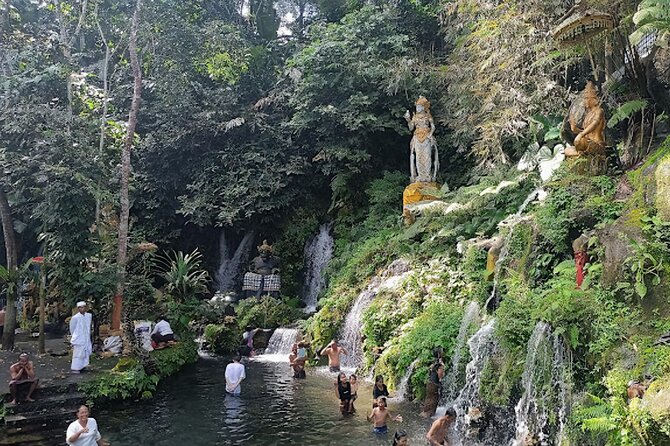
- Melukat guidance at Kedatuan Raksa Sidhi: you follow the ritual with explanations, not guesswork
- Jatiluwih UNESCO rice terraces: big, famous views tied to Balinese farming and belief
- Temple variety in one circuit: from lakeside Ulun Danu Beratan to the sea-temple setting of Tanah Lot
- Two monkey-forest stops: Sangeh and Ubud offer very different vibes in the same day
- Value add with transport and entry: air-conditioned vehicle plus admission fees for key stops
How the day flows: a Balinese ritual plus major sights
This is the kind of tour that tries to do two things well: give you a real, personal cultural moment, and then place that moment inside the bigger picture of Bali. You start with nature and temple areas, then you hit the centerpiece: Melukat, the water purification blessing at Pura Kedatuan Raksa Sidhi. After that, the route moves through some of Bali’s most photographed places—rice terraces at Jatiluwih, the lakeside Ulun Danu Beratan Temple, and the rock-and-sea drama of Tanah Lot—so the day feels like a full “mind-body-spirit” circuit rather than a simple sightseeing loop.
The tour runs about 10 hours, and it’s private, meaning it’s only your group. Pickup is offered, and you’ll use a mobile ticket. There’s also a group discount, which can make the per-person cost feel more friendly if you’re traveling as a small party.
You can also read our reviews of more tours and experiences in Ubud.


Sangeh Monkey Forest: a quick nature hit before the sacred part
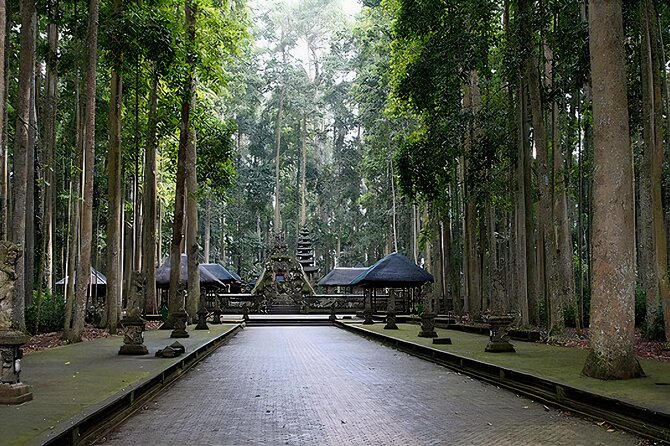
Many Bali days start with temples, but beginning with Sangeh Monkey Forest gives you a different rhythm. This sanctuary is also known as Alas Pala (or Sangeh Sacred Monkey Forest Sanctuary), and it’s set in a larger natural area in Sangeh village. You get about 2 hours here, and admission is included.
Why I like this start: it helps you shake off travel stress before the more serious spiritual stop. You can spend time watching the monkeys without feeling like you’re rushing straight into ceremony. It’s also a good warm-up for temple etiquette—eyes up, move calmly, don’t stare like it’s a zoo show.
Practical note: monkey areas always mean you should keep your bags secure and avoid sudden movements. That’s not a “theme park” rule; it’s just common sense in places where wildlife hangs out close to humans.
Melukat at Pura Kedatuan Raksa Sidhi: the main event
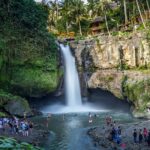
The centerpiece is the Melukat water blessing ceremony at Pura Kahyangan Kedatuan Raksa Sidhi, with a dedicated chunk of time (about 3 hours). Melukat isn’t just a bath. It’s a deeply rooted Balinese Hindu cleansing ritual aimed at restoring inner balance—clearing spiritual impurities and emotional burdens, and helping people release what’s often described as let e h (impurities/defilements).
What makes this tour valuable is that you don’t attend as a passive spectator. The guide plays a real role: in the best moments, they explain what you’re doing and how the steps work so you can participate respectfully. Multiple guides were praised for this, including Putu Eka (mentioned as a driver who explained the day and the ceremony) and Made Eka (mentioned for clearly guiding people step by step and even recording memorable moments on video).
How it feels in real life: the temple atmosphere is calm, and the experience becomes more about your focus than about pictures. You’re preparing mentally as much as spiritually—part of why the day is structured this way. Coming right after a lighter nature stop can make the transition feel smoother.
Possible consideration: because it’s a spiritual ritual, it may not feel like “instant entertainment.” If you’re only in Bali for photos and fast thrills, this section is the part that asks you to slow down.
Jatiluwih UNESCO rice terraces: spiritual context you can actually see
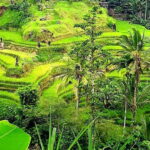
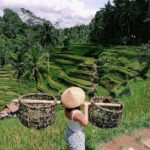
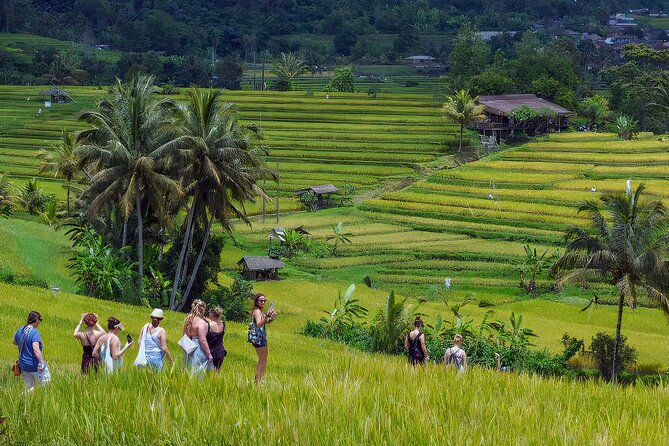
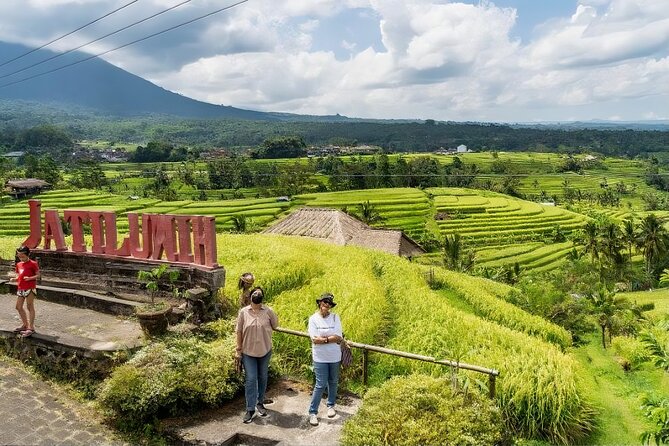
After the purification, you shift from ritual to place. Jatiluwih UNESCO Rice Terrace is famous for a reason: you’re looking at how humans shape rice farming over time, and the area’s spiritual philosophy shows up in daily life.
You’ll have about 2 hours here. Admission is listed as free for this stop, which is a nice bonus in a tour that otherwise includes fees for other places. In practice, this means you’re not just paying to “see something”; you’re getting a cultural bridge from the temple ceremony to the way Bali organizes its work, worship, and respect for nature.
What to expect: open views, lots of photo angles, and enough time to walk a bit and find your favorite vantage point. The key is to give yourself time to look beyond the famous viewpoint and notice the details—terraces, water management, and how the whole system fits together.
Tip: wear footwear you can trust on uneven ground. Even if you’re not doing a long hike, rice terrace areas can be slippery or rough.
Ulun Danu Beratan Temple: the lakeside stop that anchors the route
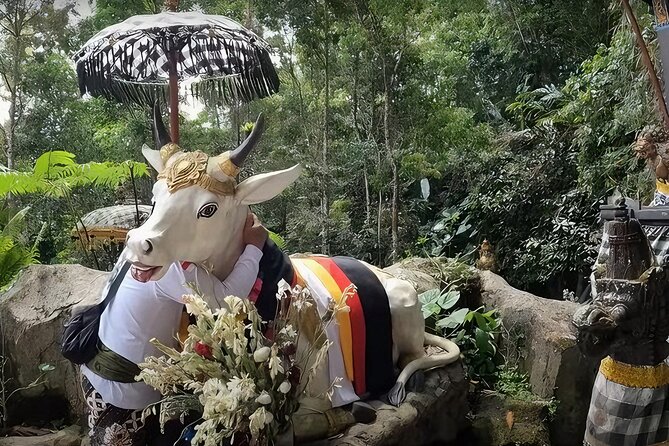
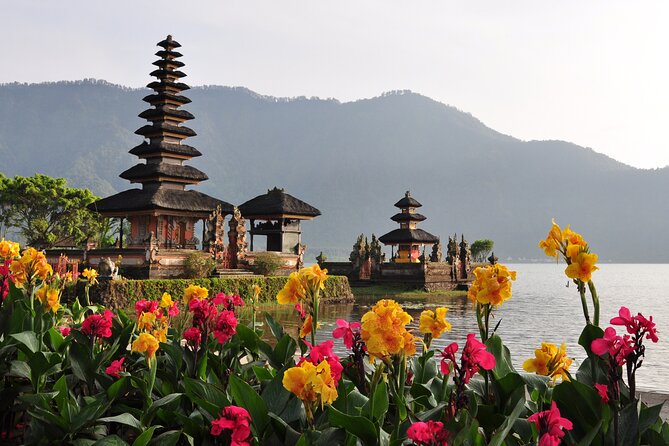
Next comes Ulun Danu Beratan Temple—often called Ulun Danu or the floating temple. It sits on the western shores of Lake Beratan, and it’s one of Bali’s most iconic, most photographed religious landmarks.
You’ll spend about 2 hours, and admission is included. This is a strong mid-day counterbalance after the wide-open terrace views: water + temple architecture creates a different kind of atmosphere, and the lake setting tends to feel cooler and calmer than busier roadside areas.
Why this stop makes sense in the day: it keeps the spiritual theme going, but it’s grounded in a specific physical element (the lake) rather than rice farming alone. It also gives you a break from the constant movement of back-to-back stops.

Baturiti coffee testing: a free add-on that helps you understand local taste
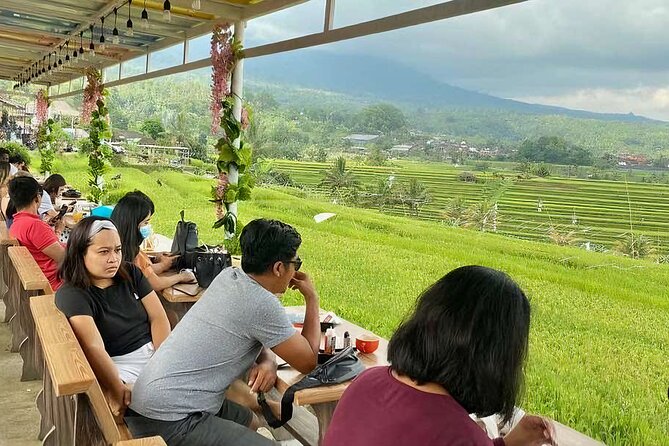
In the Baturiti area, the tour includes a coffee tester experience tied to the well-known Luwak-style coffee tradition. Admission is listed as free here, and the stop is about 1 hour.
This is more than a quick snack stop. You’ll learn the traditional Balinese coffee-making process and taste the results. Even if you don’t plan to buy anything, it’s a fun way to turn a roadside “coffee stop” into something that feels like a cultural lesson.
One practical thing to know: coffee experiences can vary by plantation and how much they push buying. The tour description here focuses on learning and tasting, so you can treat it as an education stop first—and if you’re not a coffee buyer, you can keep it simple and focus on sampling.
Tanah Lot Temple: dramatic sea-temple energy
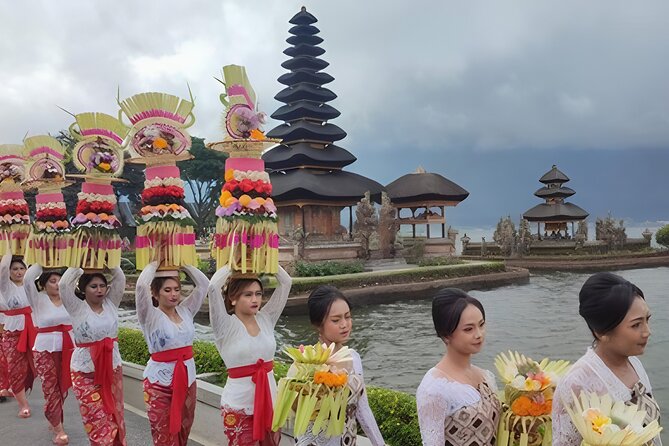
The route also includes Tanah Lot Temple, the iconic Hindu sea temple perched on a rock formation off Bali’s southwestern coast. Its name translates to Land in the Sea, which is exactly what you see when the tide and rock layout do their thing.
This stop is a highlight for a lot of people because the setting is dramatic: temple structures against the ocean, strong contrast, and that rock-out-at-the-water feeling. It’s also one of the best places in Bali to get your “I get why this is famous” moment.
What to do here: pace yourself. Sea-temple areas can involve walking on uneven ground and lots of stairs or curbs. You want time to look, not just sprint between photo spots.
Ubud Monkey Forest: a second dose with a different feel
Some tours only hit one monkey sanctuary, but this day includes both Sangeh Monkey Forest and Ubud Monkey Forest (officially the Sacred Monkey Forest Sanctuary). Ubud’s sanctuary is known for having over 1200 long-tailed macaques roaming freely.
You’ll get another stop here for a chance to see how the monkey world differs between locations. In Ubud, the monkey environment often feels more integrated with temple spaces and foot traffic. It can be exciting, a bit chaotic, and very “Bali in miniature.”
Practical note again: keep things zipped, avoid trying to feed or touch animals, and don’t hold food openly. It’s not just safety; it helps keep the whole experience respectful.
Transport and comfort: where the tour saves you effort
A big part of why this itinerary is worth considering is the logistics. You get an air-conditioned vehicle and private transportation, and pickup is offered. For a day that strings together multiple distant sights—temples, terraces, and two monkey sanctuaries—door-to-door transport is a real quality-of-life upgrade.
Also, it’s set up as a private tour, meaning it’s only your group. That matters if you’re trying to time your own pace at the ceremony and not feel rushed by a crowd.
What’s not included: lunch. That’s the one missing piece that can affect the whole day. If you’re sensitive to hunger or need a predictable meal break, plan your own lunch or bring a snack you’re comfortable with during waiting time.
Price and value: is $35.60 a good deal?
At $35.60 per person, this is priced like a value-heavy day tour. The main reason: key costs are already handled.
Included items you’re getting:
- Admission fees for the tour’s paid stops
- Air-conditioned vehicle and private transportation
- Mobile ticket
And you’re also getting a guided cultural experience in the Melukat ceremony, which many people consider the heart of the day. That’s where guides matter, and the reviews highlight that guides explain the ritual clearly and help capture moments (including video and photos in the ceremony).
So the value depends on your priorities. If you care about the spiritual cleansing and you want a guide who can translate what’s happening, the price feels reasonable. If you mainly want beaches or shopping, it might feel like too much “temple and ceremony” time for the cost.
Who this tour suits best
I’d point you toward this day if you:
- Want a spiritual ritual experience rather than a purely visual tour
- Like having a guide help you understand what you’re seeing
- Plan to be okay with a long 10-hour route
- Prefer private-group pacing over weaving through large crowds
You might think twice if you:
- Get tired fast when a day includes multiple temples and nature stops
- Need lunch fully covered for comfort
- Prefer short tours with fewer transitions
Should you book this Melukat + Jatiluwih day?
If you’re looking for Bali beyond temples-as-postcards, I think this is an excellent fit. The big draw is pairing Melukat—a guided, step-by-step purification ritual—with a meaningful, famous agricultural site at Jatiluwih. It’s not just “see a ceremony”; it’s “understand the ceremony, then watch the culture that surrounds it.”
Book it if your idea of a great day includes spiritual focus, temple etiquette, and time outside with real views. Skip it if you want a relaxed half-day or if your must-haves don’t include ceremonies and long driving time.
If you want to stay flexible, this experience offers free cancellation up to 24 hours in advance for a full refund, which makes it easier to commit with less stress.
FAQ
What is the duration of the tour?
It runs for about 10 hours.
Is lunch included?
No, lunch is not included.
Does the tour include admission tickets?
Yes. Admission fees are included, and some stops are listed as admission ticket free (including Jatiluwih and the Baturiti coffee tester stop).
Is pickup included?
Pickup is offered, and the day includes air-conditioned private transportation.
Is this a private tour?
Yes. It’s private, meaning only your group participates.
Can I cancel and get a full refund?
You can cancel for a full refund if you cancel at least 24 hours before the experience starts.