REVIEW · BALINESE COOKING CLASSES
Evening Cooking Class with Romantic Dinner in Ubud
Book on Viator →Operated by Lesung Bali · Bookable on Viator
Cooking in Ubud ends with candlelight. This evening cooking class strings together a Balinese house visit, a spice harvest on a nearby farm, and then a chef-led lesson on classic dishes, finishing with a candlelit dinner you can actually taste. I especially love the farm-to-pan feel and the chance to learn techniques like pounding spices with a Lesung, not just following recipes.
The one thing to weigh is logistics: pickup and drop-off come with Ubud-area pickup, while places like Nusa Dua, Jimbaran, or Uluwatu require an extra car fee. If weather is poor, the experience can be rescheduled, so it helps to keep this 5-hour evening slot flexible.
In This Review
- Key things to know before you go
- Ubud’s West-Side Farm Air and a 5-Hour Evening Schedule
- From Hotel Pickup to a Private Car Ride That Saves Time
- Balinese House and Garden Stop: How People Arrange Everyday Life
- Spice Harvesting and Lesung Basics for Real Balinese Flavor
- Your Menu in Practice: Banana-Leaf Fish, Chicken Meatball Soup, and Palm-Sugar Crepes
- Candlelit Dinner for Two (Plus Beer, Snacks, and Water)
- Value, Group Size, and Extra Costs Outside Ubud
- Should You Book This Ubud Cooking Class?
- FAQ
- Where does the experience take place?
- How long is the cooking class?
- Is hotel pickup included?
- What is the group size?
- What kinds of dishes will you learn to make?
- Can you choose a vegetarian menu?
- What’s included with the dinner?
- Is there extra transportation cost outside Ubud?
- What if weather is bad?
Key things to know before you go
- Small-group cooking (max 15) keeps the pace friendly and the chef easy to ask questions.
- Lesung spice-pounding teaches the Bali technique behind the flavor, not only the dish name.
- Farm spice harvest turns ingredients into stories before you cook them.
- Menu choice includes vegetarian or regular options during the class.
- Romantic candlelit dinner is part of the same experience, not a separate add-on.
Ubud’s West-Side Farm Air and a 5-Hour Evening Schedule
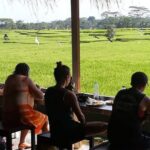
This class is based on Ubud’s west side, where you get that countryside feel: greener surroundings, less of the rush, and a slower pace before dinner. It’s built as an evening experience, roughly 5 hours, which matters because you’re not trying to cram cooking into a full day of temples and rice terraces.
You’ll start with a cultural stop, then move into hands-on cooking, and end with a candlelit meal. That flow is the point. Cooking classes can feel like lectures with food. Here, it’s more like a guided walk from place to place—house to garden, garden to farm, farm to kitchen—so you understand what you’re making and why those ingredients show up again and again in Balinese meals.
One practical note: because it’s outdoors at parts of the experience (house/garden and the farm), good weather is required. If rain rolls in, it can affect timing, and you may be offered a different date. If you’re the type who hates schedule changes, plan with a little slack.
You can also read our reviews of more cooking classes in Ubud
From Hotel Pickup to a Private Car Ride That Saves Time
If you’re staying in the main Ubud hotel zone, the tour includes pick-up and drop-off within Ubud, plus a private car. That’s a real value in Ubud, where “short rides” can still eat time because of traffic, plus you don’t want to start cooking class stressed about finding the meeting point.
Also, the group cap is up to 15 travelers. In practice, that usually means fewer people competing for attention when you’re learning techniques like chopping, pounding, and balancing spices. It’s also why this works well as a couple’s activity: you get social time, but not the chaotic feeling of a huge class.
If you’re outside the Ubud area, extra transport is specified: Nusa Dua or Jimbaran costs IDR 500,000 per car, and Uluwatu costs IDR 550,000 per car. That’s not a dealbreaker, but it’s something you should calculate upfront so the final cost matches your expectations.
Balinese House and Garden Stop: How People Arrange Everyday Life
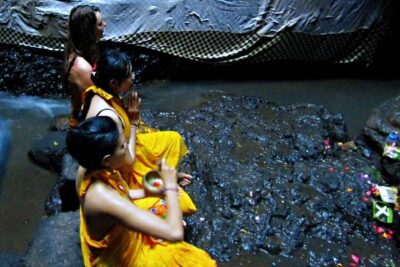
Before you touch a cutting board, you’ll visit a Balinese house and garden. This isn’t just a photo stop. The idea is to show how people live, and how they place and arrange the home and its surroundings. Even if you only catch the essentials in an hour, it helps you connect food to culture.
Why it matters: Balinese cooking isn’t just about spice blends—it’s about habits, available ingredients, and the rhythm of daily life. Seeing the home and garden first gives the cooking lesson context. You’ll be more likely to notice things like how ingredients are grown, handled, and used, because you’ve already been shown the living backdrop.
In the same early phase, you’ll be welcomed with a welcome drink and snacks, which helps you settle in. Then you move on to the farm for the part that most people remember: harvesting spices and getting your hands ready to cook.
Spice Harvesting and Lesung Basics for Real Balinese Flavor
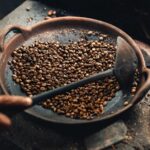
The cooking doesn’t start in a classroom. It starts on the farm. You’ll explore the farm and harvest the spices that you’ll use in your menu. This is one of those details that turns a typical activity into something you can feel in your meal. You stop thinking of spices as packets from a market shelf, and you start thinking of them as fresh plants you just picked.
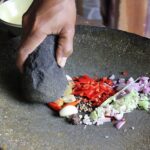
On technique, one word keeps coming up: Lesung. That’s the mortar and pestle method used in Balinese kitchens. You’ll learn how chopping and pounding spices affects texture and flavor. Whole spices release different aromas than pre-ground versions, and pounding creates a more integrated paste that clings to other ingredients.
In some cooking classes, the instructor talks constantly while you watch. Here, the chef also brings humor and warmth into the group. The name Ron comes up in feedback as a friendly, joking host/owner who makes the class feel welcoming. One small but meaningful touch: before cooking, some guests mention sitting down and having tea first. That kind of pacing makes it easier to focus when you transition from learning to doing.
Practical tip: if you’re picky about seat time and don’t like “walking first,” know that you’ll be moving between stops. Comfortable shoes matter, because you’re going to a farm setting and using your hands.
Your Menu in Practice: Banana-Leaf Fish, Chicken Meatball Soup, and Palm-Sugar Crepes
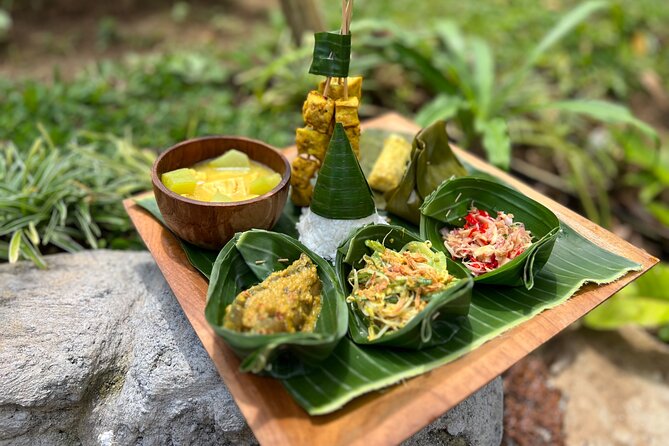
After you decide the menu, the chef leads the cooking class with fresh ingredients you selected from the farm. The dishes you may make include classic Balinese favorites such as:
- Steamed fish wrapped with a banana leaf
- Chicken meatball soup
- Crepes with palm sugar and grated coconut
You’ll also cook additional items, though the exact lineup depends on the menu you choose. The key thing is that you aren’t just watching someone else cook. You learn what ingredients go in, how they’re prepared, and the Bali cooking techniques that turn those ingredients into a finished plate.
This is where the class feels practical. You’ll get explanations for how much goes into each step and what else the dish needs, not only the final method. If you plan to eat Balinese food later, you’ll recognize the logic behind the flavors—how spice, aromatics, and balances work together.
Menu options matter too. You can choose between a vegetarian menu or a regular menu during the class. That’s important for couples and groups with mixed diets, because it means you can still enjoy the same experience together without one person sitting through a watered-down version.
Also note: the dinner at the end is described as candlelight, and the experience is set up so you can enjoy what you cooked. That makes the menu feel complete instead of ending right when class gets messy.
You can also read our reviews of more tours and experiences in Ubud



Candlelit Dinner for Two (Plus Beer, Snacks, and Water)
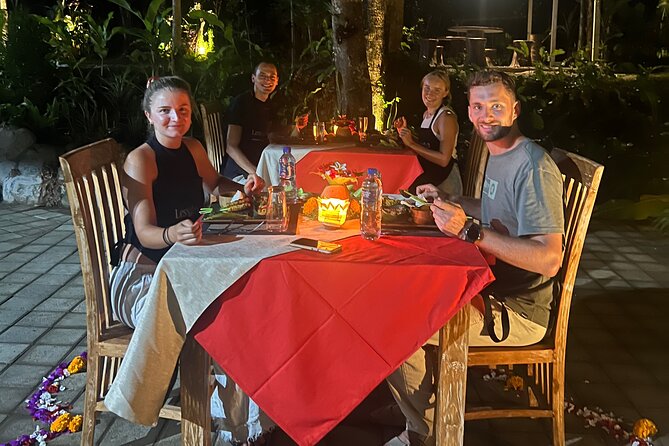
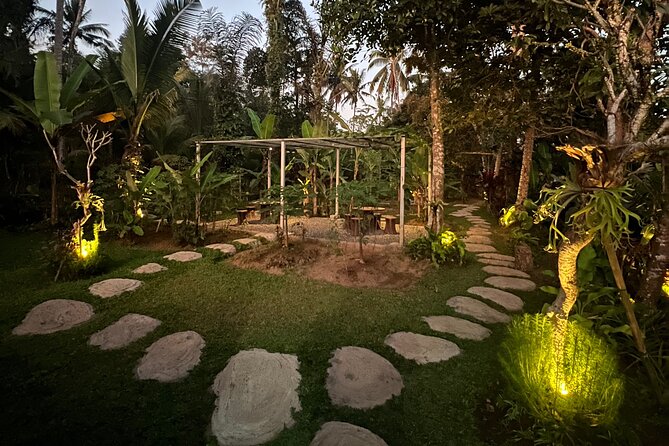
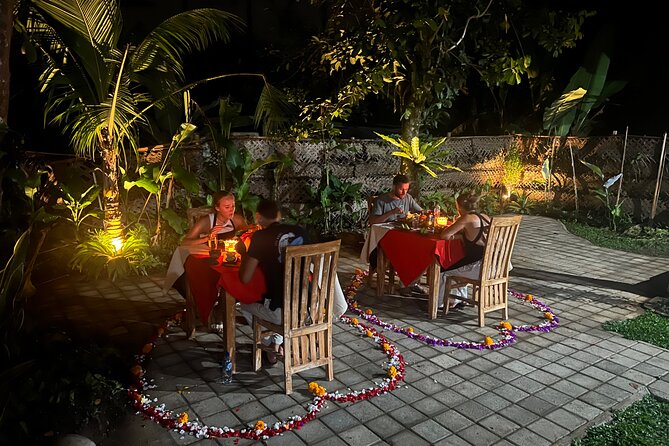
The finish line is a romantic dinner by candlelight. This part isn’t just ambiance. It’s the payoff for all the cooking you did earlier. You’ll sit down and enjoy the results of your labor, and the tone shifts from active learning to relaxed eating.
Included with the meal are mineral water plus a welcome drink and snacks earlier in the program. A bottle of beer is also included. If you don’t drink beer, water is there, but it’s good to know it’s part of the package so you’re not surprised later.
Why candlelit dining hits differently in Ubud: you’ve spent the afternoon moving through homes, gardens, and a farm setting. Then you land at dinner with the chef and your group. It’s a more intimate way to do Ubud than jumping from temple to temple and calling it a day. For couples, it’s an easy win because the schedule naturally creates a shared activity, shared meal, and a relaxed ending.
One consideration: candlelight can mean lower light for photos. The tour mentions photo not included, so if images matter, you’ll want to plan on using your own phone, and accept that the lighting will be darker than a restaurant.
Value, Group Size, and Extra Costs Outside Ubud
At $45.82 per person, this sits in the mid-range for Ubud classes. But the value is easier to see when you price out what’s bundled:
- Private car pick-up and drop-off (Ubud area)
- Cooking class
- Candlelit dinner
- Mineral water
- Welcome drink and snacks
- A bottle of beer
Many tours in Bali seem cheap until you add transport, drinks, and meals. Here, those pieces are already included, which makes budgeting simpler. Add in the small group size (max 15) and you can see why people recommend it so strongly—more attention, less crowding, and a better shot at learning techniques you’ll actually use later.
The main extra cost is transport outside Ubud. If your hotel is in the Uluwatu, Jimbaran, or Nusa Dua direction, you may pay IDR 500,000 to IDR 550,000 per car. Before booking, check where you’re staying so you don’t discover this last minute.
Also, the experience requires good weather, so it can be rescheduled. That isn’t unique to this tour, but it’s something to remember if you’ve locked in other evening plans.
Finally, the booking pattern—often booked about 52 days in advance—suggests it fills up. If your trip dates are tight, I’d treat it as one of the earlier reservations to make, especially if you want a specific menu style like vegetarian.
Should You Book This Ubud Cooking Class?
I think this is worth booking if you want three things at once: hands-on cooking, Balinese culture you can feel through everyday food, and a relaxed evening ending with dinner. The farm spice harvest and the Lesung technique are the strongest reasons to choose this over a basic cooking demo. You’re learning how flavor gets built, not only what to make.
Book it especially if:
- you’re in Ubud for a short time and want a high-impact evening,
- you’d enjoy cooking with a chef who brings personality (Ron is repeatedly described as funny and welcoming),
- you want a couple-friendly finish with candlelit dinner.
Skip it (or consider alternatives) if:
- you’re traveling on a strict budget and would have to pay for extra car transport outside Ubud,
- you hate any chance of weather-related schedule changes,
- you want a cooking experience with zero walking around farm/countryside areas.
If you do book, I’d go in with one mindset: this is a Balinese evening, not a restaurant meal. Wear comfortable shoes, pick the menu that fits your group, and let the technique part teach you how to taste and adjust spices. That’s when this class feels like more than a ticket—it feels like a real Bali memory.
FAQ
Where does the experience take place?
The class is located on the west side of Ubud, in an area with a countryside feel and green surroundings.
How long is the cooking class?
It runs about 5 hours.
Is hotel pickup included?
Yes, pickup and drop-off are included for hotels in the Ubud area. Pickup outside of Ubud area is not included.
What is the group size?
The experience has a maximum of 15 travelers.
What kinds of dishes will you learn to make?
You’ll learn to make traditional Balinese dishes such as steamed fish wrapped with a banana leaf, chicken meatball soup, crepes with palm sugar and grated coconut, and more depending on the menu.
Can you choose a vegetarian menu?
Yes. You can choose between vegetarian or regular menus during the class.
What’s included with the dinner?
Dinner is served candlelight-style. The package also includes mineral water, a welcome drink and snacks, and a bottle of beer.
Is there extra transportation cost outside Ubud?
Yes. Extra car fees are listed for Nusa Dua and Jimbaran (IDR 500,000 per car) and for Uluwatu (IDR 550,000 per car).
What if weather is bad?
The experience requires good weather. If it’s canceled due to poor weather, you’ll be offered a different date or a full refund.