REVIEW · CYCLING & E-BIKE TOURS
Ubud Wonderful Half Day Downhill Cycling Tour with Lunch
Book on Viator →Operated by Amara Bali Family Tour · Bookable on Viator
Downhill cycling through rural Bali feels like a secret. This Ubud downhill cycling tour mixes an easy ride with real-life stops like a traditional plantation, rice-field lanes, and a temple, plus Balinese lunch and local drink samples. I also like that it’s paced for people who aren’t athletes, with mostly gentle downhill and only a few brief uphills. One thing to consider: conditions and comfort depend on the day’s road surfaces and your willingness to pedal a little during those short climbs.
This tour is set up so you don’t need to self-drive. You get 2-way hotel transfers in the Ubud area, plus a helmet and rain protection if needed, and you ride with a small group (capped around 10 and listed up to 15). If you’re trying to get away from traffic without losing the fun, this is a smart half-day plan.
In This Review
- Key Highlights You’ll Actually Care About
- Why This Ubud Downhill Ride Feels Different
- Price and What You’re Really Buying for $45
- Morning Logistics: The 8:00 Start and Pickup Rhythm
- Starting Point at Balai Desa Pekraman Pukuh: Bike Fit and a Real Briefing
- Plantation Stop: Tropical Fruit, Practical Knowledge, and Local Drinks
- Manukaya Ride Segment: Mostly Downhill Village Roads
- A Temple Stop You’ll Feel More Than See
- Banjar Laplapan Lunch: Balinese Food and Diet-Friendly Options
- What This Tour Means for Your Fitness Level
- Group Size: Why Fewer Riders Make a Better Day
- What to Bring (So the Day Feels Easy)
- Value and Flow: How the Pieces Fit Together
- Who Should Book This Ubud Downhill Cycling Tour
- Should You Book It or Skip It?
- FAQ
- What time does the cycling tour start in Ubud?
- How long is the tour?
- How much does the tour cost?
- Does the tour include hotel pickup and drop-off?
- Is the route difficult?
- How big is the group?
- What is included besides cycling?
- Are there lunch options for different diets?
- Can I cancel for a full refund?
Key Highlights You’ll Actually Care About
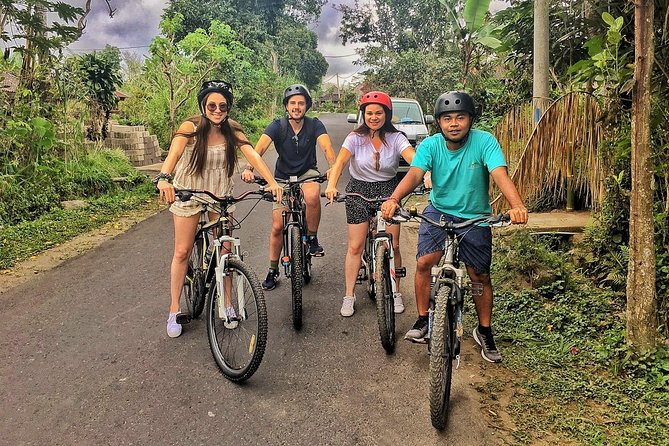
- Mostly downhill rural roads with scenic village rides designed for comfort
- Balinese lunch included, with options for vegan and vegetarian diets
- Hotel pickup and drop-off in Ubud, so you can relax before you ride
- Tropical fruit and drink samples at a plantation stop
- Small group feel (around 10 riders, capped up to 15) for a quieter, more personal pace
- Kadek’s communication (he coordinates clearly via WhatsApp in advance)
Why This Ubud Downhill Ride Feels Different
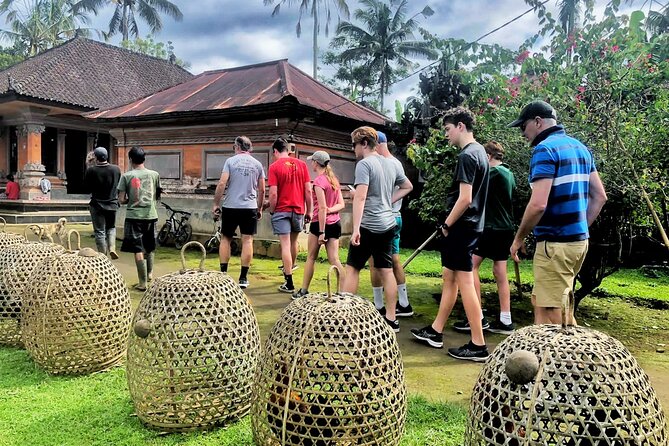
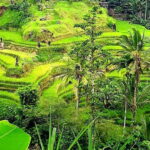
Ubud has plenty of bike tours. But this one leans into what Bali actually is outside the tourist zones: quiet roads, family homes, and the everyday rhythm of rural life. The big pitch is an easy, downhill route. The real win is what you see while you’re going slowly on purpose—rice fields up close, small village lanes, and the kind of moments you can’t fake from a viewpoint.
I like that it’s not framed as a hardcore sport day. It’s framed as a countryside day. You’ll still get moving, but you’re not signing up for an endurance event. And because it includes lunch and drinks, the tour doesn’t collapse into just “ride, then leave.” You end with food and time to cool down.
The other thing I appreciate: the guide and logistics are built for low stress. You start with a pickup from your Ubud hotel area, you get a real briefing at the start point, and you’re provided the essentials—bike, helmet, and rain protection if the weather turns.
You can also read our reviews of more cycling tours in Ubud
Price and What You’re Really Buying for $45
At $45 per person for about 5 hours 30 minutes, this is priced like a serious half-day value. You’re not just paying for a bike. You’re also paying for:
- Two-way transfers from Ubud hotels
- Bike + helmet
- Food and drink (Balinese lunch, fruit, water, plus dessert choices)
- Guided stops that are part lesson, part culture
If you’ve ever tried to replicate this kind of day on your own, you know the hidden costs add up fast: transport, entrance fees you didn’t plan for, and time wasted figuring out routes. Here, the tour stitches it together for you.
Also, the group size matters for value. A smaller group means fewer people to manage and more time at each stop. You’re less likely to feel rushed through lunch or skimped on during the ride briefing.
Morning Logistics: The 8:00 Start and Pickup Rhythm
The tour starts at 8:00 am. That early start is a plus in Bali. Roads are calmer, and the heat is easier to handle before you’re deep in the rice-field area.
Pickup is included from the Ubud area. The idea is simple: you don’t have to find a meeting point in traffic, and you don’t have to worry about parking or navigation. In one family-sized review, coordination was handled smoothly, with clear communication around pickup and drop-off needs.
A small practical tip: plan to be ready at pickup time. Even with a smooth operation, Bali mornings can move fast once the driver arrives.
Starting Point at Balai Desa Pekraman Pukuh: Bike Fit and a Real Briefing
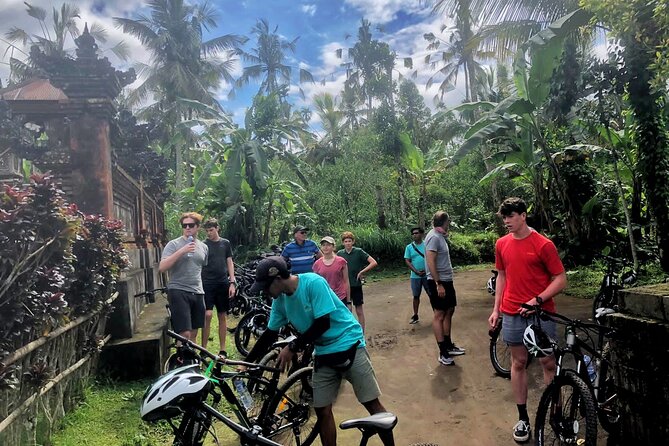
You begin at Balai Desa Pekraman Pukuh, where you choose a bicycle and get it set up for comfort. This step sounds basic, but it’s actually important. If the bike feels wrong—seat height, handle position, pedal fit—you’ll spend the whole ride thinking about your body instead of the views.
Then your guide explains bicycle basics and how the ride works. The goal is to help you feel confident before you start rolling through the lanes.
This is also where the small-group vibe shows up. You’re not just handed a bike and told good luck. You get a proper start, including time to make adjustments.
Plantation Stop: Tropical Fruit, Practical Knowledge, and Local Drinks
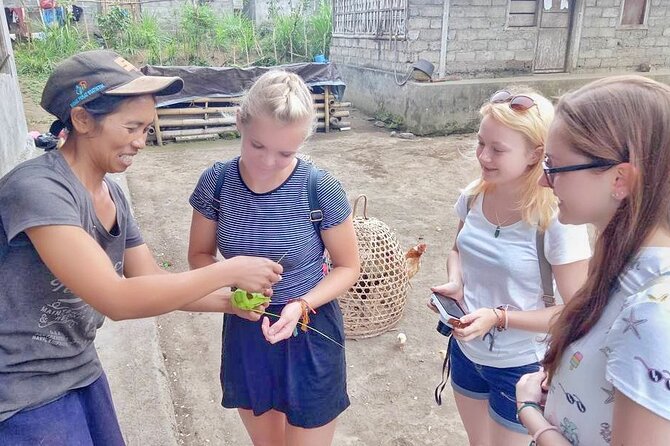
One of the most interesting pauses is the Balinese plantation visit. You’ll learn about traditional and present-day uses of flora. The best part, though, is the sampling: you’ll taste tropical fruits you may not have seen before.
This is the kind of stop that works well even if you’re not a “plants guy.” The learning is grounded in everyday use, and the tastings make it memorable. You’ll also sample Balinese drinks as part of this phase of the day.
What to watch for: ask questions. The plantation stop isn’t just about pictures. If you talk with the guide, you’ll get context about why these plants matter locally—medicinal uses, practical farming roles, and how people think about what grows well on the island.
You can also read our reviews of more tours and experiences in Ubud





Manukaya Ride Segment: Mostly Downhill Village Roads
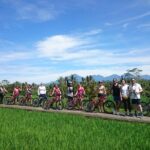
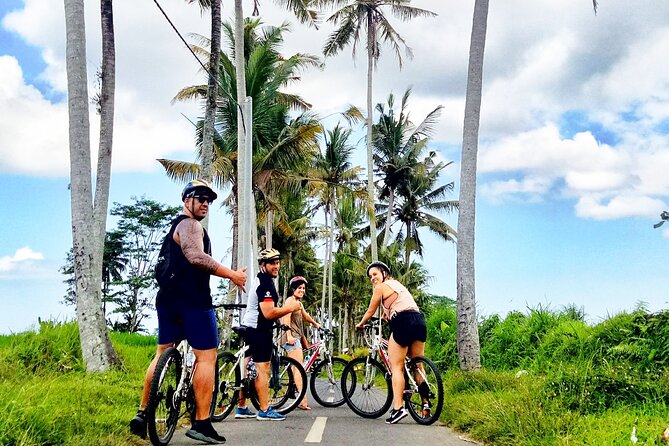
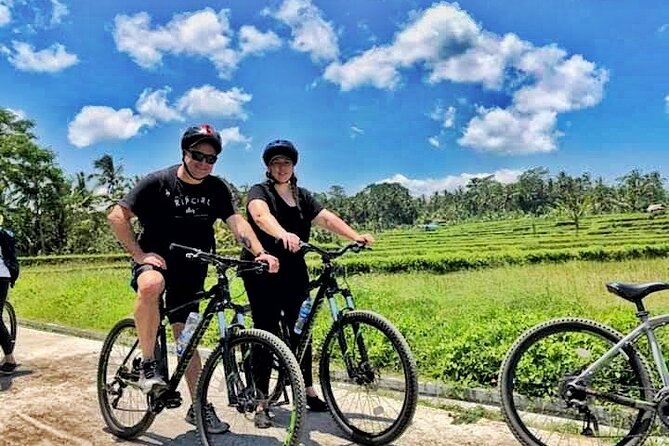
Now for the fun part: the cycling portion along small village roads, with the route described as almost entirely downhill. The total ride time is around 2 hours for this main segment, and it’s where you see Bali as daily life, not a set.
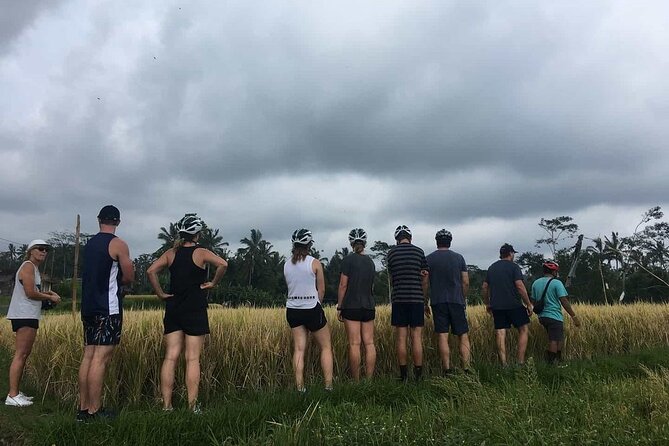
This is the part that tends to land best. You’re not fighting heavy traffic. You’re moving slowly enough to notice details—house fronts, children waving, the texture of the lanes, and the sense that you’re passing through neighborhoods that are very much alive.
In one family example, the ride was described as mostly gentle downhill with only a few short uphills. That’s a helpful expectation setting: it’s not flat like a bike path, but it also isn’t relentlessly steep.
Drawback to consider: if your legs get tense about even minor climbs, keep a relaxed mindset. The guide’s job is to manage pacing. Your job is to go with the flow and treat the uphills like a short workout burst, not a crisis.
A Temple Stop You’ll Feel More Than See
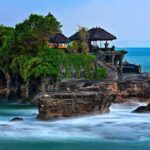
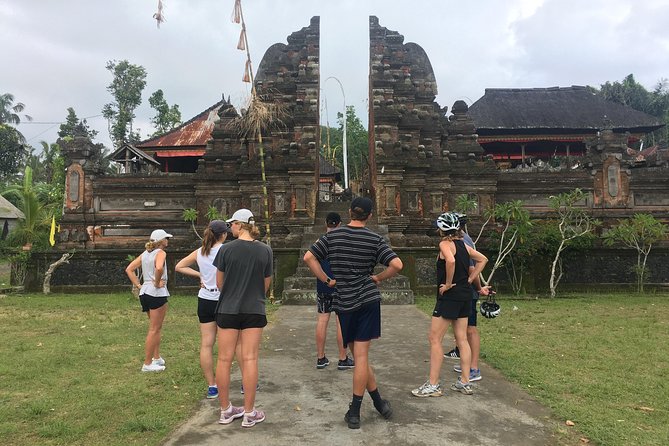
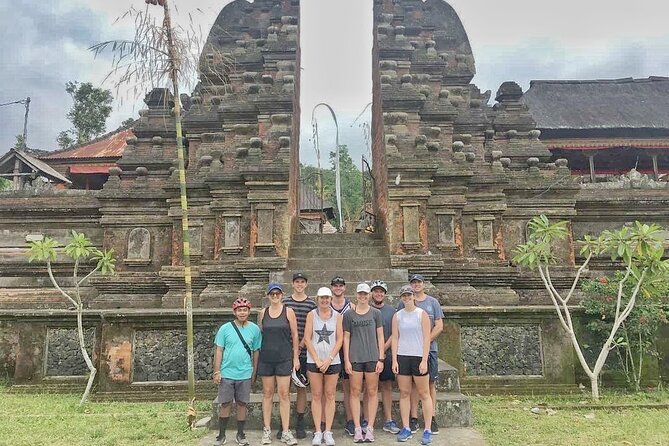
The tour overview also includes a temple stop. The exact timing details aren’t spelled out here, so you should expect it to appear as part of the day’s cultural routing rather than a long, museum-style visit.
This kind of stop usually works well on a bike tour because you’re not stuck looking at ruins for hours. You’re experiencing a living place in between rural scenes—often brief, respectful, and context-rich.
Practical note: dress for temple visits. Even when the program doesn’t stress it, you’ll feel more comfortable if you have clothing that covers appropriately.
Banjar Laplapan Lunch: Balinese Food and Diet-Friendly Options
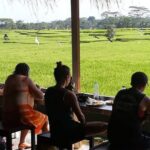
Lunch happens at Banjar Laplapan, and it’s built for recovery. You get Balinese food, plus mineral water and a dessert that’s either ice cream or Balinese fruits.
What I like here is the flexibility. The tour provides options for vegan, vegetarian, and meat lovers. That matters because “diet-friendly” in Bali can mean “you’ll get something edible.” Here, the data you have points to actual accommodation.
You’ll have around 1 hour for lunch. That’s long enough to eat without rushing and short enough to keep the day moving.
Also, one smart detail from the experiences shared with me: lunch timing can be coordinated. In at least one case, the guide handled WhatsApp communication in advance and allowed the group to choose lunch timing (before or after the ride). If this matters to you—especially if you get motion-sick or you want to eat after cycling—reach out and ask ahead of time.
What This Tour Means for Your Fitness Level
This is described as an easy, downhill route. The reality is more like: easy overall, but not completely zero-pedal.
Most people should do fine, especially because the ride is planned around gentle downhill. Still, pay attention to what “mostly downhill” can mean:
- You’ll likely pedal at a relaxed effort for stretches
- There may be brief uphills
- Road surfaces can affect how hard you feel it
One family-sized example included kids aged 13 and 16 with pretty ordinary fitness levels, and they still found it fantastic. That’s a strong indicator that this isn’t only for hardcore cyclists.
If you have a knee injury or serious cycling limitations, you’ll want to think carefully. “Most travelers can participate” is reassuring, but it doesn’t replace your own body’s reality.
Group Size: Why Fewer Riders Make a Better Day
Numbers are capped at just 10 travelers, and the tour also lists a maximum of 15 travelers. Either way, you’re not in a massive herd. You’re in a small group, which tends to make everything feel calmer:
- easier bike adjustments at the start
- fewer people to manage during stops
- more time for questions at the plantation and village sections
- less waiting around during transfers and cultural pauses
If you like tours that feel human—where the guide notices you and the pace isn’t frantic—this is the right size.
What to Bring (So the Day Feels Easy)
Even though the tour provides equipment, I recommend you pack like you’re doing a morning outdoors ride with rain as a possible plot twist:
- a light layer (mornings can feel cooler)
- sunscreen and sunglasses
- water-friendly basics (you’ll have water on the ride, but you’ll still sweat)
- closed-toe shoes with grip (you’ll be happier on uneven ground)
Rain protection is included if required, but it’s not magic. If the sky opens up, plan for wet roads and slower pacing.
Also: keep an eye on your phone and camera. Village lanes can be bumpy, and you don’t want to discover your device is “surprisingly waterproof” only after it’s soaked.
Value and Flow: How the Pieces Fit Together
This tour’s structure is what makes it feel like a real day out rather than a checklist. The sequence matters:
1) Bike fit + briefing so you start confident
2) Plantation education + fruit/drinks so you learn while you’re fresh
3) Downhill village riding so you see daily Bali up close
4) Lunch and dessert so you end satisfied, not just tired
The transfers wrap the whole thing up. It’s a half day, but it doesn’t feel like a rushed commuter errand.
And you get a balance of culture and movement. The plantation stop gives you context. The cycling gives you the sensory version of that context—people, streets, rice fields, and everyday life. Then lunch closes it out with something worth waiting for.
Who Should Book This Ubud Downhill Cycling Tour
This tour is a good match if you:
- want to experience rural Bali without handling navigation or transport yourself
- like cycling at an easy pace with scenic village sections
- want included lunch with diet options
- prefer small-group tours (around 10 riders, max 15)
- are traveling with teens or mixed fitness levels
It’s also a nice choice for people who want something active but not exhausting. If you want a full-on mountain-bike challenge, this probably won’t be your thing. If you want a peaceful, guided ride through the real parts of the island, you’ll likely enjoy it.
Should You Book It or Skip It?
I’d book this tour if your main goal is a calm, downhill-focused Bali day with hotel transfers, lunch, and real village scenery. The price-to-inclusions ratio is strong, and the small-group setup helps the experience feel personal.
I’d hesitate only if you’re very sensitive to climbs or uneven roads, or if you want a long, intense cycling session instead of a half-day paced ride. If weather looks rough, ask about how they’ll handle it, since rain protection is provided but conditions still affect comfort.
If that sounds like you, lock it in. It’s one of those Ubud plans that feels like it belongs to Bali, not just to a travel itinerary.
FAQ
What time does the cycling tour start in Ubud?
The tour starts at 8:00 am.
How long is the tour?
It runs for about 5 hours 30 minutes.
How much does the tour cost?
The price is $45 per person.
Does the tour include hotel pickup and drop-off?
Yes. It includes 2-way transfers from hotels in the Ubud area, with pickup offered.
Is the route difficult?
It’s described as an easy, downhill cycling route. The ride is mostly downhill, with a few brief uphills.
How big is the group?
The tour is capped at just 10 travelers for the experience, and it also lists a maximum of 15 travelers.
What is included besides cycling?
You get a bike, helmet, rain protection if required, fresh fruit, water while cycling, and a Balinese lunch (with dessert).
Are there lunch options for different diets?
Yes. The lunch includes options for vegan, vegetarian, and meat lovers.
Can I cancel for a full refund?
Yes. You can cancel up to 24 hours in advance for a full refund. If you cancel less than 24 hours before the start time, the amount paid is not refunded.
If you tell me your dates and who’s going (age range and any fitness limits), I can help you decide if this “easy downhill” style fits your group.