REVIEW · BALINESE COOKING CLASSES
Afternoon Cooking Class & Making Bali Offering with Dinner
Book on Viator →Operated by Wayan Aris · Bookable on Viator
Your afternoon smells like Bali. This cooking class turns you into part of a Balinese kitchen: you’ll learn spice paste basics and make a canang Bali offering before cooking and tasting up to nine dishes. The one thing to watch is that the afternoon session may not include a market visit, so if ingredient-shopping is a big priority, confirm that part before you go.
I like the fact that the class is family-led and designed for small groups, so the pace feels calm instead of rushed. I also like that you don’t just watch and taste at the end. You cook, adjust flavors, and sit down to a meal you made yourself.
If you’re staying outside central Ubud, you’ll want to plan for pickup costs or arrange it with extra charges in advance.
In This Review
- Key highlights you’ll feel right away
- What this Ubud class is really about
- Timing, pickup, and the 2:00 pm rhythm
- Cold ginger tea and how the host sets the tone
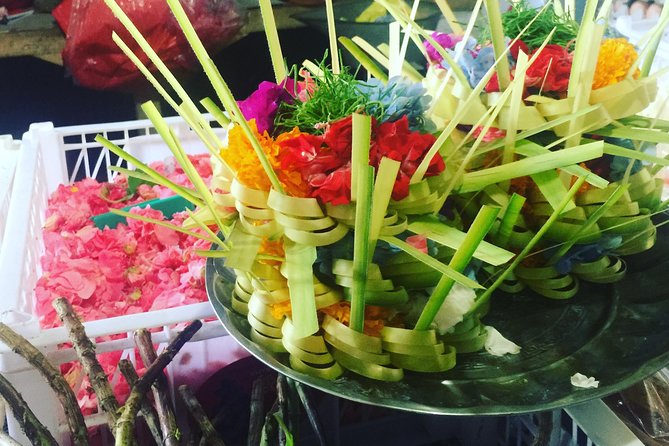
- Making a Canang Bali offering (before the food)
- Spice paste basics: the flavor engine for many dishes
- Cooking up to nine recipes, one taste at a time
- Shopping for ingredients: what to check for the afternoon
- Dinner at the family house: the payoff meal
- Transfers, water, and what you should bring
- Price and value: is $46 a fair deal?
- Who should book this class (and who might not)
- My quick decision: should you book Subak’s afternoon class?
- FAQ
- What time does the afternoon class start?
- How long is the cooking class experience?
- Is pickup included, and where does it cover?
- Is there a market visit in the afternoon session?
- How many dishes will I cook?
- What’s included in the price?
- Do I need cash?
- How big is the group?
- Quick note on the experience provider
Key highlights you’ll feel right away
- Canang Bali offering: you’ll make one during the class, not just learn about it
- Spice paste first: you build the flavor base that powers many dishes
- Cook up to nine recipes: hands-on meals, with tasting as you go
- Small group: capped at about 12 people, so it stays personal
- Cold ginger tea welcome: a simple start that feels Balinese
- Free transfers only for Ubud center: outside the area may cost extra
What this Ubud class is really about
This is not a stand-and-stare cooking show. It’s a practical afternoon where you learn the building blocks of Balinese flavor, then put them to work on the stove and taste what you’re making as you go.
You’re paying for three things that matter in real life: ingredient knowledge, guided cooking, and a full meal at the end. The promise of up to nine dishes is great, but the real value is how you get there—starting with Balinese spice paste, which shows up as a base for many local recipes.
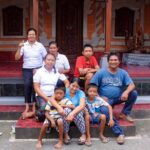
The experience provider is Wayan Aris, and the overall setup is family-run style. That tends to mean a smoother flow and more patience when someone’s cutting too slowly or asking why a spice paste smells so strong (it should).
You can also read our reviews of more cooking classes in Ubud
Timing, pickup, and the 2:00 pm rhythm
The class starts at 2:00 pm and runs about 5 hours. That timing is ideal if you want to fill the morning with temples, cafés, or a walk through Ubud and still end your day with something satisfying.
Pickup is included for Ubud hotel areas in the city center, and drop-off is included too. If you’re outside that zone, pickup isn’t automatic. The policy says you need to request it, and additional charges may apply—so don’t assume your driver will appear.
You’ll meet at Ubud Palace (near F7V7+72R on Jl. Raya Ubud No. 8). The activity ends back at the meeting point. In other words, you’re not stuck figuring out where to go next.
Cold ginger tea and how the host sets the tone
Right when you arrive, you’ll get a welcome drink with cold ginger tea. It’s small, but it matters. The start is designed to get you relaxed and ready to cook, not just handed a lesson plan.
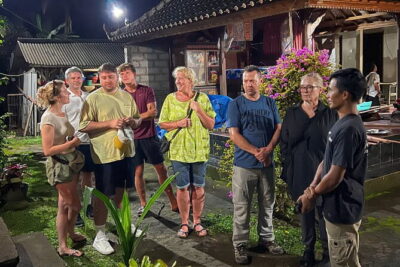
After that, the program moves quickly into family-mode: you’re not only learning recipes, you’re stepping into how a Balinese household thinks about meals—especially around offerings and flavors. The flow stays organized, and since the group is limited (maximum 12), it’s easier for your host to keep everyone on track.
For the best experience, show up a little hungry. You’ll be cooking and tasting throughout, then eating a large meal at the family house.
Making a Canang Bali offering (before the food)
One of the most memorable parts is the Making Canang Bali offering segment. This isn’t an extra craft token. It’s a meaningful start that ties food to daily life in Bali.
You’ll follow along as you create the offering, using the materials and steps your host provides. Even if your hands aren’t naturally steady, you’ll get the guidance to make something you can feel proud of. It also helps you understand that Balinese cooking isn’t just about seasoning—it’s about routine, respect, and community.
A practical tip: wear something comfortable. You’ll be focused, using your hands, and enjoying the process more if you’re not worrying about clothes getting messy.
Spice paste basics: the flavor engine for many dishes
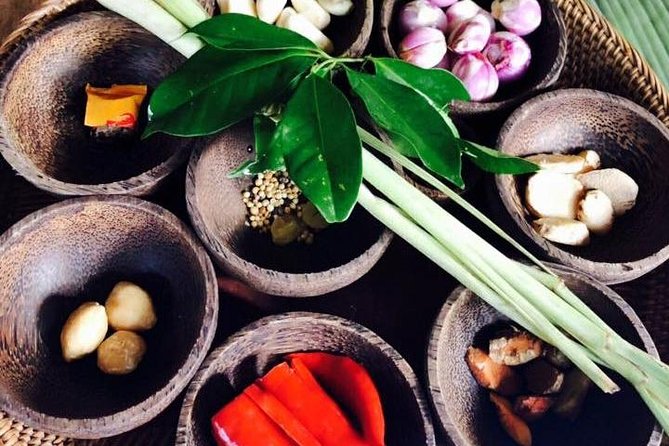
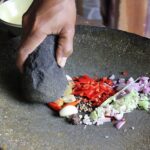
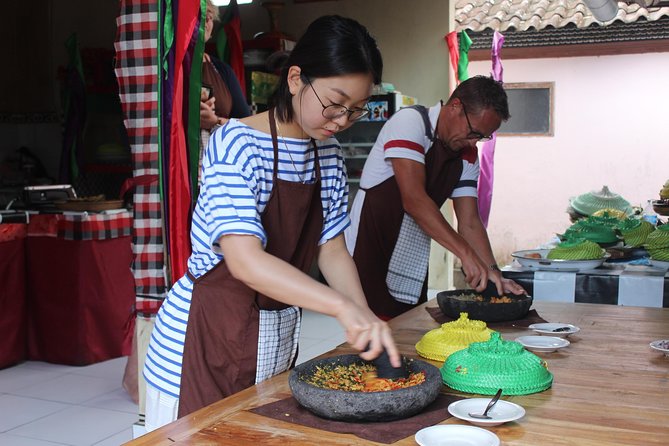
Next comes the big lesson: you’ll make Balinese spice paste, which the class describes as a base used for many of the dishes you’ll cook.
This is where the experience pays off long after you leave. If you only learn one technique, make it this one. A good spice paste changes everything: it affects aroma, color, and depth, and it helps you understand why Balinese dishes taste the way they do.
Expect a step-by-step approach. Your host explains the ingredients and how the paste acts as the foundation. By the time you’re done with this part, you’ll have a flavor framework that makes the next recipes feel more logical.
Also, the pacing is realistic. One helpful detail from people who’ve done the class before is that some preliminary prep may already be done (like meats and some cutting). That means you spend more time cooking and tasting, instead of standing around waiting for everything from scratch.
You can also read our reviews of more tours and experiences in Ubud



Cooking up to nine recipes, one taste at a time
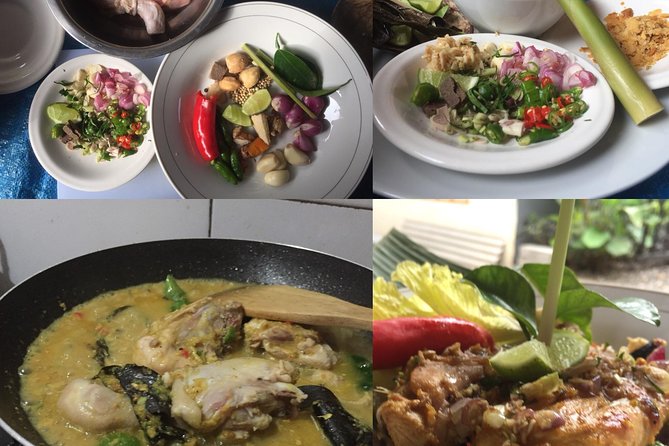
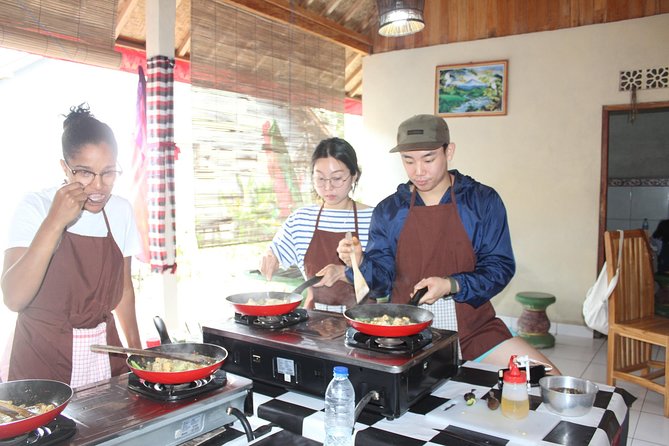
The class is built around you making up to nine Balinese recipes in total. You’ll cook them yourself in the family setting and taste what you’ve made as you go.
That tasting rhythm is a big deal. It prevents the common cooking-class problem where you only learn at the end, after everything’s already served and cooled off. Here, you adjust along the way, so you actually remember what changed the flavor.
Because the meal is hands-on, you’ll learn more than just instructions. You’ll learn timing—when something needs to simmer, when it should thicken, and when it should be removed. Even if you don’t replicate the exact recipe later, you’ll come away with better instincts for spice, salt, and balance.
This is also where your host’s personality matters. The class is described as engaging and friendly, with a chef who explains with passion and keeps things moving smoothly. Since the group is small, explanations tend to land faster.
Shopping for ingredients: what to check for the afternoon
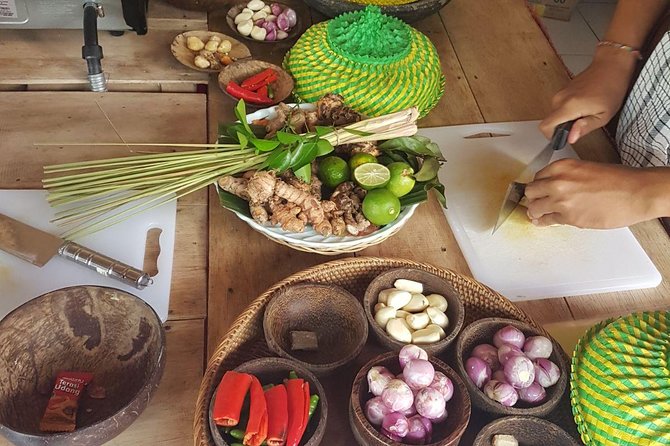
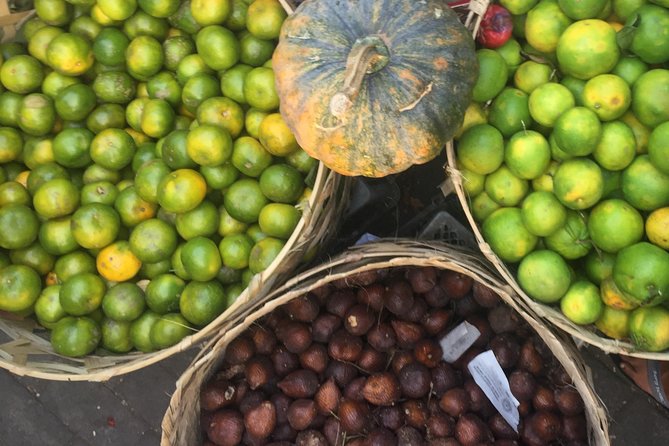
The general description of the experience includes shopping for ingredients in a local market. But the afternoon session specifically notes no market visit.
So treat market time as the one uncertain piece. If shopping at a local market is high on your list, you should ask your organizer before you book. You don’t want to arrive expecting a walk through the stalls and then discover your session is focused only on cooking and offerings.
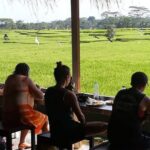
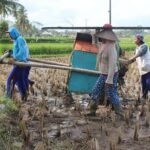
If you do get any extra ingredient context, it still helps. One recurring theme in how this class is described is that it connects ingredients to real processes around Ubud—like rice-related knowledge—so even if you miss the market, you may still pick up why certain staples matter.
Dinner at the family house: the payoff meal
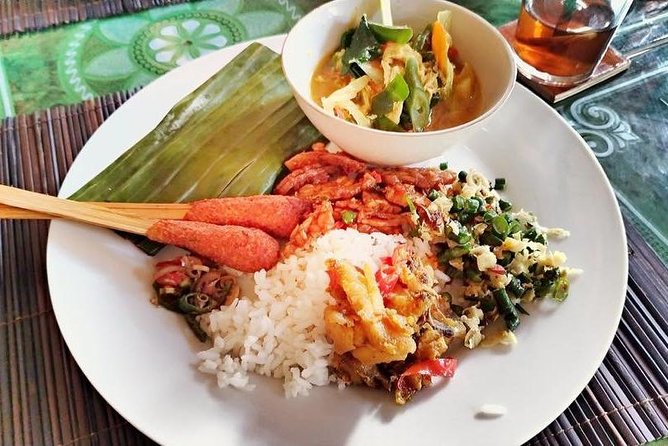
After you’ve cooked, you’ll enjoy your food at your host’s family house. This is the moment the whole class is working toward: a large meal that comes from your own hands.
The experience is designed so you eat together and savor what you made. It’s not just a plate in front of you. It’s a real wrap-up meal that feels like you were invited in, not pushed through a checklist.
There’s also a practical side. Some people like the idea that you might be able to take food home, depending on what’s available and how the meal is packed. If that’s important to you, it’s worth mentioning to your host during the class.
You’ll also receive a shared PDF with 9 Bali recipe copies. That’s a useful souvenir, especially if you want to re-create the dishes later without guessing ingredient amounts.
Transfers, water, and what you should bring
This tour includes round-trip transfers from Ubud center hotels and provides mineral water (and bottled water). There’s also cold ginger tea at the start.
Bring cash money if you plan to buy anything, since the instructions note cash may be needed for purchases. If you’re staying outside Ubud center, you should also be ready for possible additional charges for pickup, since pickup outside the area isn’t arranged automatically.
A simple packing list that makes the class easier:
- Comfortable clothes for hands-on cooking and offering making
- Something you don’t mind getting spice-scented
- Cash for any small extras you might want to purchase
Price and value: is $46 a fair deal?
At $46 for about 5 hours, this class is priced in the “worth it if you want hands-on learning” zone. You’re not only getting a meal. You’re paying for a guided cooking session, ingredient/spice paste instruction, offering-making, and a large sit-down dinner at a family home.
The small-group limit (up to 12) helps justify the cost. With more people, cooking classes often turn into copy-this-recipe while you wait your turn. Here, the structure is set up so you can actually cook, not just watch.
The value gets even better if you’re in central Ubud and qualify for the included pickup and drop-off. If you’re outside that area, the total cost can climb due to pickup charges, so do the math based on your exact location.
Who should book this class (and who might not)
This experience fits best if you want:
- A practical cooking lesson you can use later
- A cultural activity that goes beyond food (the canang Bali offering)
- A family-home dinner with a calm group size
You might want to think twice if:
- You strongly want a market visit as part of your afternoon schedule (the afternoon version notes none)
- You’re short on time and need a very exact ending time (the session is about 5 hours, and cooking takes what cooking takes)
It’s also a great pick for couples and solo travelers. Small group size plus shared cooking usually makes it easy to chat without it becoming a noisy party.
My quick decision: should you book Subak’s afternoon class?
If you’re in Ubud and you want a fun, focused way to learn Balinese flavor, this is a strong choice. The spice paste lesson plus up to nine dishes gives you a lot of real cooking practice for the money. Add the canang Bali offering and the family-house meal, and the experience feels complete instead of one-note.
Just do one homework step: confirm whether your afternoon session includes the market part you want. If you’re okay with skipping that and concentrating on cooking, you’ll likely leave with better skills, better tastes, and a recipe PDF you’ll actually use.
FAQ
What time does the afternoon class start?
The afternoon session starts at 2:00 pm.
How long is the cooking class experience?
It’s listed as about 5 hours.
Is pickup included, and where does it cover?
Pickup is free for hotels in the Ubud center only, with pickup and drop-off included within that area.
Is there a market visit in the afternoon session?
The afternoon class notes no market visit. If you want a market stop, confirm with the provider before booking.
How many dishes will I cook?
You can cook up to nine local dishes during the class.
What’s included in the price?
Included items are the local host cooking class, dinner, mineral water/bottled water, and free pickup and drop-off for Ubud center. You’ll also make the Bali offering and spice paste as part of the activity.
Do I need cash?
The instructions say to bring cash money for buying something, or for additional charges if you go outside Ubud area.
How big is the group?
The maximum group size is 12 travelers.
Quick note on the experience provider
The experience provider for this class is Wayan Aris.