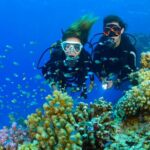
First time underwater, minus the course stress. In Amed, this half-day PADI Discover Scuba experience is set up to help you learn the basics and then enjoy two guided reef sessions—without enrolling in a full certification course. I especially liked the small group size and the fact that the gear is handled for you. The one thing to think about: you must be able to swim and pass a medical check, since the program isn’t recommended for several common health conditions.
You start around 8:30am, and the day is built around comfort and control. You’ll practice breathing and basic skills in protected, pool-like water before heading out to shallow reef habitat, with the option to begin in a resort pool if you’re nervous. You’ll also get snacks and drinks, plus simple, human logistics like pickup and drop-off around Amed and Tulamben.
One more reason this feels worth your time: the instruction style seems consistently patient. Names that come up again and again include Roda, Bukti (also known as Longsor), Coco, Pierre, Sasa, Nyoman, and Kadek—each praised for clear guidance and staying calm while you learn.
In This Review
- Key highlights that make this Amed half-day worth considering
- What you do in Amed: PADI Discover Scuba with no certification
- Hotel pickup, gear fit, and your 8:30am start
- Protected-water practice first: breathing, control, and confidence
- Two shallow reef underwater sessions in Amed’s coral garden
- Marine life expectations, plus the safety reality check
- Price and value: what $121 covers (and why it can be a bargain)
- Who should book this Amed first-time scuba try?
- FAQ
- FAQ
- How long is the experience?
- Are two-way transfers included?
- What gear do I need to bring?
- Is there a limit on group size?
- What do I need to qualify?
- Are there people who should not participate?
- What happens if weather is bad?
- Should you book this half-day in Amed?
Key highlights that make this Amed half-day worth considering
- Two guided underwater sessions: you learn first, then use those skills right away on shallow reef.
- Small max group size: up to 4 participants, so you’re not lost in a crowd.
- Gear included: you only bring swimwear; everything else is provided.
- Hotel pickup/drop-off in Amed and Tulamben: less hassle, more time to enjoy the day.
- Protected-water practice first: pool-like conditions to build confidence before you go out.
- Instructor-led pacing: training is designed to help you get buoyancy control quickly.
What you do in Amed: PADI Discover Scuba with no certification
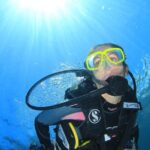
This is a try-something-new scuba-style program designed for people who are curious, but not ready to commit to a full course. The core idea is simple: you’ll learn basic skills under the direction of a PADI instructor, then you’ll experience that slow, weightless feeling people describe as zero gravity—without the pressure of getting certified.
You’re given clear steps and time to practice, not just a quick equipment handoff. After the instructor explains how to use the gear, you practice in protected water with pool-like conditions. Once you feel more comfortable, you move on to shallow reef water where an instructor guides you and keeps things controlled.
Because this is not a certification course, the focus stays on basics: breathing underwater, how to manage your equipment, and how to stay stable (buoyancy) so you can enjoy looking at coral and fish instead of worrying about your body position.
This program is also a good “decision day.” If you end up loving it, you’ll have a clearer idea of what you actually want from a future certification path.
You can also read our reviews of more scuba diving tours in Ubud
Hotel pickup, gear fit, and your 8:30am start
Timing matters on a half-day. With an 8:30am start time, you’ll be set up early enough to complete everything within roughly 5 hours.
The biggest practical win is the included 2-way transfers from hotels in the Amed and Tulamben area. That matters because in a place like Amed, traffic and meeting points can turn into time-sinks. Here, you’re picked up and dropped back without having to arrange extra transport yourself.
Gear is also part of the package. You’ll be fitted with what you need (apart from your swimwear). That’s one less thing to buy, pack, or figure out. It also reduces the chance of an awkward mismatch between your gear and your body type—since the team is doing the setup for you.
A nice touch for the day itself: you get snacks, fizzy drinks, coffee, tea, and bottled water. For first-timers, that kind of simple fuel helps you stay relaxed and present.
Protected-water practice first: breathing, control, and confidence
The training flow is built to reduce fear fast. You begin in protected water that’s described as having pool-like conditions. That’s not just marketing language—it’s the whole point. In calm, limited conditions, you can focus on the basics instead of fighting waves, currents, or depth changes.
You’ll practice core skills with your instructor present. Expect to hear a lot about how to use the regulator, how to breathe steadily, and how to manage your buoyancy so you don’t bounce around or drift into trouble. The goal is to help you get your bearings fast underwater.
If you’re a little scared, there’s an optional approach: you can start with practice in a resort pool before heading into the ocean. That’s smart if you’re anxious about the sensations of water entry and equipment. Even if you think you’re fine, a warm-up like this can make your open-water session feel less like a leap.
One detail I really appreciate: some instructors in this team are known for building skills quickly and aiming for good buoyancy control early. In plain terms, you’re not meant to spend the whole session “waiting.” You should be moving toward comfort and independence step by step.
Two shallow reef underwater sessions in Amed’s coral garden
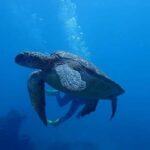
After the skills practice, you get the fun part: guided underwater time over shallow reef. The experience is described as happening in a stunning coral garden, with rich marine life and coral reef.
Your day includes two underwater sessions. Many operators offer only one for first-timers; having a second one is a big value boost. It gives you a chance to apply what you learned immediately, instead of treating the first experience as purely a test run.
There’s also a practical recommendation: the second session is considered the best way to get true enjoyment from the day. If you’re calm and you liked session one, taking session two is how you’ll feel that underwater “flow” rather than just surviving the learning curve.
What should you watch for? The training setup is focused on safety and control, but you should still have time to look around. Amed is known for reef life, and the coral garden environment is ideal for first-timers because it supports the kind of close-looking experience where fish and coral textures stand out.
Depth stays intentionally gentle for first-time participants. The program mentions shallow reef conditions, and instructors in this team have an approach of keeping learning within safe, manageable ranges when conditions allow.
Marine life expectations, plus the safety reality check
Let’s be honest: first-timers don’t always notice wildlife at first. Your brain is busy with breathing, gear, and staying balanced. That said, once you’re more stable, you’ll have real time to look—especially in a shallow reef setting.
Amed’s reefs can be excellent for seeing fish and coral close up, and this experience is built around that. If you’re hoping for a specific animal, the data you have here doesn’t promise any one species. But the setup is designed for people who want more than just a training exercise.
Safety-wise, you should take the health rules seriously. The prerequisites include being able to swim, being medically fit for scuba-style activities, and being at least 10 years old. A medical questionnaire is required, and the program is not recommended if you take prescribed medications or if you have conditions such as diabetes, ear or sinus problems, lung injuries, inner surgeries in the last 12 months, asthma, or allergies (plus other conditions listed in the screening).
Also remember: this experience requires good weather. If conditions are poor and the activity is canceled due to weather, you’ll be offered another date or a full refund.
The takeaway: if you meet the health requirements and you’re comfortable in water, the program is designed to be controlled, supportive, and beginner-friendly. If you’re on the edge medically, don’t assume it’ll be fine—get the screening sorted first.




Price and value: what $121 covers (and why it can be a bargain)
At $121 for about 5 hours, this is priced as an entry experience—not a course. You’re paying for instruction time, equipment setup, guided time underwater, and the logistics of pickup and drop-off in the Amed and Tulamben area.
Here’s why that can feel like good value:
- Gear included means you don’t spend extra on rental or struggle with equipment fit.
- Two underwater sessions for first-timers is a strong “try it twice” value.
- Hotel transfers reduce the hidden costs and time that often make short experiences feel more expensive than the sticker price.
- Snacks and drinks are included, which matters on a morning schedule when you might otherwise skip breakfast or buy snacks that add up.
The only real “value watch” is your own fit for the activity. If you can’t swim, aren’t medically cleared, or you’re hoping for a long, deep exploration, this might not match your expectations. This program is about learning basics fast and enjoying shallow reef time.
Given the small maximum group size (up to 4), you also get a quieter, more guided feel than you’d likely get in bigger groups.
Who should book this Amed first-time scuba try?
This works best for you if:
- You can swim and you’re medically cleared for scuba-style activity.
- You want to test the experience of underwater breathing before committing to certification.
- You like structure: practice first, then fun, with an instructor right there.
- You want an easy day plan with pickup/drop-off and a short schedule.
It might not be your best fit if you’re looking for a long full-day reef safari, you want deep-water exploration, or your medical situation makes scuba not recommended. When in doubt, the required medical questionnaire is there for a reason.
FAQ
FAQ
How long is the experience?
It runs for about 5 hours (half day), starting at 8:30am.
Are two-way transfers included?
Yes. 2-way transfers are included from hotels in the Amed and Tulamben area.
What gear do I need to bring?
The experience includes the scuba equipment you need. You only need to bring your swimwear.
Is there a limit on group size?
Yes. The maximum group size is 4 travelers.
What do I need to qualify?
You must be able to swim, be medically fit for scuba-style activity, and be at least 10 years old.
Are there people who should not participate?
It’s not recommended if you take prescribed medications, or if you have conditions such as diabetes, ear or sinus problems, lung injuries, inner surgeries in the last 12 months, asthma, allergies, or other conditions covered in the medical questionnaire.
What happens if weather is bad?
If the activity is canceled due to poor weather, you’ll be offered a different date or a full refund.
Should you book this half-day in Amed?
If you want a calm, supportive way to see what underwater breathing feels like—without paying for a full certification—this is a strong choice. The combination of small group size, gear included, hotel pickup, and two guided underwater sessions makes it feel like a practical first step.
Book it if you’re healthy enough to pass the medical screening and you can swim. Hold off (or ask more questions) if you’re unsure about safety requirements or you’re hoping for deep-water adventure. For most first-timers in Amed, this kind of structured introduction is the sweet spot.