REVIEW · BALINESE COOKING CLASSES
Private Balinese Cooking Class in Ubud at Santika’s Home
Book on Viator →Operated by Traveling Spoon · Bookable on Viator
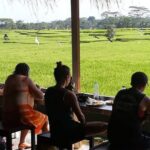
Cooking over rice-field views beats restaurant meals. This private Balinese class at Santika’s home in Pesalakan blends an optional market stop with a hands-on session led by Chef Santika in an open kitchen—so you’re learning how the flavors actually get built. I especially like that you cook from your own station (with a chopping board plus a motor and pestle setup) instead of just watching. I also like the private feel: it’s made for your group, not a crowded assembly line, even though the property may host other travelers.
The one thing to watch is logistics. The home is in Pesalakan village and you’ll typically be driving from central Ubud (about 20 minutes), and transport is only included for hotels within a 10 km radius—staying farther out can mean an extra transportation charge.
In This Review
- Key things that make this cooking class work
- Santika’s Home Base in Pesalakan Village (Rice Paddies Included)
- How the Ubud Pickup Fits a 3-Hour Plan
- Optional Market Tour: Seeing Cassava, Lemongrass, and Spice Reality
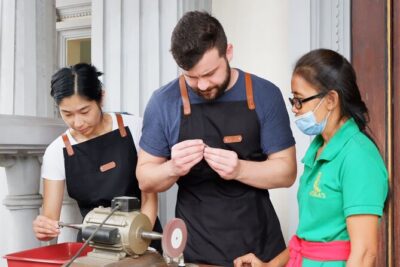
- Your Hands-On Cooking Station (Chop, Grind, Cook)
- The Meal You Make and the Balinese Spice Fundamentals
- Dietary Options: Vegan, Vegetarian, Lactose-Free, Gluten-Free
- Price and Value: Is $68 a Good Deal?
- Who Should Book This Cooking Class (and Who Should Think Twice)
- Should You Book Santika’s Private Balinese Cooking Class?
- FAQ
- How long is the Balinese cooking class?
- Is hotel pickup and drop-off included?
- Does the experience include a market visit?
- What ingredients and produce will I see at the market?
- Can you accommodate dietary restrictions like vegan or gluten-free?
- Is this tour private?
Key things that make this cooking class work
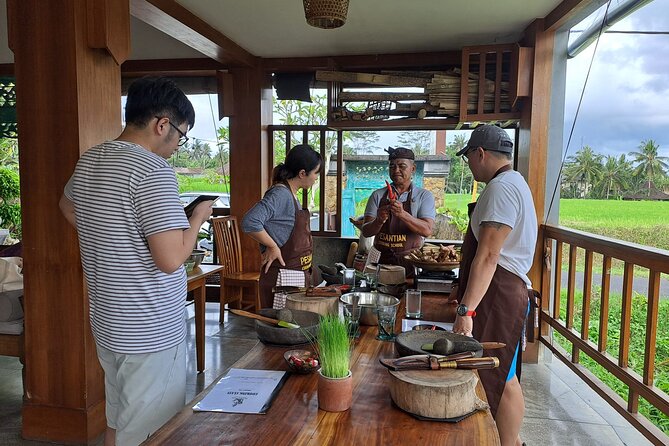
- Chef Santika’s home kitchen: learning Balinese daily-food style cooking from a real local setup, not a show kitchen
- Optional market tour: see produce and spice ingredients used later, like cassava, ferns, lemongrass, and bananas
- Hands-on by design: you get your own work area so you can chop, grind, and cook along with the host
- Seasonal menu flexibility: the exact dishes can shift with what’s available, which keeps it feeling grounded
- Dietary options on request: vegetarian, vegan, lactose-free, and gluten-free are possible if you tell them ahead of time
Santika’s Home Base in Pesalakan Village (Rice Paddies Included)
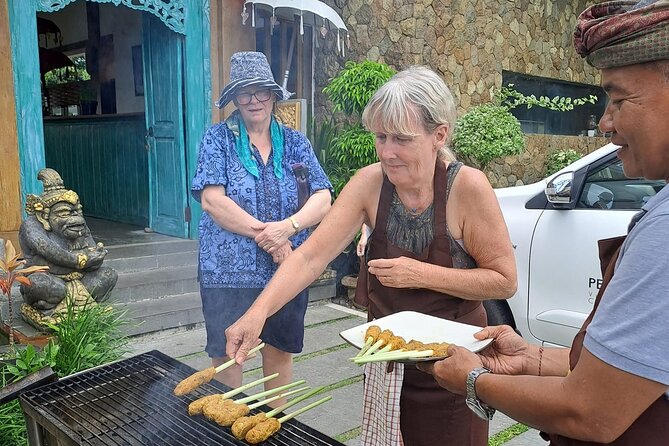
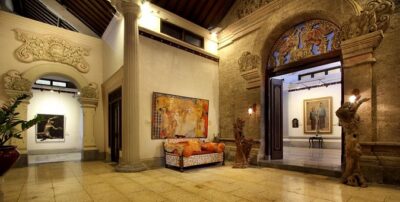
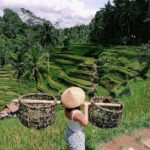
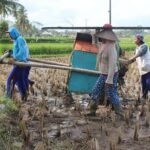
This cooking class starts with the setting. Santika and his wife run a homestay-style home in Pesalakan Village, and the neighborhood is surrounded by rice paddies. That matters because Balinese food isn’t just about flavor—it’s about daily rhythms: ingredients that are grown locally, spices that get handled fresh, and cooking that fits the day-to-day pace.
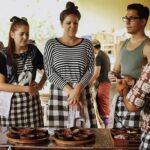
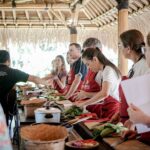
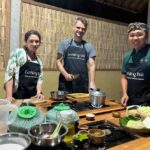
You’ll cook in an open kitchen area where you can actually see what’s happening. The format is practical: you’re not standing behind glass while someone performs. You’ll join Santika as you prepare the meal, and you’ll have a personal cooking station so you can participate instead of orbiting the action.
One more detail I like: even though Santika also operates a homestay and there may be other travelers on the property, your cooking experience is described as private. In other words, you should expect your group to be the focus during class time, not one more shift among many.
You can also read our reviews of more private tours in Ubud



How the Ubud Pickup Fits a 3-Hour Plan
This activity runs about 3 hours total. That’s a sweet spot if you want a food-focused experience without losing your whole day to buses and waiting around.
Pickup and drop-off are offered from your central Ubud hotel. The exact coverage is limited: prices include round-trip transport only if your hotel is within a 10 km radius from Santika’s home in Pesalakan. If you’re staying beyond that, you’ll need to pay an additional transportation charge.
Why I think this matters: the “value” of the class isn’t just the $68 price—it’s the fact that transport can be included for many centrally located stays. If you’re farther out, the effective cost creeps up, so it’s smart to check your hotel’s distance before you fall in love with the idea.
Also note: the experience is near public transportation, which can be helpful as a backup plan if something runs late. The class still sounds like a smooth, scheduled pickup-and-return setup, though.
Optional Market Tour: Seeing Cassava, Lemongrass, and Spice Reality
If you choose the market-tour option (the market + cooking grade), the experience adds a local market stop before you cook. This is one of those upgrades that can change how you experience the meal afterward.
Here’s what the market visit is designed to do:
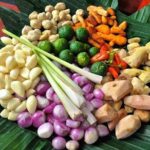
- Get you familiar with Balinese produce and common ingredients
- Point out items like cassava, ferns, lemongrass, and different bananas
- Let you potentially buy spices or vegetables that are in season, which you’ll use later
The practical benefit is huge. When you know what ingredients look like in raw form, you understand why they behave the way they do in dishes. Lemongrass is one example: once you’ve seen it and handled it, you’re more likely to notice the aroma change when it hits heat and spices.
There’s also a small trade-off. If you’re the type who doesn’t enjoy markets, or you’d rather spend every minute cooking, skip the market option and go straight to the home kitchen. The cooking class itself is still the main event.
Your Hands-On Cooking Station (Chop, Grind, Cook)
The hands-on part lasts about 1.5 hours, and it’s structured so you’re actively cooking. That’s the core reason this class feels like more than a meal.
You’ll work with:
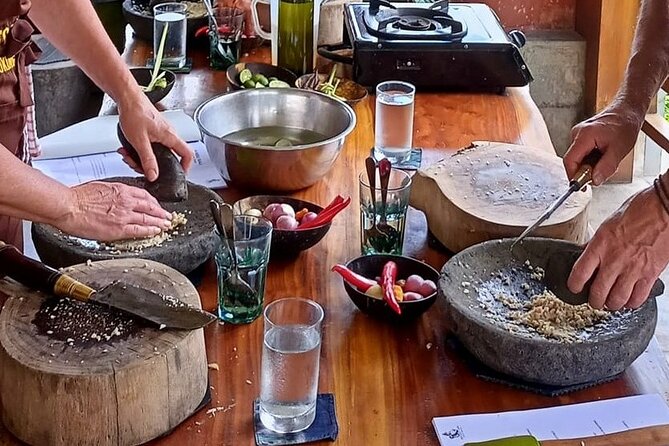
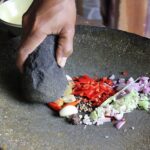
- A chopping board
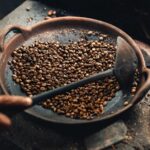
- A motor and pestle setup for grinding (a key part of Balinese spice work)
- A stove to cook your dishes
This is a great combination for learning “how” instead of only learning “what.” Grinding spices by hand or with the appropriate tool tends to change the texture and aroma in ways you can feel, not just read about.
You’ll help cook a range of traditional Balinese daily dishes. Exact dishes can vary because the menu may change depending on the season, which is realistic in a food culture that follows what’s available. So if you’re planning around a specific dish you saw online, keep your expectations flexible.
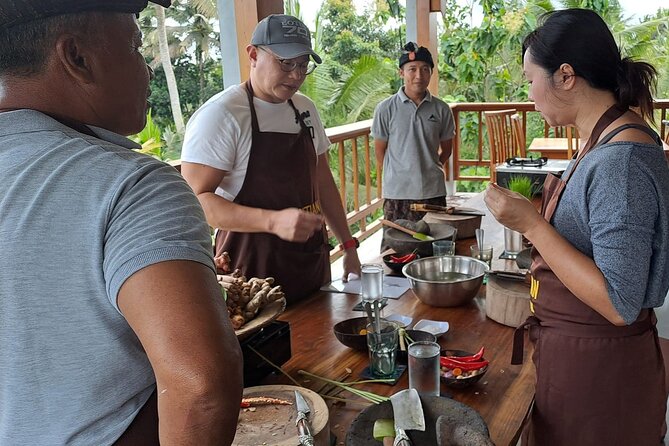
One more thing: you’ll cook along with Santika as your host. That means you can ask questions as you go. Even if you’re not a serious home cook, this setup usually helps you get your bearings fast: what to chop first, what to grind, and when flavors start to bloom.
The Meal You Make and the Balinese Spice Fundamentals
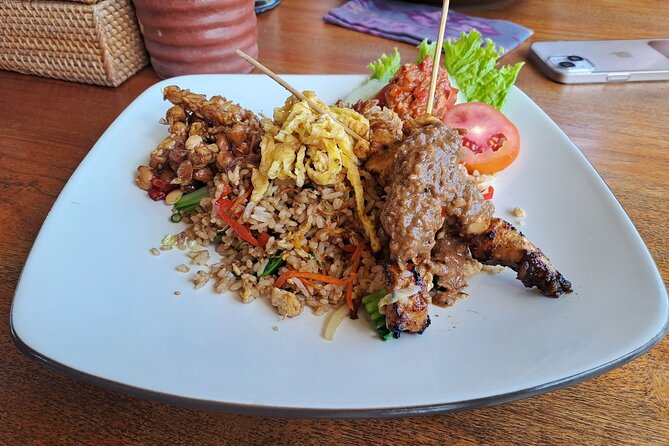
After that cooking session, you eat the homecooked Balinese meal you helped prepare. This is where the class earns its keep. A restaurant meal can be great, but it won’t teach you why it tastes the way it does.
From the way Santika teaches, the big takeaway is the fundamentals: how Balinese flavors come together through spices and daily dish technique. In the feedback, people highlight that Chef Santika brings a strong spice experience and explains the process in a fun, learnable way. That lines up with what you’d hope from a private home class: clear guidance plus real-time correction.
If you’re interested in what makes Balinese food distinct, pay attention to these during cooking:
- The grinding step and how it changes scent
- How ingredients are combined into a workable paste or mixture
- The timing of cooking when flavors deepen
Also, because the menu can vary by season, the lesson is less about memorizing one recipe and more about understanding the building blocks. That’s useful if you want to recreate something later, even if the exact dish isn’t identical.
And yes, this format can work for families. Some feedback notes that children enjoyed the experience too, which makes sense: you’re doing hands-on steps and you get to eat what you make.
You can also read our reviews of more cooking classes in Ubud
Dietary Options: Vegan, Vegetarian, Lactose-Free, Gluten-Free
Food needs are never a small matter, and this class makes a clear attempt to handle them. They note that vegetarian, vegan, lactose-free, and gluten-free options are available on request.
Important practical note: if you have allergies, dietary restrictions, or specific cooking preferences, you need to advise the host at booking time. That’s the only way to make sure the substitutions and cooking choices are handled correctly—especially for gluten and lactose, where cross-contact and ingredient sources matter.
If you’re choosing this class with dietary needs, I recommend you send a clear message early and list exactly what you avoid. Don’t just say dietary preference in general terms. The more specific you are, the better your odds of a satisfying meal you can actually trust.
Price and Value: Is $68 a Good Deal?
The price is $68.00 per person for a private class with hotel pickup and drop-off (for eligible central Ubud hotels), plus the meal you cook. For a private home experience, $68 can feel very fair—especially when you compare it to the cost of a guided food tour plus a separate cooking class.
Here’s why the value works if you’re staying in central Ubud:
- You get private, personalized instruction
- Transport can be included within a 10 km radius
- You get the ingredients-to-meal story, especially with the market option
- Gratuities are included, so you avoid the awkward afterthought expense
If you’re outside that 10 km radius, transport may cost extra, and that changes the math. Still, the core value remains: you’re paying for a host-led, hands-on cooking lesson in a local home kitchen, not just a plated meal.
The booking pattern also suggests demand. It’s commonly booked around 54 days in advance on average, which usually means people plan for it. If you have fixed dates, I’d book earlier rather than assume you’ll find a last-minute slot.
Who Should Book This Cooking Class (and Who Should Think Twice)
This experience is best for people who want one of these things:
- A practical way to learn Balinese cooking through hands-on steps
- An authentic home setting rather than a commercial cooking theater
- A food-focused activity that fits a half-day rhythm
- A meal experience you can customize with vegetarian/vegan/lactose-free/gluten-free needs (if you request it)
It’s also a strong pick if you enjoy markets and want to connect ingredients to the final dish. The market option is built specifically to show you local vegetables and spices before cooking.
Think twice if:
- You hate market visits and want to skip that part entirely (then choose the class-only option)
- You’re staying outside central Ubud and don’t want the extra transportation charge
- You’re expecting a fixed menu with guaranteed dishes regardless of season (the menu may vary)
Should You Book Santika’s Private Balinese Cooking Class?
If you want a calm, focused Bali food experience with real instruction and a meal that tastes like the work you put into it, I think this is a good bet. The combination of Chef Santika teaching in his home setting, the hands-on tools (including the motor and pestle setup), and the option to start with a local market makes this feel both authentic and genuinely educational.
I’d book it if you’re staying in central Ubud, you care about learning spices and technique, and you’re open to a menu that follows what’s seasonal. If you have dietary restrictions, message them at booking and be explicit, because that’s the difference between a tasty plan and a stressful one.
FAQ
How long is the Balinese cooking class?
The cooking class experience is about 3 hours total, with around 1.5 hours of hands-on cooking.
Is hotel pickup and drop-off included?
Yes, hotel pick and drop are offered for central Ubud hotels within a 10 km radius from Santika’s home. If your hotel is outside that radius, there can be an additional transportation charge.
Does the experience include a market visit?
It depends on the option you choose. If you select the market tour grade, the experience includes a local market tour before cooking.
What ingredients and produce will I see at the market?
The market tour is described as showing local Balinese vegetables such as cassava, ferns, lemongrass, and a variety of bananas. You may also have the chance to buy spices or vegetables in season.
Can you accommodate dietary restrictions like vegan or gluten-free?
Yes. Vegetarian, vegan, lactose-free, and gluten-free options are available on request. If you have allergies or restrictions, you should advise the host at booking.
Is this tour private?
Yes. It’s described as a private, personalized experience where only your group participates.