
REVIEW · BALINESE COOKING CLASSES
#1 Paon Bali Cooking Class with Shuttle Ubud Only
Book on Viator →Operated by Bali Tour Organizer · Bookable on Viator
Cooking in Bali is a lot more fun when you shop first. This Paon Bali class pairs a traditional market lesson with hands-on cooking, so you understand why ingredients matter before you ever touch the stove. I especially like the way you get individual attention while the group stays small enough to feel personal.
You also come away with a short list of practical skills you can actually repeat later, like how to choose fish and produce and what to look for when ingredients are fresh. One possible drawback: pickup is Ubud center only, and other areas cost extra, so plan your lodging location carefully.
In This Review
- Quick Take: What You’ll Like Most (and What to Watch)
- Key Points to Know Before You Go
- Price and Logistics: Is $39 Good Value?
- Stop 1 at Ubud Traditional Art Market: Buying Ingredients Like a Local
- Back to the Kitchen: How the Class Keeps You from Feeling Like an Observer
- What You’ll Cook and Taste: Balinese Classics with Clear Purpose
- Group Size, Attention, and the Real Reason This Feels Worth It
- Timing in Ubud: A Good Option for Busy Days and Airport Gaps
- Pickup: Ubud Center Shuttle Only (Know This Upfront)
- Cancellation and Weather: Plan for a Backup Date
- Who This Cooking Class Is Best For
- Should You Book Paon Bali Cooking Class with Shuttle Ubud Only?
- FAQ
- How long is the Paon Bali cooking class?
- Is pickup included?
- Where does the activity start and end?
- Is a market visit included?
- What dishes will I cook?
- Can I choose a vegetarian option?
- How many people are in the group?
- What’s the price?
- Is there a mobile ticket?
- What is the cancellation policy?
Quick Take: What You’ll Like Most (and What to Watch)
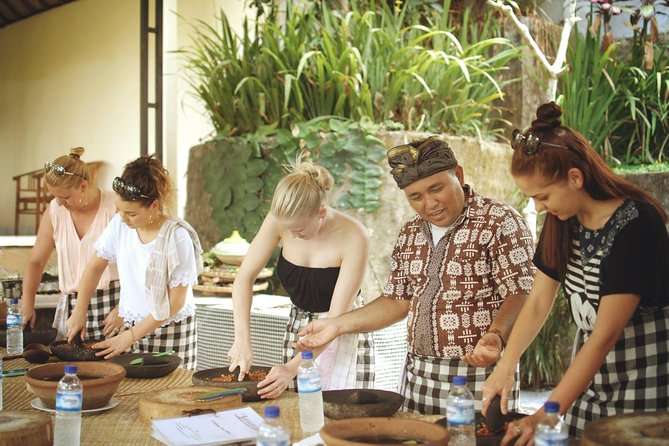
If your goal is more than photos and temples, this is a smart way to spend a few hours in Ubud. You’ll start with a market walk where bargaining and local tastes are part of the lesson, then you’ll cook and eat what you make—classic Balinese comfort food style. The main consideration is that the experience depends on good weather, so expect the provider to adjust if conditions are bad.
Key Points to Know Before You Go
- Market first: You learn ingredient choices and Balinese purchasing habits before cooking
- Small group energy: Maximum 24 people helps keep the class from feeling like a factory
- Both meat and veg options: You can pick a non-vegetarian or vegetarian menu
- Ubud-center shuttle: Pickup is included only for central Ubud (extra for farther out)
- Hands-on tastings: You cook multiple dishes and eat them at the end
- Good vibe hosts: The tone is friendly and fun, not stiff or overly formal
You can also read our reviews of more cooking classes in Ubud



Price and Logistics: Is $39 Good Value?
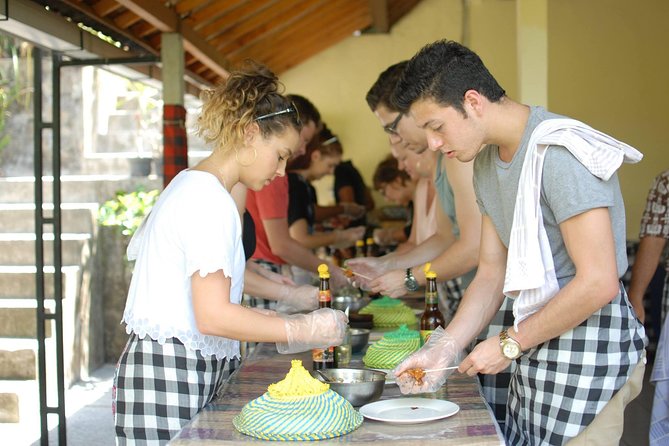
At $39 per person for about 3 hours 30 minutes, this class is priced like a “doable treat” rather than a luxury splurge. The value comes from what’s included: market time, cooking gear, ingredients, and a guided format that’s designed so you aren’t stuck watching from the sidelines.
The pickup is also a real factor. If you’re staying in Ubud center, shuttle service is included, which removes one of the common hassles with food tours. If you’re farther out, there’s an extra charge (by car, paid in cash on the day), so your lodging distance can quietly make the trip cost more.
One small detail that matters: the class runs as a group session with a max of 24 people. That’s not tiny, but it’s small enough that you should feel included when it’s time to cook, ask questions, and taste.
Stop 1 at Ubud Traditional Art Market: Buying Ingredients Like a Local
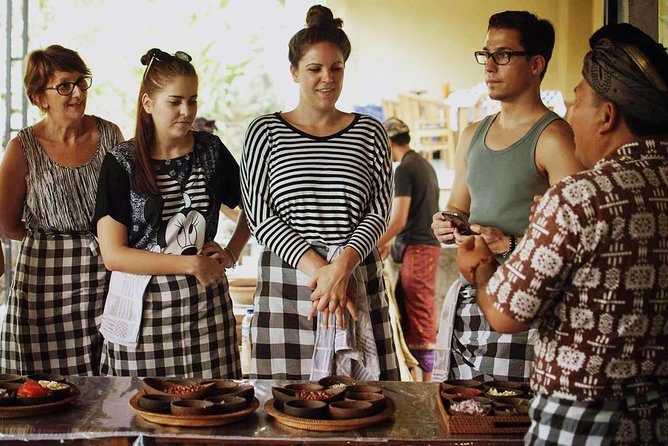
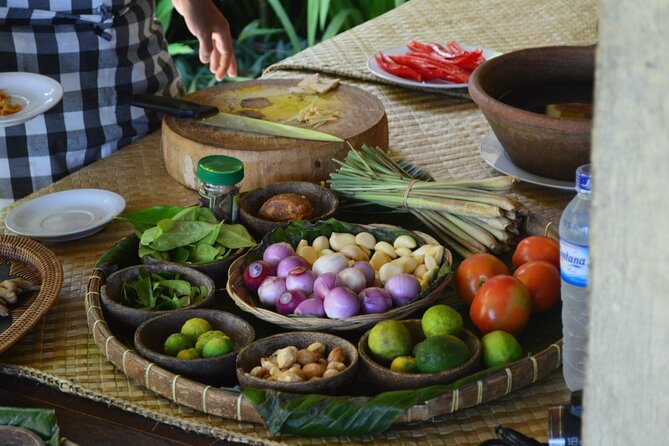
The morning starts with a trip to the Ubud Traditional Art Market, and that first step sets the tone. Markets in Bali open early, and that timing isn’t just a logistical quirk—it shapes how people shop, what’s available, and how you learn to recognize freshness quickly.
In the market, you’re not only picking ingredients. You’re learning the thinking behind Balinese flavors: what locals tend to buy, how they pair ingredients, and what to look for when you choose meat, fish, and produce. You’ll also get a practical lesson in bargaining—useful even outside the market, because it teaches you the rhythms of buying directly from local sellers.
What I like about this part is that it turns cooking into a story you can follow. When later you make dishes like curry or banana-leaf fish, you’re not guessing. You know what the ingredient should smell like and what texture you’re aiming for.
Drawback to consider: market time can be crowded and warm, and you’ll be moving around as you browse. If you prefer long, relaxed shopping in air-conditioned spaces, this may feel busy—still worth it, but plan your pace.
Back to the Kitchen: How the Class Keeps You from Feeling Like an Observer
After the market, you get to the kitchen portion where the teaching style is built around participation. The format is designed so everyone gets attention, which matters because Balinese cooking involves multiple steps—mixing, preparing, and timing. When instruction is too fast or too vague, you end up copying the motions without understanding. Here, the structure is meant to prevent that.
Another thing that improves the experience: the class is set up for either non-vegetarian or vegetarian choices. That way, you aren’t forced into one menu style that doesn’t match your preferences. You also still learn the core technique logic—how Balinese flavors are assembled—rather than just following one fixed recipe.
The overall energy is friendly. One recurring theme is that the hosts bring a fun, easy vibe and keep people involved. That helps a lot if you’re nervous about cooking. You’re not being graded; you’re learning by doing, with guidance right there.
What You’ll Cook and Taste: Balinese Classics with Clear Purpose
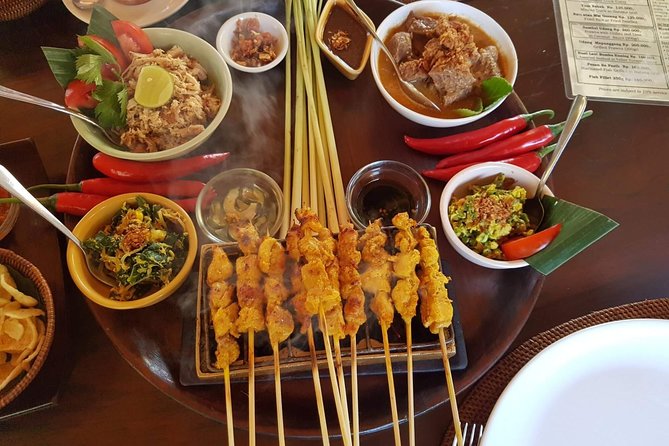
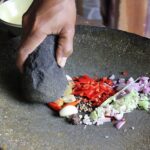
You’ll make several dishes, and each one teaches a specific flavor idea. The class highlights a few favorites, including:
- Chicken in coconut curry: This is where you get a feel for how coconut and spices work together, and how Balinese curry flavor is built.
- Balinese steamed fish in banana leaf: Banana leaf steaming isn’t just a presentation detail. It changes the aroma and helps you understand why ingredients in Balinese cooking often do double duty.
- Boiled banana in palm sugar syrup: This is the dessert lesson—how sweet is balanced and how palm sugar reads on the tongue compared with standard sugar.
- Plus additional dishes: The class includes more items beyond the three listed above, so you end up with variety rather than cooking the same thing twice.
The payoff is that you don’t just sample. You cook, you taste, and you eat what you make at the end. That’s a big difference from “demo-only” classes, where you watch food happen and then leave hungry or uninformed.
If you’re wondering what you’ll actually learn for future cooking: focus on the ingredient choices first (market lesson), then watch how flavor is built step by step. That combination is what helps you recreate the overall “Balinese taste” rather than just copying one recipe line-by-line.
You can also read our reviews of more tours and experiences in Ubud



Group Size, Attention, and the Real Reason This Feels Worth It
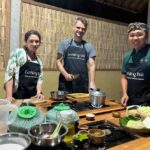
Most cooking classes sell the same promise: learn culture through food. This one adds something practical—attention. With a cap of 24 participants, you’re far more likely to get help when you run into trouble, especially during prep and cooking moments.
In a group of this size, the best classes keep the pace moving but don’t rush you into chaos. Here, the class is built so everybody gets individual attention, which usually means:
- you can ask questions when you’re unsure about an ingredient
- your cooking steps are explained clearly enough to follow
- tasting becomes part of the learning, not just the finish line
This matters if you’re traveling solo or as a couple and want a memorable activity that doesn’t feel like a school assignment.
Timing in Ubud: A Good Option for Busy Days and Airport Gaps
The class runs about 3 hours 30 minutes. That makes it flexible for real-life trip schedules. I like it for days when you want something active but not too long—especially if you’re already doing other Ubud sights and want a break from temples and photo stops.
It’s also a smart choice if you have a waiting gap between hotel check-out and a late flight. Cooking classes are one of the better “use the time” activities because you finish the experience with a full meal in your hands, not just a pile of photos.
Also note: the market tour is described as morning, so plan to be ready earlier in the day. If you’re a late sleeper, you’ll want to shift your morning routine.
Pickup: Ubud Center Shuttle Only (Know This Upfront)
The included transfer is for Ubud Center only. If you’re staying outside that area, expect an extra fee paid in cash on the day. This is one of the easiest things to get wrong when you book without thinking about where your hotel sits.
Practical tip: before you book, check the map distance between your lodging and Ubud center. The class meeting is at Ubud Central Parking, Jl. Suweta No.18, and the activity ends back at the meeting point. Even if you get pickup, your return may depend on the shuttle route setup.
Cancellation and Weather: Plan for a Backup Date
This experience is non-refundable and can’t be changed for any reason, so be sure your schedule is firm. At the same time, the provider notes that the activity requires good weather. If it’s canceled for weather reasons, you’ll be offered either a different date or a full refund.
So the safest approach is simple: book it when you have some flexibility with your day plan, but understand you’re committing money-wise.
Who This Cooking Class Is Best For
You’ll probably enjoy this class most if:
- you want an activity in Ubud that feels hands-on, not passive
- you like learning through practical steps (ingredient buying, cooking technique)
- you’re traveling with a partner and want a shared, memorable experience
- you want to eat well while learning how Balinese flavors are constructed
It’s also a solid fit for food-focused travelers who don’t want to spend their time only hunting for viewpoints.
If you dislike markets, heat, or shopping crowds, you might find the first part a little stressful. Still, the market lesson is a big part of why the rest of the cooking actually clicks.
Should You Book Paon Bali Cooking Class with Shuttle Ubud Only?
I’d book it if you want a genuine food experience that teaches you more than just a recipe. For $39, you’re getting a market visit, cooking ingredients and ware, a guided class format, and a meal built from the food you make. The small-group limit and the focus on individual attention are the big reasons this isn’t just a tourist stunt.
Skip it or reconsider if your lodging isn’t in Ubud center and you’d rather avoid the extra pickup cost. Also pass if you hate morning market environments and you’d rather do a slower, purely sightseeing day.
If you’re staying in Ubud and your schedule allows a morning start, this is one of the more practical ways to get real Balinese flavor before you move on.
FAQ
How long is the Paon Bali cooking class?
It lasts about 3 hours 30 minutes.
Is pickup included?
Pickup is offered for Ubud Center only. Other areas have an extra charge by car paid in cash on the day.
Where does the activity start and end?
It starts at Ubud Central Parking on Jl. Suweta No.18, Ubud, and ends back at the meeting point.
Is a market visit included?
Yes. There is a market tour for morning only.
What dishes will I cook?
You’ll make items such as chicken in coconut curry, Balinese steamed fish in banana leaf, and boiled banana in palm sugar syrup, plus other dishes.
Can I choose a vegetarian option?
Yes. Vegetarian options are available.
How many people are in the group?
The class has a maximum of 24 travelers.
What’s the price?
The price is $39.00 per person.
Is there a mobile ticket?
Yes, a mobile ticket is included.
What is the cancellation policy?
This experience is non-refundable and cannot be changed for any reason. If canceled due to poor weather, you’ll be offered a different date or a full refund.