REVIEW · HISTORICAL TOURS
Crafting Heritage Batik Painting Workshops
Book on Viator →Operated by Five Art Studio · Bookable on Viator
Batik starts with patience, not talent. In Ubud’s countryside, this class at Five Arts Studio turns a traditional hot-wax batik technique into a calm, hands-on afternoon where you can actually finish something beautiful. I like the relaxed studio setup outside Ubud, and I like that the process is guided but still hands-on.
One thing to expect: batik takes time and precision. If you want perfect lines, you might feel frustrated at first—wax doesn’t forgive.
In This Review
- Key reasons this batik class works
- Batik in Ubud without the tourist hustle
- What you’ll make: the wax-resist magic on fabric
- Inside the Five Arts Studio family compound setting
- A 3-hour flow: from sketching to your final batik piece
- Guidance that adapts: work solo or learn right next to the tutor
- Price and value: what $29 buys you (and why it’s fair)
- Who should book this batik workshop (and who should reconsider)
- Small practical tips that improve your results
- Should you book Five Arts Studio in Keliki, Tegallalang?
- FAQ
- How much does the batik painting workshop cost?
- How long is the class?
- What’s included in the price?
- Is lunch included?
- Where does the workshop start?
- Can I get a full refund if I cancel?
Key reasons this batik class works
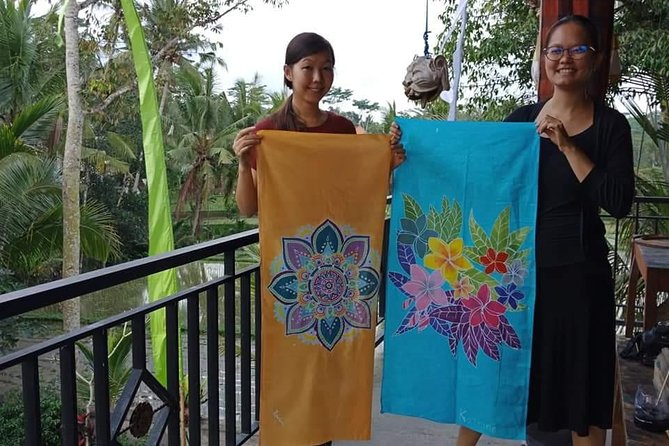
- Small, personal feel with a max of 30 travelers
- You choose your level of help, from working independently to closer tutor guidance
- A family-compound atmosphere gives you a real look at how a Balinese artist lives and works
- Hot-wax resist method in action, where dye only hits selected areas
- Materials and refreshments included (snacks, coffee/tea, and mineral water)
- Great souvenir factor, because you bring home your own one-of-a-kind fabric art
Batik in Ubud without the tourist hustle
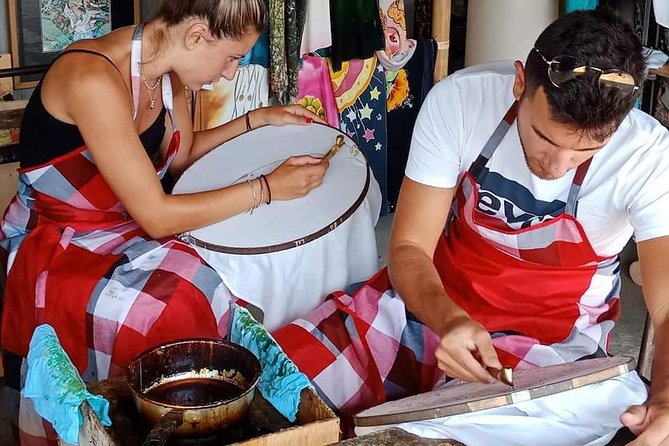
This is the kind of activity that fits into a Bali day when you want something quieter than temples and traffic lines. The workshop runs in a casual, comfortable studio located in a family home compound outside Ubud, which means you’re not boxed into a big “factory class” feeling.
The value here starts with the format. You get a mellow studio setting and enough structure to learn the core batik method without being overwhelmed. And you’re not just watching. You sketch, apply wax, add dye, and participate through the stages with guidance.
You also get something many crafts classes miss: context. The workshop includes an introduction to how batik works and its cultural importance, so the finished piece feels connected to the technique, not just decorative. A few past sessions even included a history overview before hands-on work.
If you’re planning your trip and want a creative break that still feels authentic, this hits that sweet spot.
You can also read our reviews of more historical tours in Ubud



What you’ll make: the wax-resist magic on fabric
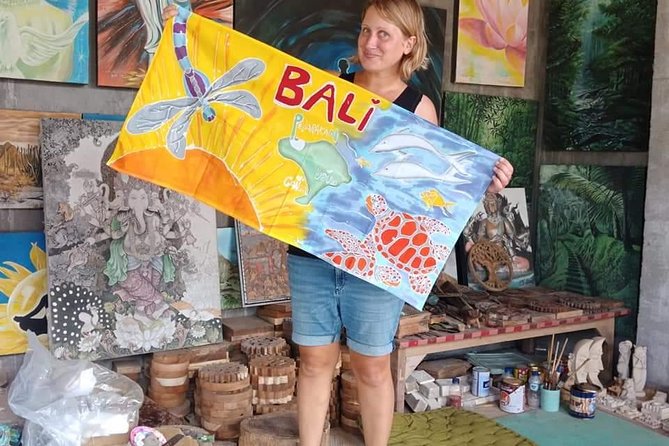
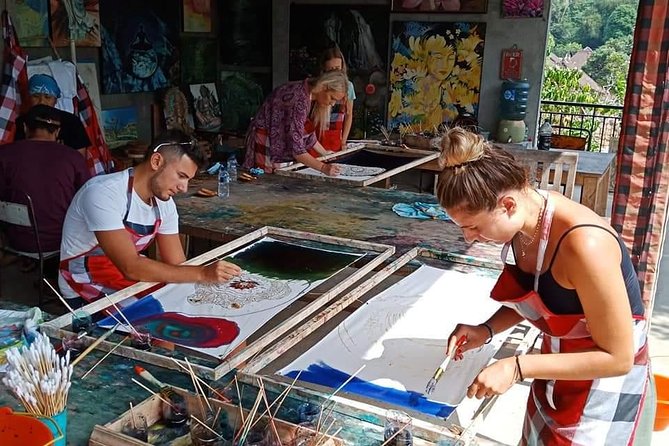
Batik is hand-painted fabric art, and the core idea is simple to explain but tricky to do well. First you sketch out a design. Then you draw it onto fabric using hot wax.
Here’s the clever part: after the wax is applied, you dye the fabric. The wax acts like a barrier. Dye only reaches the parts you selected, while the waxed areas resist color. When the wax gets washed off, the design reveals itself with clean outlines that keep the original fabric color.
That’s why this class is worth your time even if you are not “an art person.” The method creates results that look professional when the steps are followed. It also creates a built-in learning curve. Your first attempt might not be perfect, but it will be understandable, because you can see exactly what the wax and dye are doing.
Design choices can also be flexible. You may work from your own motif ideas, or you might use suggestions and stencils provided during the class. One common theme in positive feedback is how the studio offers stencil options with varying detail, so you can pick something that matches your confidence level.
Inside the Five Arts Studio family compound setting
Your day starts at Five Arts Studio, on Jl. Raya Keliki, Keliki, Kec. Tegallalang, Kabupaten Gianyar, Bali 80561. The session ends back at the same meeting point, so you’re not stretching your schedule across the island.
The setting is part of the appeal. The workshop is held in a casual studio in the family home compound, and that gives you a more grounded sense of place than a dedicated “craft shop” building. You also get the chance to see how a Balinese artist lives and works on-site, which helps batik feel like a living skill, not just a souvenir product.
A lot of the best feedback focuses on the atmosphere: mellow, peaceful, and friendly. Past classes noted that staff members are patient and helpful, and that the studio feels productive rather than staged. That matters because batik can be frustrating if you feel rushed.
For practical planning, keep in mind that the class lists a strong physical fitness level as a requirement. The workshop is creative and hands-on, so you might be sitting and standing around a workspace in a compound setting. If you have mobility concerns, it’s worth thinking through whether you can comfortably handle that style of environment.
A 3-hour flow: from sketching to your final batik piece
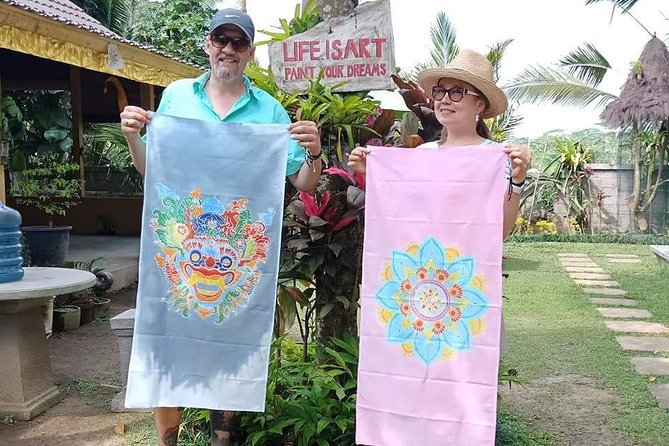
The duration is about 3 hours. That’s long enough to learn the method and finish a piece you can take home, but short enough that it won’t swallow your whole day in Ubud.
Here’s the order you can expect based on how the workshop describes the process:
1) Arrival and setup
You’ll be welcomed in the studio setting and offered included refreshments like snacks, coffee and/or tea, and mineral water. This is a small but real detail. It makes the beginning less chaotic, especially if you arrive early.
2) Learning what batik is and how it works
Before you start painting, you’ll get an explanation of the technique and how wax-resist dyeing creates outlines. Some sessions also include a brief introduction to connect batik to its roots, which helps you understand why the steps matter.
3) Sketch and design planning
You sketch out your design, then move it onto the fabric. If you prefer structure, stencils and design suggestions are typically available. If you prefer creativity, you may be encouraged to bring your own motif ideas or blend suggestions with your own ideas.
4) Hot wax application
Then comes the main work: drawing the design using hot wax. This step takes focus, because wax placement is what controls where dye will and won’t go.
5) Dyeing selected areas
After wax is applied, you dye the fabric. Only certain sections take the color, because the wax protects other areas. This is where your design becomes visible as color separates from waxed areas.
6) Reveal after washing off the wax
Finally, when the wax is washed off, the original fabric color remains along the wax lines, creating the batik look. That reveal is the moment you start understanding the method, not just following instructions.
You do everything through the process yourself, with guidance. That’s one of the big reasons the class gets strong ratings: you get the satisfaction of making something real, not leaving with a kit you’ll never open.
Guidance that adapts: work solo or learn right next to the tutor
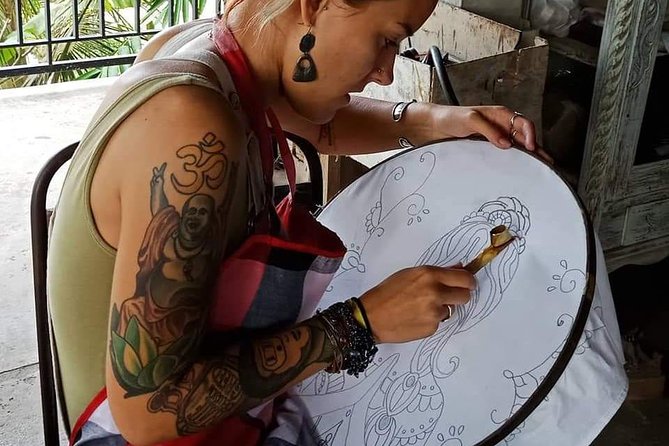
This class has a helpful built-in flexibility. You can choose to work independently or more closely with the tutor. That matters because batik is not “easy” in the way coloring inside lines is easy. It rewards attention and calm.
In the strongest reviews, the staff is described as patient and supportive. Some students specifically mention named instructors. For example, Dika is praised for being very helpful and fun to work with, while Agong is mentioned for giving easy-to-follow guidance and supporting a 6-year-old through the steps.
That style of teaching is practical for adults, too. If you mess up a line or place wax where you didn’t mean to, you still learn from it. The studio’s approach is essentially: keep going, adjust, and trust the technique to produce a pleasing result even with happy accidents.
Also pay attention to the color workflow. Some feedback notes that there are fun ways to blend colors. If you like experimentation, you’ll probably enjoy the chance to play with dye tones while still working within the batik resist process.
You can also read our reviews of more tours and experiences in Ubud




Price and value: what $29 buys you (and why it’s fair)
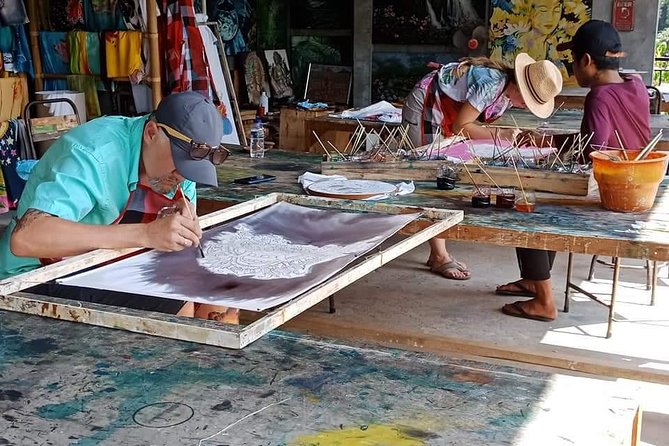
The price is $29.00 per person for about 3 hours, which is strong value for a hands-on craft lesson. You’re not paying just for watching instructions. You’re paying for:
- Guided learning of a traditional technique
- All materials needed to make your own original batik
- Included refreshments (snacks, coffee/tea, mineral water)
- The studio experience and an opportunity to learn how a Balinese artist works in a family compound setting
In many parts of Bali, you’ll see “craft experiences” that end up feeling like shopping tours. This class is the opposite. You walk out holding something you made, and the technique is the product.
There is some optional spending you should plan for. Lunch is not included, but local food can be ordered. Alcohol is available to purchase, too. If you’re budgeting tightly, plan to snack during the class and add lunch afterward.
If you like the idea of getting a personal souvenir that isn’t mass-produced, this is a smart use of a few hours.
Who should book this batik workshop (and who should reconsider)
I think this workshop is a great fit for three groups:
- Beginners who want structure. You’ll get steps for sketching, wax, and dyeing, and you can work at a pace that makes sense.
- Art-minded travelers who like process. Batik isn’t just about the final look. It’s about understanding wax resist dyeing.
- Families and mixed-age groups (including kids). One review calls out help for a 6-year-old, which suggests the studio can adapt to different ages and attention spans.
You might reconsider if:
- You need a very fast, low-focus activity. Wax work needs attention, and the result improves when you can stay calm.
- You have mobility limits that make it hard to move around a compound workspace. The experience lists a strong physical fitness level, so be honest about what you can handle.
The best mindset is simple: aim for learning first. Your “perfect” piece isn’t the goal. The goal is understanding how batik becomes batik.
Small practical tips that improve your results

These come straight from how wax-resist batik behaves in real life, plus the kinds of comments that repeatedly show up in excellent ratings.
- Slow down at the wax stage. If you rush, lines drift. If you go slower, your dye outcome looks sharper.
- Expect happy accidents. Wax placement can be tricky, and mistakes can still turn into interesting patterns once dye is applied.
- Pick a design you can handle. If you’re new, choose something with clear shapes instead of lots of micro-detail.
- Ask for help early. If you’re unsure about sketching transfer or wax thickness, don’t wait until the dye step.
- Think of it as a craft lesson, not a test. The studio vibe described in reviews is supportive, and that helps you keep going when it gets fiddly.
If you go in expecting it to be a relaxing creative workshop, you’re more likely to have the exact experience the class is known for: calm, patient instruction, and a finished souvenir you’ll genuinely value.
Should you book Five Arts Studio in Keliki, Tegallalang?
I’d book it if you want a traditional Bali craft that’s still genuinely doable for beginners. The combination of a hands-on wax-resist process, a calm studio atmosphere, and the fact that you take home your own batik makes the $29 price feel fair.
I’d think twice if you’re chasing a super hands-off activity. This is a create-with-your-hands workshop. If you hate that kind of focus, you may feel stretched. And if perfect lines are your only acceptable outcome, be ready to slow down and accept the process.
But if you want something authentic, creative, and memorable without needing any prior art skills, Five Arts Studio is an easy yes.
FAQ
How much does the batik painting workshop cost?
It costs $29.00 per person.
How long is the class?
The workshop lasts about 3 hours.
What’s included in the price?
Materials are included, along with snacks, coffee and/or tea, and mineral water.
Is lunch included?
No. Lunch is not included, but you can order local food.
Where does the workshop start?
It starts at Five Arts Studio, Jl. Raya Keliki, Keliki, Kec. Tegallalang, Kabupaten Gianyar, Bali 80561, Indonesia, and ends back at the meeting point.
Can I get a full refund if I cancel?
Yes. Cancellation is free, and you can cancel up to 24 hours in advance for a full refund. If you cancel within 24 hours, the amount paid is not refunded.