REVIEW · HISTORICAL TOURS
Full-day Private Cultural Tour of Ubud in Bali
Book on Viator →Operated by Ubud friendly driver BALI · Bookable on Viator
Ubud can be a lot in one day. This private cultural loop hits the big hitters—art villages and Tirta Empul—with smooth, round-trip transport, so you spend less time figuring out logistics and more time looking closely. I especially like the hands-on craft focus (batik, silver work, and wood carving) and how the day mixes sacred sites with great scenery. One thing to consider: like any popular day tour, it runs on a schedule, so you’ll want to be ready for an early start.
The value angle is strong. Pickup is built in from Ubud or south Bali hotels, plus an English-speaking driver and bottled water, and the price also covers entrance fees on the stops included. You get a private vehicle, but the day still feels efficient, not rushed-chaotic.
The main drawback is the same as with any operator: if something goes wrong, it can be hard to fix fast. There’s at least one reported no-show case in the feedback, so I’d make sure you have clear pickup details the day before.
In This Review
- Key highlights to know before you go
- Ubud in One Day: What the 8-Hour Private Loop Really Covers
- Hotel Pickup and a Driver Who Actually Guides
- Art Villages: Batik, Silver, Painting, and Wood Carving
- Tegenungan Waterfall: How to Enjoy It Without Losing the Day
- Tegalalang Rice Terrace (Ceking): Seeing Bali’s Farming Pattern
- Tampak Siring and Tirta Empul: A Sacred Spring Temple Day
- Coffee, Cocoa, and Tropical Fruit: The Tastings Part
- Price and Value: Why $58 Can Make Sense Here
- Practicalities That Affect Your Day: Timing, Fitness, and Dress
- Who This Private Ubud Tour Fits Best
- Should You Book This Ubud Private Cultural Tour?
- FAQ
- What time does the tour start and how long is it?
- Is this a private tour or will I share the vehicle with others?
- Where is pickup available?
- What’s included in the price?
- What is not included?
- What are the main stops on the tour?
- Do we get coffee or tea during the tour?
- What should I wear?
- Is the tour physically demanding?
- What if I need to cancel?
Key highlights to know before you go
- Craft villages with real process: watch batik, silver/gold work, painting, and wood carving in action
- Iconic “picture + meaning” stops: Tegenungan Waterfall, Tegalalang rice terrace, and Tirta Empul
- Driver as an on-the-road guide: you’ll get culture and temple context during the drive
- Lunch stays flexible: the driver waits while you choose your own restaurant
- Coffee and cocoa tastings: learn the processing and try what’s produced
Ubud in One Day: What the 8-Hour Private Loop Really Covers
This tour is designed for one simple goal: give you Ubud’s culture and nature in a single, well-paced day. It’s built around several classic Ubud-area landmarks, but the smart part is how they’re grouped. You don’t bounce randomly across the map. You move through art workshops first, then scenic viewpoints, then sacred water temple, then a food-and-drink themed plantation stop.
The day runs about 8 hours, starting at 8:30am. You’re generally done and back at your hotel around 6:00pm to 7:00pm, depending on traffic and how long you spend at each stop.
If you’re the type of traveler who likes to understand what you’re looking at, this works well. The itinerary isn’t just a photo checklist. The driver is also there to explain culture and temple history while you’re in transit, which helps the day feel cohesive rather than like stop-and-snap.
You can also read our reviews of more private tours in Ubud


Hotel Pickup and a Driver Who Actually Guides
Pickup matters in Bali. Ubud traffic can turn a “simple” outing into a time sink, so I like that this tour includes hotel (or port) pickup and drop-off. You start at 8:30am from your pickup area in Ubud, and you’ll meet the driver there.
You also get an English-speaking driver who can act as your guide. That detail matters because Ubud’s art villages and temples aren’t obvious if you only look from the outside. When someone can explain what you’re seeing—why temples are built the way they are, or what craft traditions are tied to—you absorb more without needing a separate guide at every stop.
You’ll want to keep a few practical things in mind:
- Dress smart casual (you’ll also be dealing with temple requirements at Tirta Empul)
- Bring patience for a full day drive between areas
- Wear shoes that work on uneven paths and possible damp ground near water
Art Villages: Batik, Silver, Painting, and Wood Carving
This is the part of the day that I think gives you the most “I get it now” feeling. The morning goes to artisan villages where you watch craftsmen paint batik, work on silver and gold processes, and carve wood. Seeing the process live changes your perspective. Batik stops looking like a pattern and starts looking like a craft system: design choices, repeated steps, careful materials, and a lot of time.
You’ll also notice how these villages function as working spaces, not just souvenir stops. That’s where the tour feels most authentic: you’re not only browsing finished products, you’re watching how they’re made.
A practical tip: go in with curiosity rather than shopping mode. If you’re paying attention during the demonstration, you’ll understand what you’re looking at later. That also helps you avoid overbuying. A lot of Bali art varies by technique and finishing level, and process knowledge helps you spot the difference.
One more small win: the driver can explain cultural background while you’re moving between craft areas. It turns the morning from crafts-assembly-line into something more meaningful.
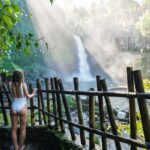
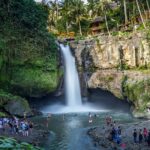
Tegenungan Waterfall: How to Enjoy It Without Losing the Day
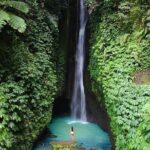
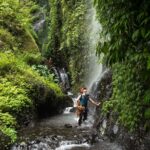
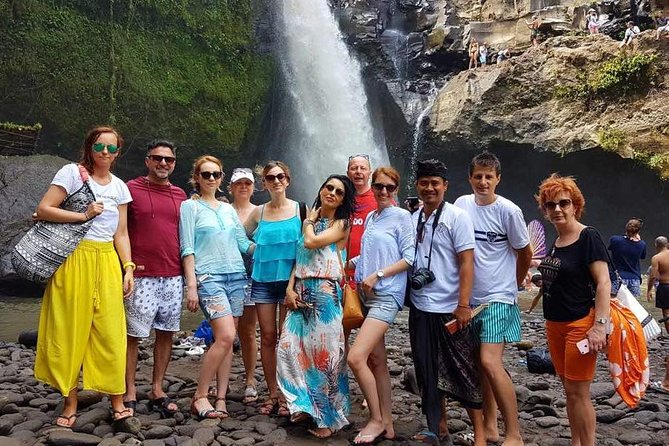
After the artisan stops, the tour heads to Tegenungan Waterfall. This is one of those places where the scenery does most of the talking. Even if you’re not a hardcore hike person, you’ll still get the reward—views of the waterfall and the water’s power—because this stop is designed for day-trippers.
The trade-off is time and conditions. Waterfall areas can be slippery, and you may have a bit of walking depending on the viewpoints available that day. Bring your best non-slip footwear and be ready for a bit of humidity.
Also, set your expectations around photos. The falls are popular, so you’ll likely be sharing viewing space. If you want fewer crowds, aim to pause slightly off the busiest angles and spend time looking at the water’s flow, not just framing the perfect shot.
What I like here is balance. The morning is craft-focused and fairly calm. Waterfall time breaks that up with natural energy. Then you roll into the rice terrace and sacred temple stops, so the day keeps shifting gears instead of feeling monotonous.
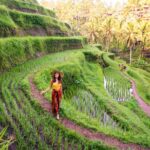
Tegalalang Rice Terrace (Ceking): Seeing Bali’s Farming Pattern
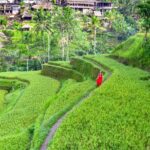
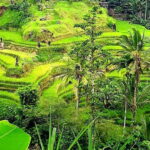
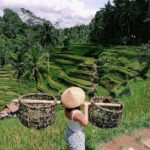
Next up is Tegalalang Rice Terrace, often associated with the Ceking rice terrace area. This is the classic “Bali postcard” view, and the real value isn’t only the view—it’s understanding what you’re looking at.
Rice terraces are more than a pretty background. They show how communities shape land to work with water, slope, and seasonal farming. From the viewpoint areas, you can often see how fields step down in layers. That visual makes it easier to grasp why Bali’s landscapes look the way they do, even when you’re standing far from any farms themselves.
A practical note: bring sunscreen and plan for bright light. Terraces mean open sky. You’ll probably want to spend time scanning for the irrigation channels and how the terraces align.
You don’t need to be a nature expert for this to be worth it. If you like landscapes and want a clear mental picture of how farming creates those stacked green shapes, this stop lands well.
You can also read our reviews of more historical tours in Ubud

Tampak Siring and Tirta Empul: A Sacred Spring Temple Day
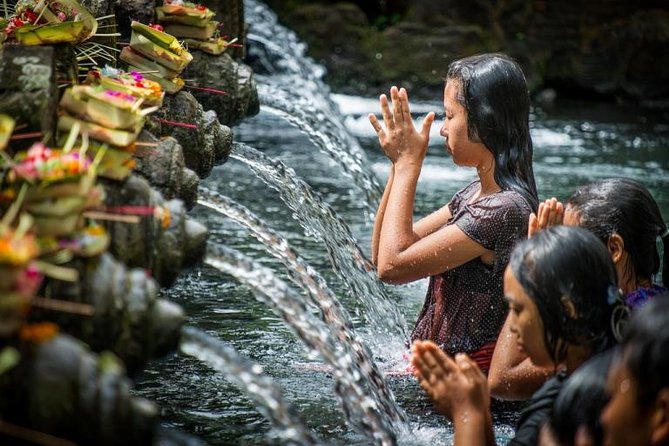
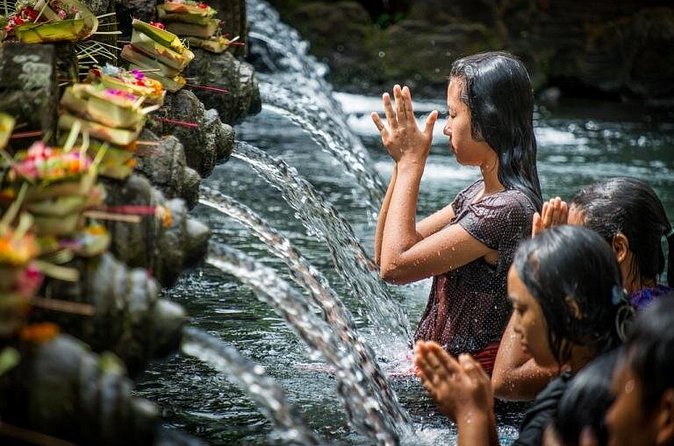
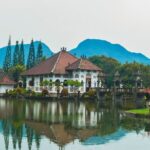
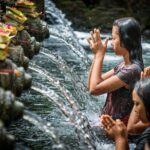
Then the itinerary moves into the spiritual center of the day: Tirta Empul Temple in Tampak Siring. Tirta Empul is known for its holy spring water setting, and it’s one of Bali’s most famous water temple experiences.
This is also where you need the right mindset. You’re not just viewing architecture; you’re stepping into a sacred practice. Even if you don’t join in, spending time here helps you see the temple’s role in daily life and ritual.
The tour is smart in how it handles timing: you reach this after waterfall and terraces, so your mind is already primed for “meaning + scenery.” That makes the temple stop feel like a climax rather than a random change of topic.
Since the tour asks for smart casual dress, you’ll also want to be prepared for modesty expectations around temples. If you’re unsure what to wear, I’d go slightly conservative—think breathable fabric and clothing that covers appropriately.
Coffee, Cocoa, and Tropical Fruit: The Tastings Part
The final stop is a garden of coffee and cocoa, plus a look at tropical fruits. This is a fun ending because it shifts from sacred and scenic to practical everyday life: what people grow, how they process it, and how it becomes part of local culture.
You’ll learn about coffee processing and enjoy complimentary tastings of the coffee and tea produced. That part is a big value add. Many tours end with a shop. This one at least gives you something to do and taste while you’re there.
Also, the fruit and cocoa angle helps you broaden beyond just coffee. You’ll see the tropical crop mix, and the explanations from the driver (or staff at the plantation) can make it feel like a mini lesson instead of a quick detour.
If you have a sweet tooth, be ready. Cocoa often shows up in tastings or samples, and tropical fruit flavors can surprise you even if you think you know what to expect.
Price and Value: Why $58 Can Make Sense Here
At about $58 for a full-day private experience, the value depends on what you would otherwise pay in Bali.
Here’s what your money is doing:
- Hotel/port pickup and drop-off
- Round-trip private transport
- Fuel surcharge
- English-speaking driver
- Bottled water
- Entrance fees for included stops
That mix is the point. A private car plus a driver for a day costs real money on its own. Add entrance fees and guided explanations, and the price starts looking more reasonable.
What’s not included is equally important. Alcohol is extra, and food is on you unless specified. Souvenir photos are available for purchase. If you’re the type who wants a full package with meals included, you’ll still need to plan lunch and snacks. The driver will wait during lunch so you can eat at a restaurant of your choice, but you’ll pay for it.
One more value angle: this is a private tour. That matters when you want flexibility—like spending extra time at Tirta Empul to watch how the ritual works, or lingering at Tegalalang because the light is just right.
Practicalities That Affect Your Day: Timing, Fitness, and Dress
This is built for most visitors, but not for everyone. The tour notes a moderate physical fitness level and a smart casual dress code.
Plan for:
- A long day with multiple stops
- Walking around viewpoints at waterfalls and terraces
- Temple areas where modesty and respectful behavior matter
If you’re sensitive to heat and humidity, bring water (you’ll get bottled water from the tour, but you might still want more depending on the day). A hat and sunscreen also help, especially during the terrace portion.
Finally, because it’s scheduled, you should aim to be ready on time at pickup. One late start can knock everything else around.
Who This Private Ubud Tour Fits Best
This tour is a good match if you want a practical “greatest hits” day that still has substance. It’s especially worth it if:
- You’re in Ubud for a short time and want a solid plan
- You like craft traditions and want to see processes, not just finished items
- You want sacred context at temples like Tirta Empul
- You prefer private transport over piecing together buses and rides
It’s also a good pick for families with older kids since the minimum age is 6 years. Just remember it’s still a full day, with several outdoor stops.
If you’re the kind of traveler who hates structured schedules, you may find the packed agenda tiring. But if you enjoy momentum and want value for your time, this format usually works.
Should You Book This Ubud Private Cultural Tour?
I’d book it if you want a focused day in Ubud that combines craft workshops, two big nature/photo stops, and one of Bali’s standout water temples—plus a tasting-based ending. The $58 price makes more sense because your transport, entrance fees, and driver time are bundled, and the day covers a lot of ground without making you feel lost.
Still, I’d go in with eyes open. The full-day schedule and the private-operator setup mean you should confirm pickup details clearly. If you’re risk-averse, take advantage of any confirmation steps you’re given and double-check meeting points the night before.
If you’re craving an efficient first introduction to the Ubud area, this tour has the right structure to get you oriented fast.
FAQ
What time does the tour start and how long is it?
The tour starts at 8:30am and runs about 8 hours. It typically ends around 6:00pm to 7:00pm.
Is this a private tour or will I share the vehicle with others?
It’s private, meaning only your group participates.
Where is pickup available?
Pickup is available from your Ubud or south Bali hotel area. Cruise port pickup can also be included if you provide cruise details at booking.
What’s included in the price?
Included items are hotel/port pickup and drop-off, fuel surcharge, an English-speaking driver, private transport, and bottled water, plus entrance fees for the included stops.
What is not included?
Alcoholic drinks are not included, and food and drinks are not included unless specified. Souvenir photos may be available for purchase.
What are the main stops on the tour?
The day includes artisan craft villages, Tegenungan Waterfall, Tegalalang rice terrace (Ceking), Tirta Empul Temple in Tampak Siring, and a coffee/cocoa plantation with tastings.
Do we get coffee or tea during the tour?
Yes. At the coffee and cocoa garden stop, you’ll learn about processing and receive complimentary tastings of the coffee and tea produced.
What should I wear?
Dress code is smart casual. Since you’ll visit a holy spring water temple, I’d choose clothing that fits modest expectations and stays comfortable for walking.
Is the tour physically demanding?
It notes moderate physical fitness. Expect some walking and outdoor time at waterfalls and terraces.
What if I need to cancel?
You can cancel for a full refund up to 24 hours before the experience’s start time. The local cut-off time applies.