REVIEW · BALINESE COOKING CLASSES
Vegetarian Ubud Cooking Class Bali
Book on Viator →Operated by Wandernesia · Bookable on Viator
Cooking with spice in Ubud is a shortcut to understanding Bali. This vegetarian class walks you from market ingredients to the “ulekan” grind of spice pastes, then into a full cooking session with a professional chef. You’ll make nine separate dishes and leave with recipes you can actually use later.
Two things I like a lot: the hands-on pace (you’re doing the work, not just watching) and the fact it’s built for vegetarians with tofu, tempe, and fresh veggies. One consideration: pickup can make or break your day, so I’d treat the transfer details as important and double-check them before the start.
In This Review
- Key highlights at a glance
- Vegetarian Balinese cooking in Ubud: what you’re really signing up for
- From pickup to kitchen: the timing and flow that make it workable
- The market and rice-field lessons: why the ingredients matter
- The ulekan spice-paste step: the hands-on part everyone remembers
- Your cooking session: nine vegetarian dishes and what you’ll learn
- What you eat: lunch in the morning or dinner in the afternoon
- Beverages, comfort, and the small stuff that affects the experience
- Transfers in central Ubud: convenience with one important caution
- Price and value check: does $39 make sense?
- Who this vegetarian Ubud class is best for
- The short booking verdict: should you book this class?
- FAQ
- Is this cooking class vegetarian?
- How long is the cooking class?
- What does the price include?
- Do I get to choose between morning and afternoon?
- How many dishes will I cook?
- Is the group size limited?
- Where is the meeting point if I’m not using pickup?
Key highlights at a glance
- Ulekan spice-paste grinding: you get a real feel for how Balinese flavors start
- Nine vegetarian dishes: enough variety to learn techniques, not just one meal
- Central Ubud round-trip transfers: easier for first-timers, less time wrangling scooters
- Morning or afternoon choice: your schedule decides whether you get lunch or dinner
- Max group size of 15: small enough to ask questions without shouting
Vegetarian Balinese cooking in Ubud: what you’re really signing up for
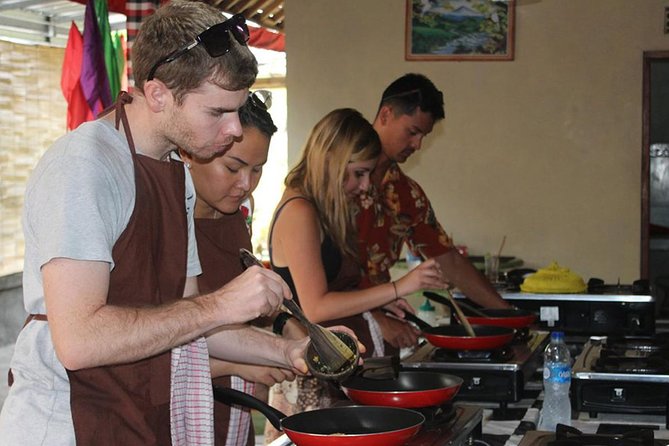
This isn’t a quick demo where you learn names of dishes and admire the kitchen. It’s a structured cooking class that uses the classic Balinese process: source ingredients, build seasoning, then cook. The vegetarian focus matters too. Instead of “leave it out” substitutions, you’ll be working with ingredients like tofu and tempe as core players.
Why that’s a big deal: when you cook vegetarian meals the Balinese way, you learn how flavor is built. It’s not only about swapping meat for protein. You’re learning to balance aromatics, spice pastes, and vegetable cooking so the final dishes taste like Bali, not like plain vegetables with curry powder.
Also, the class is designed for you to take home more than memories. You get a copy file of 9 recipes, so you can recreate what you made after you return and your spices are still smelling like a trip.
You can also read our reviews of more cooking classes in Ubud

From pickup to kitchen: the timing and flow that make it workable
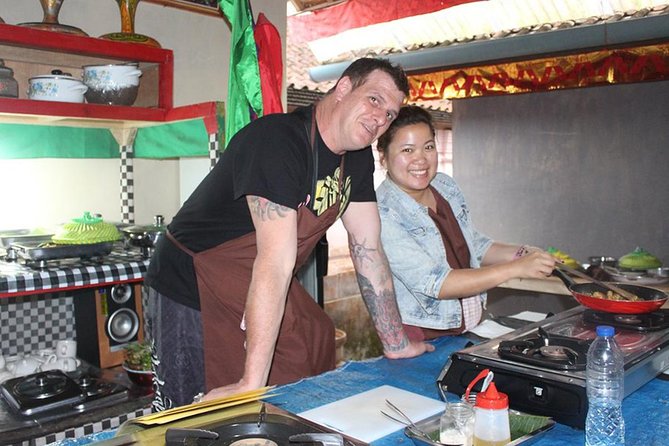
The experience runs about 4 hours. That’s long enough to learn, cook, and eat, but short enough that you won’t lose half your day to traffic and waiting.
You have two ways to start:
- Pickup offered from central Ubud hotels (round-trip transfers are included within central Ubud)
- Or you can meet at the location directly
That flexibility is helpful in Ubud, where some hotels are easy to reach and others sit in lanes that make drivers sigh. For this class, the meeting point is at Subak cooking class & Cooking class in ubud, Jl. Werkudara, Tampaksiring, Kec. Tampaksiring, Kabupaten Gianyar, Bali 80552, Indonesia.
Group size is capped at 15 travelers. Smaller groups usually mean you spend less time standing around and more time cooking—especially important when you’re using tools like the ulekan.
One practical note I’d keep in mind: there’s a real “start time” moment here. If you’re relying on pickup, confirm your timing and have your mobile ticket ready. I’ve seen cases where pickup failure caused serious stress and delayed resolution—so be proactive, not passive.
The market and rice-field lessons: why the ingredients matter
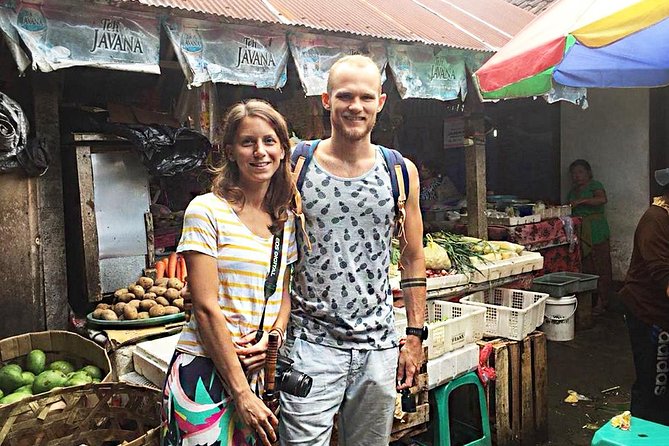
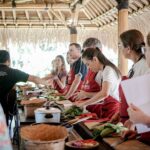
A big chunk of the value of this kind of class is the short lesson that comes with ingredients. In this experience, you’ll shop and prepare ingredients as part of learning Balinese food from the ground up.
You should expect a market visit. That’s where you see what’s fresh and how ingredients are grouped and sold. It also helps you understand what you’re doing later in the kitchen. When you know how an item looks and smells before it’s cut, you cook with more confidence.
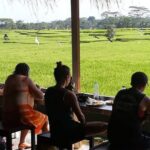
You may also get a rice-field explanation as part of the area context. Even if you’re not a plant nerd, these quick lessons tend to connect what’s on your plate to how food grows locally. It’s the kind of detail that makes your cooking session feel grounded instead of random.
What to watch for: the class notes personal expenses in the local traditional market are not included. That means if you decide you need extra spices, snacks, or ingredients for later, you’ll pay out of pocket. It’s not a dealbreaker—just don’t assume everything is covered.
The ulekan spice-paste step: the hands-on part everyone remembers
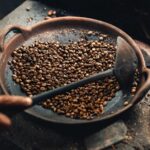
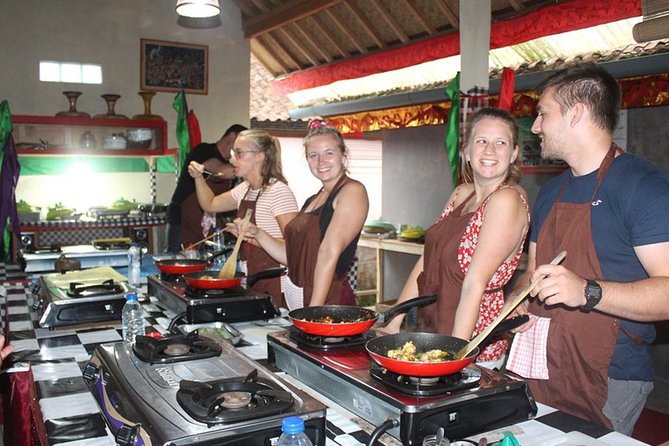
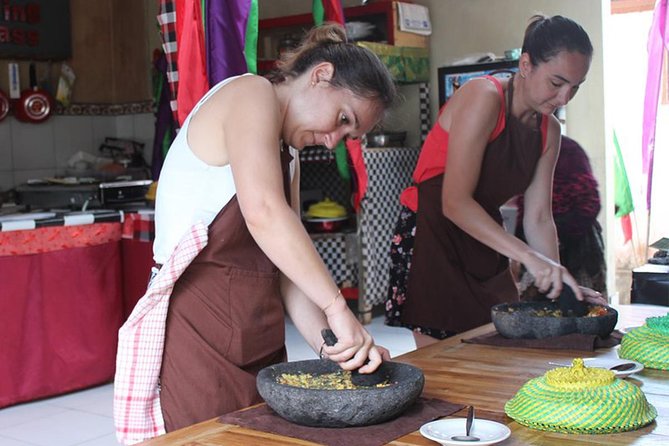
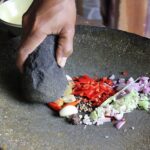
In the kitchen, one of the most memorable moments is grinding spice pastes using a traditional ulekan (mortar and pestle). This is where the class turns from instructions into skill.
Why I think this matters: Balinese seasoning starts with texture. When you grind spices together, you’re not just mixing—you’re releasing aroma and building a paste that clings better and cooks more evenly. Even if you never master the exact same grind at home, you’ll understand the role it plays.
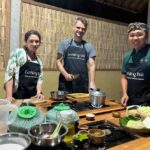
You’ll work with a professional chef who guides the process. The class includes a welcome drink and water, which sounds small, but it helps keep the energy up while you’re doing repetitive chopping and grinding. And because it’s a vegetarian class, you’ll see how the paste and seasonings are applied across tofu, tempe, and vegetables instead of meat-based dishes.
Your cooking session: nine vegetarian dishes and what you’ll learn
The promise here is nine separate dishes, tailored for vegetarians, using tofu, tempe, and fresh vegetables. That number matters. With multiple dishes, you get repetition of core techniques—cutting, seasoning, cooking methods—while still seeing variety in flavors and textures.
Here’s the practical way to think about it:
- You’ll learn to build seasoning using spice pastes
- You’ll practice cooking vegetables in a Balinese style (not just boiling or stir-frying)
- You’ll handle plant-based proteins like tofu and tempe so they don’t end up flat or bland
Even without a full dish list in the details provided, the “nine dishes” structure tells me the class is designed for more than one throw-together meal. You’ll get enough different outcomes to identify what you personally like—some people prefer crisp edges, others prefer saucier dishes, and most vegetarians care about mouthfeel as much as taste.
Then, after cooking, you’ll have a copy file of the 9 recipes. That’s key for value because you’re not stuck trying to remember everything from a memory fog. You can recreate your favorites at home with a roadmap.
You can also read our reviews of more tours and experiences in Ubud

What you eat: lunch in the morning or dinner in the afternoon
The class runs either a morning or afternoon session. The food you receive matches the timing:
- Morning session includes lunch and bottled water
- Afternoon session includes dinner and bottled water
So you’re not only paying for cooking. You’re also paying for a full meal centered on what you made. That’s one reason the cost can feel reasonable compared with classes that end with a tiny tasting portion.
If you’re planning your day, pick your session based on when you normally like to eat. It sounds obvious, but in Bali, your schedule can drift fast. If you’re hungry and tired, you’ll cook less carefully—and you’ll enjoy the results less.
Beverages, comfort, and the small stuff that affects the experience
Included: water and a welcome drink. Other beverages are for purchase. That’s a normal setup for many classes, but it’s worth planning around if you love iced drinks or want something other than water.
Comfort-wise, you’ll be in a working cooking environment for hours. Wear something you don’t mind getting a little food-scented. If you’ve ever left a cooking class and realized your shirt smelled like garlic for two days—yeah, that’s the vibe.
There’s also an equipment component included. You’re not bringing your own tools, which makes this more accessible if you’re traveling light.
Transfers in central Ubud: convenience with one important caution
The class includes pick up & drop off transport service in central Ubud only. This is a huge plus if you’re staying in the core areas where hotel pickups actually make sense. For many visitors, central Ubud is walkable only in short bursts, and taxis + scooters can eat up time.
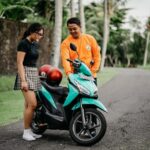
But here’s the important caution. The one negative experience tied to this kind of class wasn’t about food quality. It was about a missed pickup and poor communication while waiting. That’s exactly why transfers matter: if the driver doesn’t show, your day becomes an anxious waiting game.
My advice if you book:
- Confirm your pickup time in advance
- Keep your mobile ticket handy
- If you don’t see the driver at the expected time, contact immediately rather than waiting around hoping it fixes itself
This won’t ruin the experience for most people, but it’s the one risk worth taking seriously.
Price and value check: does $39 make sense?
At $39 per person, the value comes from the combination, not any single line item:
- About 4 hours of hands-on cooking
- Professional English-speaking local chef
- Round-trip transfers from central Ubud (big cost saver if you’d otherwise pay for transport)
- Lunch or dinner, plus water and a welcome drink
- A copy file of 9 recipes
- Cooking equipment included
- Small group size (max 15), which usually means better attention
If a cooking class is just a one-off tasting, $39 can feel high. Here, you’re actively cooking and eating a full vegetarian meal you helped create, plus you’re leaving with recipes. That recipe file alone can justify the class if you actually cook after your trip.
So I’d call it fair value—especially if you’re relying on the transfers and don’t want to figure out timing with a driver.
Who this vegetarian Ubud class is best for
I think this fits best if you:
- Eat vegetarian and want Balinese flavors, not just a generic international veggie cooking class
- Want hands-on learning, including practical steps like grinding spice pastes
- Like structured experiences with enough variety (nine dishes) to keep it interesting
- Prefer a small class (15 max) where you can ask questions without feeling rushed
It may not fit as well if you:
- Are extremely schedule-sensitive and hate waiting on pickups
- Expect a huge meal only if you’re paying for it (you will get lunch or dinner, but the class is still centered on cooking process)
- Want a purely food-tour day with zero cooking time (this is fundamentally a cooking class)
The short booking verdict: should you book this class?
Yes—with a small but smart caveat.
Book it if you want a real vegetarian Balinese cooking experience: market ingredients, ulekan spice paste work, nine dishes, and a recipe file you can use later. The transfers from central Ubud also make it easier and more cost-effective than doing it on your own.
Think twice only if your pickup situation is unclear or you’re staying outside central Ubud, because the only real red flag in the information you were given is about pickup reliability and communication. If you book, be organized: confirm pickup details, show up on time, and keep your ticket info accessible.
If you do that, this is the kind of class that turns Bali food from something you ate into something you can cook.
FAQ
Is this cooking class vegetarian?
Yes. It’s specifically tailored for vegetarians, and the dishes include ingredients such as tofu, tempe, and fresh vegetables.
How long is the cooking class?
The class runs for about 4 hours.
What does the price include?
The price includes a welcome drink, bottled water, a professional English-speaking local chef, cooking equipment, and pickup/drop-off transport in central Ubud, plus lunch or dinner depending on the session.
Do I get to choose between morning and afternoon?
Yes. You can choose a morning or afternoon experience. Morning includes lunch; afternoon includes dinner.
How many dishes will I cook?
You’ll prepare nine separate dishes.
Is the group size limited?
Yes. The experience has a maximum of 15 travelers.
Where is the meeting point if I’m not using pickup?
If you meet at the location directly, the start point is Subak cooking class & Cooking class in ubud, Jl. Werkudara, Tampaksiring, Kec. Tampaksiring, Kabupaten Gianyar, Bali 80552, Indonesia.