REVIEW · COOKING CLASSES
Balinese Cooking Experience
Book on Viator →Operated by The Sankara Resort & Spa by Pramana Experience · Bookable on Viator
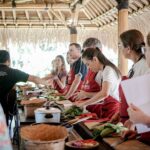
Smell spices, learn fast, eat what you make. This Balinese cooking experience happens in the Sankara Resort area at The Kumbuh Restaurant, with a guided class and a real lunch or dinner on the open lounge deck.
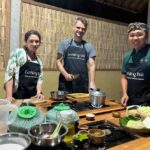
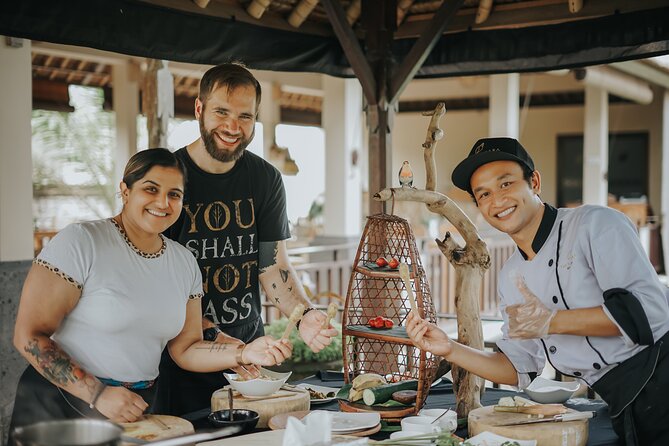
I love the structure: coffee or tea on arrival, two cooking sessions with tastings, then dessert and time to actually enjoy what you cooked. I also like the teaching vibe—when Chef Risma is your instructor, he’s been described as both skilled and very good at making the process feel easy and fun, plus you get a secret recipe gift to take home.
One caution: if you’re aiming for same-day plans, don’t assume it’ll work. In one case, the cooking school had trouble with timing and there was no communication, leading to a cancellation—so follow up and confirm pickup details.
In This Review
- Key highlights you’ll care about
- Why this Balinese cooking class fits Ubud perfectly
- Where the class happens: The Kumbuh Restaurant and open-deck dining
- Morning lunch schedule: the full 11:00 a.m. flow
- Afternoon dinner schedule: the 3:00 p.m. pickup to 6:00 p.m. return
- What you actually do: two cooking sessions, tastings, and dessert
- Chef-led instruction and the secret recipe take-home gift
- Private group format: why it changes the experience
- Price and value: what $52 buys you in the real world
- Practical tips so you’re not scrambling the day of
- Who should book this Balinese cooking experience
- Should you book it?
- FAQ
- Where does the Balinese cooking class start in Ubud?
- Is pickup from my hotel included?
- How long is the experience?
- What are the class times?
- Is this a private tour or shared group?
- What happens during the cooking sessions?
- Do I get coffee or tea?
- Do I receive anything to take home?
- What is the cancellation policy for a full refund?
Key highlights you’ll care about
- Resort-area setting at The Kumbuh Restaurant: easy to reach, with a relaxed atmosphere.
- Two cooking sessions plus tastings: you get repeats of the hands-on fun.
- Dessert session and time to enjoy your food: it’s not just a demo.
- Chef-led secret recipes and a take-home card/gift: practical for cooking later.
- Private group format: only your group participates, so questions are easier.
- Timing matters for smooth pickup: plan ahead instead of banking on last-minute changes.
Why this Balinese cooking class fits Ubud perfectly
Ubud is great for culture, crafts, and day trips. But this experience gives you something more satisfying: you leave with food skills you can repeat. The whole setup is in the resort zone around Kumbuh, so you’re not spending half the day in traffic or hunting for a location.
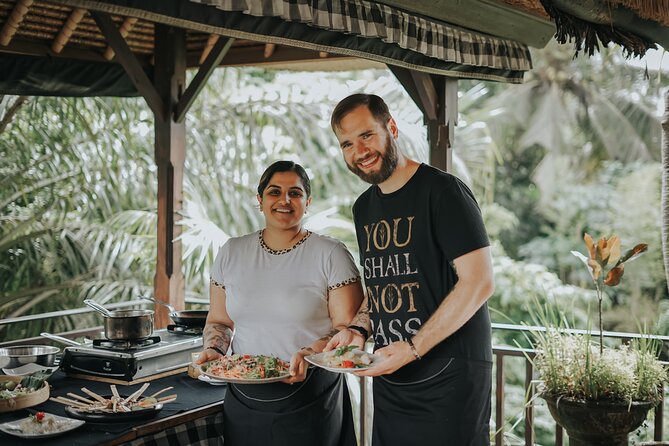
What makes it work is the pacing. You don’t just watch. You cook, taste, cook again, then sit down for the meal. That rhythm helps you remember what to do next time, instead of treating it like a one-time show. And because the meal happens right after the lessons, you get the payoff while everything is still fresh in your hands.
Best of all, it’s built for real people with real schedules. You can choose the morning lunch-style option or the afternoon dinner-style option, both ending back in Ubud after about 1.5 hours of activity.
You can also read our reviews of more cooking classes in Ubud


Where the class happens: The Kumbuh Restaurant and open-deck dining
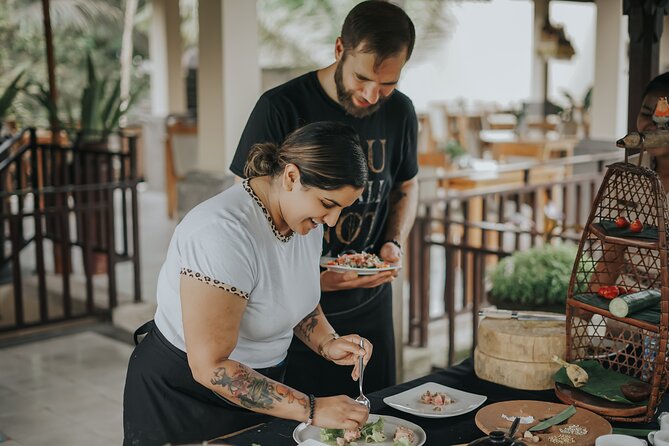
The cooking takes place at The Kumbuh Restaurant in the Sankara Resort & Spa by Pramana area. The class starts from there, and the experience ends back at the meeting point, which makes the day feel simple.
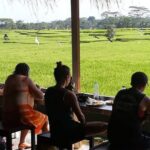
Dining is part of the point. After the cooking sessions, you eat your meal in an open lounge deck setting. That matters because Balinese cooking often includes fresh, fragrant elements, and tasting the food in a comfortable outdoor space makes it feel like a full experience—not a rushed stop.
For logistics, pickup is offered (when available), and there’s also a clear meeting option: The Sankara Resort & Spa by Pramana by Jl. Cempaka, Kumbuh. If you’re staying outside central Ubud, you’ll want to know where to meet so the schedule runs smoothly.
Morning lunch schedule: the full 11:00 a.m. flow
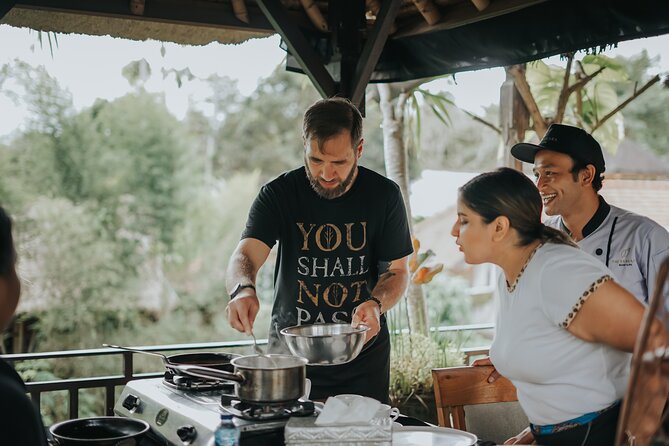
If you like getting your big activity done early, the morning session is the cleanest move. The plan starts with pickup at your hotel at 11:00 a.m. If you’re staying outside Ubud, you’ll meet at Ubud Tourist Information Centre at 11:10 a.m.
Here’s how the class moves from there:
- 11:15 a.m. arrive at the resort
- 11:30 a.m. intro and coffee or tea is served
- 11:40 a.m. Cooking Session 1 with tasting
- 12:30 p.m. Cooking Session 2 with tasting
- 1:00 p.m. dessert session, plus time to enjoy your dish
- 1:45 p.m. end of the class
- 2:00 p.m. back in Ubud
The key benefit of this timing: you finish with enough daylight left to keep exploring Ubud. Also, a morning class tends to feel less rushed because you’re not fighting dinner-time crowds or evening plans.
Small practical note: this format builds in tastings after each cooking session. So you’re not waiting until the end to find out if you’re doing things right—you correct as you go.
Afternoon dinner schedule: the 3:00 p.m. pickup to 6:00 p.m. return
Prefer a later start? The afternoon class sets you up for a dinner meal. Pickup is at 3:00 p.m. from your hotel, or you meet at Ubud Tourist Information Centre at 3:10 p.m. if you’re outside Ubud.
Timeline:
- 3:15 p.m. arrive at the resort
- 3:30 p.m. intro and coffee or tea is served
- 3:40 p.m. Cooking Session 1 with tasting
- 4:30 p.m. Cooking Session 2 with tasting
- 5:00 p.m. dessert session, then time to enjoy your dish
- 5:45 p.m. end of class
- 6:00 p.m. back in Ubud
Why I like this option: it pairs well with a morning market visit or a spa session, then lets you end the day with something useful—food you understand, not just food you eat.
It also helps if you prefer slower mornings. You still get the same teaching structure, but your day keeps more of its flexibility.
What you actually do: two cooking sessions, tastings, and dessert
This is a hands-on class built around repetition. Cooking Session 1 gives you your first set of skills and flavors. Then you taste what you made. Cooking Session 2 follows, and you taste again. That second round is where a lot of people start cooking with more confidence, because you’ve already learned how the kitchen expects you to work.
Then comes dessert. You get dedicated time for the dessert session and then a chance to enjoy the full meal at an open lounge deck area. One past experience was described as a three-course feast, and even if your menu varies, the point is consistent: you’re eating what you cooked, not just sampling a bite.
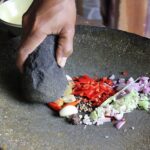
If you want value, pay attention to the tasting moments. Tastings help you understand why Balinese dishes work—often it’s the balance of spices, aromatics, and texture, not one single ingredient. When you taste during the process, you’re more likely to remember what worked.
And because the chef shares secret dish recipes as part of the class, you get practical guidance instead of vague instructions. That matters if you plan to re-create the food later at home.




Chef-led instruction and the secret recipe take-home gift
The heart of the experience is the chef teaching you his recipes. The session is designed so you’re learning the method and flavor logic, not only following step-by-step motions.
Chef Risma has been noted as an amazing teacher in this setting—skilled, knowledgeable, attentive, and able to make cooking feel approachable. If you get him, expect that the class won’t be a stress-fest. He’s the kind of instructor who helps you cook without turning every mistake into a drama.
One of the most useful parts is the take-home gift: you receive the secret recipe as a gift after class. That’s the difference between a cooking show and a class that stays with you. A written or take-home recipe card helps you recreate the flavors later, even if your memory of the lesson gets fuzzy.
Tip for best results: take quick notes on the parts that feel slightly tricky—like the order of adding ingredients or the moment when you stop cooking. Those are the details that make your next attempt taste right.
Private group format: why it changes the experience
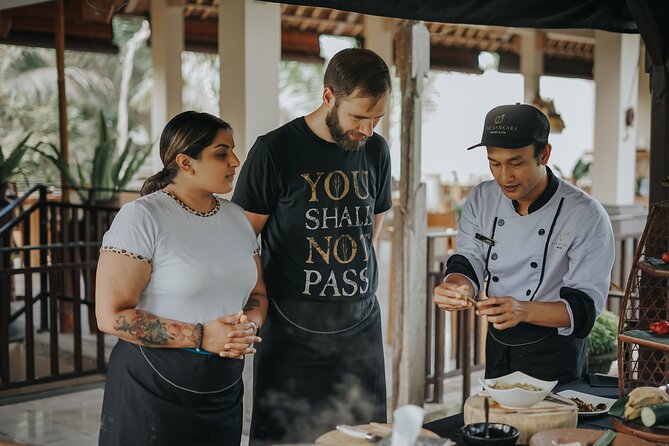
This is a private tour/activity, meaning only your group participates. That matters more than it might sound.
In a private setting, you can ask questions without waiting your turn. You can also move at the pace the class expects while still getting help when you need it. Since the schedule is tight—roughly 1.5 hours of activity—helpful attention can make a big difference.
Private format also tends to feel calmer. You’re not dealing with a big crowd or juggling different learning speeds. That keeps the cooking sessions focused and helps the tastings feel intentional.
The trade-off is simple: private classes can be easier to schedule when you’re flexible, but availability may tighten for last-minute bookings. If you’re traveling on a tight plan, booking earlier reduces stress.
Price and value: what $52 buys you in the real world
At $52 per person, you’re paying for more than just ingredients. You’re paying for a guided chef-led experience that includes:
- pickup offered (depending on your hotel/area)
- coffee or tea during the intro
- two cooking sessions with tastings
- a dessert session
- time to enjoy your meal on an open lounge deck
- a secret recipe gift to take home
- a private group format
When I think about value, I look at “time plus output.” You invest about 1.5 hours in activity, but you leave with a full meal you understand and a take-home recipe you can use later. That’s the kind of value that doesn’t evaporate after the class ends.
Is it for everyone? If you hate cooking, it won’t suddenly make you love it. But if you enjoy eating well and learning how flavors are built, this price structure makes sense for Ubud.
Practical tips so you’re not scrambling the day of
To keep the experience smooth, do these simple things:
- Confirm pickup details clearly: if you’re outside Ubud, you’ll likely need the Ubud Tourist Information Centre meeting option for the scheduled pickup times.
- Choose your session based on your day plan: morning works great for an early full activity; afternoon works well for dinner timing around 5:00 p.m.
- Come hungry (but don’t sprint over): tastings happen during both cooking sessions and dessert adds to the meal.
- Take a small notebook or phone notes: you’re getting secret recipes as a gift, but writing down a few cooking cues helps you repeat the dish later.
- Be proactive with last-minute booking attempts: one reported issue centered on missing communication and same-day timing not working. If you’re short on time, follow up until you have clear confirmation.
Also, you’ll receive confirmation at booking time and you’ll have a mobile ticket. Having that ready reduces friction when you arrive.
Who should book this Balinese cooking experience
This class fits best if you want:
- a hands-on Balinese cuisine experience without a long full-day commitment
- a private setting where you can ask questions
- a practical takeaway you can cook again later with your family or friends
It’s also a good choice if you’re traveling as a couple or small group and want one shared activity that ends with a meal.
If you’re the type who wants museums, temples, and long cultural history stops, this won’t replace that. This is focused on cooking and eating. Think of it as a skill-building food evening or lunch.
Should you book it?
Yes—if you like eating well and learning how the food gets built. The best sign is the format: cooking twice, tasting in the middle, then dessert and time to enjoy your meal, plus a secret recipe gift to take home. For Ubud, that’s a smart use of time.
If your schedule is extremely tight or you’re trying to force a last-minute booking, be careful. Follow up until you have clear pickup and timing confirmation, because one past experience ended in cancellation due to timing and lack of communication.
FAQ
Where does the Balinese cooking class start in Ubud?
The class starts at The Sankara Resort & Spa by Pramana in the Kumbuh area (Jl. Cempaka, Kumbuh). The cooking itself happens at The Kumbuh Restaurant, and the activity ends back at the meeting point.
Is pickup from my hotel included?
Pickup is offered. Pickup timing is 11:00 a.m. for the morning class and 3:00 p.m. for the afternoon class, with a meeting-point option at Ubud Tourist Information Centre at 11:10 a.m. or 3:10 p.m. if you stay outside Ubud.
How long is the experience?
The activity is approximately 1 hour 30 minutes, based on the class schedule provided.
What are the class times?
The morning arrangement starts around the 11:00 a.m. pickup time and ends around 2:00 p.m. in Ubud. The afternoon arrangement starts around the 3:00 p.m. pickup time and ends around 6:00 p.m. in Ubud, with dessert and meal time starting at 5:00 p.m.
Is this a private tour or shared group?
This is a private tour/activity. Only your group will participate.
What happens during the cooking sessions?
You have Cooking Session 1 and Cooking Session 2, with tastings after each session. There is also a dessert session, followed by time to enjoy your dish.
Do I get coffee or tea?
Yes. Coffee or tea is served during the introduction before the cooking starts.
Do I receive anything to take home?
Yes. You receive the secret recipe as a gift so you can impress family and friends later.
What is the cancellation policy for a full refund?
You can cancel up to 24 hours in advance for a full refund. If you cancel less than 24 hours before the experience’s start time, the amount paid is not refunded.