REVIEW · WALKING TOURS
UNESCO Sites Cultural Walking Tour in Bali
Book on Viator →Operated by Friends in Bali · Bookable on Viator
Purification in Bali kicks off the day. This Ubud walk-style UNESCO cultural tour mixes temple ritual with a practical lesson on how water controls rice farming, plus a second cave temple stop that feels calmer and older. If your group gets a guide like Wayan, Nyoman, or Dewa, expect warm, no-fuss explanations and a steady pace through the sites.
I really like the structure: you start with a sacred Tirta Empul purification ritual, then you get fed, then you walk the rice fields while learning how the Subak irrigation system works. The food and breaks also help you stay comfortable enough to enjoy the walking and not just “get it done.” One consideration: this is still a moderate, walking-focused day, and it’s not recommended if you have back problems, heart complaints, or if you’re pregnant.
You’ll be outdoors for a good chunk of the morning to afternoon, so plan for sun and temple stairs. The good news is that your guide handles the key parts—timing, cloth for the ritual, and what to do at each stop—so you can focus on the experience rather than figuring out logistics.
In This Review
- Key highlights you’ll actually feel
- Tirta Empul purification ritual: what you do and what to expect
- The Friends in Bali food break: your real energy refill
- Walking rice paddies with Subak: the irrigation lesson that makes Bali make sense
- Gunung Kawi Sebatu: the cave temple stop that feels different from the main temple
- Price and value: why $58 can work (if you want this style of day)
- How the day runs: timing, group size, and the walking pace
- Temple visit basics: clothes, shoes, and how to act without overthinking
- Should you book this UNESCO Sites Cultural Walking Tour in Bali?
- FAQ
- What is the duration of the UNESCO Sites Cultural Walking Tour in Bali?
- Where does the tour start and end?
- What time does the tour begin?
- Is hotel pickup and drop-off included?
- What does the tour include for food and drinks?
- Are admission tickets included for the temple visits?
- Is the tour suitable for people with limited mobility?
Key highlights you’ll actually feel
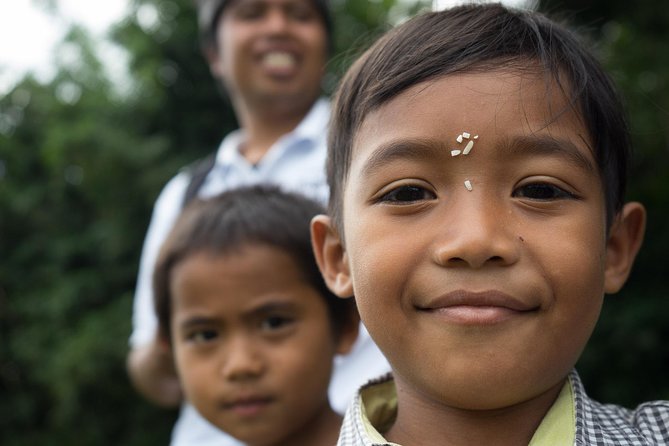
- Tirta Empul purification ritual: You’re escorted through what it means and what you should do
- Food included: A light breakfast and a Balinese lunch with a view at the break spot
- Subak irrigation learning: You walk through rice paddies and connect the dots to a real farming system
- Gunung Kawi Sebatu cave temple: A cave setting with a historic vibe and photo-worthy details (within site rules)
- Small-group feel: Max 20 people, so questions don’t disappear into the crowd
- Hands-on extras: Mineral water, coconut water, ritual cloth, and even a charity contribution to a local school
Tirta Empul purification ritual: what you do and what to expect
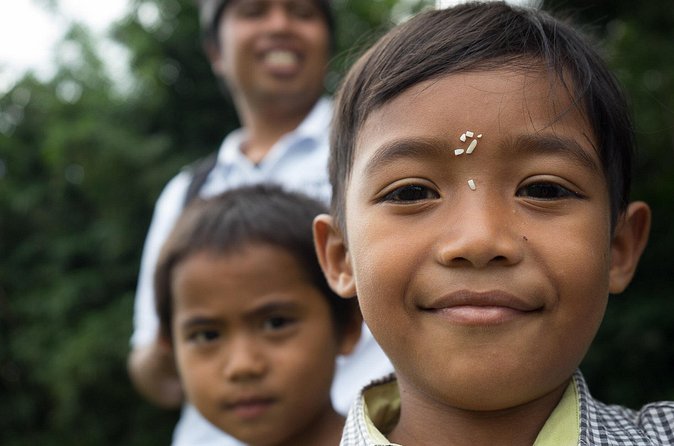
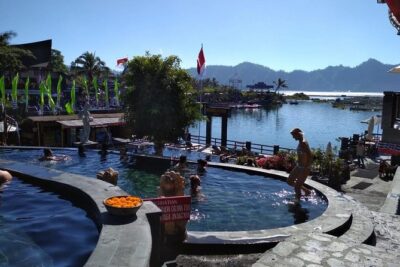
Tirta Empul Temple is one of those Bali places where the spiritual part is not a costume. You’re there for a purification bath at the holy springs, and the tour sets you up to do it correctly.
About 2 hours are built into this first stop. You’ll get some context from your guide—what Tirta Empul is known for and how the purification fits into Balinese religious life—then you’re escorted into the process itself. You’ll also be provided with a Balinese cloth for the temple visit and for the purification bath.
If you’ve never done a ritual like this, here’s how I think about it: treat it like a respectful ceremony, not a performance. Listen for instructions, keep your pace calm, and avoid rushing photos. You’ll likely notice that the people around you move with a steady rhythm, almost like everyone knows the order of things. That’s the point. You’re not “joining a show,” you’re following a tradition that locals still practice.
Also, it helps that your tour includes admission ticket coverage for this stop. That means you can focus on being there rather than hunting for payments or figuring out entry lines.
One small but important practical note: this part of the day is naturally wetter and cooler than the sunny rice-field stretches later. Bring shoes you can manage if you end up with water, and wear clothing that dries reasonably fast.
You can also read our reviews of more walking tours in Ubud
The Friends in Bali food break: your real energy refill
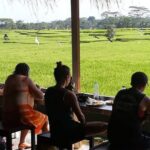
After the temple, you get a 1-hour break at Friends in Bali, with a light breakfast and a Balinese lunch. There’s a reason this stop matters: rice-paddy walks and temple visits can feel long when you’re hungry, and this tour doesn’t pretend you’ll be fine on willpower.
This is where the day resets. You’ll also have mineral water and coconut water included, which is a nice touch in Bali’s heat. Coconut water especially feels like it hits the spot when you’ve been in sun and you’re about to keep moving.
You’re not stuck in a bland “tour cafeteria” scenario. The lunch break is described as happening while taking in the view, so you’re not just waiting around. Use this time to ask quick questions too. Good guides often share little context—what you’ll see later, what the term Subak means in plain terms, and how cave temples work.
And since admission tickets aren’t required for this stop (it’s marked free), you can relax without worrying about additional entries or charges.
One more value note: your day includes a charity element for a local school. It’s not a “big dramatic” moment in the schedule, but it’s the kind of detail that makes you feel like the tour has a local footprint beyond sightseeing.
Walking rice paddies with Subak: the irrigation lesson that makes Bali make sense
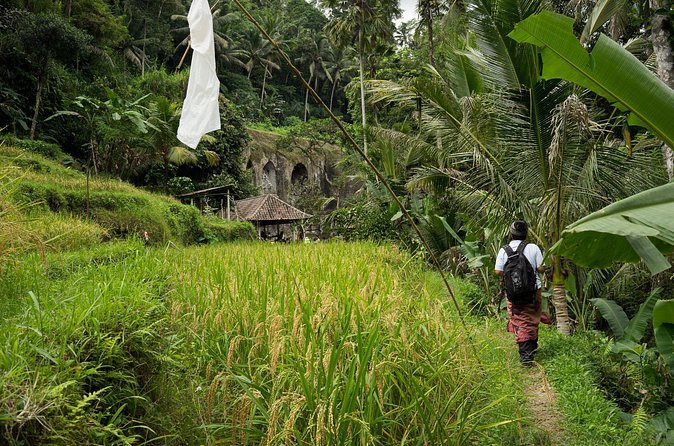
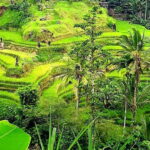
The middle of the day is where you get the “wait, that’s clever” moment about Bali: the Subak system. Instead of treating rice farming as scenery, the tour helps you see it as organized, community-based water management.
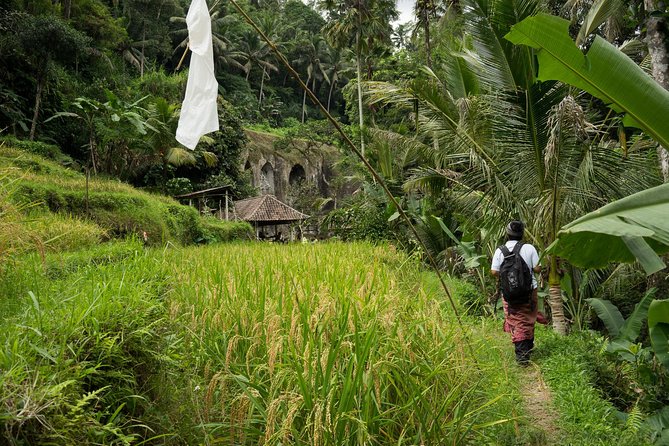
At the Gunung Kawi Sebatu Temple stop, you’ll walk through rice paddies for about 2 hours and learn about Subak. You’ll also discover the cave temple itself during that same block of time, so your mind stays active: fields, then history, then a new setting.
Why this matters for you: Bali isn’t just postcard landscapes. It’s a working culture. When you learn how Subak irrigates rice terraces, you start to understand why temples are tied to water and agriculture. It also changes how you view the scenery. You stop seeing random channels and start noticing how water distribution shapes farming life.
This is also where the walking feel becomes more noticeable. You should plan on uneven ground in places and paths that aren’t designed for speed. If you’re the kind of person who likes to look at details—small irrigation channels, how fields are laid out, where people work—this part can be genuinely enjoyable rather than just “transit between two sites.”
The tour is marked for moderate physical fitness. That’s accurate. It’s not a marathon, but it’s not a sit-and-stare day either. If you’re unsure, think about how you handle stairs and uneven paths in your own city. If you struggle, this day may feel like too much.
Gunung Kawi Sebatu: the cave temple stop that feels different from the main temple
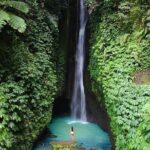
Gunung Kawi Sebatu Temple is the second major “wow” location, but it plays differently than Tirta Empul. Instead of holy springs and crowds, you step into a cave temple setting that feels more secluded and timeworn.
You’ll spend about 2 hours here, mixing a rice-paddy walk with time at the cave temple. This stop is included with an admission ticket, and it’s specifically highlighted for its cave setting and “magical history.”
What “magical” often means at places like this is a mix of atmosphere and structure: enclosed space, carved features, and a sense that you’ve entered a different world. Cave temples also tend to make sound and light behave differently, so the whole experience feels quieter than the open-air stops.
Here’s the practical side. Follow your guide’s instructions on where to go and when to slow down. Cave areas can have slick spots and uneven floors. Wear shoes with decent grip. You’ll enjoy it more if you don’t spend the time thinking about slipping.
Also, don’t underestimate how quickly your legs get tired when you combine walking in fields with temple steps. Take short breaks when your guide pauses, and sip your included drinks rather than waiting until you feel drained.
If your group has a guide who’s good at turning a site into stories—like the guides some previous groups have highlighted (Nyoman, Dewa, Wayan)—you’ll likely come away with a clearer sense of why this site is remembered and how it fits into Balinese practice.
Price and value: why $58 can work (if you want this style of day)
At $58 per person for about 6 hours, this tour can feel like good value for three reasons.
First, transport is included: hotel pickup and drop-off from Ubud. In Bali, that can easily add up if you’re doing it yourself. Second, your biggest ticket-heavy portion—Tirta Empul and the cave temple—has admission covered in the schedule. Third, you’re not just paying for entry fees. You’re paying for the guided flow: cloth for the purification bath, explanations at each site, and a structured day that keeps you from wasting time.
The included items help too:
- mineral water and coconut water
- Balinese cloth for the ritual bath and temple visit
- Balinese lunch
- guiding fee
- a charity contribution to a local school
Not included items are fairly normal and easy to plan for: alcoholic drinks are available to purchase, and souvenir photos are available by advance reservation. If you like photos, ask ahead of time so you’re not stuck deciding on the spot.
Is $58 cheap? For a full-day, guided cultural walk with two temple admissions and food, it’s fairly reasonable. It’s not a “luxury private driver all day” price, and it doesn’t pretend to be. It’s a value-focused group experience that works best if you want structure, cultural context, and a walk you can actually appreciate.





How the day runs: timing, group size, and the walking pace
This tour typically starts at 8:30 am in Ubud, with pickup in the Ubud area (Gianyar Regency). The day ends back at the meeting point, so you’re not left figuring out the return.
Duration is listed as around 6 hours, which fits the pacing you’d expect:
- Tirta Empul: about 2 hours
- breakfast and lunch break: about 1 hour
- Gunung Kawi Sebatu area: about 2 hours
That leaves some buffer time for travel between locations and transitions in and out of temple areas.
The group size is capped at 20 travelers, which is a big deal. In a small group, you can ask questions without shouting, and your guide can actually move people in a coordinated way—especially important at a ritual site.
The flip side is that it’s still group pacing. If you love wandering slowly or you like staying in one place for a long time, you may feel gently time-boxed. That’s not bad—just know what you’re choosing.
Temple visit basics: clothes, shoes, and how to act without overthinking
You’ll likely be handed a Balinese cloth for the temple visit and the purification bath, but you still want to show up ready. Think modest and comfortable first. If you’re carrying your own sarong or you prefer to wear one, check with your guide on what’s appropriate, but the tour provides cloth so you’re not scrambling.
Shoes matter. You’ll walk rice paths and you’ll be in and around temple areas. Choose footwear you don’t mind getting a little dirty. If you’re wearing flip-flops, you’ll probably regret it once surfaces get uneven.
For the purification ritual, the best mindset is calm attention. Don’t treat it as a thrill ride. Follow instructions, and don’t try to improvise steps. When you do that, you’ll get the best part: the experience becomes clearer, and the whole thing feels respectful instead of awkward.
Also, plan for the weather. The tour includes water and coconut water, but you’re still outside. Use sunscreen, bring a light layer if you get chilled in shaded areas, and keep an eye on how quickly you tire.
One last tip: if you care about photos, souvenir photos are available for purchase by advance reservation. If that matters to you, plan ahead so you don’t forget at the end of the day.
Should you book this UNESCO Sites Cultural Walking Tour in Bali?
Book it if you want a guided day that links spirituality and everyday life—not just a checklist of temples. This is especially a good fit if you like learning how local systems work, not only seeing monuments. The Subak rice-paddy walk is the kind of stop that can change how you understand Bali.
Skip it (or reconsider) if your body can’t handle moderate walking and temple stairs. The tour isn’t recommended for back problems, heart complaints, or pregnancy. Also skip it if you hate group schedules. This day has structure, and you’ll feel it.
If you’re okay with that, this tour can be a strong value: pickup from Ubud, two major temple experiences with admission included, food, included water, and a small group size that keeps the day personal.
FAQ
What is the duration of the UNESCO Sites Cultural Walking Tour in Bali?
The tour runs for about 6 hours.
Where does the tour start and end?
It starts in Ubud, Gianyar Regency, Bali, and ends back at the meeting point.
What time does the tour begin?
The start time is 8:30 am.
Is hotel pickup and drop-off included?
Yes. Hotel pickup and drop-off are included.
What does the tour include for food and drinks?
The tour includes a light breakfast and a Balinese lunch, plus mineral water and coconut water.
Are admission tickets included for the temple visits?
Admission tickets are included for Tirta Empul Temple and Gunung Kawi Sebatu Temple. The Friends in Bali stop is listed as free.
Is the tour suitable for people with limited mobility?
It’s recommended for people with moderate physical fitness, but it is not recommended for participants with back problems, heart complaints, or other serious medical conditions, and it is not recommended for pregnant women.