REVIEW · BALINESE COOKING CLASSES
Bali Ubud Paon Cooking Class
Book on Viator →Operated by Wandernesia · Bookable on Viator
Your Ubud morning turns delicious fast.
The Bali Ubud Paon Cooking Class mixes a Ubud market stop with a small-group cooking lesson that teaches you Balinese flavor basics you can actually repeat later. It’s run through Wandernesia, and the format is friendly and organized.
I especially like two things: the included hotel transfers within Ubud, which keeps the day low-stress, and the hands-on approach that focuses on techniques and spices (not just watching). You end up making dishes such as banana-leaf fish and minced chicken satay, so you’re not leaving with only recipes in theory.
One thing to watch: the market experience is tied to the morning session only. If you want that ingredient-shopping part, book the morning slot, and double-check your pickup area since transfers are only within Ubud (stays farther out can cost extra).
In This Review
- Key things that make this Bali Ubud Paon Cooking Class worth your time
- Bali Ubud Paon Cooking Class: what it is and why it works
- The Ubud Traditional Art Market stop (morning session is the key)
- Inside Paon Bali Cooking Class: spices, techniques, and a calm pace
- What you’ll cook: banana-leaf fish and minced chicken satay basics
- Lunch isn’t an afterthought
- Small-group magic: better questions and less standing around
- Transfers, timing, and logistics that actually matter in Ubud
- Price check: $44 is the value when transfers and lunch are included
- Who should book this Ubud cooking class (and who might skip it)
- Should you book the Bali Ubud Paon Cooking Class?
- FAQ
- How much does the Bali Ubud Paon Cooking Class cost?
- How long is the cooking class?
- Is hotel pickup or transfer included?
- Do you visit a market during the tour?
- What’s included in the price?
- What dishes should I expect to make?
- How big is the group?
- Is a cooking class certificate provided?
- Can I get recipes after the class?
- Is it refundable if I cancel?
- When will I get confirmation after booking?
Key things that make this Bali Ubud Paon Cooking Class worth your time
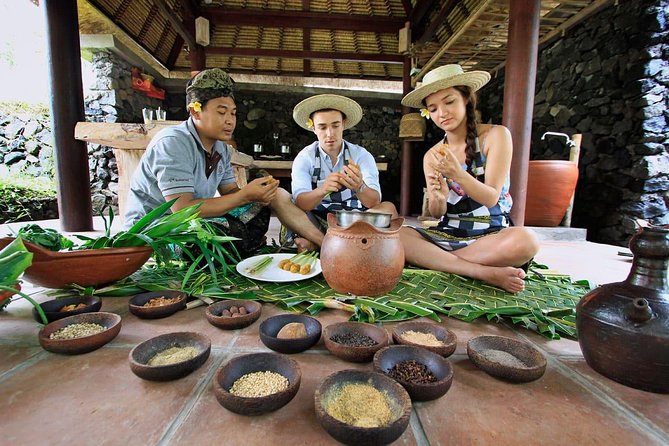
- Morning market shopping is built in, so you learn ingredients before you cook them
- Hands-on cooking in a real home setting, not a sterile demo kitchen
- Small group size (max 15) means you get help when you need it
- Ubud hotel transfers included (within the Ubud area) to keep logistics simple
- Lunch is included, so your day ends with a full meal, not just samples
Bali Ubud Paon Cooking Class: what it is and why it works
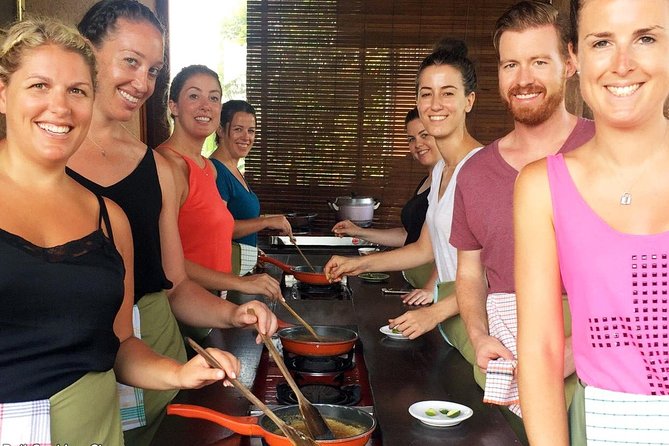
This is a Balinese cooking class in Ubud designed for people who want more than a quick food show. The structure is straightforward: you shop for ingredients, learn how spices and cooking methods work, cook together, and then eat what you made for lunch.
What makes it work in real life is the balance. You get the cultural side through a local market stop, then you get the practical side through actual prep and cooking. The price is also unusually reasonable for something that includes both instruction and lunch, plus transfers inside Ubud.
The class is also capped at 15 travelers, which matters. With smaller groups, you’re more likely to get answers while you’re chopping, mixing, and tasting—not after the session ends.
You can also read our reviews of more cooking classes in Ubud


The Ubud Traditional Art Market stop (morning session is the key)
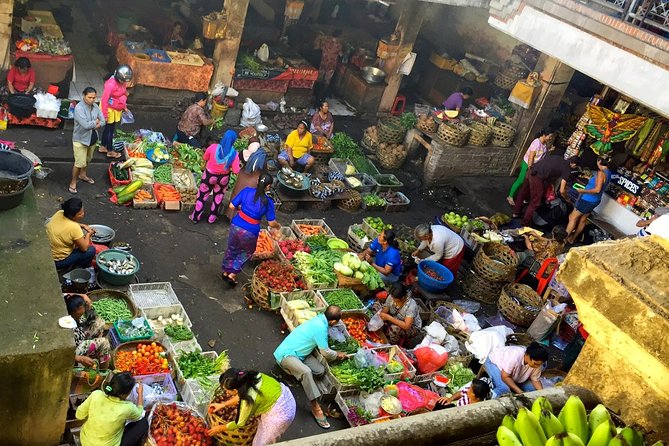
If you book the morning session, your start is the traditional market in Ubud. This is where you get your first real lesson: how Balinese cooks think about ingredients.
You’ll see produce, herbs, and spices that you might never pick up at home. Even if you already love Indonesian food, this part helps you connect the flavors to the actual items in the dish. You also get a chance to ask questions as you browse, which makes the later cooking steps click faster.
A practical note: this market visit is listed for the morning session. If you choose an afternoon slot, plan on the cooking part without that extra ingredient tour.
Inside Paon Bali Cooking Class: spices, techniques, and a calm pace
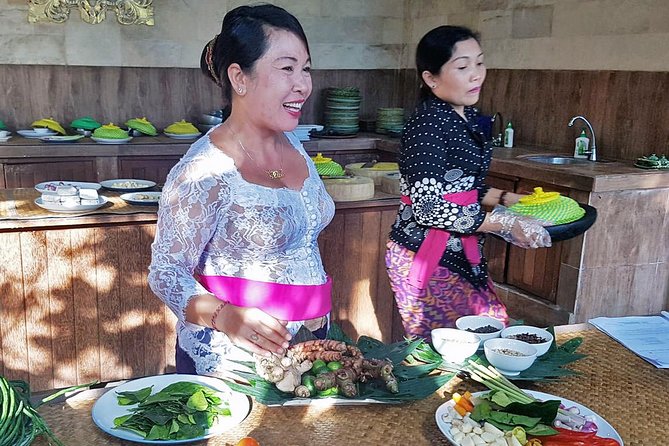
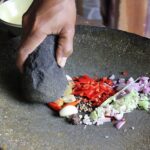
Once you move from shopping to cooking, the focus turns to technique. The class is designed around learning from a professional Balinese cook and then cooking with support. That support matters because Balinese recipes often rely on spice blends and specific preparation steps.
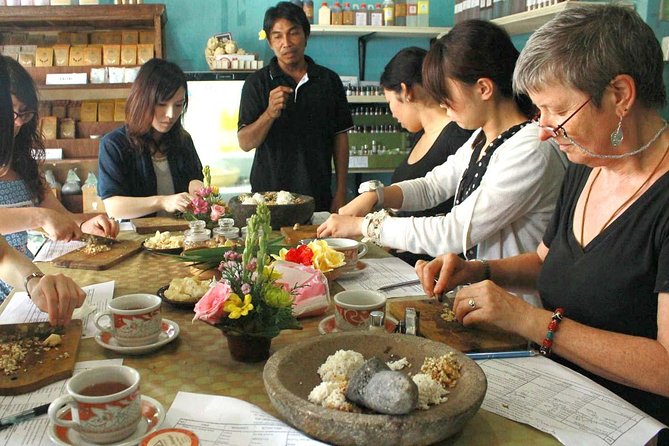
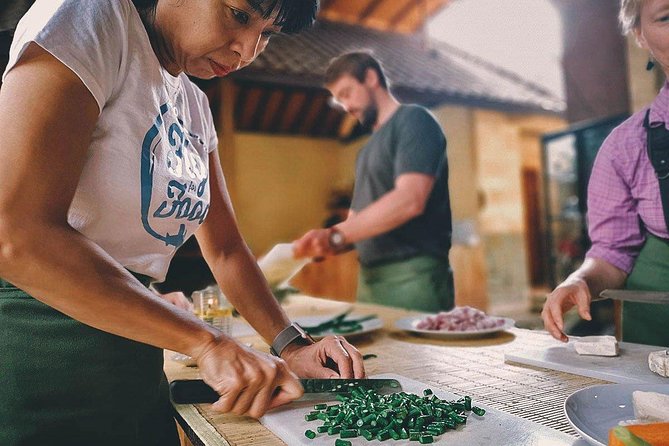
Expect hands-on instruction. You’ll follow along with steps, and you’ll have the chance to participate rather than just watch. From the way the class is described, it’s not the chaotic kind of group cooking where half the stations are waiting on the other half. The lesson is organized, with enough help that you can keep up.
The setting also helps. Some sessions take place in a home-style space associated with the chef/owner, and people note forest views from the cooking area. That’s not just scenery—it makes the whole thing feel more like you’re learning with a family than being processed through a workshop line.
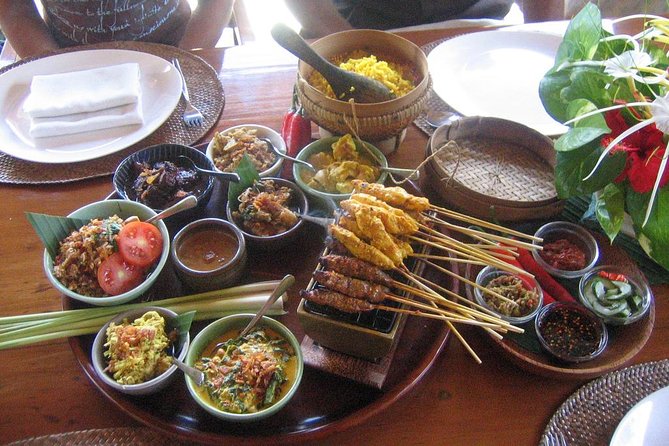
What you’ll cook: banana-leaf fish and minced chicken satay basics
The class highlights a few dishes, including banana-leaf fish and minced chicken satay. That’s a smart pairing because they teach different skills.
- Banana-leaf fish helps you understand how flavor gets carried through wrapping and steaming-style cooking. It’s also a great example of how “simple” ingredients can taste complex once you get the right spice mix and method.
- Minced chicken satay pushes you toward spice pastes, seasoning, and the way texture changes after mixing and cooking.
You’ll likely cook multiple dishes during the 5-hour session (the class is described as including both hands-on demonstrations and participation). Even if you don’t end up writing every single detail down, the meal gives you a clear template for what the finished flavors should taste like.
One extra plus: some people mention getting recipes afterward through WhatsApp if they want them. That can be useful when you’re back home and you realize you forgot to photograph that one spice ratio.
Lunch isn’t an afterthought
A lot of cooking classes include a small plate and call it “lunch.” Here, lunch is explicitly included, and people describe the food as genuinely delicious—not just edible.
Because you’re eating what you cooked, your feedback loop is instant. You learn which flavors hit where, and you also learn what happens if you overdo or underdo something (like how seasoning balances once the dish is cooked through). That’s exactly the kind of practical learning you want if your goal is to recreate Bali flavors later.
You can also read our reviews of more tours and experiences in Ubud


Small-group magic: better questions and less standing around
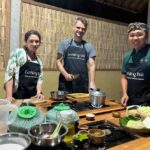
Maximum 15 travelers keeps this from feeling like a factory. It also helps with the social side. People describe meeting other participants and chatting during the process, and the overall vibe is described as fun and friendly.
In practice, that means you’re more likely to:
- ask questions without waiting your turn,
- get help when your chopping or mixing needs correction,
- and stay engaged when the class is moving between stations.
If you like interactive activities (and you want to talk to your instructor), this group size is a sweet spot.
Transfers, timing, and logistics that actually matter in Ubud
The day runs about 5 hours. Hotel transfers are included, but only within the Ubud area. In other words: you’ll want to confirm that your accommodation is within the pickup coverage.
If you’re in a rental and not a big hotel, you typically just pick the nearest hotel option during booking. Outside Ubud, pickup and drop-off can cost extra, so don’t assume your far-flung villa is automatically covered.
Also keep in mind the timing difference:
- Morning session = market stop included
- Afternoon session = skips the market ingredient tour
If you’re trying to get the full “shop, cook, eat” arc, morning is the smarter choice. If you just want the cooking and meal, afternoon can still be a great use of time.
One small convenience: the tour uses a mobile ticket, which usually makes day-of check-in easier. It’s also described as near public transportation, which can matter if you’re not staying in the busiest center.
Price check: $44 is the value when transfers and lunch are included
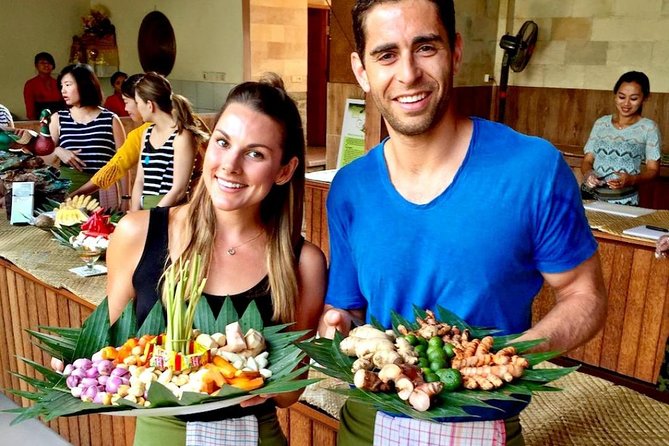
At $44 per person, this class is priced like a serious budget-friendly activity, especially because the package includes:
- hotel transfer services within Ubud,
- a market visit (morning only),
- lunch,
- and a cooking class certificate.
So the real question isn’t just the ticket price. It’s what you’re getting for that price. You’re paying for a full structure: shopping context, instruction, time with a chef, and a sit-down meal at the end.
For Bali, where cooking classes can swing from cheap and chaotic to expensive and scripted, $44 feels like it lands in the practical middle. You’re not paying boutique luxury prices, but you’re also not getting a bare-bones demo.
If you’re traveling with friends, the listing also mentions group discounts. If that applies to your date and group size, it can make the per-person cost even more appealing.
Who should book this Ubud cooking class (and who might skip it)
This is a strong match if you want:
- a structured way to learn Balinese spice and cooking basics,
- a fun group activity that doesn’t require advanced cooking skill,
- and a meal that feels like a real experience, not a snack stop.
It’s especially useful if you’ve already tried Balinese cuisine and want to understand how the flavors are built. The class is aimed at people who want to recreate the dishes later, so you’ll get the habits and methods, not just the names.
You might consider a different option if:
- you’re mainly chasing a quick cultural photo op and don’t care about cooking,
- you’re staying outside Ubud and don’t want extra transfer costs,
- or you can’t do the morning session and really want the market ingredient shopping.
Should you book the Bali Ubud Paon Cooking Class?
My decision rule is simple: book it if you want the full ingredient-to-dish learning loop in Ubud. The included market stop (morning), hands-on class format, lunch, and Ubud transfers make it a good value combo.
Book it especially if you:
- like cooking and want to recreate Bali flavors at home,
- enjoy markets and want your cooking grounded in real ingredients,
- and you’d rather do one well-run class than three rushed food stops.
Before you lock it in, do one quick check: confirm you’re choosing the morning slot if the market stop is part of your goal, and verify that your accommodation is within the Ubud transfer coverage.
If that lines up, this is one of those Bali activities that leaves you with more than memories. You leave with skills—and a full plate.
FAQ
How much does the Bali Ubud Paon Cooking Class cost?
The price is $44.00 per person.
How long is the cooking class?
The duration is about 5 hours.
Is hotel pickup or transfer included?
Yes, hotel transfer services are included within the Ubud area only.
Do you visit a market during the tour?
Yes, visiting traditional markets is included in the morning session only.
What’s included in the price?
Included are the traditional market visit (morning only), lunch, a cooking class certificate, and hotel transfer services within Ubud.
What dishes should I expect to make?
The class highlights dishes such as banana-leaf fish and minced chicken satay.
How big is the group?
The tour has a maximum of 15 travelers.
Is a cooking class certificate provided?
Yes, a cooking class certificate is included.
Can I get recipes after the class?
Some people mention an option to receive recipes via WhatsApp if they want them.
Is it refundable if I cancel?
No. The experience is non-refundable and cannot be changed for any reason.
When will I get confirmation after booking?
Confirmation is received within 48 hours of booking, subject to availability.