REVIEW · BALINESE COOKING CLASSES
Authentic Balinese Cooking Class in Ubud
Book on Viator →Operated by Bali Natural Tours · Bookable on Viator
Spice and stories start before the first chop. This small-group Balinese cooking class in Ubud connects you to local life while you learn real techniques, from grinding spice pastes to cooking with banana leaves. I like that the day is planned for your schedule with multiple departure times, and I love the built-in culture stops: a traditional market (morning only) and a typical home visit. One thing to consider: if you choose a later departure, you may miss the morning market segment.
For $49 per person, you get a full half-day experience with pickup from your Ubud area, air-conditioned transport, lunch, coffee or tea, bottled water, and even a recipe PDF to take home. With a maximum of 15 people, it stays hands-on instead of feeling like a show you watch from the sidelines.
The setting matters too. The class runs on the west side of Ubud, in greener, quieter countryside surroundings—so your cooking lessons don’t compete with traffic noise or crowds. If you’re hoping to learn the “why” behind Balinese flavors, this is a strong bet, especially with teachers and drivers who are called out by name (like Putri for the class and Ron in one standout day).
In This Review
- Key Things You’ll Remember From This Ubud Cooking Class
- Getting There: A Countryside Start on Ubud’s West Side
- Market and Home Visits: Where the Culture Shows Up
- The Farm Moment: Choose a Menu, Then Harvest the Spices
- Cooking the Balinese Way: From Lesung to Banana Leaves
- What’s Included: Lunch and the Practical Perks
- Vegetarian Menu Option: How Flexible Is This?
- Price and Value: Is $49 Really Fair?
- Who Should Book This Ubud Balinese Cooking Class
- Weather, Timing, and Getting the Day You Want
- Should You Book This Ubud Cooking Class?
- FAQ
- FAQ
- How long is the Balinese cooking class in Ubud?
- Is pickup and drop-off included?
- Do I get lunch with the class?
- Is there a market visit?
- Is there a vegetarian menu option?
- How many people are in the group?
- What cooking materials and help are provided?
- Does the price include drinks?
- Are there extra fees for hotels outside Ubud?
- What happens if the weather is bad?
- What is the cancellation window?
Key Things You’ll Remember From This Ubud Cooking Class
- Small group size (max 15) keeps the lesson interactive and easier to follow.
- Morning market add-on lets you buy spices locally before you cook.
- A real Balinese home visit may line up with a family ceremony on the day you go.
- Lesung technique (mortar and pestle) is taught in the Balinese way, using fresh ingredients.
- Farm-to-table feel with spice harvesting before the cooking starts.
Getting There: A Countryside Start on Ubud’s West Side
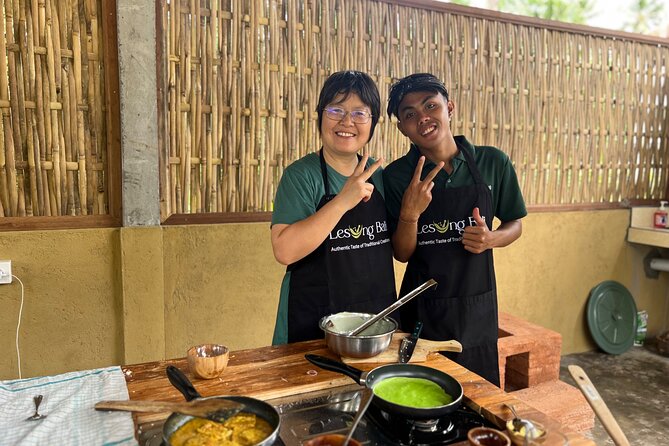
I like that this experience doesn’t just dump you into a kitchen. It begins with pickup from your Ubud area and round-trip transport in an air-conditioned vehicle, so you can focus on the day instead of negotiating routes. The pickup-and-dropoff coverage matters in Ubud because distances add up fast when you’re trying to fit multiple activities into one visit.
The class itself is located on the west side of Ubud, surrounded by green space and a more countryside atmosphere. That change in setting is practical: you’ll likely feel less rushed, and it sets the tone for a cooking lesson that’s tied to ingredients and daily life, not just recipes.
Also check where your hotel is. Pickup is included for the Ubud area, but additional car fees apply for areas outside Ubud (Sanur, Kuta/Seminyak/Canggu, Nusa Dua/Jimbaran, and Uluwatu). If you’re staying outside Ubud, confirm the transfer cost before you book so you don’t get surprised.
You can also read our reviews of more cooking classes in Ubud


Market and Home Visits: Where the Culture Shows Up
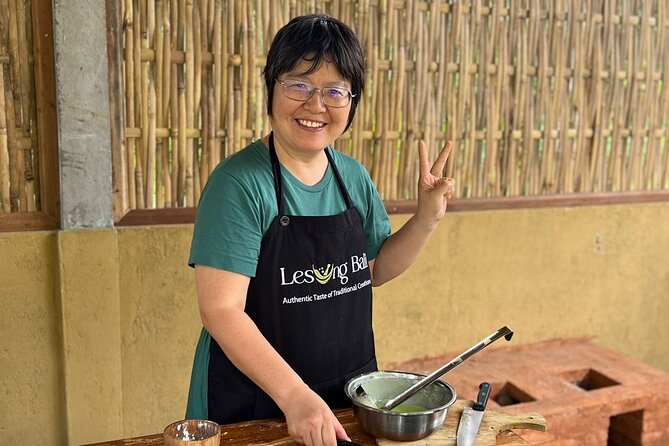
The morning option is the one I’d pick if you like to understand ingredients where they actually come from. On the morning class, you first visit a traditional market and buy spices from local vendors. This matters because Balinese cooking isn’t just about flavor—it’s about sourcing, freshness, and knowing what to look for when you’re choosing aromatics.
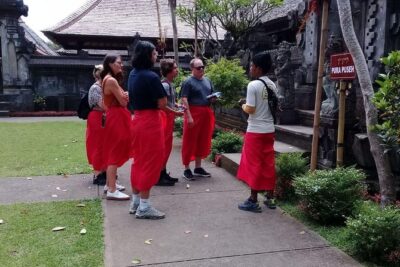
Next comes a visit to a typical local house. Here you’re not touring a museum-style “attraction.” You’re shown how a Balinese home is built and positioned, and you’ll learn about culture and everyday lifestyle. In at least one day, the home visit lined up with a family ceremony: a one-month birthday celebration for a baby in the Balinese calendar. That kind of timing can make the lesson feel real and grounded, not staged.
One possible drawback with these cultural stops: if you choose the non-morning class, you may lose the market portion. If market walking and spice shopping are part of what you want, treat departure time choice as a real decision, not a small detail.
The Farm Moment: Choose a Menu, Then Harvest the Spices
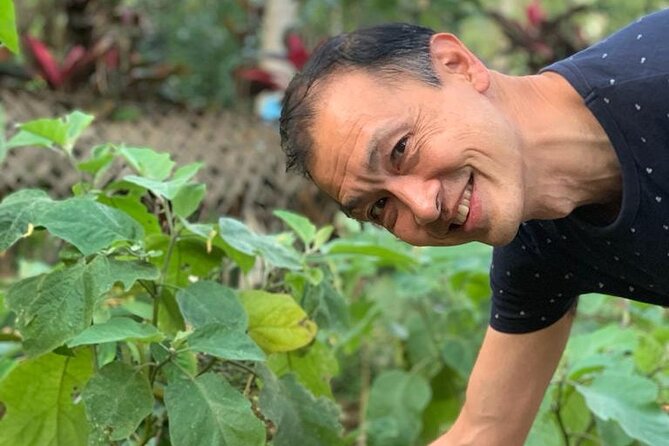
Once you reach the farm, the day shifts from learning to doing. You’ll decide on the menu you want to cook, with options that include both vegetarian and regular choices. After that, you’re guided around the farm to explore and harvest the spices you’ll use during the class.
I like this part because it gives your cooking a story you can taste. When you harvest what you’re cooking with, you’re more likely to notice how different ingredients behave—how certain aromatics smell when crushed, or how spice paste changes as you grind and mix it.
The farm component also makes the lesson feel practical. You’re not just copying steps. You’re learning why certain ingredients show up in Balinese dishes and how people connect meals to what’s growing nearby.
Cooking the Balinese Way: From Lesung to Banana Leaves
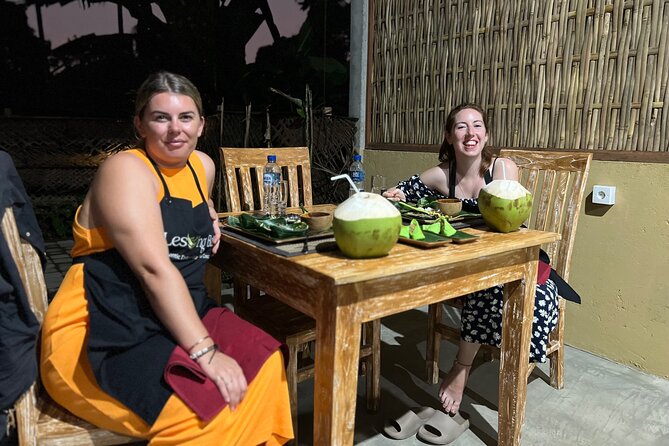
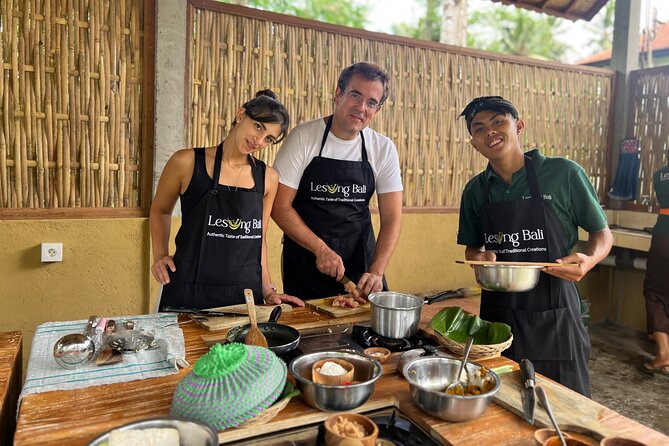
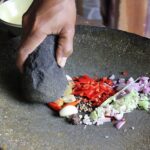
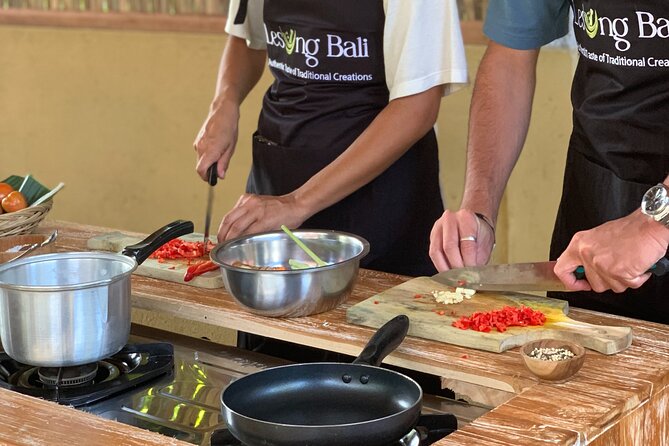
Now for the core of the experience: the cooking class with a Balinese chef. The teaching approach is grounded in technique, not vague instructions. You’ll talk through chopping and pounding spices using a lesung (mortar and pestle), which is a hallmark of traditional flavor-building in Bali.
That pestle-and-mortar step is more than a gimmick. Grinding spices by hand affects texture and aroma. It’s also where you start to understand Balinese flavor logic: you’re turning whole ingredients into a spice paste that becomes the base for the dishes you cook later.
The chef then explains how to cook based on the menu you selected—covering the ingredients you’ll use and what you need for the dishes. You also get to learn the flow of the cooking process, not just single actions. If you’ve ever felt like cooking classes teach you a recipe but not the method, this format is aimed at helping you understand technique.
Another detail worth knowing: you’ll learn about preparing food wrapped or worked with banana leaves. That’s a signature Balinese approach that ties food presentation to local materials and cooking tradition. If you want a souvenir that isn’t just a photo, these are the kinds of skills that stick.
What’s Included: Lunch and the Practical Perks
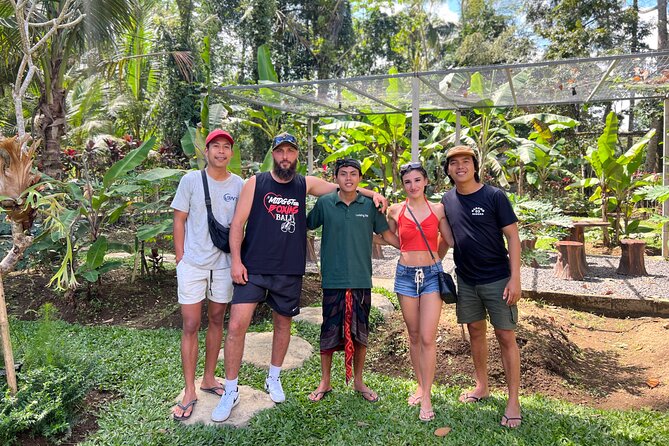
Eating is part of the class, not an afterthought. Lunch is included, and the meal is tied to what you cooked, so you can connect your work at the stove with the final result on your plate. You also get coffee and/or tea, plus bottled water.
You’ll have the tools you need too. Cooking utensils, an apron, and a recipe (PDF) are included. The recipe PDF matters more than you’d think. It gives you a concrete way to repeat at home without trying to remember each step from scratch.
You also get a real “training day” vibe because the session runs about five hours. That’s a good length for a hands-on class: long enough to learn technique and cook multiple components, but not so long that everyone loses focus.
You can also read our reviews of more tours and experiences in Ubud


Vegetarian Menu Option: How Flexible Is This?
I appreciate that the experience offers both vegetarian and regular menu choices. That means you don’t have to hope the staff can modify dishes on the fly. Instead, your menu selection happens as part of the farm-to-class flow, before cooking begins.
If you’re traveling as a couple or family with different dietary preferences, this kind of pre-set menu flexibility usually makes the day smoother. It also helps you feel like you’re learning the actual Balinese method for your specific dishes, not swapping ingredients at random.
If you’re deciding between morning and other departure times, keep in mind that vegetarian or regular is one layer of choice, while the market stop is another. Morning gives you the market visit plus cooking, while other times may focus more tightly on the farm and class portion.
Price and Value: Is $49 Really Fair?
$49 per person for about five hours in a small group is usually fair—especially when you include more than just a kitchen session. You’re paying for:
- pickup and drop-off from your Ubud area by air-conditioned vehicle
- lunch, coffee/tea, bottled water
- farm exploration and spice harvesting
- a recipe PDF after the day ends
- hands-on teaching with tools and an apron
- a max group size of 15, so you’re not just watching
If you’ve done cooking classes before where it feels like a performance, the small-group cap is a real value driver. The same goes for the extra cultural stops: the traditional market (morning only) and the home visit. Those aren’t required for cooking, but they’re what makes the lesson feel anchored in Balinese life.
The only “watch this” part is geographic. If you’re staying outside the included pickup zones, additional car fees apply depending on the area. Factor that into your total budget, especially if your hotel is far from Ubud.
Who Should Book This Ubud Balinese Cooking Class
This is a great fit if you want a cooking experience that connects ingredients to culture. You’ll probably enjoy it most if you like:
- learning techniques like lesung pounding rather than only following a recipe
- seeing where spices come from by harvesting them at a farm
- spending a morning in a market atmosphere (if you choose the morning departure)
- getting a practical take-home recipe PDF, not just memories
It may be less ideal if you want a short, purely food-focused class with zero cultural stops. Also, if you’re tightly timing your day and can’t do a full five hours, you’ll need to treat departure time choice carefully.
Weather, Timing, and Getting the Day You Want
The experience depends on good weather. If weather is poor, you’ll be offered a different date or a full refund. That’s important in Ubud, where rain can change plans quickly.
To get the best match for your priorities, I’d choose morning if you want the full arc: market spice shopping plus the home visit and then the farm cooking. Choose later times if you’re already planning market time elsewhere and want the farm-and-cook focus.
Also, remember you’ll be working on menu selection once you arrive at the farm. If you’re picky about vegetarian vs regular, decide what you want early so you can focus on cooking when the time comes.
Should You Book This Ubud Cooking Class?
Yes—if you want an authentic Balinese cooking day that’s more than a recipe lesson. The biggest selling points are the small group structure, the hands-on techniques (especially lesung grinding), and the way the day builds from market/home to farm and finally to the stove. If you’re the type who wants your food education connected to daily life, this hits the mark.
Book morning if you can. The market visit adds a meaningful ingredient-shopping layer, and it makes the cultural stops feel like part of one story. If you’re okay with skipping that market piece, a non-morning departure can still deliver the core cooking skills, lunch, and recipe take-home.
FAQ
FAQ
How long is the Balinese cooking class in Ubud?
It runs for about five hours.
Is pickup and drop-off included?
Yes. Pickup and drop-off are included for the Ubud area.
Do I get lunch with the class?
Yes. Lunch is included.
Is there a market visit?
Yes, but only with the morning class. You’ll visit a traditional market and buy spices.
Is there a vegetarian menu option?
Yes. You can choose between vegetarian and regular menu options.
How many people are in the group?
The group is small, with a maximum of 15 travelers.
What cooking materials and help are provided?
You’ll get cooking utensils and an apron, plus a recipe in PDF format.
Does the price include drinks?
Yes. Bottled water and coffee and/or tea are included.
Are there extra fees for hotels outside Ubud?
Yes. Additional car fees are listed for Sanur (400k/car), Kuta/Seminyak/Canggu (450k/car), Nusa Dua/Jimbaran (550k/car), and Uluwatu (700k/car).
What happens if the weather is bad?
The experience requires good weather. If it’s canceled due to poor weather, you’ll be offered a different date or a full refund.
What is the cancellation window?
You can cancel for a full refund up to 24 hours before the experience start time. If you cancel less than 24 hours before, the amount paid isn’t refunded.