
REVIEW · BALINESE COOKING CLASSES
Ubud Cooking Class with Optional Market Visit Pickup Included
Book on Viator →Operated by Bali Tourist Information · Bookable on Viator
Cooking with fresh market ingredients beats restaurant food any day. This Ubud class pairs a hands-on cooking session with an ingredient hunt guided by a local teacher, so you learn why flavors work, not just what to mix. You’ll also likely share the day with a small group, and that matters when you’re chopping, tasting, and asking questions.
I especially like the step-by-step teaching style. The chef/teacher approach focuses on techniques, and it’s been a hit even with first-timers (including an 18-year-old who learned a lot), plus English support is offered. In one session, the teaching was led by Eri, and pickup in Ubud has been reported as smooth with a punctual driver named Ketut.
One thing to watch: pickup timing and evening logistics. On certain dates (17–20 July), evening class bookers need to come by themselves, and because pickup details can depend on how you booked, I recommend you confirm the pickup plan early.
In This Review
- Key Points Worth Knowing Before You Go
- Hotel Pickup and the Start of Your Ubud Food Quest
- The Market Visit: Picking Spices Like You Mean It
- Back in the Kitchen: Balinese Techniques, Not Just Recipes
- Your Cooking Menu: Curries, Sauces, and Sweet Finish
- Group Size and the Pace: Social, But Still Hands-On
- English Support and Who This Fits Best
- Price and What You Truly Get for $18.95
- Timing Tips: Mobile Ticket, Confirmation, and Evening Caveats
- Should You Book This Ubud Cooking Class?
- FAQ
- How long is the Ubud cooking class?
- Is pickup included?
- Is the market visit optional?
- What language is the chef/teacher teaching in?
- What’s included in the price?
- What’s the maximum group size?
- Do I need to print a ticket?
- Is free cancellation available?
- Is there anything special about evening classes from 17–20 July?
Key Points Worth Knowing Before You Go
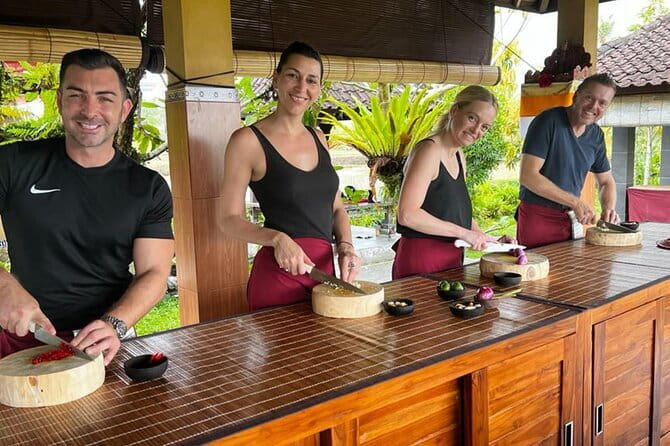
- Market-to-meal format so you pick ingredients before cooking
- Technique-focused teaching so you understand the how, not only the recipe
- Small group cap (max 20) which keeps it from feeling like a factory
- All dishes included with a meal you actually sit down to enjoy
- Hotel pickup by air-conditioned vehicle for convenience in Ubud
Hotel Pickup and the Start of Your Ubud Food Quest
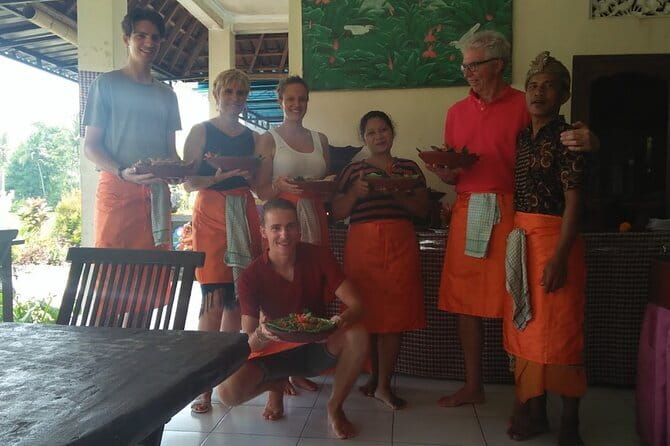
In Ubud, this class begins with something that makes life easier: pickup is offered, and you ride in an air-conditioned vehicle. The goal is simple. You shouldn’t waste your morning or afternoon figuring out transport while everyone else is already shopping for herbs and spices.
Once you’re picked up, you head toward the market portion (if that option is included for your booking). This isn’t just a quick look-and-leave photo stop. The point is that you’ll learn how local vendors think about ingredients: what’s fresh, what to buy, and how different spices and herbs get used in everyday Balinese cooking.
A practical tip: if you’re staying in a smaller hotel street, add a note when booking and double-check pickup details. One review mentioned being picked up even though the hotel wasn’t on the original list, but that worked because the guest added a note. So do yourself that favor.
Also, if you’re doing an evening session on 17–20 July, plan on arriving on your own. The info is clear that bookers need to come by themselves for those evening classes. That’s a big deal for planning dinner and timing, so don’t assume pickup runs the same way as daytime.
You can also read our reviews of more shopping tours in Ubud


The Market Visit: Picking Spices Like You Mean It
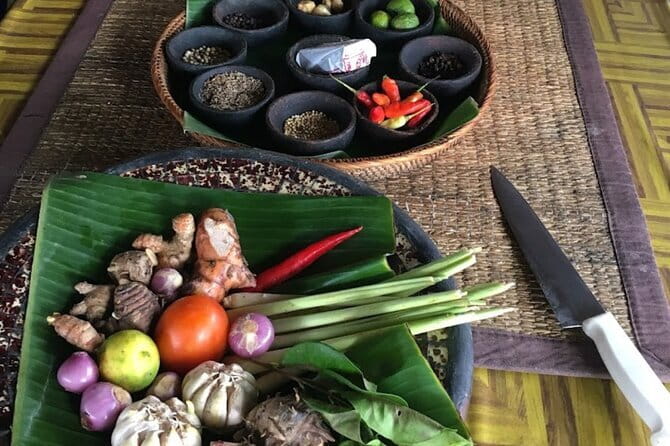
If your class includes the market visit, this is where the day gets real. You’ll be walking through stalls with a chef/teacher guiding you on ingredient choices, and you’ll select what you’re going to cook later.
Why this matters: in Bali, flavor comes from combinations. The lesson isn’t only about chopping onions. It’s about understanding what each ingredient contributes—spice, aroma, heat, sweetness, and the balance that makes a dish feel right.
Expect to learn about the “common Bali kitchen ingredients” used in local recipes. In reviews, people specifically called out that they learned about these ingredients, then used them to cook multiple dishes. That’s the hidden win of this format: you leave with a mental map of what to buy later, even after you’re back home.
Another practical benefit: you get to meet local vendors. It’s not just a transaction. If you ask the right questions, you’ll learn how vendors and locals talk about their products—more useful than any menu description.
Back in the Kitchen: Balinese Techniques, Not Just Recipes
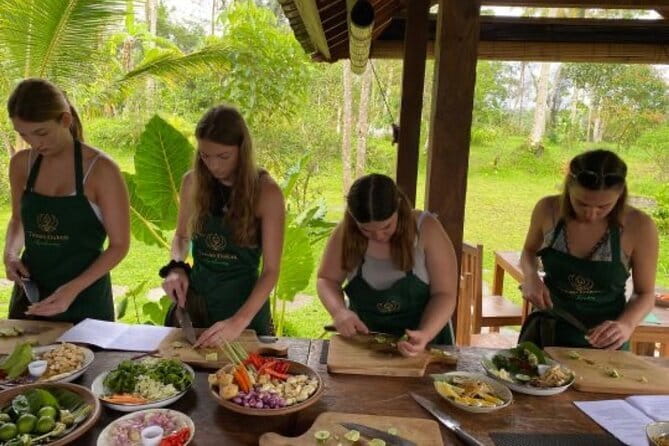
After the market, you’ll return to a traditional Balinese kitchen setting to cook. This is the heart of the experience. You’ll learn family recipes and traditional techniques step by step, guided by a local chef or teacher. Languages offered include English, which is a huge comfort if you don’t speak Indonesian.
What I like here is the teaching style. One of the most repeated strengths in feedback is that the teacher is attentive and explains techniques, not only instructions. That’s why beginners usually feel confident as the class moves from chopping to mixing to simmering.
The class is set up so you can follow along even if you’ve never cooked Balinese food before. You’re not expected to already know how to handle spices or build sauces. Instead, you’re shown how to do it while you’re doing it.
You’ll likely start preparing savory dishes and then move through the menu until you reach desserts. Reviews mention people cooking anywhere from several courses to a large number of recipes in one session. The exact count can vary, but the pattern stays the same: you’ll cook multiple dishes and then eat them together.
Your Cooking Menu: Curries, Sauces, and Sweet Finish

The overview points to dishes like savory curries and desserts, and that fits what people describe after the class. In one review, a person wrote about a 5-course menu with desserts. In another, a session included 9 dishes plus dessert. And another class experience described cooking 10 recipes.
So what should you expect? A meal that’s more than one plate. You should plan to leave satisfied, not hungry.
One dish detail worth noting: people have specifically mentioned learning a “secret sauce” from Balinese cooking. Even if you don’t get that exact wording in your session, it signals what you’re here to learn—flavor-building steps that separate plain ingredients from a real Balinese dish.
After cooking, you sit down and enjoy what you made. That part is more than a reward. Eating your own cooking helps you learn faster. You can taste the impact of each technique while it’s still fresh in your mind.
And yes, the setting can be pleasant. One person called out a peaceful vibe with a rice-field view. It’s not the kind of experience where you’re stuck in a windowless room the entire time.
Group Size and the Pace: Social, But Still Hands-On
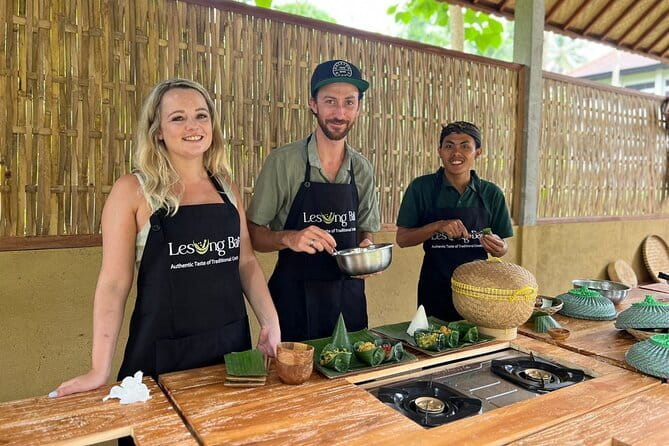
This is a group cooking class with a maximum of 20 travelers. That size is important. Too many people and the teacher becomes a lecturer. Here, the cap helps keep it practical: you can participate, ask questions, and actually work at your station.
Pace-wise, it’s about 3 hours (approx.). That’s enough time to shop, learn, cook, and eat without turning the day into a half-day marathon.
One more detail that I think you’ll appreciate: the class is flexible in participation. People have noted they could participate as much or as little as they wanted. So if you’re the type who wants to watch first, then cook later, you can usually do that. If you’re the type who wants to get your hands in everything, that’s also welcome.
This is also a good choice for food-focused couples and friends. Several reviews talked about bonding through the class and enjoying the company of other participants while cooking and eating together.
You can also read our reviews of more tours and experiences in Ubud





English Support and Who This Fits Best
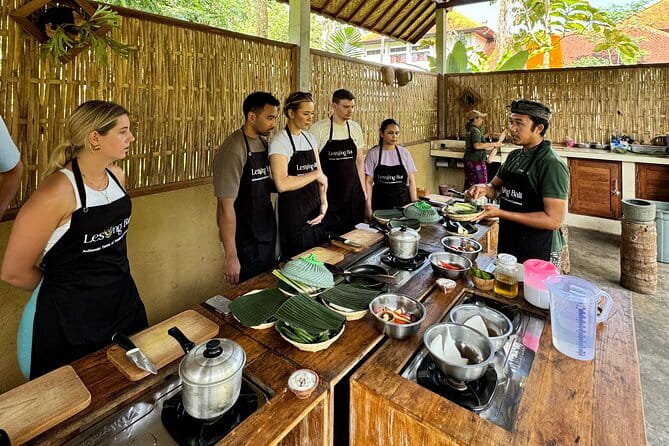
The chef guide is offered in English, which keeps the class approachable. Food classes can get frustrating when you can’t follow what’s happening. Here, you’re guided clearly enough to understand the steps and ask questions during the process.
This works well for:
- Foodies who want to learn the logic behind Balinese flavor
- Couples who want one shared activity that still feels personal
- Solo travelers who want an easy way to meet people
- Beginners who want structured help while using fresh ingredients
It also seems to work for multi-age groups. One review specifically praised how well the teaching worked for an 18-year-old, which suggests the teacher is comfortable adjusting pace and explanation.
If you’re the type who only wants to eat, you may still enjoy it. But the best value comes when you actually participate in chopping, mixing, and tasting along the way.
Price and What You Truly Get for $18.95
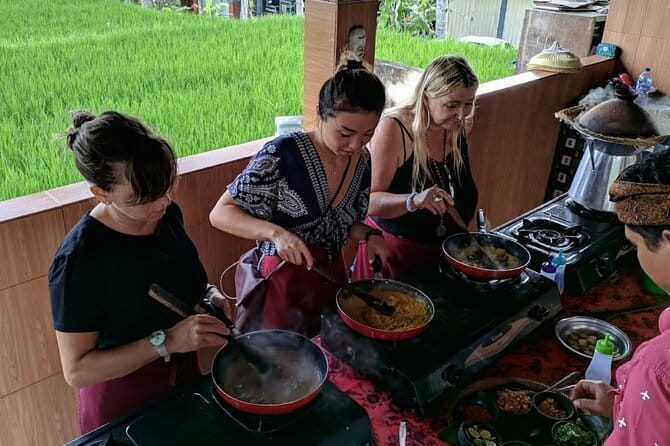
At $18.95 per person, this class is priced like one of the best “skills plus meal” deals in Ubud. The trick is what’s included.
You get:
- Air-conditioned vehicle for pickup
- Chef guided instruction (English offered)
- All dishes included
That last point matters. Many cooking classes charge a low rate but then make you pay for food. Here, you’re buying an experience that includes the meal you’ll eat. You’re also not just observing. You’re cooking.
Also, the format includes an optional market component tied to choosing ingredients. That turns the class from a simple kitchen lesson into a fuller food journey: buy fresh, cook with purpose, then eat it.
Personal expenses are not included, but that usually means what you’d expect—extra drinks or items you might buy for yourself during the day.
Timing Tips: Mobile Ticket, Confirmation, and Evening Caveats
You’ll receive confirmation at time of booking, and the tour uses a mobile ticket. That’s helpful in Bali when it’s sunny, hot, and you don’t want to worry about paper.
Still, for planning, I’d keep two timing realities in mind:
1) The class is about 3 hours, so treat it like a real scheduled block. Don’t book it as a “sometime this afternoon” thing.
2) For evening classes between 17–20 July, bookers need to come by themselves. If you’re relying on pickup at night, double-check your specific date and time.
If you booked through a reseller or via a channel that doesn’t directly contact the operator early, be proactive. In one negative experience, the issue wasn’t the cooking class itself—it was pickup communication. So send a message ahead of time asking for pickup timing and the meeting point. It’s one of those small steps that can prevent a travel-day headache.
Should You Book This Ubud Cooking Class?
If you want a fun group activity that teaches real cooking techniques, this is a strong yes. You’re not just going to eat; you’re going to learn how Balinese dishes come together, from market ingredients to the final plate.
I’d book it if:
- You like hands-on cooking and fresh ingredients
- You want an English-guided class with a local teacher
- You’d rather pay $18.95 for a full meal lesson than do a separate paid tour just to eat
- You’re okay with a group setting (max 20) for a more social experience
I’d think twice if:
- You’re planning an evening session during 17–20 July and you don’t want to handle your own arrival
- You’re the type who hates confirming logistics (then do the confirmation step before you go)
For most people, this hits the sweet spot: good value, real instruction, and a meal you helped create.
FAQ
How long is the Ubud cooking class?
It runs for about 3 hours.
Is pickup included?
Pickup is offered. You’ll be transported by air-conditioned vehicle.
Is the market visit optional?
The experience includes engaging with local vendors to select ingredients, and the tour name indicates an optional market visit with pickup included. Your exact market component depends on your booking.
What language is the chef/teacher teaching in?
Chef guided instruction is offered in English.
What’s included in the price?
The price includes the air-conditioned vehicle (for pickup), chef guidance, and all dishes.
What’s the maximum group size?
The class has a maximum of 20 travelers.
Do I need to print a ticket?
No. A mobile ticket is provided.
Is free cancellation available?
Yes. You can cancel up to 24 hours in advance for a full refund.
Is there anything special about evening classes from 17–20 July?
Yes. For evening class on 17–20 July, bookers need to come by themselves. Pickup may not apply the same way during those dates.