REVIEW · DINING EXPERIENCES
Keliki Village Tour And Rice Field Walk Including Lunch Or Dinner
Book on Viator →Operated by Keliki Eco Tourism · Bookable on Viator
Skip the crowds for rice-field quiet. This is a half-day Ubud-to-Keliki trek with a personal guide, designed to get you off the main tourist loops and onto forest paths and working rice fields. You’ll move slowly, learn as you go, and end up with a simple Balinese-style meal in a calm setting.
What I like most is the personal guide approach and the way the walk is built around everyday farm life. You’ll see rice farmers at work, traditional irrigation, and the plants that grow alongside the fields—things like cocoa, coffee, and tamarin soursop. That mix of scenery and practical knowledge makes the whole experience feel grounded, not staged.
One thing to consider: this is a walking tour with a moderate fitness level requirement, and an air-conditioned vehicle isn’t included. If you’re sensitive to heat or longer stretches on foot, plan your pace, wear good shoes, and treat it like a trek rather than a casual stroll.
In This Review
- Key highlights
- Keliki Rice Fields: a calmer side of Ubud
- A personal guide who connects plants, water, and rice
- Pickup in Ubud and a half-day schedule that won’t wreck your day
- The route to Keliki: jungle paths, fields, and farm work
- Traditional irrigation you can see with your own eyes
- Rice fields plus a temple stop: culture in the middle of daily life
- Lunch or dinner in an art atelier setting
- Price and value: what $41 buys beyond a stroll
- Who this tour suits best (and who might want to skip it)
- When to go and what to bring for a weather-dependent trek
- Should you book this Keliki Village Tour?
- FAQ
- Where does the tour start and where does it end?
- How long is the Keliki Village Tour and Rice Field Walk?
- Is pickup included?
- What’s included with lunch or dinner?
- Is an air-conditioned vehicle included?
- What fitness level do I need?
- What’s the group size limit?
- Do I get a ticket on my phone, and when do I receive confirmation?
- What happens if the weather is bad or I need to cancel?
Key highlights
- Working rice fields and farmers you can actually watch as you walk
- Traditional irrigation systems that shape how Balinese rice is grown
- Forest paths plus jungle sections, so the scenery changes through the walk
- Plant spotting with names explained (cocoa, coffee, tamarin soursop, and more)
- Lunch or dinner included, plus coffee/tea and mineral water
- Small group size (maximum 10 people) with pickup offered
Keliki Rice Fields: a calmer side of Ubud
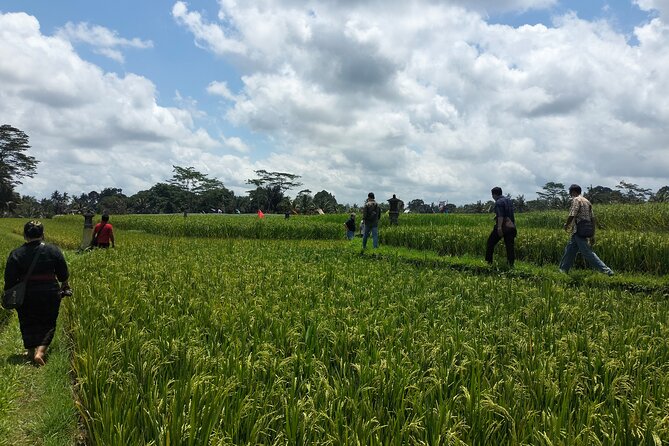
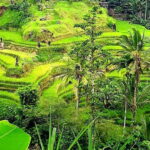
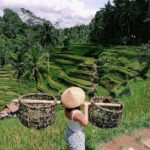
Ubud can feel like a magnet for scooters and tour buses. This tour aims for the opposite mood. You start in the Ubud area and then work your way toward Keliki, walking through jungle paths and into rice fields where you’re not constantly running into crowds.
The best part is the tone of the day. Instead of sprinting from one photo stop to another, you’re encouraged to take your time. The route is built around footpaths that lead to quiet corners of the forest and the fields—exactly the kind of places you’d miss if you only followed main roads.
Expect greenery and everyday life. You’ll be around people who farm, guide your attention through the rice process, and point out details that make the whole scene make sense.
You can also read our reviews of more walking tours in Ubud
A personal guide who connects plants, water, and rice
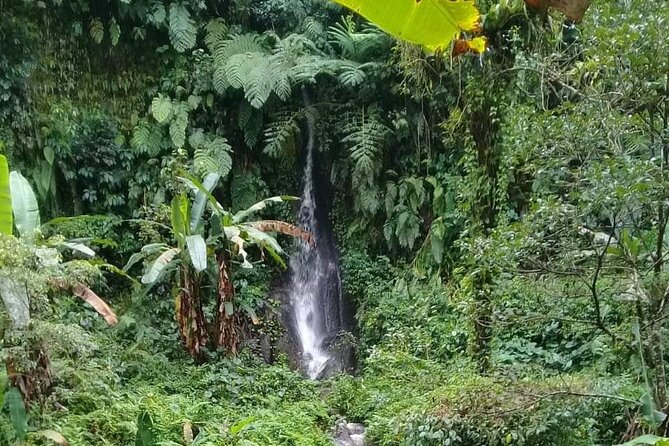
This is the kind of tour where the guide’s job is more than “point and smile.” You’ll have a private, personal guide who helps you connect what you’re seeing with how it’s grown and maintained.
A few things you should look forward to:
- Seeing the Balinese traditional irrigation system and understanding why water matters here
- Learning the rice field area in context, not just as scenery
- Getting plant names along the way, including cocoa, coffee, and tamarin soursop
That last detail matters more than you might think. When you can name what’s around you, you notice more. Leaves and tree shapes stop being “just jungle” and start becoming a living map of the area.
Also, the group size is capped at 10 people, so you’re less likely to feel packed in. You get time to ask questions, and the pace stays human.
Pickup in Ubud and a half-day schedule that won’t wreck your day
The tour is listed as about 3 to 4 hours, so it fits well if you have other plans—temple time, a cooking class, or just a long evening in Ubud. It ends back at the meeting point, so you’re not left sorting out transportation after you finish.
Pickup is offered, and the start point is the Bintang Supermarket Ubud area (Jl. Raya Sanggingan No.45, Sayan, Kecamatan Ubud, Kabupaten Gianyar, Bali 80515, Indonesia). You’ll receive what you need via a mobile ticket, and confirmation is provided at booking time.
One practical note: an air-conditioned vehicle is not included. That doesn’t ruin the tour, but it does mean you should expect some heat during any ride segments. If you’re coming at the warmest time of day, start hydrated and wear breathable clothes.
The route to Keliki: jungle paths, fields, and farm work
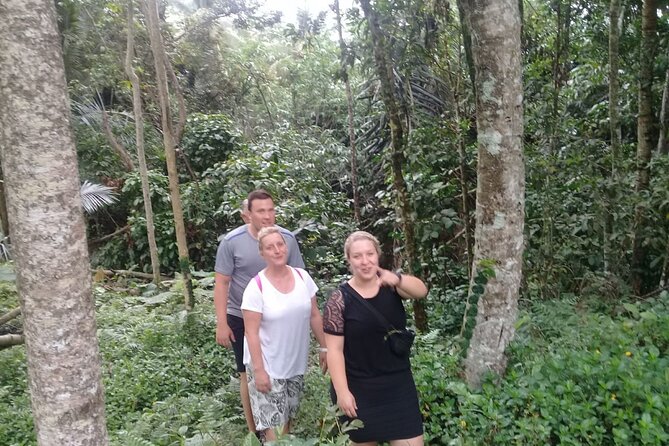
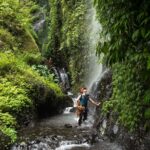
The heart of the experience is the walking segment from the Ubud area to Keliki. You’ll head through jungle and then toward rice fields, shifting scenery as you go. It’s not just “walk until lunch”—it’s built around observations.
Along the way, you may notice multiple plant types and crops. The tour description highlights examples like cocoa, coffee, and tamarind soursop, and the guide can help connect what’s growing to how the area is used.
You’ll also get to see Balinese farmers working. That’s a big deal for value. Rice fields can look beautiful, but they also carry real labor and know-how. Seeing people work in the fields turns the view into something more meaningful than a backdrop.
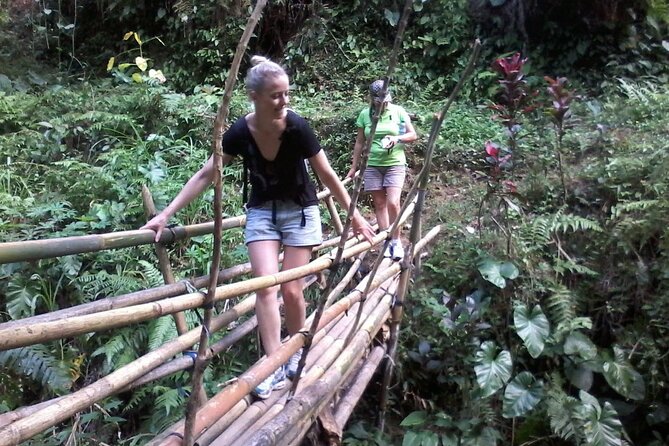
If you like routes that feel like they’re actually used by locals, this is the kind of trip that scratches that itch. The walk takes you along footpaths that lead to calmer spots, rather than repeating the same busy viewpoint loop.
Traditional irrigation you can see with your own eyes
One of the most useful parts of this tour is the focus on water management. Rice farming depends on water, and the guide will show you the Balinese traditional irrigation system during the trek.
Even if you don’t go deep into the technical how-to, you’ll come away with a clearer picture of why the fields look the way they do and how the land is managed. This is one of those details that makes Bali feel less like a postcard and more like a working landscape—without turning the day into a lecture.
As you walk, watch how water channels relate to the fields. That little mental connection tends to stick long after the tour ends.
You can also read our reviews of more tours and experiences in Ubud


Rice fields plus a temple stop: culture in the middle of daily life
At some point in the later part of the walk, you’ll reach the area where you can discover the rice field and temple. This pairing works well because it reflects how Balinese life is often mixed—ritual and daily work share space.
A temple nearby changes how you see the rice fields. Instead of just thinking of agriculture, you start thinking about spiritual meaning and tradition. The guide’s role here is to help you understand what you’re looking at so it feels respectful and real, not like a quick drive-by.
Also, because this is part of your walking route, it doesn’t feel like an add-on. It feels like a natural stop that belongs to the day’s rhythm.
Lunch or dinner in an art atelier setting
Food is included, and that matters for value. You’ll get lunch or dinner, plus coffee/tea and mineral water.
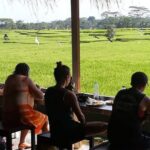
One extra detail worth noting: one account of the experience mentions the meal being served in an atelier d’artistes (an art studio setting). That kind of location can make the food feel more memorable because it breaks the usual pattern of eating at a generic restaurant stop.
In practical terms, plan on eating after you finish the walking portion. Your body will thank you, and you’ll also be able to relax right away instead of rushing into your next plan.
Price and value: what $41 buys beyond a stroll
At about $41 for a 3 to 4 hour half-day, this sits in the affordable range for private guiding in Ubud. The value comes from a few bundled pieces:
- Personal guide for the full walk
- Pickup offered
- Lunch or dinner plus coffee/tea and mineral water
- An admission ticket free note for the activity
You’re also getting an experience format that typically costs more when it’s done as multiple separate stops—guide + food + transportation. Here, the meal and drinks are already included, so you won’t be hunting for a place to eat right after the trek.
One “real-world” way to judge the price: if you were to book a guide and then pay out of pocket for a meal, you’d likely spend close to or more than this once you add those basics.
Who this tour suits best (and who might want to skip it)
This tour fits best if you want a quiet, nature-and-culture half day in the Ubud area. It’s especially good for people who enjoy:
- Learning as you walk—plants, rice, and irrigation details
- Seeing working fields rather than only viewpoints
- Smaller groups and personal attention
You should think twice if you’re looking for a fully low-effort experience. The tour calls for moderate physical fitness, and it’s a walking route through jungle and rice-field paths.
It also works well as a day you keep flexible. Since it runs in a weather-dependent way (good weather required), you’ll enjoy it most if you’ve built your schedule with some breathing room.
When to go and what to bring for a weather-dependent trek
The tour requires good weather. If conditions are poor, you should expect the operator to offer a different date or a full refund.
What does that mean for you? Be ready to adjust. If you’re traveling during a rainy stretch, keep your calendar flexible for this half-day block.
As for packing, the tour doesn’t list specific items, but I’d treat it like a humid walking day in Bali:
- Comfortable walking shoes are a must
- Light layers and sun protection help
- A small rain layer can save your comfort if the sky shifts
Even though drinks are included, you’ll still feel better if you’re prepared for the physical side of a trek.
Should you book this Keliki Village Tour?
I’d book it if you want an honest, low-noise Ubud experience focused on rice farming life—working fields, traditional irrigation, and a guide who explains what you’re seeing. The included meal and drinks make it easier to say yes without extra spending stress.
I’d skip or swap to something else if you want an indoor-focused or fully vehicle-based experience. Since it’s built around walking and the fitness level is listed as moderate, it won’t fit everyone.
If your ideal Bali day includes calm paths, practical culture, and time outside the usual circuit, this is a strong match—and the small group size keeps it feeling more personal than crowded.
FAQ
Where does the tour start and where does it end?
The tour starts at Bintang Supermarket Ubud on Jl. Raya Sanggingan No.45, Sayan, Kecamatan Ubud. It ends back at the meeting point.
How long is the Keliki Village Tour and Rice Field Walk?
It’s about 3 to 4 hours (approx.).
Is pickup included?
Pickup is offered. The tour begins in the Ubud area with pickup available.
What’s included with lunch or dinner?
You’ll get lunch or dinner, plus coffee/tea and mineral water.
Is an air-conditioned vehicle included?
No. An air-conditioned vehicle is not included.
What fitness level do I need?
The tour requests a moderate physical fitness level.
What’s the group size limit?
The tour has a maximum of 10 people.
Do I get a ticket on my phone, and when do I receive confirmation?
You’ll have a mobile ticket, and you receive confirmation at booking time.
What happens if the weather is bad or I need to cancel?
The experience requires good weather. If it’s canceled due to poor weather, you’ll be offered a different date or a full refund. You also get free cancellation up to 24 hours before the experience start time for a full refund.