
REVIEW · SILVER JEWELRY CLASSES
Ubud Bali Silver Jewelry Class
Book on Viator →Operated by Taro Village Experience · Bookable on Viator
Silver goes from blank to wearable fast. In a traditional silver-making village near Ubud, you learn the steps behind Balinese silver jewelry and leave with something you designed. I especially like the small-group attention and the chance to design your own ring, bracelet, earrings, or even a lion charm. The main consideration is that if you want gemstones or extra silver beyond the included amount, you’ll pay more, so bring cash.
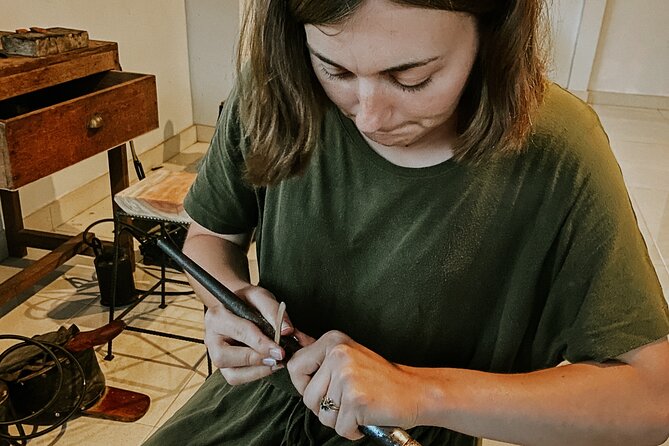
You’ll spend about 2 hours making your piece with an experienced silversmith, working through the practical parts like burn, cut, clean, and finish. Instructors such as Bima, Komang, and Diah are known for being patient, and the class stays hands-on enough that beginners aren’t left guessing.
In This Review
- Key points to know before you go
- Ubud Silver Jewelry Class in Taro Village: What Makes It Worth Your Time
- Your Designs: Rings, Bracelets, Earrings, and a Lion Charm
- The 2-Hour Flow: From Burn and Cut to Clean and Finish
- Small-Group Attention with Teachers Like Bima, Komang, and Diah
- Price and Logistics: Getting Value from the $50 Class Fee
- What’s included
- The two big add-ons to budget for
- Is it still good value?
- Where You Meet and How the Session Runs Around Ubud
- What to Bring (and What Not to Bring)
- Who This Class Fits Best
- Final Call: Should You Book the Ubud Silver Jewelry Class?
- FAQ
- How much does the Ubud Bali Silver Jewelry Class cost?
- How long is the silver jewelry class?
- What kinds of jewelry can I make in the class?
- Is this a small group class?
- What is included in the price?
- Are gemstones included?
- Can I bring my own silver or gemstones?
- What if I need more silver than the included amount?
Key points to know before you go
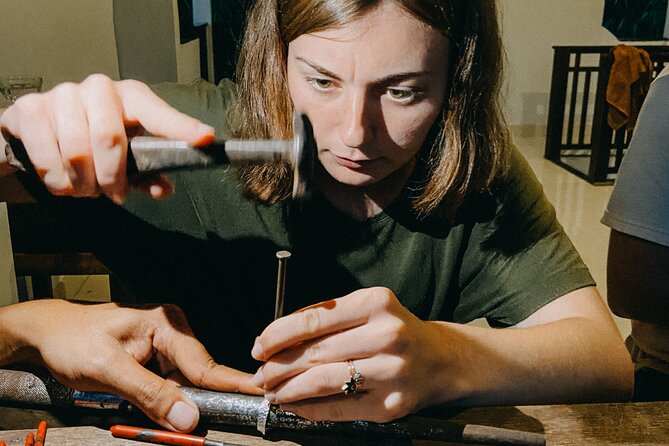
- Small group size (max 8) means you’re not stuck watching from the back row.
- You take your creation home, including the basic skills you learn along the way.
- Choose from several designs, including rings, bracelets, earrings, and a lion.
- Extra silver and gemstones cost extra, with clear rules on how much is included.
- Cash helps if you want to upgrade with stones or more silver than the base allotment.
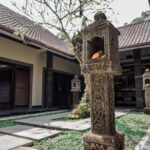
- Work happens in a real village setting, not a showroom with a scripted demo.
Ubud Silver Jewelry Class in Taro Village: What Makes It Worth Your Time
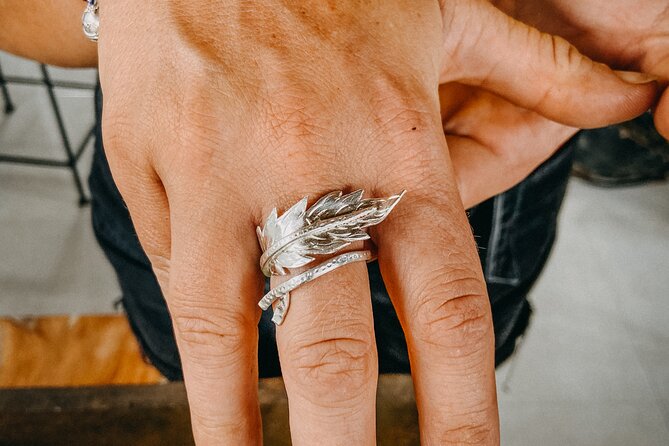
This class is one of those Ubud activities that doesn’t feel like a souvenir factory. You’re not just looking at jewelry; you’re learning how silver gets shaped into wearable art using the traditional craft process taught to beginners. The best part is that the teaching is step-by-step, so even if your only previous tool experience was turning a TV remote on and off, you’ll be able to follow along.
I like that it’s designed for real schedules, with multiple class times each day. You’re also getting a compact, focused session (about two hours), which makes it easy to pair with temple visits, rice-field walks, or lunch in central Ubud without turning your day into a logistics puzzle.
There’s also a nice practical detail: coffee or tea and bottled water are included, so you can settle in without immediately hunting for a café. And the small group size—up to eight—matters because it keeps the pace workable and reduces the waiting time when you need help.
You can also read our reviews of more tours and experiences in Ubud



Your Designs: Rings, Bracelets, Earrings, and a Lion Charm
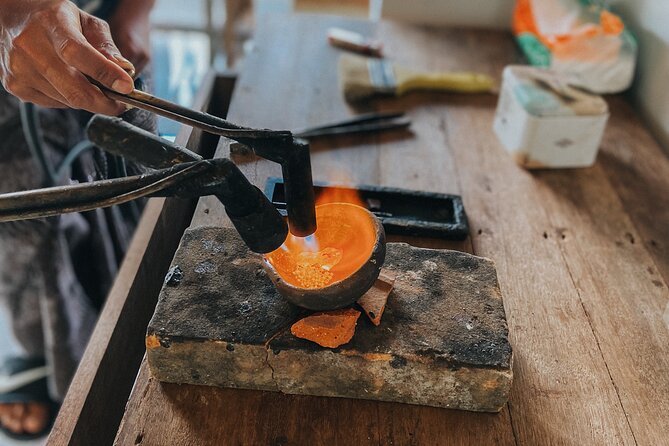
The class menu is simple, which is good news for first-timers. You can make a ring, bracelet, lion design, or earrings, and you can keep a piece based on your own choice. That means you’re making something you’ll actually wear, not just something that looks good on a shelf.
Most important for value: the included portion is built around designing and creating one item per person. If you’re hoping for multiple pieces, you’ll likely need to plan on extra materials and costs, since the class has specific limits on silver usage. Still, if you want a custom look—thicker band, a more detailed setting, or a specific shape—this is a good way to put your preferences into the making.
I also like the way the class is structured for decision-making. You pick what you want to make early, then you work through the process with your teacher rather than changing plans halfway through. It’s a small thing, but it makes the session feel calmer.
The 2-Hour Flow: From Burn and Cut to Clean and Finish
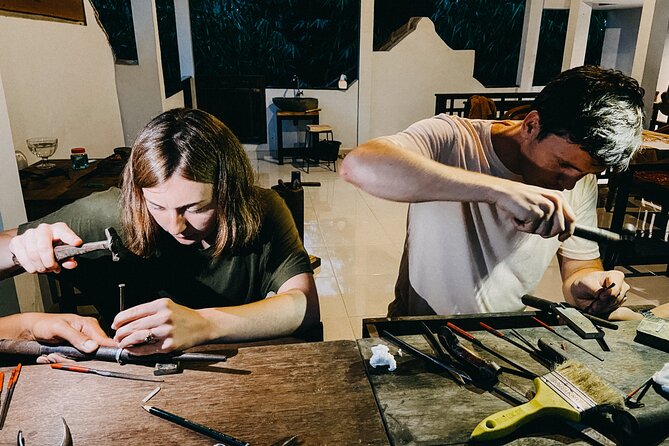
Even if you’ve never held a silversmith tool, the class is built around practical steps. You’ll learn the basic method for making Balinese-style silver jewelry, and you’ll physically go through the key stages that turn rough shapes into a finished piece.
Here’s the general rhythm you can expect:
- Design and select your piece (so your work has a clear target)
- Burn (a core step in preparing silver for forming)
- Cut (shaping the metal into your chosen form)
- Clean (removing residue so it looks crisp)
- Finish (final work so the piece looks wearable and polished)
The magic isn’t that it becomes perfect in 120 minutes. The magic is that you’ll understand what each step is doing. That’s what helps it feel like a skill class instead of a one-time craft spectacle.
If you’re sensitive to timelines, the session length is a good fit. You’re not committing to a half-day, and you can still do other things the same day. Just plan for the fact that you’ll be focused and hands-on the whole time, not sightseeing.
Small-Group Attention with Teachers Like Bima, Komang, and Diah
With classes capped around eight people, you get more real contact with the instructor. That shows up in the details: you’re guided through each step, and you can ask questions when your piece starts to look different than the example you were aiming for.
This is where the teacher names from past classes become useful for you, not because you need to chase a specific person, but because it reflects teaching style. People specifically called out instructors such as Bima, Komang, and Diah for being informative and patient. That’s the kind of teaching you want when you’re learning metalwork for the first time.
Another practical plus: you’re working in a clean, open workspace, and some people mentioned that the setting feels breezy and comfortable. That matters in Bali, where you don’t want to be sweating through every step of a delicate process.
Price and Logistics: Getting Value from the $50 Class Fee
The base price is $50 per person, and the session is about two hours. That sounds simple, but the real value depends on what you choose to make and what you want to add.





What’s included
You get:
- Coffee and/or tea
- Bottled water
- An instructor/teacher
- One person can make one item design
- Your class instruction using the silver provided for your project (within the included limits)
The two big add-ons to budget for
1) Extra silver beyond 4 grams
If you use more than 4 grams of silver, there’s an additional fee of IDR 75,000 per gram. This is a big deal for pricing because metalwork pieces can vary in thickness and size, and you might refine your design as you go.
2) Gemstones and their cost
Stones have an extra cost. The stone price range given is IDR 100K–500K, and the materials may add up fast if you upgrade from small details to a more noticeable centerpiece. The class also notes an additional cost if you use gemstone.
There’s also a cash tip that’s more practical than optional: the class requests that you prepare some cash if you want to buy gemstones and additional silver. You also can’t bring silver or gemstone materials from outside, so any upgrades come from what the workshop offers.
Is it still good value?
In most cases, yes—because you’re paying for real instruction and a finished piece you take home. The class fee covers a learn-and-make experience with expert guidance. Your cost risk is mainly tied to how ambitious you get with silver amount and whether you add stones. If you’re happy with a simple, clean design using the included silver, the class is a strong bargain for what you learn.
If you’re the type who loves customizing, just treat the base fee as the start of your budget, not the end.
Where You Meet and How the Session Runs Around Ubud
Your starting point is at Ubud MK2 Silver Class, on Jl. Raya Tegallalang No.Br, Sapat, Kec. Tegallalang, Kabupaten Gianyar, Bali 80561. The class ends back at the meeting point, so you’re not dealing with a complicated drop-off plan.
You can also opt for transfers from Ubud, which is worth considering if you don’t want to deal with local navigation on your own. The class is near the Tegallalang area, which many people connect with other daytime activities in the same region. The timing works well because the session is short.
Also note this rule: there’s a mobile ticket. That’s usually easy to handle on your phone while you check in, but still plan to have the ticket ready before you arrive.
What to Bring (and What Not to Bring)
This is a simple class logistically, but there are a few practical rules that matter.
Bring:
- A way to pay or at least enough cash for gemstones and potential extra silver
- A positive attitude toward learning by doing (metalwork isn’t instant perfection)
Don’t bring:
- Silver or gemstones from outside
That last part affects value because it means you can’t source your own stones or metals and expect the workshop to use them. You’ll be working with what’s provided by the class, plus upgrades you purchase through them.
If you’re taking photos, plan for this: you’ll likely want to capture your design before and after, since the process transforms your piece a lot. Just don’t let your camera turn into a distraction from the steps.
Who This Class Fits Best
This is best for:
- Beginners who want a hands-on craft class with clear instruction
- Anyone shopping in Ubud for souvenirs who’d rather bring home something you helped create
- Couples or friends who want a shared activity that’s more interactive than a tour
It’s also a good fit if you enjoy small-group settings. With a maximum of eight people, the class doesn’t feel like a production line. Instead, it feels more like a workshop lesson where you’re building your own jewelry while learning a process.
If you have a tight schedule and you want one meaningful activity rather than several short stops, the two-hour length is perfect. You can still fit in a lunch break and a scenic walk without scrambling.
Final Call: Should You Book the Ubud Silver Jewelry Class?
I’d book this class if you want a real craft lesson, a small-group experience, and a wearable keepsake. The strongest reasons are the hands-on instruction, the chance to pick what you make (rings, bracelet, earrings, lion), and the fact that teachers like Bima, Komang, and Diah are noted for guiding people through the steps.
Skip it only if you’re trying to keep spending ultra-tight and you hate the idea of add-ons. The silver limit of 4 grams and gemstone pricing can change the final total, so it’s not a set-it-and-forget-it purchase. If you keep your design simple and stay within the included silver amount, you’ll likely love the value.
If you’re on the fence, here’s a smart way to decide: think about whether you want a clean, classic piece or whether you’re tempted to add stones and extra metal. Then budget accordingly. You’ll enjoy it more when you’re not surprised by the materials side.
FAQ
How much does the Ubud Bali Silver Jewelry Class cost?
The class costs $50.00 per person.
How long is the silver jewelry class?
The class lasts about 2 hours.
What kinds of jewelry can I make in the class?
You can make one of the following: a ring, bracelet, lion design, or earrings.
Is this a small group class?
Yes. The maximum group size is 8 travelers.
What is included in the price?
Coffee and/or tea, one item design per person, an experienced teacher, bottled water, and instruction for making your piece are included. If you use more than 4 grams of silver, there is an additional fee, and gemstones cost extra.
Are gemstones included?
No. Gemstones cost extra, with stone prices listed from IDR 100K to IDR 500K. Cash may be needed for gemstones and additional silver.
Can I bring my own silver or gemstones?
No. You are not allowed to bring silver and gemstone materials from outside.
What if I need more silver than the included amount?
If you use more than 4 grams of silver, there is an additional fee of IDR 75,000 per gram.