
REVIEW · BEST OF UBUD TOURS
Ubud Highlights Shared Tour – Small Group Full-Day Experience
Book on Viator →Operated by Ubud Daily Trips · Bookable on Viator
A long Ubud day can feel chaotic. This one keeps it sane, with a small group and a tight mix of rice views, temple rituals, and two waterfall walks. I like that the tour includes entrance tickets at every main stop, plus a licensed guide who can explain what you’re actually seeing. I also like that the format is small (max 6), so you’re not stuck in a big bus shuffle all day.
One thing to consider: you’ll do several hours of walking on uneven paths, and the waterfalls involve cave-like sections. If you hate muddy steps or long climbs, this may feel like more effort than you expect.
In This Review
- Key things that make this Ubud day worth your time
- A small-group Ubud highlights day that feels like a plan
- Price and what you actually get for $48.63
- Your day’s rhythm: a full circuit, with time to walk
- Tegalalang Rice Terrace: where you walk the irrigation story
- Tirta Empul Temple: purification rituals and temple basics
- A Traditional Balinese house plus coffee: architecture and daily life
- Tukad Cepung Waterfall: walking into a cave and watching light
- Goa Raja Waterfall: quieter nature in a cave-like rock setting
- How the sharing format stays comfortable (and sometimes even better)
- Rain-proofing your Ubud day: what to bring so it stays fun
- Who this tour fits best
- Should you book this Ubud Highlights Shared Tour?
- FAQ
- How long is the Ubud Highlights Shared Tour?
- What time does the tour start?
- What is included in the price?
- Do I need to pay for admission tickets?
- Is lunch included?
- Where do I meet the guide for pickup?
- Is the tour a private experience?
- Does the tour run in rainy weather?
Key things that make this Ubud day worth your time

- Tickets and fees included at each major stop, so you avoid add-on surprises.
- Max 6 travelers keeps the sharing experience from turning into a cattle-call.
- Early Ubud sightseeing flow with nature before crowds build up.
- Tirta Empul + sarong ties culture to the practical temple rules.
- Two very different waterfalls: cave light at Tukad Cepung, and a calmer Goa Raja setting.
- Licensed guide storytelling helps the day make sense beyond photos.
A small-group Ubud highlights day that feels like a plan
Ubud is one of those places where you can fill your day with amazing stops… and still end up exhausted, late, and cranky. The best version of an Ubud highlights tour is the one that gives you structure: a clear route, realistic time at each place, and a guide who can connect the dots.
This tour runs about 8 hours (starting at 8:00am), and it’s built around five big “Ubud essentials” plus two nature missions. The route covers iconic culture and scenery without making you spend the whole day in one place. You’ll also be picked up at a set meeting point and returned there at the end, so you’re not trying to navigate between attractions on your own.
What really changes the feel here is the group size: it caps at 6 travelers. That matters in Bali. Even when you’re seeing popular sights, a smaller group usually means less waiting, fewer awkward stop-and-go moments, and more flexibility if the timing is impacted by rain or crowd flow.
You can also read our reviews of more tours and experiences in Ubud



Price and what you actually get for $48.63

At $48.63 per person, this tour sits in the value lane for a full-day circuit. But the real question isn’t just the price tag. It’s what’s covered.
Included:
- Licensed tour guide
- Bottled water
- Sarong for temple visit
- Parking fees
- Entrance fees (each stop lists admissions included)
- Insurance
- The tour itself is a sharing tour with pickup from the meeting point
Not included:
- Lunch
- Tips for the guide (optional)
So you’re paying for the structure and the guided access, not just transportation to a few pins on a map. For a day that stacks multiple ticketed attractions (rice terrace, Tirta Empul, and two waterfall areas), that’s a meaningful part of the value.
If you prefer to have lunch in your own way, that’s fine since lunch isn’t built in. The one catch is you should plan for food breaks, because you don’t want to end the day hungry and rushed.
Your day’s rhythm: a full circuit, with time to walk
The day runs for about 8 hours, and each stop has a stated time window:
- Tegalalang Rice Terrace: 1 hour 30 minutes
- Tirta Empul: 1 hour 30 minutes
- Traditional Balinese house: 1 hour
- Tukad Cepung Waterfall: 1 hour
- Goa Raja Waterfall: 1 hour
That pacing is important. A lot of Ubud “highlights” tours try to cram in more stops than you can comfortably enjoy. Here, the schedule is built around enough time to actually experience each place, not just stand at a viewpoint for ten minutes.
Also, the tour runs in rainy weather. That doesn’t mean you’ll never be uncomfortable. It just means the day keeps going. If you book this, bring a plan for wet weather.
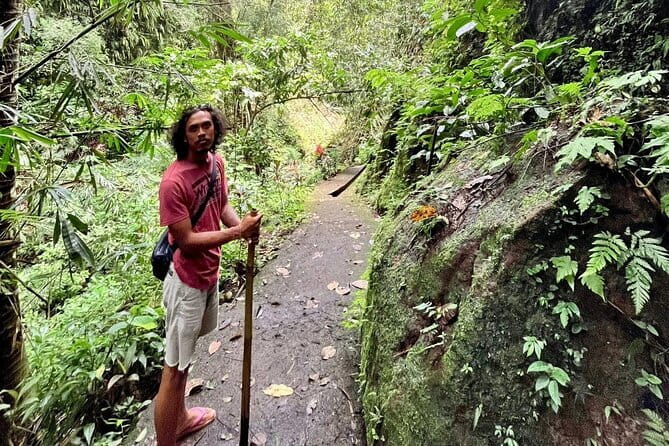
Practical tip: wear footwear that can handle slick rock and forest paths. You’ll want shoes you trust, not sandals with no grip.
Tegalalang Rice Terrace: where you walk the irrigation story

Your first major stop is Tegalalang Rice Terrace, for about 1 hour 30 minutes. This is where the Ubud photos make sense in real life. You’re not just looking at terraces from the side of a road—you’ll walk through the area, taking in the layered greens and the feel of Bali’s traditional irrigation system.
What I like about starting here is the energy. Early-day light often makes the terraces look extra sculpted, and walking through them gives you a better sense of scale than a single viewpoint. It’s also the kind of stop where a good guide can help you see what’s going on beyond “pretty fields.”
One consideration: rice terrace paths can be uneven, and some areas can get muddy depending on the weather. If you’re someone who needs flat ground, you’ll want to go slower and keep your footing.
Tirta Empul Temple: purification rituals and temple basics

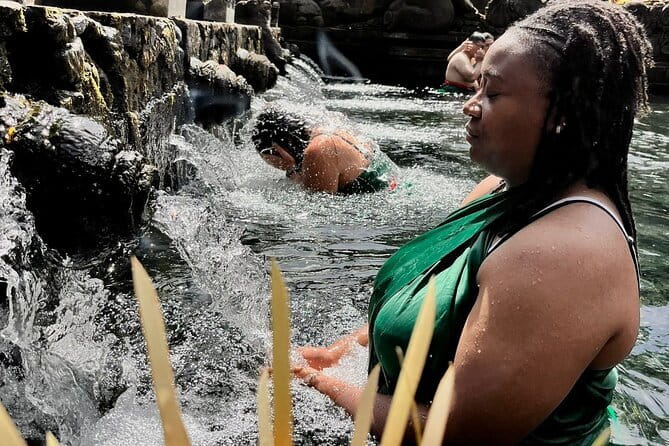
Next is Tirta Empul, a sacred water temple with natural springs, also around 1 hour 30 minutes. This stop is cultural and a bit more serious in tone. Your guide explains the history and the significance of the purification rituals locals practice here.
Two details make this visit smoother:
- You get a sarong for the temple visit.
- You’re not left guessing how to behave. A licensed guide is part of the package.
Why this matters: temples are more than photo spots in Bali. When you understand what the spring water and ritual symbolize, the visit feels more grounded and less like you’re just ticking a box.
Possible drawback: temple visits often require respectful movement and patience. It’s not a place to rush. If you’re short on time elsewhere, you’ll still want to give this one your full attention.





A Traditional Balinese house plus coffee: architecture and daily life

After the temple, you’ll head to Umah Bali Kuno for a look at a traditional Balinese house environment. The time here is about 1 hour, and the focus is on unique architecture and daily life.
This is a smart middle stop between “big sacred site” and “wet nature adventure.” It shifts your attention from outdoors and worship spaces to how people actually live—how the home is arranged and how daily routines fit into Balinese design.
You’ll also have the coffee component. The listing frames it as coffee tasting at this traditional house stop, so this isn’t just a quick shop stop. The aim is cultural context tied to a local product.
What to watch for: the coffee part can feel like a structured activity inside a tourist-friendly setting. If you’re not into coffee tastings, treat it as a short cultural stop with an added bonus, not the core reason for the day.
Tukad Cepung Waterfall: walking into a cave and watching light
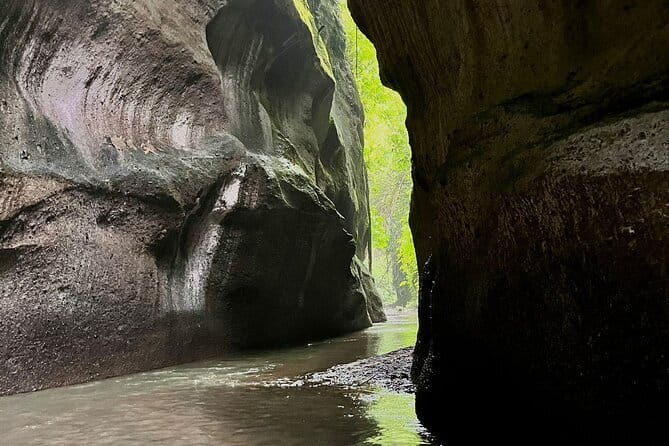
Then comes Tukad Cepung Waterfall, timed at 1 hour. This is one of those places that feels almost unreal until you’re there: you’ll walk through a lush forest and a narrow canyon to reach the waterfall.
The big draw is how the setting works. Sun rays shine through the cave ceiling, creating that signature “light beams” look people come for. If weather is clear, the effect can be dramatic. If it’s rainy, you may still get a beautiful scene, but it might feel moodier and wetter.
Why I think this stop is such good value on a highlights tour: the effort is real, but the payoff is specific. It’s not just a waterfall. It’s a waterfall in a cave-like structure where light changes the whole experience.
One practical note: caves, narrow paths, and slick rock can make this physically tougher than it sounds in a brochure. Bring footwear with grip and move carefully.
Goa Raja Waterfall: quieter nature in a cave-like rock setting

Next is Goa Raja Waterfall, also about 1 hour. This is described as a lesser-known waterfall in a tranquil setting. To reach it, you walk through lush forests and rocky paths, leading to a waterfall tucked into a cave-like rock formation.
Compared with the more “photo-trendy” waterfall style, Goa Raja feels like it’s built for slower viewing. You get the nature walk element without the same intensity implied by a more famous site.
What you’ll likely enjoy most here is the contrast after Tukad Cepung. One waterfall gives you the cave light effect; the other leans more into a quiet, sheltered rock environment. If your day needs variety, this helps it.
Possible drawback: “cave-like” and “rocky paths” means you should expect uneven ground. If you’re prone to slipping, you’ll want to take it slow and keep your pace steady.
How the sharing format stays comfortable (and sometimes even better)
This is a sharing tour, but it’s not a giant group. The tour maxes at 6 travelers, which tends to make a big difference across:
- waiting time between stops
- how crowded the viewpoints feel
- how easily you can hear your guide
There’s also a social side. With a small group, it’s easier to talk with fellow travelers during the ride breaks without it becoming awkward. And if you’re solo, this matters even more. You still get company, but you’re not stuck with strangers trying to control the day.
The strongest part of the day is the guide factor. In the guide stories tied to this tour, names like Kadek, Putu, and Koman show up with a similar theme: they’re active, informative, and focused on making the day run smoothly. One guide example includes helping avoid issues at a money exchanger, which is a useful reminder that being street-smart matters even on “easy” tours.
Rain-proofing your Ubud day: what to bring so it stays fun
The tour continues even in rainy weather. That’s a blessing if you’re visiting during the wet season—but it also means you should pack like you’ll be walking in damp conditions.
Bring:
- an umbrella or raincoat
- comfortable shoes and sandals (choose the pair you’ll trust on wet rock)
- a towel and a change of clothes
- personal items you’ll want after the waterfall sections
You’ll also want to stay mindful about water and comfort. Bottled water is included, but you’ll still feel better if you plan for a real snack or lunch break on your own.
Also note the vehicle rules: no drink and smoke in the car, which is good for comfort and cleanliness.
Who this tour fits best
This tour makes the most sense if you want one day that balances:
- culture (Tirta Empul and the traditional house)
- iconic visuals (Tegalalang Rice Terrace)
- nature effort (Tukad Cepung and Goa Raja)
It’s a solid choice for couples, friends, and solo travelers who want guided context but don’t want to spend a whole week planning logistics.
It is not recommended for travelers over 65 years old, based on the tour’s stated guidance. That makes sense given the walking involved around waterfalls and temple areas.
If you’re traveling with mobility limits or you dislike uneven terrain, consider a lighter day with fewer walking segments.
Should you book this Ubud Highlights Shared Tour?
Book it if you want a structured full-day loop that hits rice terraces, a real temple experience, and two waterfall walks without making you manage tickets one by one. The value is strongest when you care about having the entrance fees covered and you prefer a small group over a big bus day.
Skip it if you’re looking for a mostly relaxed day with minimal walking. The schedule includes cave-like waterfall environments and rocky paths, so comfort depends on your ability to handle uneven ground.
If you’re the type who wants to leave Ubud feeling like you saw the essentials and still had enough time to actually experience them, this is a smart way to do it. Just pack for rain, wear grippy shoes, and give yourself permission to take your time at the places that matter most.
FAQ
How long is the Ubud Highlights Shared Tour?
It runs for about 8 hours.
What time does the tour start?
The start time is 8:00 am.
What is included in the price?
The tour includes a licensed tour guide, sarong for the temple visit, bottled water, parking fees, entrance fees, and insurance.
Do I need to pay for admission tickets?
No. Entrance fees are included as part of the tour.
Is lunch included?
No. Lunch is not included, and you can tell your guide if you want to stop for lunch.
Where do I meet the guide for pickup?
Pickup is at Bank Pembangunan Daerah Bali, Jl. Raya Ubud No.44, Ubud, Kabupaten Gianyar, Bali 80571, Indonesia.
Is the tour a private experience?
No, it’s a sharing tour with a maximum of 6 travelers.
Does the tour run in rainy weather?
Yes, the tour continues even in rainy weather. It’s recommended to bring an umbrella or raincoat.