
REVIEW · WALKING TOURS
Ubud Guided Walking Tour
Book on Viator →Operated by Ubud Story Walks · Bookable on Viator
Ubud history is better on foot. This 3-hour walk in Ubud ties together five landmark stops with stories that explain why the town looks and feels the way it does, from temple architecture to colonial-era traces. I like that it’s run by Ubud Story Walks with a small group pace (max 8) that feels personal, not rushed.
I also like the value: the ticket covers Museum Puri Lukisan entrance and even includes a special-access Balinese compound stop, plus your guide and local discounts. One heads-up: the route goes past historic sites with uneven temple stairs, steep gradients, and patchy sidewalks, so you’ll want to be comfortable walking for up to 3 hours in an urban area.
In This Review
- Key things to know before you start
- Why this Ubud walk feels more like a lesson than sightseeing
- Price and what $28.36 actually buys you
- Meeting points, end point, and the no-pickup reality
- How long it really takes, and what the pace expects from you
- Stop 1: Gunung Lebah Temple and the first big context shift
- Stop 2: Campuhan Ridge Walk and the Dutch-era clue trail
- Stop 3: Museum Puri Lukisan and the art collaboration that shaped Ubud
- Stop 4: Ubud Palace outer courtyards and royal roles in real practice
- Stop 5: Puri Kantor and the special compound access
- Guides set the tone: what I’d listen for on your walk
- Weather, rain or shine, and the one practical packing rule
- Footwear, steps, and how to avoid turning this into a chore
- Is it worth doing on your first days in Ubud?
- Who this tour is best for
- Should you book this Ubud Guided Walking Tour?
- FAQ
- How long is the Ubud Guided Walking Tour?
- Where do I meet the guide?
- Where does the tour end?
- What’s included in the price?
- Is the Museum Puri Lukisan ticket included?
- Do I get pickup or drop-off from my hotel?
- Does the tour run in rain?
- What’s the cancellation policy?
Key things to know before you start

- Small group (up to 8) means you get more back-and-forth with your guide
- Museum Puri Lukisan entry is included (Rp 95,000) with a longer art stop
- Special access to a Balinese compound adds a level you don’t get with typical sightseeing
- Real walking conditions in Ubud include stairs and uneven paths, rain or shine
- Guides like Windari and Ira show up in recent experiences, and their storytelling style matters
- Bring a reusable bottle since the tour promotes reducing plastic in Bali’s rivers
Why this Ubud walk feels more like a lesson than sightseeing
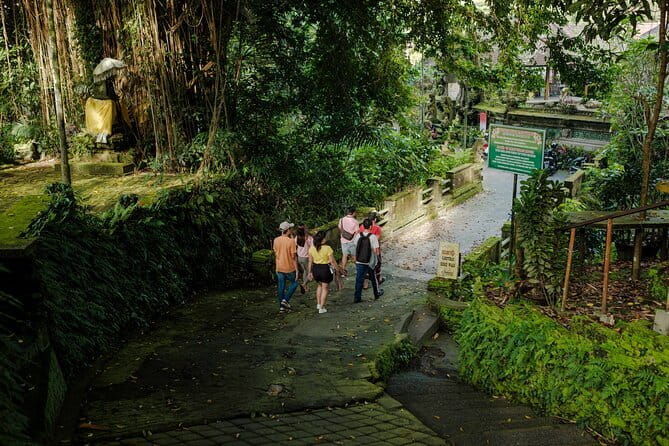
This isn’t a long “wander until you get bored” stroll. The route is built as a chain of explanations. You walk a short distance, then you stop at a place where your guide can connect details you’d otherwise miss: layout, materials, symbols, and how Bali’s Hindu culture shaped everyday life.
What works especially well is the balance of topics. You get religion and architecture at the start, colonial history in the middle, and art and royal culture near the end. If you’ve ever felt like Bali is beautiful but confusing, this route helps you sort out the why.
You can also read our reviews of more walking tours in Ubud


Price and what $28.36 actually buys you
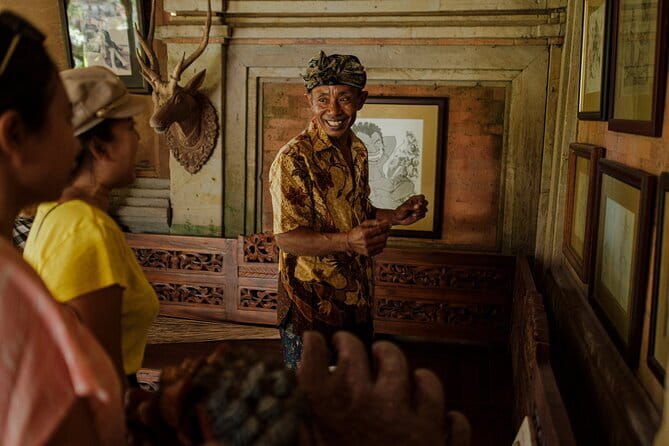
At around $28.36 per person for about 3 hours, you’re not just paying for someone to lead the way. The included items matter. Your museum entrance ticket is built in (Rp 95,000 for Museum Puri Lukisan), and you also get special access to a Balinese compound plus local discounts during the experience.
When I judge value, I look at two things: how much “stuff” is included and how much you save from buying it separately. Here, the museum ticket and the compound access are the big-ticket pieces that make the price feel more fair than basic guided walks.
Meeting points, end point, and the no-pickup reality
You’ll meet at Cantina Rooftop Restaurant | Ubud Sayan, Ubud. Your tour ends at Puri Kantor on Jl. Suweta No.1, Ubud. There’s no pickup or drop-off from your accommodation, so plan to get yourself to the start point and be ready to finish near the palace area.
Good news: the tour is listed as near public transportation. So if you’re staying in the center of Ubud, you likely won’t need a car for this one—just a taxi ride to the start if you’re farther out.
Also, you’ll get a mobile ticket, so you can keep things simple on your phone and show up without printing.
How long it really takes, and what the pace expects from you

The tour runs about 3 hours. The stops are mostly short—around 15 to 45 minutes depending on the location—so you’re moving through Ubud at a steady walking pace rather than lingering.
That pace is fun if you enjoy walking and want your day planned. It can feel tiring if you prefer long, slow museum time or if stairs wipe you out quickly. The tour specifically notes uneven temple stairs, steep gradients, and patchy sidewalks, and says you should be physically capable of climbing steps.
Stop 1: Gunung Lebah Temple and the first big context shift

Your walk starts at Gunung Lebah Temple, standing outside Ubud’s oldest temple. This is a smart opener because your guide can set the tone right away: you learn about the arrival of Hinduism in Bali and how it shows up in temple design and community meaning.
Even if you’ve seen temples before, the value here is the “connect the dots” approach. You’ll pay more attention to how the space is organized and what the architecture suggests about religious life, not just what it looks like from the outside.
Possible drawback: since this is a temple setting, expect stairs and uneven footing. If you’re carrying a lot of stuff, keep it light and ready for quick movement.
You can also read our reviews of more guided tours in Ubud





Stop 2: Campuhan Ridge Walk and the Dutch-era clue trail

Next comes Campuhan Ridge Walk, featuring a modest bridge dating back to the Dutch colonial era. This stop matters because it adds a layer beyond pure Balinese culture. Your guide discusses the role of the Dutch East India Company in colonization and how the Dutch influenced the development of the area.
I like this part because it gives you a framework for the “old Ubud” look you see around you. You start noticing patterns in buildings, planning, and the way history left marks on modern life.
Time is short at this stop—about 20 minutes—so think of it as a focused historical waypoint, not a long scenic hike. If you want more nature time afterward, you’ll have plenty of energy to add your own walk once the tour ends.
Stop 3: Museum Puri Lukisan and the art collaboration that shaped Ubud

Then you shift gears into art at Museum Puri Lukisan, described as Ubud’s oldest art museum. You’ll spend about 45 minutes here, which is a good chunk for a walking tour.
This museum stop is valuable because it tackles how Ubud’s art reputation grew. You’ll hear about collaboration between 20th-century Balinese artists and Western artists, and how that exchange helped shape the way Ubud became known.
Practical tip: museums can be cool and quiet compared to the street. If you’ve been in Bali heat all morning, this break can feel like a reset. Also, since the entrance ticket is included, you don’t have to manage cash or wait in a separate line.
Stop 4: Ubud Palace outer courtyards and royal roles in real practice
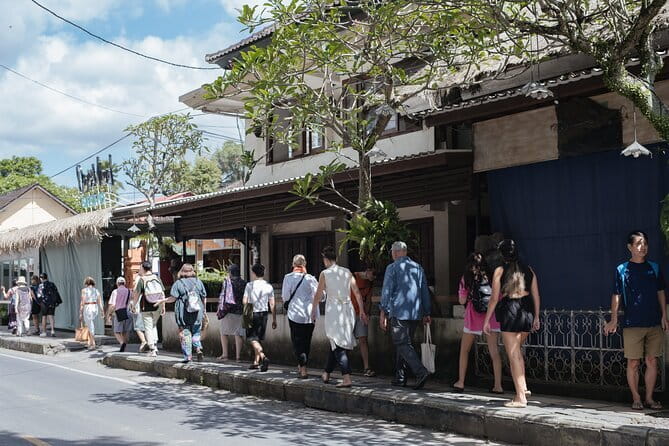
At Ubud Palace, you don’t rush through the main showpiece area. You step into the outer courtyards and hear about the historical and modern roles of Balinese royalty.
You’ll also get detail on palace architecture and traditional cremation rituals. That last part is especially important, because cremation in Bali isn’t just a funeral event—it’s part of how community life and beliefs connect over time.
This stop is shorter—about 15 minutes—but it’s one of those brief segments that can change your whole interpretation of what you’re looking at. You’ll likely start noticing signs of status, ceremony planning, and the relationship between sacred spaces and everyday governance.
Stop 5: Puri Kantor and the special compound access
The final stop is Puri Kantor, where you get exclusive access to a Balinese compound associated with Tjokorde Gede Raka Sukawati, described as the Prince of Ubud. The tour also connects this person to the Pitamaha Foundation.
This is the “why this tour feels different” ending. Many tours point at big landmarks from the outside. Here, the experience includes special access, so you get closer to how the place functions and why it carries meaning.
This stop is about 20 minutes. It’s also a good place to ask final questions, because your guide has built context in earlier stops and can answer in a way that actually ties together.
Guides set the tone: what I’d listen for on your walk
The guide experience seems to be a major reason this tour scores so well. Names that show up in recent guides include Windari, Ira, and Ilia (spelling may vary). Regardless of name, the pattern is consistent: people appreciate guides who tell stories clearly, keep it interactive, and answer questions with care.
What should you look for while you’re walking? Watch for these habits:
- They connect a physical detail (like a bridge detail or courtyard layout) to a bigger story
- They pace the group so you’re not stuck behind slower walkers
- They make room for questions without turning the tour into a lecture
If your guide does those things, the whole tour clicks into place fast.
Weather, rain or shine, and the one practical packing rule
The tour runs rain or shine. If conditions are severe—like an intense downpour—your start time may shift and you should expect a call before the tour starts.
So pack for wet feet. Even if you’re optimistic, Bali rain can make temple stairs and sidewalks slippery. Bring something you’re comfortable climbing in, not just something pretty for photos.
And remember the environmental touch: the tour asks you to bring a reusable bottle for water refills. It’s a small ask, and it helps reduce plastic in Bali’s rivers, which is the goal stated by the tour.
Footwear, steps, and how to avoid turning this into a chore
This tour is not designed for flip-flops and slow confidence. It’s a historic-walk route with stairs, gradients, and uneven ground. The tour is explicit that you should be physically capable of climbing steps and prepared for urban walking for up to 3 hours.
If you’re traveling with someone who gets sore easily, this is the moment to set expectations. You can still do the experience, but you’ll want to move at a safe pace and give yourself a little margin.
A simple strategy: start with firm shoes, keep your bag close, and take the short pauses your guide builds into the stops. The tour is timed, so there’s less wandering than you might expect.
Is it worth doing on your first days in Ubud?
Yes—if you like learning while you see places. Doing this early helps because it gives you a mental map. After a few stops, Ubud starts making more sense: temples connect to community life, colonial traces explain certain influences, and art history explains why the town attracted attention in the first place.
Also, the tour ends in the palace area, which is convenient for planning the rest of your day. You’ll likely be close to more cafes, stroll routes, and evening activity areas once you’re finished.
Who this tour is best for
This walking tour is a strong fit if you:
- Want a guided framework for Ubud, not just photos
- Enjoy a mix of religion, art, and historical context
- Can handle stairs and uneven paths for up to 3 hours
- Prefer a max 8 group size
It may be less ideal if you need step-free access or you hate walking for sustained stretches. The tour’s conditions are part of the experience, since it’s tied to historic landmarks.
Should you book this Ubud Guided Walking Tour?
If you want your Ubud day to feel structured and meaningful, I’d book it. The price lines up with what’s included: museum entry, special compound access, and a guided route that connects the dots instead of listing sights.
But don’t book it blindly if stairs and uneven footing are a problem for you. This is a walking tour that goes through real landmark environments with steps and gradients. If that fits your comfort level, it’s a smart, good-value way to get your bearings fast in Ubud while learning why the town looks like it does.
FAQ
How long is the Ubud Guided Walking Tour?
It’s approximately 3 hours.
Where do I meet the guide?
You’ll meet at Cantina Rooftop Restaurant | Ubud Sayan, Ubud, Gianyar Regency, Bali, Indonesia.
Where does the tour end?
The tour ends at Puri Kantor, Jl. Suweta No.1, Ubud, Kecamatan Ubud, Kabupaten Gianyar, Bali 80571, Indonesia.
What’s included in the price?
It includes a local English-speaking guide, an expertly guided walking tour, Museum Puri Lukisan entrance ticket (Rp 95,000), special access to a Balinese compound, and local discounts. An Indonesian guide is available as well.
Is the Museum Puri Lukisan ticket included?
Yes. Museum Puri Lukisan entrance is included in the tour price (Rp 95,000).
Do I get pickup or drop-off from my hotel?
No pickup or drop-off is provided from your accommodation.
Does the tour run in rain?
Yes, it operates rain or shine. If severe conditions occur, such as an intense downpour, the operator will call you before the start time.
What’s the cancellation policy?
Free cancellation is available. You can cancel up to 24 hours in advance for a full refund, based on local time. If you cancel less than 24 hours before the experience, you won’t receive a refund.