REVIEW · BALINESE COOKING CLASSES
Jambangan Bali Cooking Class
Book on Viator →Operated by Jambangan Bali Cooking Class with market tour · Bookable on Viator
Cooking in a Balinese home beats any restaurant meal. You’ll start with a traditional market ingredient hunt, then move into a family-style open kitchen class where you cook what you picked.
I love how hands-on it is. You’ll learn Balinese flavors beyond a menu—watch a daily Hindu household practice, try coconut oil processing, and even make a simple offering yourself.
One thing to consider: the market timing matters. If you book an evening option, the market may be closed and your day can shift from the planned market stop.
In This Review
- Key Highlights You’ll Actually Feel
- A $34 class that starts with real ingredients, not just recipes
- The market stop that turns shopping into part of the lesson
- Inside the Balinese home: open kitchen, family life, and gentle pace
- What you’ll cook: you actually make the dishes you eat
- The culture extras I think you’ll remember: offerings and coconut oil
- Rindik bamboo music and why it fits with food
- Lunch in the garden: where the day comes together
- Extras you might get: rice paddies and coffee stops
- Price, timing, and logistics: what to expect from a 5-hour class
- Who should book this cooking class (and who might skip it)
- Should you book Jambangan Bali Cooking Class?
- FAQ
- What is the location for the start of the cooking class?
- How long is the Jambangan Bali Cooking Class?
- Is lunch included, and is there an option for dinner?
- What language is the class taught in?
- What’s included in the class besides cooking?
- Is alcohol included?
- How big is the group?
Key Highlights You’ll Actually Feel

- Small group size (max 15) means you get real attention while cooking
- Market shopping first so your ingredients make sense before the first pot goes on
- English instruction by Balinese chefs with lots of cuisine and culture talk
- You cook everything and eat your own lunch in the garden
- Daily Hindu offering practice plus a coconut-oil processing moment
A $34 class that starts with real ingredients, not just recipes
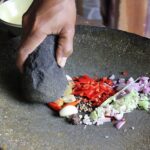
This is one of those Ubud food experiences that feels practical, not performative. For around $34, you’re not just learning dishes—you’re learning where the flavors come from. The day starts early with a trip to a traditional market, where you pick herbs, spices, and your choice of vegetables and meat.
I like that you’re involved before you cook. You don’t get handed a mystery bundle of ingredients. You see what looks fresh, what smells strongest, and what’s available that day. That matters because Balinese cooking is highly ingredient-driven.
You also get the kind of access many restaurant meals can’t offer: a family home setting, an open kitchen setup, and the equipment and techniques you might not have at home. Even if you cook “similar” food later, the process will feel different because you’ll remember what you chose and why.
You can also read our reviews of more cooking classes in Ubud



The market stop that turns shopping into part of the lesson
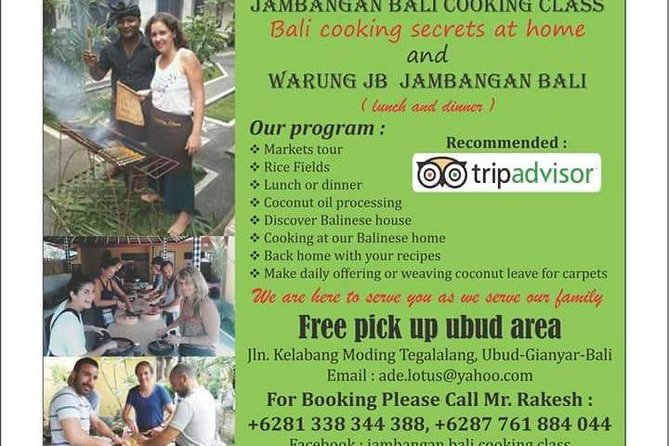
Plan on a morning that starts with your senses. You’ll go to the traditional market where you can pick fresh herbs and spices, along with your cut of meat and vegetables. This is the point where the class stops being theory and starts becoming skills.
In particular, I think the market matters for three reasons:
- You learn what ingredients look like when they’re fresh, not when they’re packaged.
- You get to ask questions about what works in Balinese dishes.
- You build a shopping mental checklist you can use later in Bali—or at home when you’re trying to recreate the flavors.
If you’re choosing between a lunch or dinner session, be smart about timing. One review mentioned that an evening visit may mean the market is already closed, and in that case the plan can adjust. So if the market visit is a top reason for booking, I’d pick the earlier/lunch option when you can.
There’s also a rice-related moment in the flow. After the market, you’ll see the rice farmer doing their daily activities. It’s a quick window, but it helps connect the meal to what happens outside the kitchen.
Inside the Balinese home: open kitchen, family life, and gentle pace
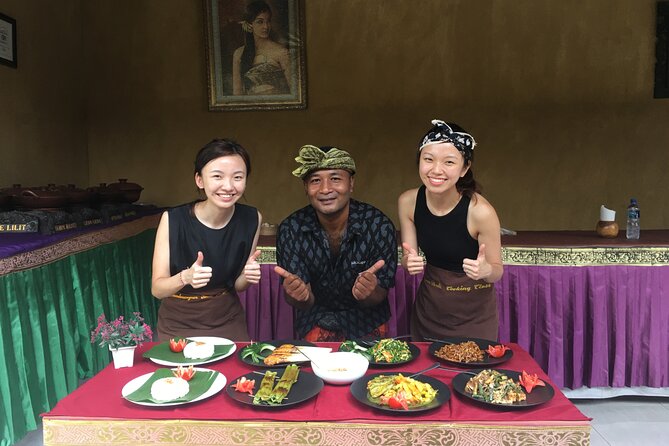
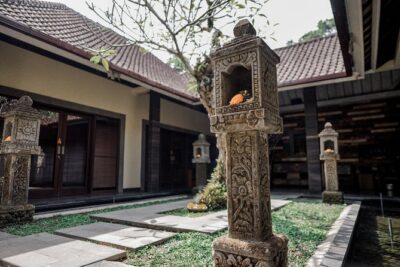
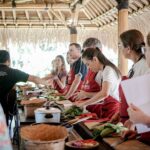
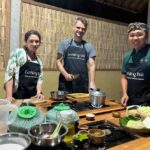
Next, you’ll be welcomed into a Balinese house. The setting is described as beautiful, and the class happens in an open kitchen where you can see the cooking process rather than guessing what’s happening behind a closed door.
What I like most about this part is the atmosphere. You’re not in a classroom. You’re in a home environment, and the day includes time to understand family life. It’s the kind of context that makes Balinese cuisine click, because you’re seeing where it fits into daily routines.
The cooking itself is described as family-friendly, which lines up with how the day is set up: you’ll be actively cooking your own dishes, not just watching. For kids and food lovers alike, that’s a big deal. You get to participate instead of waiting for the meal to arrive.
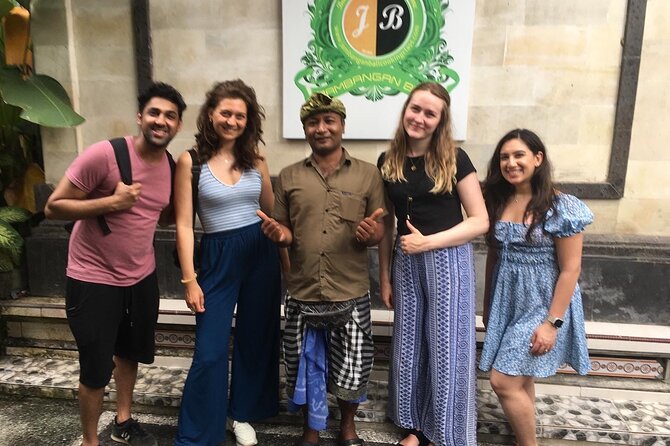
The language setup is also reassuring. The class is conducted in English, and the chefs are fully conversant with Balinese cuisine and culture. That means questions don’t feel awkward, and you’re less likely to miss key steps.
What you’ll cook: you actually make the dishes you eat
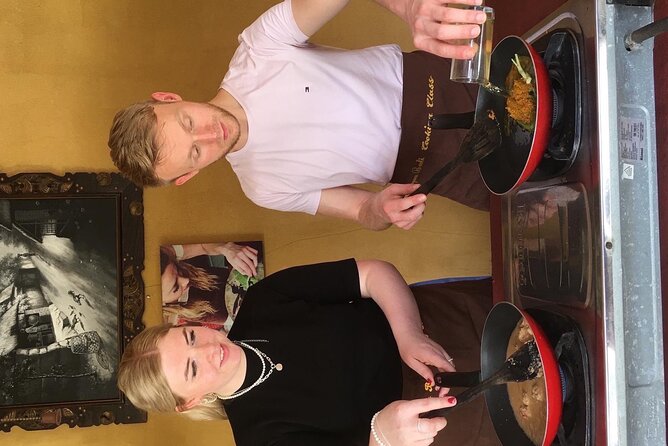
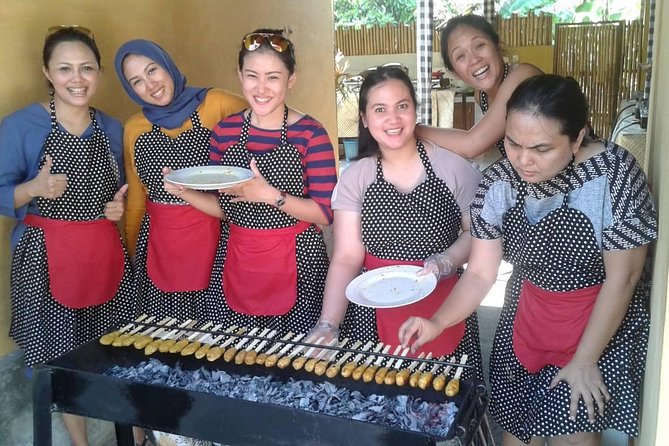
This isn’t a hands-off tasting tour. The core promise is simple: all the recipes will be made by you, and then you savor what you’ve cooked for lunch in the garden.
Depending on the menu for your day, you may cook multiple dishes. One review noted they cooked eight dishes, which gives you a sense of how much time there is for hands-on work in the full 5-hour experience.
For a cooking class, that’s where value lives. If a class only teaches “one signature dish,” you walk away with a photo and a vague sense of what you ate. Here, you’re learning a range of dishes and techniques, and you’re eating immediately after—so the flavors are fresh in your memory.
You’ll also get recipe materials to take home. One review specifically said they received a copy of all the recipes, which is exactly what you want if you’re hoping to cook Balinese food again later.
The culture extras I think you’ll remember: offerings and coconut oil
Food here is tied to daily practice. During the day, you’ll learn about Balinese household routines, including how to make a simple offering and the chance to witness the household’s daily Hindu offering.
Even if you don’t know the religious background, the practical part lands. You see what’s involved, you watch the rhythm of daily offerings, and then you try it yourself. That combination is usually more memorable than just hearing a description.
Another standout activity is authentic coconut oil processing. Coconut oil plays a role in lots of Indonesian cooking, but seeing how it’s made adds context. It also gives your brain a new “ingredient story,” not just a taste story.
These moments don’t feel like side quests. They connect directly to why the cooking class feels different from a restaurant meal.
You can also read our reviews of more tours and experiences in Ubud


Rindik bamboo music and why it fits with food
One of the surprises in the experience is traditional Balinese music—rindik, described as bamboo music. Music might sound like a random add-on, but in a day like this it works because it reinforces the cultural setting.
You’re learning in the place where people live their routines. Food, offerings, music, and family life overlap more than we usually notice when we eat away from home. This is one of those gentle reminders that cuisine is social, not just culinary.
Lunch in the garden: where the day comes together
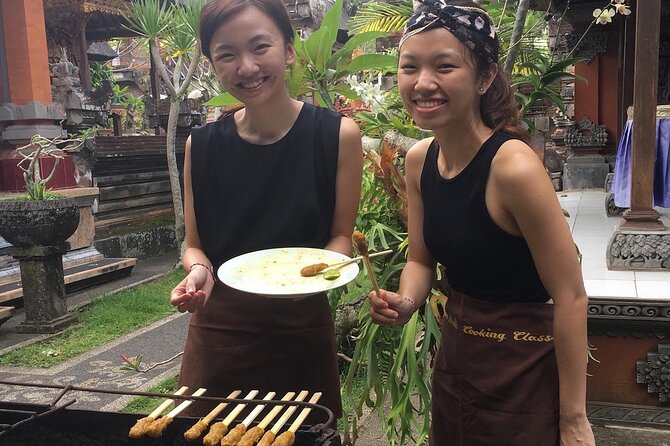
After cooking, you’ll enjoy lunch in the garden. That simple detail matters because it changes the pacing. You finish work, then you eat in a calm setting rather than rushing out for a second activity.
Also, your lunch is your own cooking. That means you’ll know which ingredients you selected and how the flavors were built step by step. It’s the kind of meal that sticks because you’re not just consuming—you’re measuring what you learned against what you cooked.
One practical note: lunch is included, but alcohol is not. If you want drinks, plan on paying separately.
Extras you might get: rice paddies and coffee stops
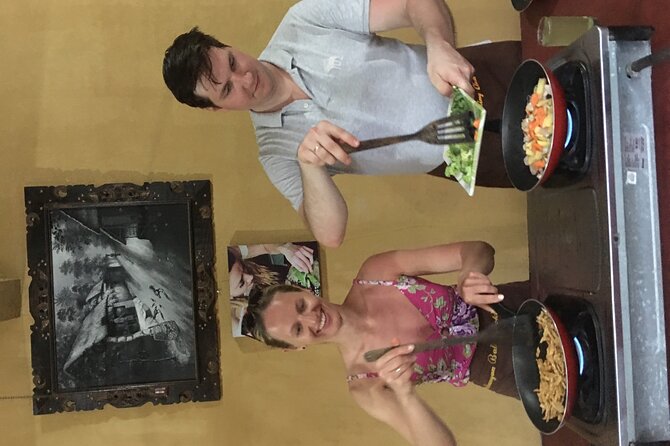
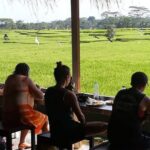
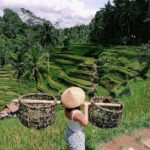
Some parts of the day may vary with the session and timing. For example, one review mentioned seeing rice paddies on the way to the home. Another mentioned a coffee plantation stop after an afternoon class, plus coffee and tea samples (and even Luwak mentioned in that story).
I wouldn’t count on these extras as guaranteed. Still, it’s useful to know that the day can stretch into broader local experiences when time allows and when scheduling works with market hours.
If you care about these add-ons—coffee sampling is a popular Bali hobby—ask when you book, especially if you’re choosing between lunch vs dinner.
Price, timing, and logistics: what to expect from a 5-hour class
At $34 with lunch included, this class offers strong value for Ubud. You’re paying for more than a meal: you’re paying for market access, instruction in English, hands-on cooking, cultural activities (offerings and coconut oil processing), and time in a family home.
Duration is about 5 hours. That’s a sweet spot. You’ll have time to shop, cook multiple dishes, and eat, without feeling like the whole day disappears.
For meeting logistics, the start point is:
- Warung JB Jambangan Bali, Jln Kelabang Moding No. 713, Tegallalang, Kecamatan Ubud, Kabupaten Gianyar, Bali 80571, Indonesia
The activity ends back at the meeting point.
Two more practical notes:
- You’ll get a mobile ticket.
- It has a maximum group size of 15, so you’re not lost in a crowd.
Finally, the experience requires good weather. If weather is bad, the plan can be changed or dates adjusted.
Who should book this cooking class (and who might skip it)
This is a great fit if you:
- Care about food culture, not just flavors
- Want a hands-on class where you cook and eat your own dishes
- Prefer small-group attention
- Are traveling with kids or with mixed cooking experience levels
- Enjoy market time and ingredient talk
You might reconsider if:
- You strongly want a guaranteed market visit and your schedule points you toward an evening session (market timing can affect what’s possible)
- You’re only looking for quick tastings without cooking
- You dislike starting early
Should you book Jambangan Bali Cooking Class?
If your goal is to leave Ubud with cooking skills and food stories that make sense, I’d book it. The market-to-home flow is the heart of the value, and the cultural pieces—offerings and coconut oil processing—make it more than a standard cooking workshop.
Also, the small group size (max 15) and English-led instruction make it feel easy to participate. If you’re choosing your session, pick the option that lines up with a market visit if that’s a must for you.
FAQ
What is the location for the start of the cooking class?
The meeting point is Warung JB Jambangan Bali, Jln Kelabang Moding No. 713, Tegallalang, Kecamatan Ubud, Kabupaten Gianyar, Bali 80571, Indonesia.
How long is the Jambangan Bali Cooking Class?
The class runs for about 5 hours (approx.).
Is lunch included, and is there an option for dinner?
Lunch is included. The experience offers you a choice between a lunch or dinner class.
What language is the class taught in?
The class is conducted in English.
What’s included in the class besides cooking?
You can expect activities such as exploring ingredients at a local market, learning about Balinese family life, coconut oil processing, learning how to make a simple offering, and witnessing a daily household offering. Traditional rindik music is also part of the experience.
Is alcohol included?
No. Alcohol is not included.
How big is the group?
The experience has a maximum of 15 travelers.