REVIEW · BALINESE COOKING CLASSES
Gianyar Market Visit & Cooking Class in Ubud with Kadek & Putu
Book on Viator →Operated by Traveling Spoon · Bookable on Viator
Food memory starts with a market stroll. In Ubud, you’re picked up and taken to the Gianyar market with Kadek, then you cook from scratch in his family’s compound with Putu. I like how the class turns ingredients into real technique, not just recipes, and I like that you sit down to eat what you make right after.
One consideration: some dishes lean piquant, so if you’re heat-sensitive, tell your hosts ahead of time.
In This Review
- Key things to know before you go
- A market-first cooking class in Ubud with Kadek & Putu
- Getting picked up around Ubud (and why it’s worth planning)
- Gianyar market: herbs, fruit, and the ingredients behind the flavors
- Inside the family compound: cooking with Putu instead of following alone
- Expect a full cooking flow, not just one dish
- What you’ll likely cook: Balinese classics with market-to-kitchen logic
- Vegetarian needs are handled by request
- The meal after class: eat it while it’s still yours
- Price and value: what $80 covers (and how to judge it)
- Who should book this cooking class (and who might not love it)
- Practical tips to make your day smoother
- Should you book this Gianyar market cooking class?
- FAQ
- FAQ
- How long is the cooking class in Ubud?
- Do they pick up from hotels in Ubud?
- What does the tour include besides cooking?
- Can you accommodate vegetarian diets?
- What dishes might we make during the class?
- What if I have allergies or dietary restrictions?
Key things to know before you go
- Gianyar market shopping for Balinese herbs and fruit with Kadek, not just a quick stop
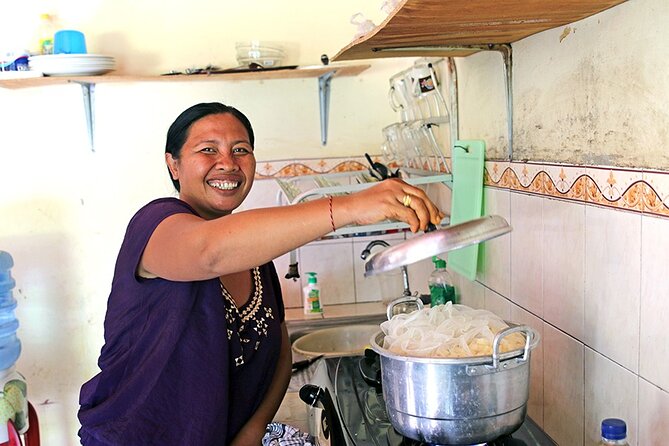
- Hands-on cooking with Putu and family members in a home setting
- Menu adapts by season, so the exact ingredients and dishes can shift
- You eat a full homecooked meal after cooking, including dessert options
- Pickup and drop-off only within Ubud, so plan accordingly
- Vegetarian is available if you mention it when booking
A market-first cooking class in Ubud with Kadek & Putu
If you want Bali food you can actually recreate later, this is the style to choose. Instead of getting a slideshow of dishes, you start with the real raw materials—fruit, vegetables, and herbs—and learn how they become flavor.
Kadek’s role is big here. He meets you from your Ubud hotel area, then guides the market side so you understand what’s used and why it shows up in Balinese cooking. Putu and the family handle the kitchen side, so you don’t just watch. You chop, cook, and then eat.
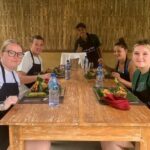
The best part is that the tour is private for your group. That matters in a cooking class because you can ask questions as you go, and the pace doesn’t turn into a factory line.
You can also read our reviews of more shopping tours in Ubud

Getting picked up around Ubud (and why it’s worth planning)
This experience includes round-trip transport within Ubud. That’s convenient because you’re not managing scooter logistics or timing your own rides while you’re trying to learn.
The one catch is simple: pickup and drop-off are limited to Ubud hotels. If your hotel sits just outside Ubud, you’ll likely need an extra charge or an arrangement. When you book, include your hotel name and address so the host can set pickup properly.
Because the tour lasts around 4 hours, smooth transport matters. You want to lose as little time as possible to traffic and meet-up confusion, especially when the market stop and cooking time both depend on the schedule.
Gianyar market: herbs, fruit, and the ingredients behind the flavors
Your first real stop is the Gianyar market, where Kadek shows regional produce used in Balinese cooking. This is where the class becomes more than a meal. You start learning the building blocks.
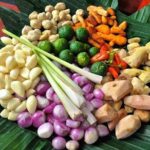
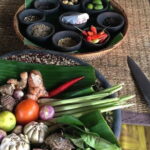
You’ll look at local fruit, vegetables, and herbs that show up again in the cooking. Even if you can’t name everything yet, you’ll learn what to look for when you try to shop back home: what smells strong, what’s fresh, what’s used for sweetness, and what brings the savory punch.
A nice detail: Kadek can also show you how he grows local fruits and vegetables at his home (a few doors down from Putu’s place) if you’re interested. If you take that option, you’ll likely get a fresh juice made from just-picked seasonal fruit. The fruit list can include mulberry, passion fruit, papaya, mango, or jackfruit, depending on what’s in season.
Why this matters for you: when you know where the ingredients come from and what “fresh” actually tastes like, cooking the dish later feels less like copying and more like understanding.
Inside the family compound: cooking with Putu instead of following alone
After the market, you head back to Kadek and Putu’s area to cook in a family compound. This is where the experience shifts from sightseeing into real skills.
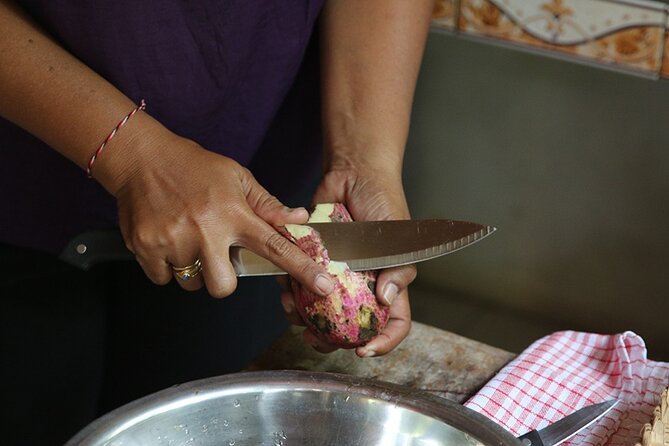
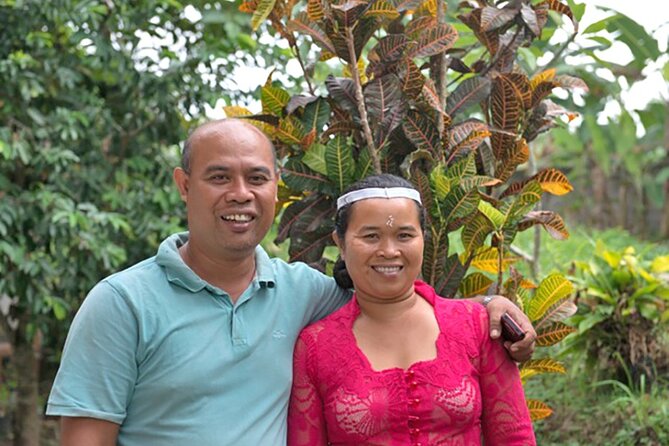
You’ll cook traditional Balinese dishes from scratch with Kadek’s sister Putu and members of their family. The class is built for active participation—hands-on chopping and cooking—so you’re not stuck in a corner trying to take notes while everyone else works.
What I like about this setup is the mix of structure and flexibility. Your host can walk you through ingredients and techniques, but the home setting keeps it informal enough for questions. That’s the difference between a cooking demo and a cooking class that sticks with you.
Expect a full cooking flow, not just one dish
From the information you’ll be taught to make multiple dishes, and the cooking rhythm is practical: you start with ingredient work, then move into the cooking steps. In fact, one strong theme from past classes was that the group breaks down ingredients before cooking starts, so you understand what each part is doing.
That ingredient-by-ingredient approach helps you recreate dishes later without guessing.
You can also read our reviews of more tours and experiences in Ubud



What you’ll likely cook: Balinese classics with market-to-kitchen logic
The menu can change depending on the season, so don’t expect an identical lineup every time. Still, there are some consistent stars.
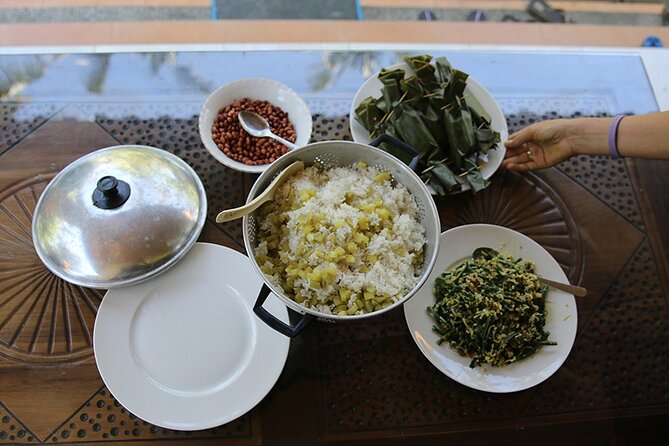
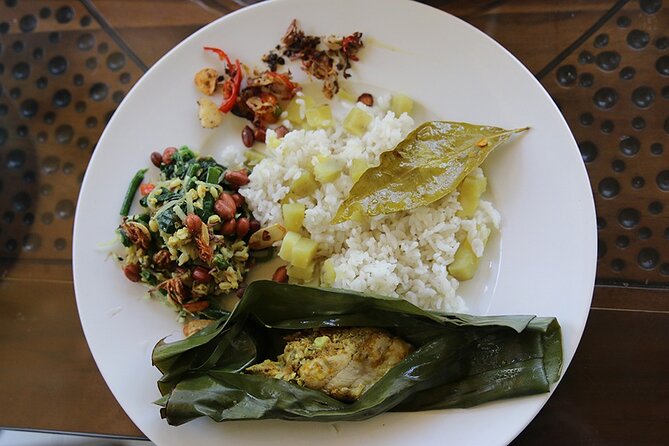
Common savory options include piquant chicken satay, stir-fried vegetables, steamed fish, and rice. You’re also likely to see a fresh vegetable soup at some point. If you’re curious about flavor, satay is the kind of dish that teaches you how Balinese spice and seasoning create a strong, memorable base.
For dessert, the class often includes black sticky rice pudding with fresh coconut cream, or a sweeter fruit dessert like fried banana with grated coconut and palm sugar.
Here’s the practical takeaway for you: you’re learning a range. You go from proteins to vegetables to rice staples, then to a dessert that uses local ingredients. That’s how you build real confidence cooking Balinese food after the trip.
Vegetarian needs are handled by request
A vegetarian option is available if you advise at booking. If you have dietary restrictions or cooking preferences, tell the hosts when you book so they can adjust what you cook and what’s served.
Also, because some dishes are described as piquant, communicate your spice level. Better to manage expectations upfront than try to translate heat preferences mid-meal.
The meal after class: eat it while it’s still yours
After cooking, you sit down and enjoy the homecooked meal you made. This is included, along with alcoholic beverages.
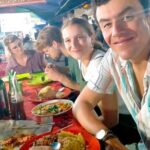
That part matters more than it sounds. Many cooking classes end with you standing around waiting. Here, the meal is part of the experience, so you can taste what you created while it’s fresh, then compare it to what you bought at the market.
If you’re the type who likes learning by doing, you’ll probably love this most at dessert. Getting black sticky rice pudding or fried banana with palm sugar means you’re not just learning savory technique—you’re learning Balinese sweetness too.
Price and value: what $80 covers (and how to judge it)
At $80 per person, the biggest value drivers are what’s bundled in. You’re paying for:
- A private market visit and cooking class with Kadek and Putu
- A homecooked meal after cooking
- Alcoholic beverages
- Pickup and drop-off within Ubud
When you compare that to the cost of a market tour plus a separate cooking experience plus transport, the package starts to make sense. You also get the benefit of a private group. That turns the class into a more personal experience instead of a rushed production.
Timing also supports the price. At around 4 hours, the tour gives you enough time to shop, cook multiple dishes, and still eat. It’s not the kind of short class that teaches you one thing and sends you off.
I’d consider it especially good value if you like food that’s specific and repeatable. If your goal is to make Balinese dishes later—satay, vegetable dishes, rice, and desserts—this class structure makes that realistic.
Who should book this cooking class (and who might not love it)
This is a great fit if you:
- Want a real cooking skill, not just a tasting experience
- Like buying ingredients with a guide so you understand what matters
- Enjoy home-style cooking and learning from a family kitchen
- Plan to cook at home and want market-to-recipe grounding
You might want to think twice if:
- You dislike hands-on chopping and kitchen work
- Your hotel is outside Ubud (because pickup/drop-off is limited to Ubud)
- You’re very strict about spice and haven’t been clear about preferences
If you’re on a tight schedule in Bali, the 4-hour run can be a smart slot. It’s long enough to feel like a day highlight, but not so long you lose a whole half-day to transit.
Practical tips to make your day smoother
A few small things will help you enjoy the market-to-cooking flow:
- Wear shoes you can walk in comfortably. Markets are active, and you’ll be moving.
- Bring a small bag for anything you buy or try. You’ll want your hands free for cooking later.
- Tell Putu and Kadek about dietary restrictions when you book, including vegetarian needs and spice sensitivity.
- If you’re interested in the farm/garden add-on, mention it early. Kadek can show how fruits and vegetables are grown and offer fresh juice from just-picked seasonal fruit.
- Expect seasonal variation in dishes. If you love a particular ingredient, ask what’s in season that day.
The market part can also be a lesson in how locals shop and talk about produce. Even if you don’t catch every term, you’ll get a feel for what’s used for Balinese flavor.
Should you book this Gianyar market cooking class?
Book it if your goal is to come home with more than memories. This experience is built around market knowledge plus real cooking practice, led by Kadek and put together in the kitchen with Putu and family.
Skip it only if you want a passive, scenic experience. This tour asks you to work—chop, cook, taste, then eat what you made. If that sounds like fun, it’s one of the more practical ways to get genuine Balinese cooking skills during a Bali trip.
FAQ
FAQ
How long is the cooking class in Ubud?
The experience runs for about 4 hours.
Do they pick up from hotels in Ubud?
Yes. Pickup and drop-off are included for hotels in Ubud only.
What does the tour include besides cooking?
You get a private market tour, the cooking class, a homecooked Balinese meal, and alcoholic beverages. Transport within Ubud is also included.
Can you accommodate vegetarian diets?
Yes. A vegetarian option is available if you advise at booking.
What dishes might we make during the class?
The menu can vary by season, but dishes mentioned include piquant chicken satay, stir-fried vegetables, steamed fish, rice, and desserts such as fried banana with grated fresh coconut and palm sugar or black sticky rice pudding with coconut cream.
What if I have allergies or dietary restrictions?
You should advise any allergies, dietary restrictions, or cooking preferences at the time of booking so the hosts can plan the menu.