REVIEW · HIKING & TREKKING
Sidemen Trekking Through Rice Terraces and Villages
Book on Viator →Operated by Sidemen Guide Trekking and Scooter Tour · Bookable on Viator
Morning in Sidemen has real pull. This short trek through rice terraces and village life is one of Bali’s best value ways to understand how food gets grown.
I especially love the Subak of Ogang irrigation story, told right where the channels run. I also like getting a close look at the farming rhythm, plus the guide’s focus on plants, not just photos.
One possible drawback: if you arrive when parts of the fields are already harvested, the scenery can be less lush than you hoped, even though the farming lesson is still there.
In This Review
- Key highlights at a glance
- Sidemen Trekking Through Rice Terraces and Villages: Why this area feels special
- 7:00 am logistics and what the trek actually includes
- Subak of Ogang: the part you’ll remember after the photos fade
- Mount Agung viewpoints and the wooden bridge moment
- Temples, daily farming work, and what you’ll see depending on timing
- Your guide matters: Wayan’s local stories and plant pointers
- What to bring for rice-terrace paths (and how not to regret your shoes)
- Price and value: is $9.80 fair for what you get?
- Who this Sidemen trek is best for
- Should you book it?
- FAQ
- FAQ
- Where is the meeting point for the Sidemen trekking?
- What time does the trek start?
- How long is the trekking experience?
- Is hotel pickup and drop-off included?
- What is included in the price?
- Is this tour private?
- What’s not included?
- Can I cancel for a full refund?
- Is the trek suitable for families or kids?
Key highlights at a glance
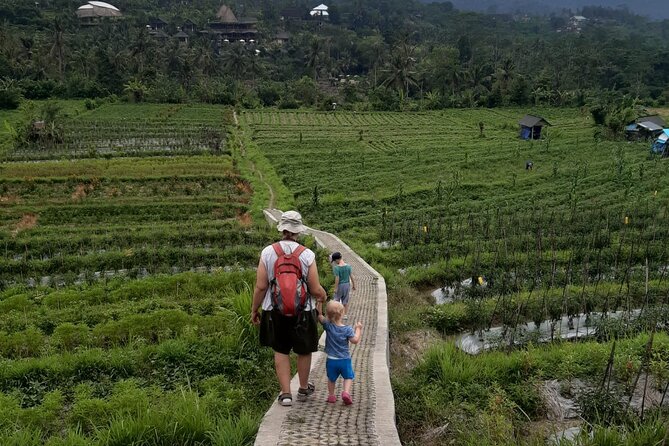
- Subak of Ogang irrigation: See the water system that feeds the rice terraces.
- Mount Agung viewpoint paths: Walk toward big-sky views as you move through paddies.
- Temple-and-village route: Pass daily life, not just scenery.
- Wooden bridge traffic: Crossing a local bridge used by people and motorbikes.
- Guide Wayan’s practical plant knowledge: More than rice basics.
- Family-friendly trekking: You can bring kids and move at a comfortable pace.
Sidemen Trekking Through Rice Terraces and Villages: Why this area feels special
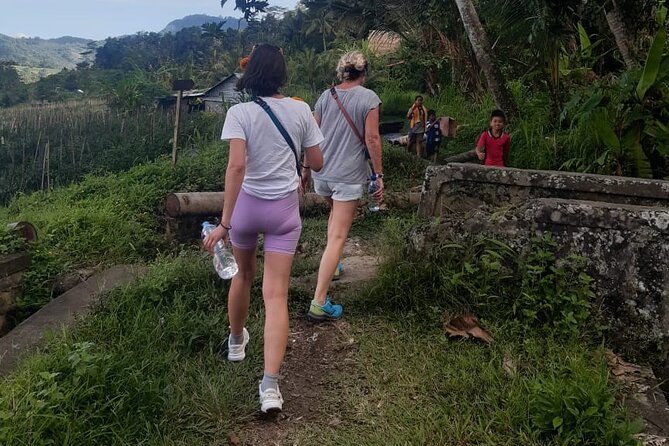
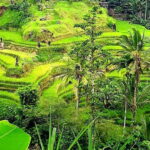
Sidemen sits a bit away from Bali’s busiest tourist loops, and that shows on the ground. You start in or near the village center, then you’re quickly walking alongside rice paddies and irrigation lines where people actually work. The result is a trek that feels normal, not staged.
I like that you’re not just “looking at fields.” You’re walking through the logic of how the terraces function—especially the Subak water system. And since the route passes by temples and everyday routines, the morning feels grounded in culture, not a checklist of photo stops.
You will still want to bring your expectations down to size a little. This is a countryside walk, not a theme park. If it’s a dry patch or a harvest has already happened, the rice greens won’t always look uniform. But the lesson and the village texture usually still make the experience worth it.
You can also read our reviews of more hiking tours in Ubud
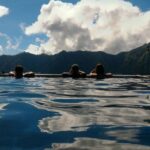
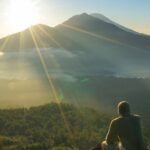

7:00 am logistics and what the trek actually includes
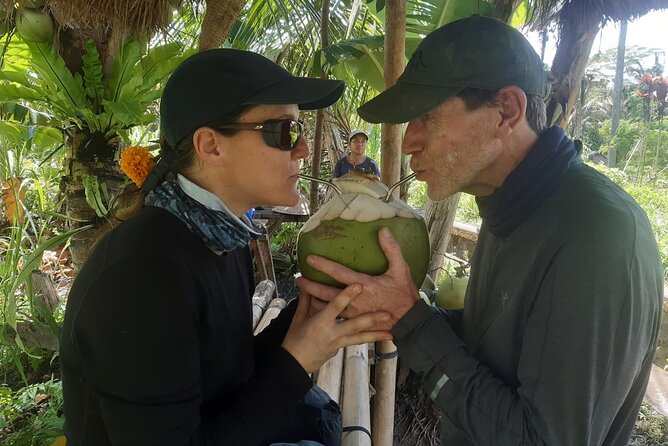
This starts at 7:00 am at the Sidemen Rice Terrace meeting point (SIDEMEN RICE TERRACE GCJP+77P). It ends back at the same place, so you’re not stuck figuring out a new route home at the end of your walk.
The duration is listed at about 1 hour, and that’s a realistic planning target for a steady pace. Still, you may spend longer if you stop for extra questions, want more time to photograph the irrigation and terraces, or if conditions are muddy and slow you down. It’s a private tour/activity, meaning it’s just your group, so you don’t have to match a crowded schedule.
Pickup is offered, but hotel pickup is described as optional. You’ll also get bottled water included, which is a small detail that helps a lot when you’re heading out early. There’s also a mobile ticket, and confirmation happens at booking.
Subak of Ogang: the part you’ll remember after the photos fade
The heart of this trek is the Subak irrigation system, and the route specifically includes time around the Subak of Ogang. If you’ve only ever seen rice terraces from a distance, this is the missing piece. You’ll watch water move through channels and understand how farming depends on planning, timing, and shared access.
Practically, this makes the walk feel more meaningful. Instead of treating every bend in the path as another “view,” you start noticing how the terraces are shaped for water flow, how farmers use the channels, and how the landscape and farming are tied together.
And it’s not just rice. Your guide may also point out other plants and the wider farming mix in the area. That’s a big deal on a short trek: you leave with more than a few images—you leave with basic context you can explain later.
Mount Agung viewpoints and the wooden bridge moment
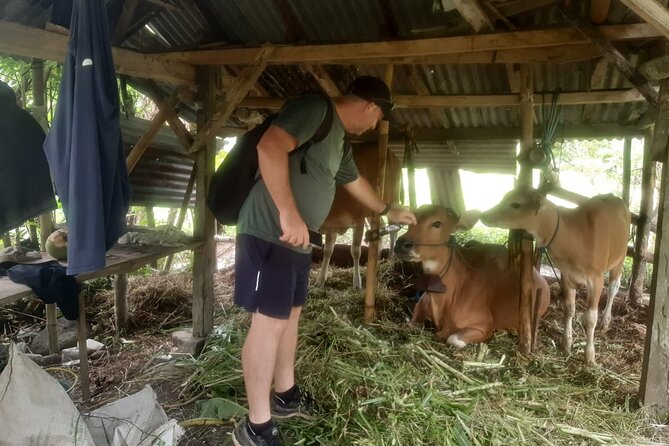
As you move from the village center toward the rice terraces, the route trends toward Mount Agung. Even when the view isn’t perfectly clear, the walk still gives you that rising feeling of stepping upward into open sky and wide angles.
One of the more memorable bits is the wooden bridge. This isn’t a quiet, scenic bridge you tiptoe over for a postcard. It’s a working crossing used by locals—and yes, motorbikes share the route. That changes the vibe. You feel the place as a real transportation link, not a set.
Along the way, you’ll pass irrigation lines, small footpaths, and temple areas. This mix matters because it breaks the trek into multiple “micro-moments,” so it doesn’t feel like a single long stretch of walking in one direction.
Temples, daily farming work, and what you’ll see depending on timing
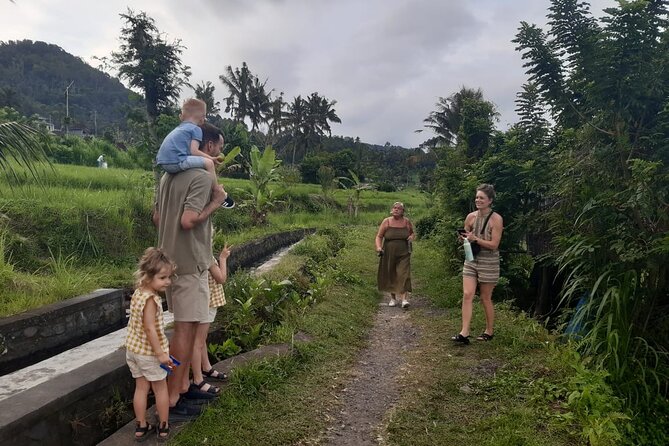
You’ll pass by temples and witness day-to-day village life as you walk. That includes farmers working through different stages—plowing and planting, then later harvesting. The exact look of the fields can vary based on season and timing, which is why some people are happier than others with how green everything looks.
If you hit the “right” moment, you’ll see active field work and a strong sense of momentum. If you hit the other moment, you might see fields that are already cut or less full of visible rice plants. Either way, the trek still gives you a way to interpret what you’re seeing.
Here’s how I’d think about it when you’re deciding: even when the greens are reduced, the terrace shapes, water channels, and village routines don’t disappear. What changes is the color. If your main goal is maximum photogenic greenery, try to time your visit for when fields look in-season. If your main goal is understanding farming and irrigation, you’ll usually get value even when harvest timing is less photogenic.



Your guide matters: Wayan’s local stories and plant pointers
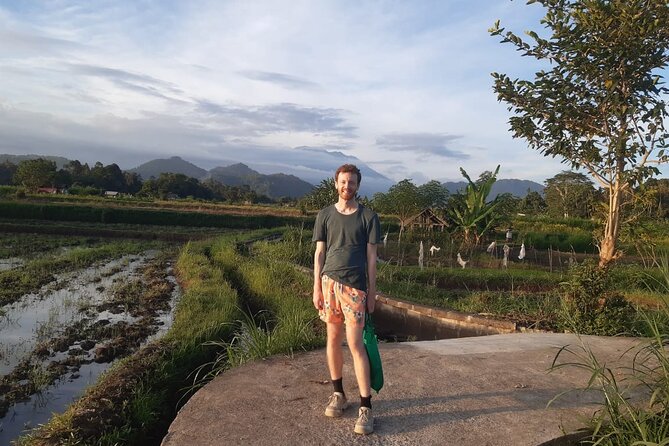
A big reason people rate this trek highly is the guide experience. In this tour, guides like Wayan are locals with real context, and that makes the walk smoother and more interesting.
Wayan’s style shows up in small details. He’s the type to explain rice culture and how the process works, with a focus on what farmers do and why. He also points out regional plants beyond the rice itself, which helps you notice the area as a living farm system rather than just a background.
He’s also known for being relaxed and helpful in practical ways. For example, if it rains beforehand, the guide checks that you’re ready for muddy steps and wet conditions. One booking notes being given coats and helped through tricky parts. That kind of care is exactly what you want on a short countryside trek.
And if lunch comes up, there’s a chance to stop for food connected to the guide’s family. One mention describes eating at Wayan’s family warung for a late lunch, and it sounded like a real local meal instead of a tourist add-on. Just keep in mind that meals aren’t listed as included, so treat it as an opportunity if your guide suggests it.
What to bring for rice-terrace paths (and how not to regret your shoes)
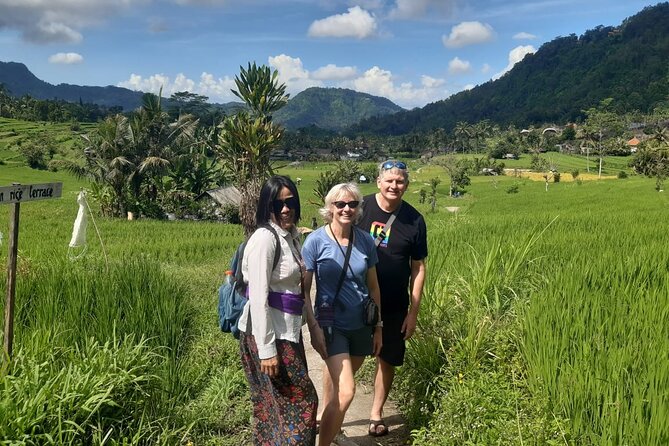
This is a walk on uneven, farm-adjacent paths. Even when the weather is clear, the ground can be soft, especially near irrigation areas. If it has rained, expect mud.
Bring:
- Closed-toe shoes with grip (not flip-flops)
- A light layer or rain layer if morning weather looks iffy
- Basic sun protection, since early starts can still bring strong light
- A small towel or wipes can help, even if bottled water is provided
Skip the fragile stuff. If you’re wearing shoes you hate getting dirty, you’ll spend the walk watching your footing instead of enjoying it.
Also, because it’s a private group, you can usually move at a pace that works for you. If you’re traveling with a toddler, there’s evidence this kind of tour can work well as long as you’re patient and plan for slower movement.
Price and value: is $9.80 fair for what you get?
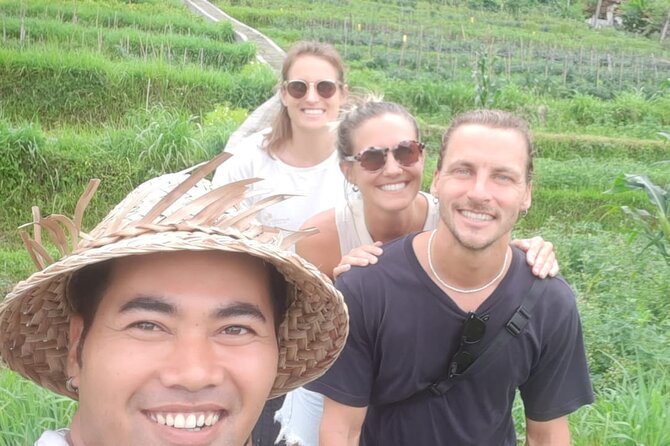
At $9.80 per person, this trek is priced like a practical local morning activity. For that you get a guide, bottled water, and optional hotel pickup (if you arrange it). Tips are not included, so factor that in if you want to reward good help.
The key value isn’t luxury. It’s the combination of:
- Local guide context (not just directions)
- Hands-on irrigation understanding through the Subak route
- Village passing moments like temples, farming work, and real crossings
- A low-friction morning plan that starts at 7:00 am and returns you to the same meeting point
Because it’s private for your group, the experience can feel more personal than a big shared bus-and-walk. Still, value depends on your group size and your flexibility with field conditions. If you want a very specific look—full green terraces—timing matters. If you want a genuine walk with context, this is a good deal.
Who this Sidemen trek is best for
This fits best if you want a morning that’s active but not intense. Most travelers can participate, and the route is built for walking through village and terrace areas rather than technical hiking.
It’s especially good for:
- First-time visitors who want the rice system explained clearly
- People who prefer culture on foot over another shuttle to a viewpoint
- Families, including toddlers, who need a guide who can handle questions and keep things moving at a kid-friendly pace
- Anyone who likes learning about plants and farming processes while they walk
If you’re expecting a long, sweeping trek with major elevation gain, you might feel underwhelmed. The point here is quality of experience in a short window.
Should you book it?
If you want a low-cost way to understand rice terraces from the inside—water routes, farming routines, and village life—then yes, I’d book this. The best part is that you don’t just see Sidemen; you learn how it works.
Book it if:
- You like walking and early mornings
- You want the Subak irrigation story explained where it happens
- You’d rather pay for a helpful local guide than a bigger, flashier tour
Consider a different option if:
- You’re chasing only the most intensely green, harvest-in-progress visuals
- Your group has no interest in muddy farm paths or doesn’t handle uneven ground well
FAQ
FAQ
Where is the meeting point for the Sidemen trekking?
The meeting point is SIDEMEN RICE TERRACE GCJP+77P, located on Jl. Sidemen – Sangkan Gn., in Sangkan Gn., Sidemen, Kabupaten Karangasem, Bali 80864.
What time does the trek start?
The start time is 7:00 am.
How long is the trekking experience?
The duration is listed as about 1 hour.
Is hotel pickup and drop-off included?
Pickup is offered, and hotel pickup and drop-off is listed as optional. If you want it, you’ll arrange it through the tour details at booking.
What is included in the price?
Included items are bottled water and a trekking guide. Optional hotel pickup and drop-off may also be included depending on your selection.
Is this tour private?
Yes. It’s listed as a private tour/activity, meaning only your group participates.
What’s not included?
Tips are not included.
Can I cancel for a full refund?
Yes. You can cancel up to 24 hours in advance for a full refund. If you cancel less than 24 hours before the start time, the amount paid won’t be refunded.
Is the trek suitable for families or kids?
Most travelers can participate, and there are mentions of being family-friendly and working well with a toddler as long as you move at a comfortable pace.