REVIEW · PRIVATE
Ubud: Private Customized Highlights Tour
Book on Viator →Operated by Ubud Daily Trips · Bookable on Viator
You can shape an Ubud day in your own way. This private tour gives you a custom route through the classics like rice terraces, monkey forest, and temples, with your guide steering the stops so it feels personal instead of rushed. Even better, it’s built for comfort in Bali heat with bottled water, and it runs as a true private experience for your group.
What I like most is the chance to learn the meaning behind the sights, not just snap photos. With guides such as Koman, you get clear explanations and quick answers as you move through sacred sites and art workshops. I also love the flexibility: you can pick a half-day or full-day plan and choose up to a handful of destinations from the area’s top hits, so you’re not stuck with a one-size itinerary.
One thing to consider: the tour runs during Bali’s rainy season, so you should plan for occasional showers. Bring an umbrella and a light rain jacket, and keep expectations realistic for muddy paths around waterfalls and temple areas.
In This Review
- Key highlights worth planning around
- How this private Ubud tour actually feels
- Half-day or full-day: choosing the right amount of Ubud
- Pickup and comfort: the small things that matter
- Price and value: when $58.98 makes sense
- The guide piece: why Koman-style guiding changes the day
- Your customizable Ubud highlights: what each stop is good for
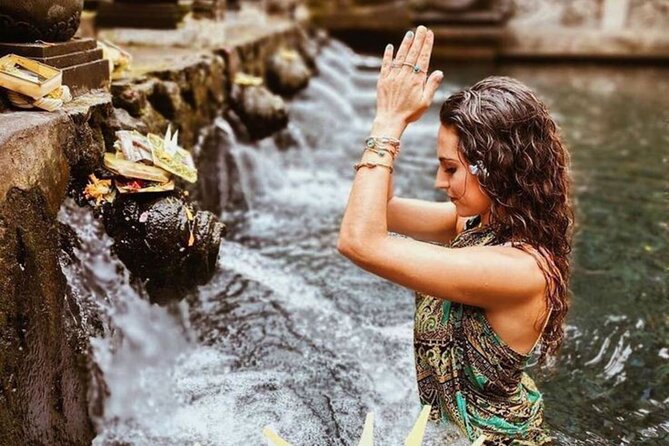
- Tirta Empul Temple: purification pools with a serious purpose
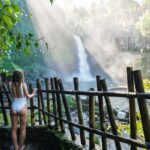
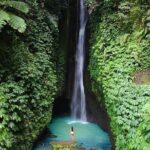
- Tibumana Waterfall: a calmer cascade option
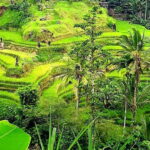
- Tegalalang Rice Terrace: the postcard scene, with real farming behind it
- Sacred Monkey Forest Sanctuary: temples plus monkeys, so mind your space
- Dewa Putu Toris: Balinese painting styles and myth in art form
- Campuhan Ridge Walk: a sunrise or sunset walk worth the effort
- Mount Kawi: rock-carved temple complex in a river-and-rice setting
- Goa Raja Waterfall: water that flows through a cave-like rock formation
- Suwat Waterfall: a secluded-feeling water break
- Kanto Lampo Waterfall: multi-tiered views and shallow pools
- Ubud Palace: royal residence and classic carvings
- Saraswati Temple: lotus ponds and central Ubud atmosphere
- Ubud Art Market: textiles and handcraft hunting
- UC Silver Gold: silversmith craftsmanship and jewelry shopping
- Taman Sari Waterfall: a peaceful escape with lush surroundings
- Elephant Cave: historic cave site and meditation pools
- Tegenungan Waterfall: strong flow and easy access
- Umah Bali Kuno coffee: an architecture-focused coffee stop
- Ulu Petanu Waterfall: a lesser-known forest-and-rice feel
- Gunung Kawi Sebatu Temple: tranquil holy water and koi-pond vibe
- Mengening Temple: ancient, peaceful, and linked to holy springs
- Yana Art Gallery: wood carving tradition in action
- Rainy season strategy: still comfortable, still worth it
- Tips to pick the best set of stops for your day
- Should you book this private customized Ubud highlights tour?
Key highlights worth planning around
- A private, customizable route lets you choose the mix: temples, rice views, waterfalls, and art stops
- Bottled water on board helps you stay comfortable in the heat between short outings
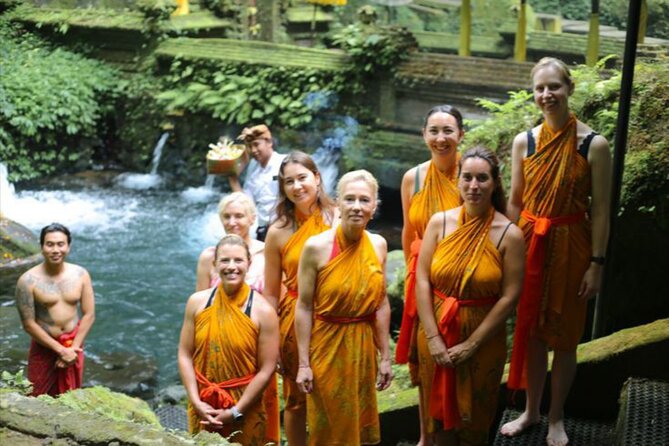
- Temple-ready support includes a sarong for temple visits
- A guide who talks through culture, including guides like Koman who explain details in plain English
- Tickets and admissions vary by stop, so you’ll want to check what’s included in your selected mix
How this private Ubud tour actually feels

Ubud can be a total sensory overload if you try to do it alone. Roads are busy, lines can form at popular spots, and it’s easy to miss why something is important to Balinese people. This tour fixes that with a simple idea: you get a private guide and private transportation, then you choose the rhythm of your day.
Your time is also structured to keep things moving without turning into a sprint. The stop durations are short (think brief visits, photos, and quick walks), so the real power is picking destinations that match your mood. Want views and a relaxed pace? Pick rice terraces and a ridge walk. Want water and photo angles? Choose a cluster of waterfalls. Want a more spiritual route? Build a day around purification temples.
You can also read our reviews of more private tours in Ubud


Half-day or full-day: choosing the right amount of Ubud
You don’t have to commit to every highlight. Instead, you’ll choose your own list of stops from the options provided, with limits based on tour length.
For a half-day, you’re looking at up to 4 destinations in about 6 hours. This works well if you want a strong first taste of Ubud without exhausting yourself. For a full-day, you can choose up to 5 destinations over roughly 9 hours, which is better when you want both sacred sites and nature stops in one go.
My practical take: if you’re new to Ubud, I’d pick one “big nature moment” (like a rice terrace or waterfall cluster) plus two culture stops (temples, art, or markets). If you’re already familiar with the usual sights, go heavier on quieter temples and craft stops.
Pickup and comfort: the small things that matter
This is hotel pickup and drop-off in Ubud (for the areas covered by the operator). You’re not navigating from the start, and you don’t have to coordinate taxis on a tight schedule.
Inside the car, you also get bottled water, which sounds basic until you’re standing in sun near rice terraces or walking close to waterfall overlooks. The tour is private transportation too, so you’re not pausing repeatedly for other groups.
For temple visits, they provide a sarong, which saves you from scrambling last minute for the right piece of clothing. Also, the tour is set up as smoke- and drink-free in the vehicle, and no pets are allowed—small rules, but they help keep things comfortable.
Price and value: when $58.98 makes sense

The listed price is $58.98 per person, and there are group discounts when you book as a group. That price can feel high if you’re thinking only about transportation. But here, you’re paying for a private setup plus a licensed guide, plus entry fees that are included for some stops.
Here’s how to judge value for yourself:
- If you’re the kind of traveler who hates standing around without context, the guide time can be worth it fast.
- If you plan to do a mix of temples, waterfalls, and art stops, the admissions-included options reduce the “surprise costs” you often get with DIY days.
- If you can’t stand traffic logistics or changing plans mid-day, private transport is the difference between stress and an enjoyable flow.
If you’re traveling solo and you only want one attraction, DIY might be cheaper. But if you want a guided day with multiple classic Ubud stops, this price starts to feel fair.
The guide piece: why Koman-style guiding changes the day
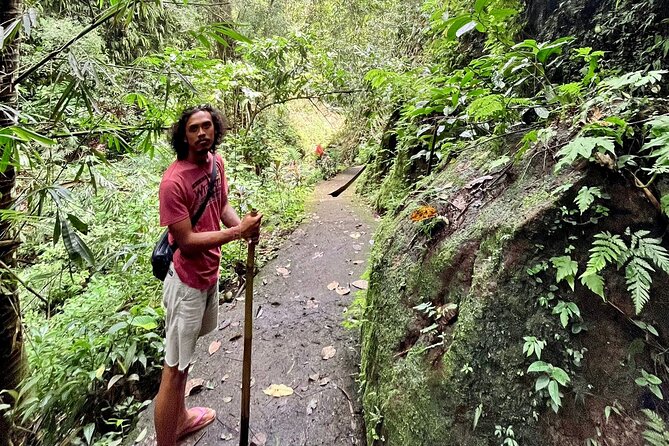
One reason this tour scores so well is the guide’s role. Guides like Koman come across as attentive and quick to answer questions, and they explain what you’re looking at in a way that helps you understand the place rather than just move through it.
That matters most at the temples and sacred water stops, where your brain is trying to answer: What am I seeing? Why are people doing this? What’s the meaning behind the carvings or the purification rituals?
With a good guide, the day feels stitched together. You’re not just bouncing from photo spot to photo spot—you’re getting a story that makes the sights land.




Your customizable Ubud highlights: what each stop is good for
Below is the practical “what to expect” map for the kinds of places you can choose from. Because you’ll only pick a few stops, use this to decide what fits your energy level.
Tirta Empul Temple: purification pools with a serious purpose
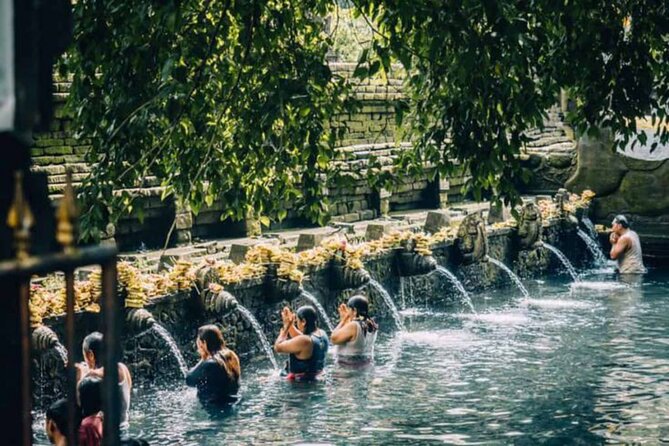
Tirta Empul is a sacred temple known for natural purification pools used in traditional cleansing rituals. If you want a deeper cultural experience and you’re okay with a more spiritual atmosphere, this is a strong anchor stop. Admission is included.
Practical note: this is a place where people come for ritual reasons, not just sightseeing. So keep your pace steady and your behavior respectful.
Tibumana Waterfall: a calmer cascade option
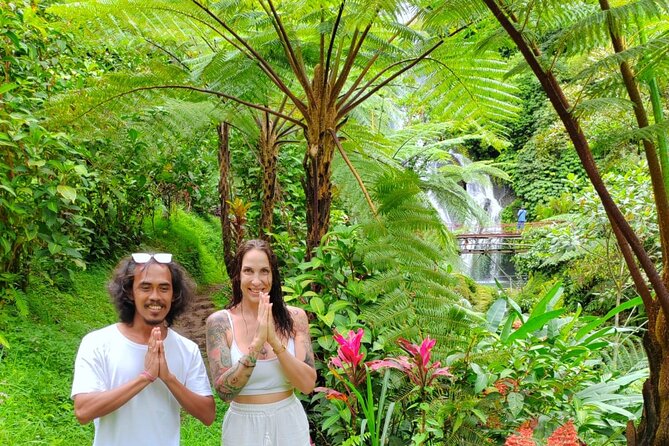
Tibumana Waterfall features a single cascade into a natural pool, set in tropical greenery. It’s a nice choice if you want water views without the biggest crowds. Admission is not included here, so you’ll want to budget for that if you add it.
Because it’s less of a “big show” waterfall, it can be a good match for travelers who like quieter nature stops.
Tegalalang Rice Terrace: the postcard scene, with real farming behind it
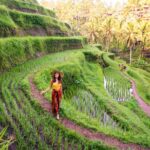
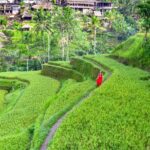
Tegalalang Rice Terrace is the classic stepped rice field view. You’ll get dramatic perspectives and a glimpse into traditional farming life. Admission is included.
This is a must if you want Ubud’s most recognizable scenery. It can also be a place where you’ll want to manage heat—choose your timing carefully and wear something that handles sun and humidity.
Sacred Monkey Forest Sanctuary: temples plus monkeys, so mind your space
Sacred Monkey Forest Sanctuary is a protected forest area with hundreds of long-tailed monkeys, ancient temples, and walkable paths. Admission is included.
Do it if you enjoy nature and don’t mind chaotic little moments. The monkeys are part of the experience, so keep valuables secure, stay aware of your surroundings, and don’t assume they’ll behave like zoo animals.
Dewa Putu Toris: Balinese painting styles and myth in art form
At Dewa Putu Toris, you’re exploring classic Balinese painting styles that depict mythology and daily life. Admission is listed as free.
This one’s ideal if you like art but don’t want a full workshop schedule. You can pair it with markets later if you want to shop, or with temples if you want more cultural depth.
Campuhan Ridge Walk: a sunrise or sunset walk worth the effort
Campuhan Ridge Walk is a scenic hilltop trail along lush ridge lines. It’s especially good for sunrise or sunset, which gives you better light and cooler temperatures.
If you’re the type who likes a short stroll with a view, this balances out the heavier temple and waterfall stops.
Mount Kawi: rock-carved temple complex in a river-and-rice setting
Mount Kawi is an ancient temple complex carved into rock cliffs, surrounded by rice fields and a river area. Admission is included.
This stop feels different from the flat-temple experience. Expect a more “sculpted into nature” feeling, which makes it good for photography and for understanding how Balinese worship sites interact with their landscape.
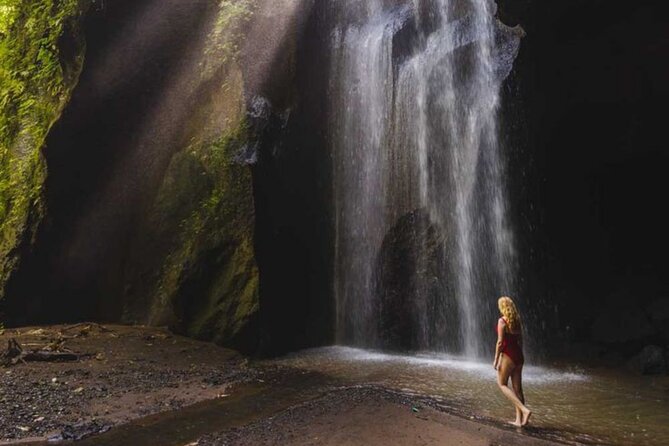
Goa Raja Waterfall: water that flows through a cave-like rock formation
Goa Raja Waterfall is known for a unique flow through a cave-like rock formation, creating a mystical vibe. Admission is included.
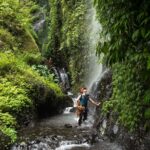
If you like atmospheric spots, this can deliver. Just remember you’re dealing with slippery surfaces around water, so wear grippy footwear.
Suwat Waterfall: a secluded-feeling water break
Suwat Waterfall is described as secluded, with crystal-clear water and a tranquil atmosphere—great for relaxing and cooling down. Admission is included.
This is one of those stops where you’ll appreciate it more if you’re not rushing. Since your day is packed with multiple options, you might want to choose it when you want to slow down rather than just chase more photos.
Kanto Lampo Waterfall: multi-tiered views and shallow pools
Kanto Lampo Waterfall is a scenic multi-tiered waterfall with shallow pools. It’s known as a good spot for photos, and it can be a refreshing break. Admission is included.
If you plan to spend time here, go in with the expectation that you’ll be balancing viewpoints and water-level access.
Ubud Palace: royal residence and classic carvings
Ubud Palace is the historical residence of Ubud’s royal family, featuring intricate Balinese carvings and performances. Admission is included.
This is a strong choice if you want a more traditional Ubud center feel and you enjoy seeing art and architecture tied to local history.
Saraswati Temple: lotus ponds and central Ubud atmosphere
Saraswati Temple is known for lotus ponds and Balinese architecture. Admission is included.
This stop fits well when you want a beautiful temple setting without driving far off the beaten path. It’s also a nice contrast to nature-heavy stops.
Ubud Art Market: textiles and handcraft hunting
The Ubud Art Market is a vibrant place for handcrafted souvenirs, textiles, and Balinese art. Admission is free.
If shopping is part of your travel style, this is a practical stop. If you’re not into shopping, you can still browse for a window into daily commerce and local design. Either way, it’s a good place to slow down and look.
UC Silver Gold: silversmith craftsmanship and jewelry shopping
UC Silver Gold focuses on silver and gold craftsmanship, with jewelry you can browse and purchase. Admission is free.
This is where you can spot details you’d miss elsewhere—craft work, styles, and the local attention to finishing. If you’re shopping, go after you’ve seen other art spots so you can compare styles.
Taman Sari Waterfall: a peaceful escape with lush surroundings
Taman Sari Waterfall is described as surrounded by lush vegetation and offering a calmer feel, away from crowds. Admission is included.
This is another waterfall choice that tends to suit travelers who want nature without nonstop commotion.
Elephant Cave: historic cave site and meditation pools
Elephant Cave includes a carved cave and sacred pools used for meditation. Admission is included.
If you like the idea of sacred calm, this can be a meaningful stop. It also pairs well after busier places, giving your day a quieter tone.
Tegenungan Waterfall: strong flow and easy access
Tegenungan Waterfall is known for strong water flow, lush greenery, and being easy to access. It’s great for photography. Admission is included.
This is a good “big waterfall” option when you want visual impact. Just plan your timing so you’re not stuck in the thickest crowd window.
Umah Bali Kuno coffee: an architecture-focused coffee stop
Umah Bali Kuno coffee is described as a beautifully designed home with authentic Balinese architecture and family compounds. Admission is not included.
This is a nice break if you want something calmer than a waterfall and you like design. It’s also useful if your route needs a pause for refreshments.
Ulu Petanu Waterfall: a lesser-known forest-and-rice feel
Ulu Petanu Waterfall is described as serene and lesser-known, surrounded by forest and rice fields near Kedisan Village. Admission is included.
This is the “quiet nature” kind of choice. You’ll enjoy it if you want to get away from the most famous waterfall scenes.
Gunung Kawi Sebatu Temple: tranquil holy water and koi-pond vibe
Gunung Kawi Sebatu Temple is described as one of Bali’s more tranquil holy water temples, with gardens and koi ponds. It’s tied to spiritual significance and purification rituals. Admission is included.
This stop is a great match if you want a temple day that feels calmer than the busiest pilgrimage spots.
Mengening Temple: ancient, peaceful, and linked to holy springs
Mengening Temple is an ancient sacred site with lush greenery and flowing holy springs. Admission is included.
If you like quiet places with a spiritual feel, this belongs in your day.
Yana Art Gallery: wood carving tradition in action
Yana Art Gallery is described as a place where skilled artisans carve detailed wood sculptures, a tradition passed down for generations. Admission is free.
This is one of the most culture-forward options if you want to see craft skill rather than just buy products.
Rainy season strategy: still comfortable, still worth it
This tour operates during the rainy season. That doesn’t mean you’ll be soaked the entire time, but it does mean weather can change fast. Bring an umbrella and rain jacket and keep shoes that can handle wet ground.
Waterfalls can even look better in the rain, with more volume. The main risk is slippery surfaces, especially around cave-like formations and pools. Take your time. Your guide can help you navigate the flow and timing of each stop.
Tips to pick the best set of stops for your day

Because you only get a handful of destinations in your time window, planning matters more than packing. Here’s the approach I’d use:
- If you want the “Ubud poster” look, include Tegalalang Rice Terrace.
- If you want a strong nature payoff, choose one waterfall focus: Tegenungan for impact, Suwat for calm, or Goa Raja for atmosphere.
- If you want culture with meaning, build around purification or sacred water: Tirta Empul plus one more temple site like Gunung Kawi Sebatu or Mengening Temple.
- If you like walking views, add Campuhan Ridge Walk—especially near sunrise or sunset.
Also, ask your guide what order makes the most sense once you’re on the ground. With private transport, you can adjust without losing the whole day.
Should you book this private customized Ubud highlights tour?
If you want Ubud but don’t want the headache of coordinating transportation, timing, and ticket questions across multiple spots, this tour is a strong fit. The biggest reason: you get a private guide and the chance to build a route that matches your interests, from purification temples to rice terraces to art and markets. Guides like Koman also add real value by explaining the cultural meaning behind what you’re seeing.
I’d skip it if you’re only interested in one attraction and you’re comfortable doing everything DIY. Also, if rainy weather is a deal-breaker for you, be honest about how you handle wet feet and slippery paths.
Bottom line: if your goal is an enjoyable Ubud day with less stress, more context, and smart pacing, this is a booking I’d feel good about.