REVIEW · WORKSHOPS
Bali Fruit Carving Class
Book on Viator →Operated by Wandernesia · Bookable on Viator
You’ll see your dinner plate become something you can actually show. This Bali fruit carving class in Lodtunduh is a hands-on, no-fuss way to learn how to carve fruit into flowers, animals, and even names, with all materials supplied. The class runs about 2 hours and keeps things calm and focused with a small group of up to 10.
What I especially like is that you’re not just watching. Your instructor walks you through the technique, then you practice with items like watermelon, papaya, melons, and even carrots. I also like the add-ons that make it feel like a complete experience: a welcome drink, a traditional snack, and a certificate when you’re done.
One thing to consider: fruit carving rewards patience. If you’re in a hurry, or you want instant-perfect results, you might find the slow, precise carving part a bit challenging at first.
In This Review
- Key things to know before you go
- Fruit Carving in Ubud: What the 2 Hours Really Feels Like
- Where You’ll Meet: The Lodtunduh Studio Setup
- The Lesson Plan: From Carving Basics to Flowers, Animals, and Names
- What’s Included: Tools, Materials, Snacks, and the Certificate
- The Small-Group Advantage (And Why Max 10 Matters)
- The Price: Does $39 Make Sense for Bali Fruit Carving?
- Who This Class Is Best For (And Who Might Skip It)
- The Morning Mood: Rice-Field Calm and Creative Focus
- Practical Tips to Get Better Results Fast
- Should You Book This Bali Fruit Carving Class?
- FAQ
- Where is the fruit carving class located?
- What time does the class start?
- How long does the class last?
- How much does it cost?
- What group size should I expect?
- What’s included in the ticket?
- What is not included?
- Is the class suitable for children?
- What’s the ticket format and booking confirmation timing?
- If I cancel, do I get a refund?
Key things to know before you go
- Small group (max 10): more attention and less waiting around.
- Materials included: no shopping for tools or fruit.
- Hands-on technique: you learn how to carve, not just how to pose with art.
- Ages 4–65 welcome: it’s built for kids and adults to try together.
- Included snack and welcome drink: you’ll have a break without leaving the class.
Fruit Carving in Ubud: What the 2 Hours Really Feels Like
This class is simple in the best way: you start with fruit, you end with carved shapes. In between, you’re learning how to cut cleanly, control pressure, and build recognizable patterns—whether you’re aiming for a flower, an animal, or a personalized design.
The time plan is about 2 hours total. That’s long enough to get past the beginner wobble and into real practice, but short enough that it doesn’t eat your whole day in Ubud. If you’re planning other temple stops, markets, or a rice-terrace walk, this fits nicely as a morning or early activity.
The session is also very low-stress in structure. You’ll have an instructor guiding the process, and you’ll have a clear chance to keep practicing until you get the technique down. The class vibe is built around precision and patience rather than speed.
You can also read our reviews of more tours and experiences in Ubud



Where You’ll Meet: The Lodtunduh Studio Setup
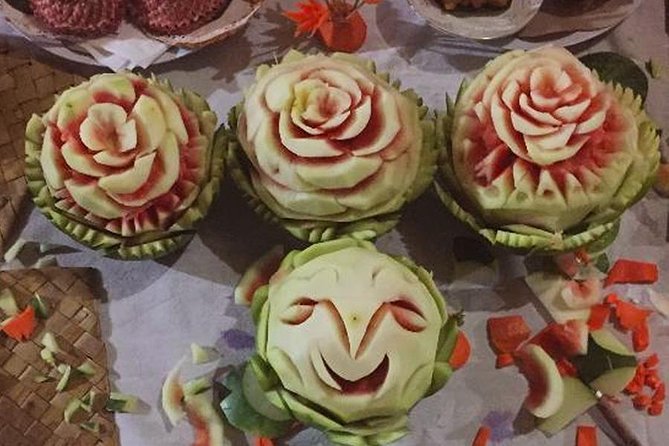
You meet at WS Art Studio Balinese Handicrafts in Lodtunduh, Ubud (address given in the listing). It’s described as an easy studio to find, which matters in Ubud where signage and small lanes can sometimes make you feel like you’re playing hide-and-seek.
The location is near public transportation. So even if you’re not using a driver for the whole day, you’re not locked into expensive private transport just to do this class. The class ends back at the same meeting point, which keeps things straightforward.
One practical note for your planning: transport service is not included. So if you don’t already have a ride lined up, build a little buffer time to get yourself there smoothly.
The Lesson Plan: From Carving Basics to Flowers, Animals, and Names
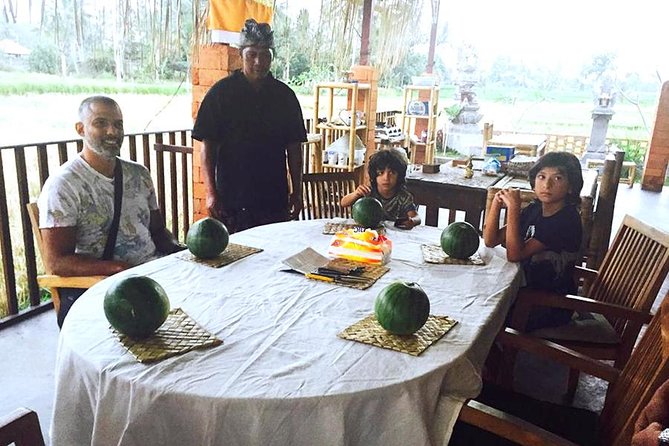
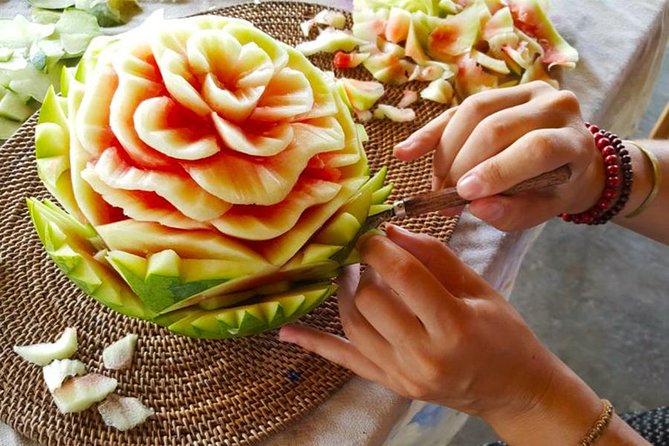
The heart of the experience is learning the carving technique step by step. You’ll practice carving fruit into recognizable art. The class uses common, colorful produce such as watermelons, papaya, and other fruit and vegetables (carrots are specifically mentioned). That variety helps because different textures need slightly different handling.
Your teacher shows you how to create carvings like:
- Flowers
- Animals or insects
- Names on fruit (the idea is exactly what it sounds like)
This matters because it’s not just decorative cutting. You’re training your hands to make consistent, intentional cuts. Even if your first attempt isn’t perfect, you’ll start seeing how the carving comes together—how small changes in angle and depth create clear shapes.
If you like creative projects, this is one of the better “learn a skill” activities in Bali because you’ll leave with something you made, not only something you photographed.
What’s Included: Tools, Materials, Snacks, and the Certificate
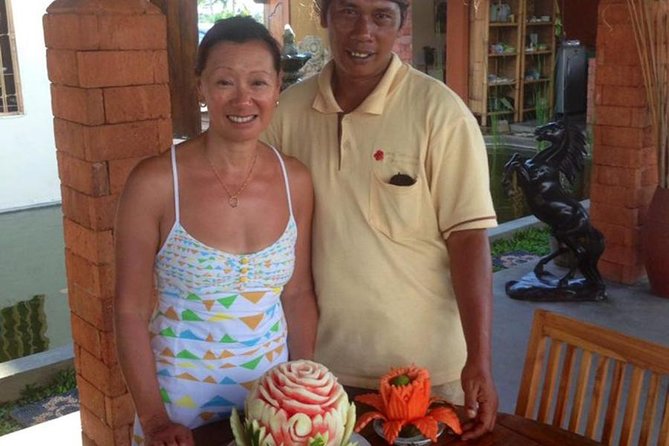
This tour includes most of what you need to succeed. You get:
- Equipment and materials
- A welcome drink
- A traditional snack
- A certificate
- And the class itself
That inclusion list is a big part of the value. Fruit carving sounds simple, but carving tools and edible materials aren’t the kind of thing you want to scramble for on the day. Here, you can focus on the class rather than logistics.
You also get a certificate at the end. It’s not life-changing paperwork, but it does add that satisfying finish line. When a class gives you both a skill and a tangible outcome, it tends to stick with you longer.
One more small detail from the experience reports: people talk about the morning tea being delicious too. So expect a proper break, not just a tiny bite.
The Small-Group Advantage (And Why Max 10 Matters)
With a maximum group size of 10, you’re not in a huge classroom where everyone waits their turn. Smaller groups usually mean the instructor can correct your technique quickly—especially important for carving, where one adjustment can make your next cut much cleaner.
It also makes the session easier to enjoy if you’re traveling with kids, or if you’re doing something new and feel a little self-conscious at first. You can ask questions without shouting over background noise, and you’re more likely to get practical guidance right when you need it.
The class is also listed as suitable for ages 4–65. That’s a wide range, and it signals that the workshop is set up for beginners. You’re not expected to walk in already knowing how to carve.





The Price: Does $39 Make Sense for Bali Fruit Carving?
At $39 per person, you’re paying for two things: instruction and all the materials. Most DIY fruit carving attempts elsewhere fail because people have the wrong tools—or no technique—so they never reach the satisfying carved-results stage.
Here, the materials and equipment are included, and you also get a welcome drink, a traditional snack, and a certificate. You’re basically buying a complete workshop experience for a short morning block.
Is it cheap? It’s not a free activity, and it won’t be the cheapest thing you do in Bali. But it’s solid value if you want a skill that’s hands-on and memorable. If you’re the type who likes practical learning experiences—crafts, cooking classes, art workshops—this price is easier to justify.
Who This Class Is Best For (And Who Might Skip It)
You’ll likely enjoy this class if you:
- Like hands-on activities rather than sightseeing
- Want a creative souvenir that you can eat or take note of later
- Travel with kids and want a structured, age-friendly activity
- Prefer small groups and direct guidance
It’s also a nice option if you want something different from the usual Bali routine of temples and beaches. Fruit carving gives you a calmer kind of creativity—something you can do while the rest of the day still belongs to you.
You might skip it if:
- You dislike slow, precise tasks (carving takes patience)
- You only want passive entertainment and don’t care about learning a technique
The Morning Mood: Rice-Field Calm and Creative Focus
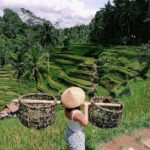
This experience has a setting that people describe as calming, with views that pair nicely with the creative work. Fruit carving is naturally detail-oriented. When your surroundings feel peaceful—like rice-field scenery—it’s easier to stay patient and keep your mind on the cuts.
Even if you’re not “an arts person,” the structure helps. You’re doing the next small step, then the next. That kind of focus is a welcome break from crowds and constant planning.
And because you’re carving fruit, the whole thing stays grounded. It’s creative, but it’s not precious. You’re practicing, improving, and still ending with something that fits the day’s theme: food that looks like art.
Practical Tips to Get Better Results Fast
Carving fruit is one of those skills where tiny adjustments matter. Since the class is about technique and precision, you’ll get more out of it if you go in ready to slow down.
A few things to keep in mind:
- Plan for the full 2 hours without rushing out early.
- Expect to focus on patience and controlled cuts.
- If you’re a first-timer, treat your first attempt as practice, not a final result.
- Wear comfortable clothes you don’t mind getting a little messy.
Also, bring your appetite. A welcome drink and snack are included, and you’ll likely appreciate the break halfway through the creative work.
Should You Book This Bali Fruit Carving Class?
If you want a hands-on Bali experience that’s small-group, beginner-friendly, and genuinely practical, I’d say yes. The combination of technique instruction, included materials and tools, and the included drink/snack makes it feel like a complete workshop rather than a quick demo.
It’s especially worth booking if you like crafts, want a skill you can carry home (you can apply similar carving ideas to other foods), or you’re traveling with kids who enjoy making things.
If you hate slow, detailed tasks, you might feel impatient. But if you can relax and enjoy the process, this class is the kind of activity that ends with pride—plus fruit art that’s a little bit silly, a little bit impressive, and very you.
FAQ
Where is the fruit carving class located?
It takes place in Lodtunduh, Ubud, at WS Art Studio Balinese Handicrafts (meet at the studio address provided), and the activity ends back at the meeting point.
What time does the class start?
The start time is 10:00 am.
How long does the class last?
Plan on around 2 hours for the class.
How much does it cost?
The price is $39.00 per person.
What group size should I expect?
The class has a maximum of 10 travelers.
What’s included in the ticket?
Included are the certificate, welcome drink, traditional snack, equipment, and materials.
What is not included?
Transport service, personal expenses, and insurance are not included.
Is the class suitable for children?
Yes. The class is listed as suitable for ages 4–65.
What’s the ticket format and booking confirmation timing?
You’ll receive a mobile ticket, and confirmation is received within 48 hours of booking, subject to availability.
If I cancel, do I get a refund?
No. This experience is non-refundable and cannot be changed for any reason.