REVIEW · BALINESE DANCE SHOWS
Ubud: Barong Dance and Keris Cultural Dance Show Tickets
Book on GetYourGuide →Operated by Bali Performances · Bookable on GetYourGuide
Masks of good versus evil, live in Bali. This Barong and Rangda performance is one of those classic Bali cultural shows that turns a simple ticket into a full-on story, driven by big character masks and gamelan music. I like that the dancers and musicians work as one unit, so the energy stays even when you can’t catch every word.
One thing to keep in mind: the plot can feel hard to follow, and the tone isn’t always equally gentle for every kid, especially if you’re sensitive to moments that feel a bit crude or too intense.
In This Review
- Quick Take: Key Things to Know Before You Go
- Why Batubulan’s Barong Dance Feels Like More Than a Show
- Ticket Value: What You’re Really Paying For at About $6
- Morning vs Evening Timing: How to Plan Your Day Without Stress
- Getting There: Transfer Coverage and the E-Voucher Ticket Swap
- Arriving at the Venue: What to Wear and What Not to Bring
- On Stage: The Barong vs Rangda Story in Plain Terms
- Costume and Mask Details You Should Actually Look For
- Gamelan Musicians: The Skill Behind the Emotion
- Family Fit: Great for Kids, But Use Your Judgment
- What Could Go Wrong: Ticket Confirmation and On-Site Check-In
- Should You Book This Barong Dance and Keris Cultural Dance Ticket?
- FAQ
- Where does the Barong dance performance take place?
- What is the story of Barong and Rangda?
- How long is the experience?
- When does the show start?
- Does the ticket include pickup and drop-off?
- Which areas are covered by the transfer?
- What do I need to bring?
- What happens if I booked no transfer?
- Are there any rules about what I can bring or do?
- Is this show suitable for all ages?
Quick Take: Key Things to Know Before You Go
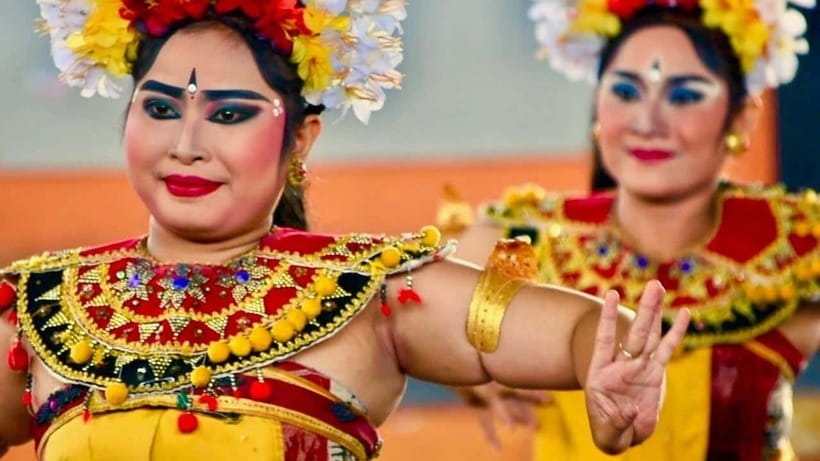
- Batubulan Village stage: The Barong dance is performed daily in Batubulan Village, so it’s easy to build into your Bali days.
- Good vs evil, made physical: Barong represents good and protection, while Rangda represents chaos and destruction.
- Gamelan sets the pace: Traditional gamelan music powers the emotion and timing throughout the performance.
- Transfer vs self-arrival: Pickup (if selected) starts at 8:30am, but without transfer you’ll swap your e-voucher for tickets at the venue.
- Bring comfort, not just a camera: Comfortable shoes help, because you’ll be sitting and watching for a while.
Why Batubulan’s Barong Dance Feels Like More Than a Show
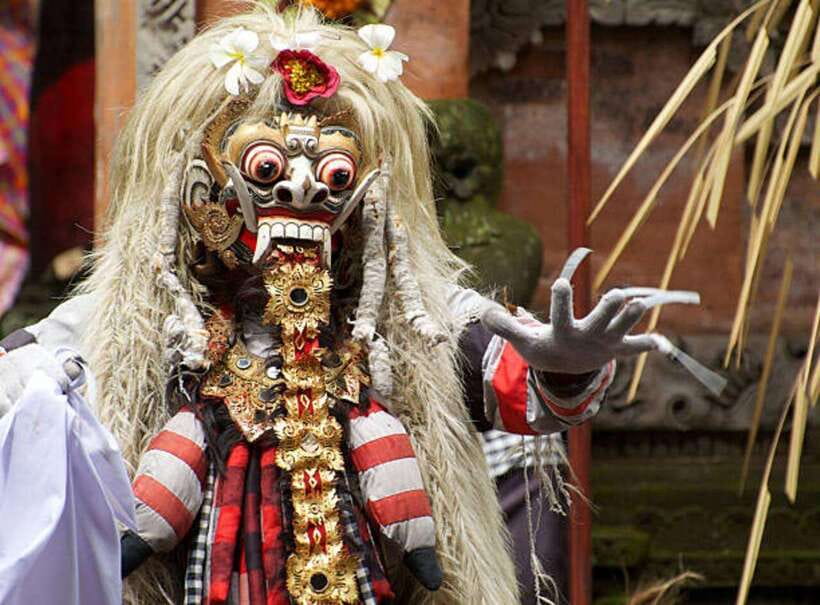
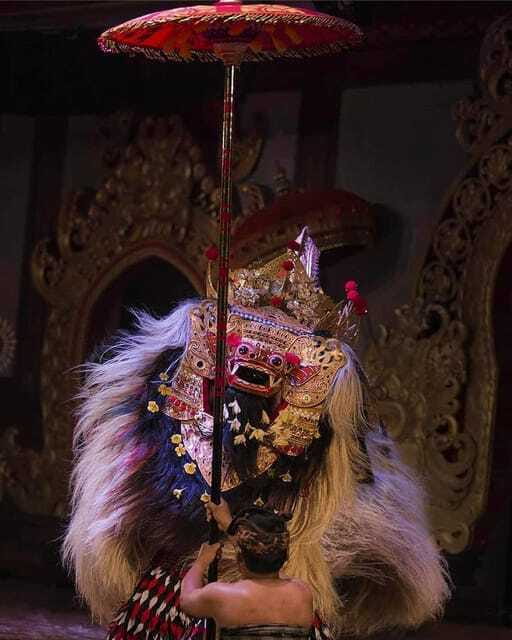
The Barong and Rangda story is Balinese mythology made watchable. You get the eternal struggle between good and evil, but it’s not explained with speeches—it’s told through movement, costumes, and the way the crowd reacts as the conflict rises and resolves.
At the center are two forces you’ll recognize instantly. Barong is the mythical lion-like figure tied to benevolence and protection. Rangda is the witch queen, feared as the symbol of destruction and chaos. When you watch them face off, you’re not just seeing dance steps. You’re seeing a cultural metaphor for balance—positive forces pushing back against negative ones.
This is one reason I think it’s a great first Bali cultural ticket. It’s iconic, easy to understand without deep context, and it’s built on symbols you can read visually even if language is limited.
You can also read our reviews of more tours and experiences in Ubud


Ticket Value: What You’re Really Paying For at About $6
This ticket is priced around $6 per person, which is a big part of why it’s popular. For that price, you’re not just buying entertainment—you’re buying a slice of a living tradition that uses skilled performers, masks, and gamelan music rather than relying on flashy effects.
That said, value isn’t only the price. It’s also what you’re willing to accept. Some seating can be less comfortable than you’d hope for a long sit, and not every performance segment will match your pace. One ticket at low cost sometimes means you’re getting exactly what the local show setup offers, not a polished theater experience designed for tourists.
If you want a “worth it” bet, this is it. If you need guaranteed comfy chairs or extra explanation in perfect English, you might want to set expectations early and plan accordingly.
Morning vs Evening Timing: How to Plan Your Day Without Stress
The show timing matters, because Bali scheduling can feel different from what you’re used to. The Barong show start time is listed as 9:30, and if you booked transfer, pickup is scheduled for 8:30am. That’s the cleanest planning window for a daytime program.
But schedules can also run later. One booking experience included an evening start around 7:30pm, and the check-in window was earlier. So if you’re choosing a time slot, treat your exact start time as the anchor for your day, not just the general headline schedule.
Practical tip: if your day is tight, plan for margin. You’ll be dealing with travel time, parking/arrival, ticket exchange, and a quick moment to settle before the dancers begin.
Getting There: Transfer Coverage and the E-Voucher Ticket Swap
You’ve got two practical routes: pickup or self-arrival.
If you select transfer, the private round transfer covers Ubud, Denpasar, and Sanur. Pickup is set for 8:30am, and you can bring food in the car. If you’re staying in Kuta, Seminyak, or Nusa Dua, there’s an additional 100,000 IDR cash payment required for that pickup area.
If you choose no transfer, the meeting point can vary, and you’ll need to exchange your e-voucher and collect your ticket on-site. This matters because it changes how early you should arrive. With no transfer, you’ll want extra time for the ticket handoff, especially if you arrive right at show start.
Either way, bring your booking info and stay calm. If something feels unclear at the meeting point, you’ll usually get pointed in the right direction once you show the ticket confirmation.
Arriving at the Venue: What to Wear and What Not to Bring
This is one of those shows where your outfit choices actually affect comfort.
Bring:
- Comfortable shoes
- Comfortable clothes
- A camera (if you want photos)
Leave at home:
- Alcohol and drugs
- Littering
- Making fire
The “comfortable clothes + shoes” part is the most underrated tip. Even if you’re mostly sitting, you’ll still need to walk a bit on uneven ground and get into place without rushing.
Also, plan for the reality that seating can vary. One booking experience described uncomfortable chairs, so if you’re sensitive to sitting for a while, consider wearing something soft and supportive. You may not be able to change the seat, but you can change how your body feels in it.
You can also read our reviews of more tours and experiences in Ubud

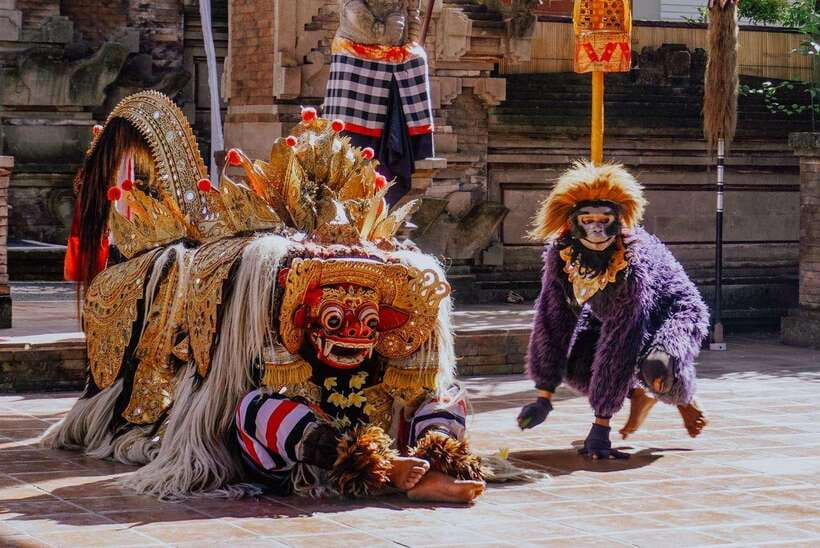
On Stage: The Barong vs Rangda Story in Plain Terms
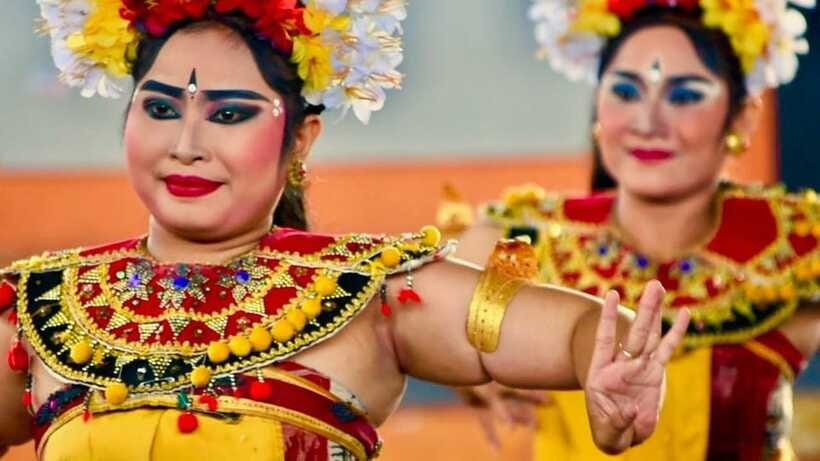
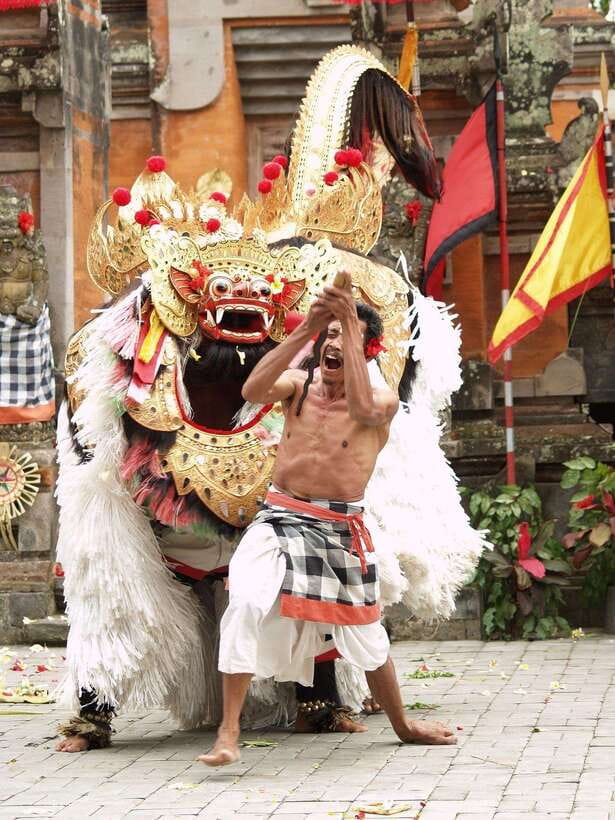
The story is built like a ritual drama: tension rises, conflict sharpens, and then the performance returns to order. You’ll see Barong’s followers challenge Rangda and her side of the supernatural world, and the choreography makes the conflict feel immediate.
Here’s how to follow it without needing subtitles:
- Watch who enters first. Barong’s side comes with protection energy and forward momentum.
- Watch how Rangda is portrayed. The witch-queen presence reads as threat and chaos.
- Pay attention to group movement. When the group forms patterns, the story is moving to the next phase.
The performance is also supported by the haunting rhythm of traditional gamelan. In a good show, the music isn’t background noise—it’s the engine that tells dancers when to surge, pause, or escalate.
A note on structure: one booking experience mentioned a puppet-show segment that felt long to them, but their child liked it. That suggests the overall program may include extra theatrical pieces beyond only the main dance story. If you’re traveling with kids, that can be a positive distraction, but if you’re a strict “just the main dance” person, arrive with flexible expectations.
Costume and Mask Details You Should Actually Look For
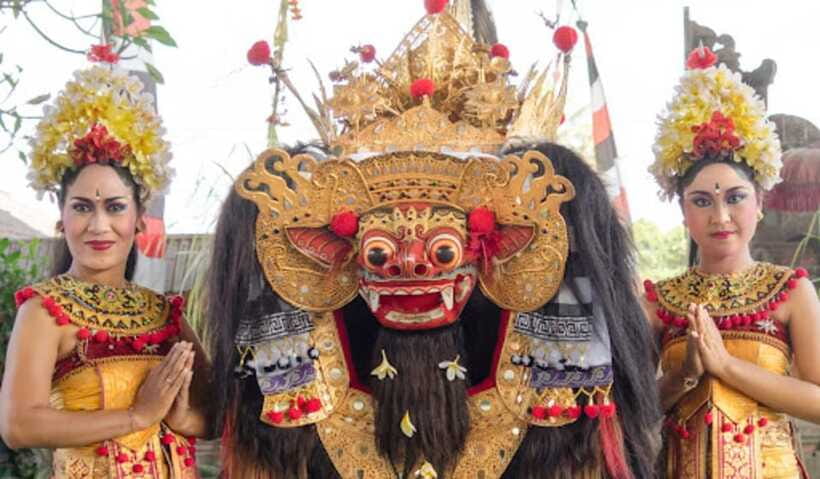
If you only remember one thing, make it this: the masks are the story.
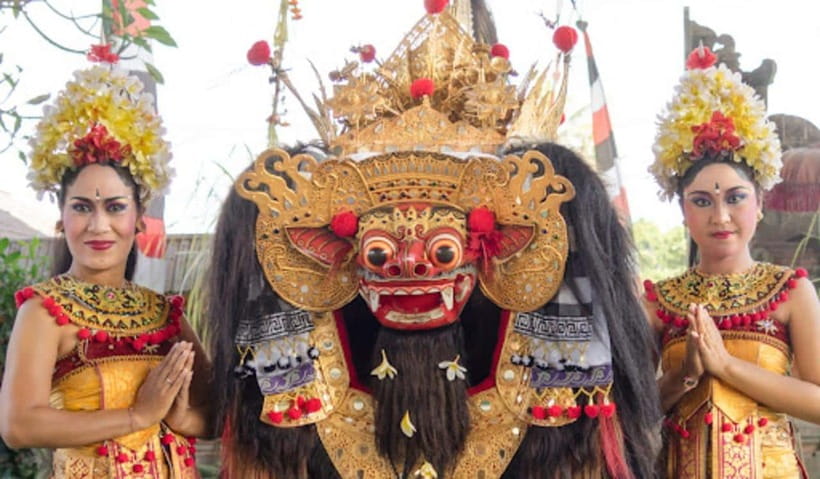
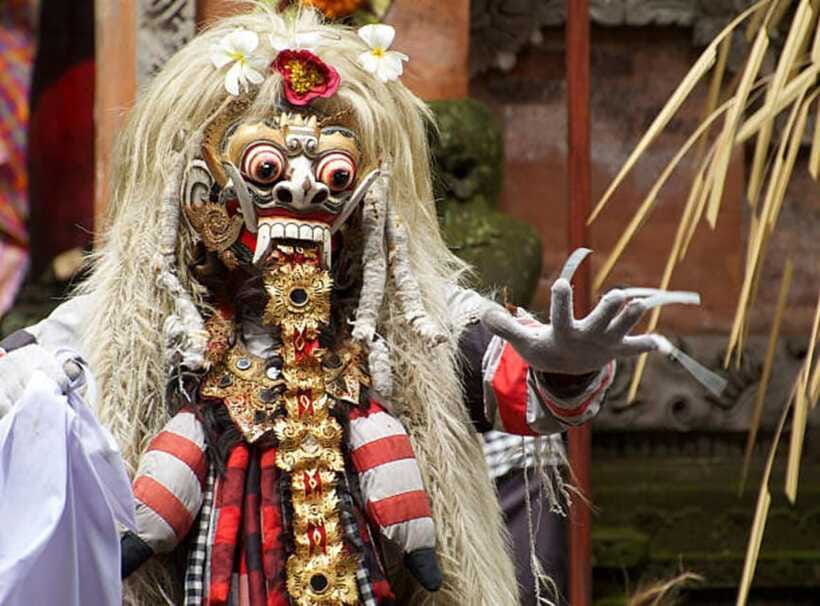
The dancers wear elaborate costumes and masks, and the designs communicate character instantly—especially for the two main roles. Even if you don’t fully track the narrative, the visual language is strong. The contrast between Barong’s protective presence and Rangda’s fearsome presence is designed for the audience to feel the difference quickly.
Costume work is also one reason this show earns high marks. One booking experience praised the acting and costumes as excellent, even though they struggled to follow every plot beat. That tells me the visuals carry a lot of the meaning, so you don’t need perfect comprehension to enjoy the performance.
Don’t just take photos. Pause your camera sometimes and watch the performers’ timing with the music. When the musicians and dancers sync tightly, you’ll feel it, even if you’re not sure what the next scene is called.
Gamelan Musicians: The Skill Behind the Emotion
The best Bali dance shows often rise or fall on the music. Here, the gamelan musicians are a huge part of why the performance lands.
You’ll notice how the rhythmic beats guide the dancers and shape the mood. The music can sound haunting, then suddenly urgent, then celebratory again as the story shifts. When dancers are masked and dramatic, music becomes the clearest mood translator for the audience.
One booking experience said the musicians worked together all the time with the dancers. That’s exactly what you want to hear, because it usually means you’ll get steady momentum instead of random tempo changes or awkward pauses.
Family Fit: Great for Kids, But Use Your Judgment
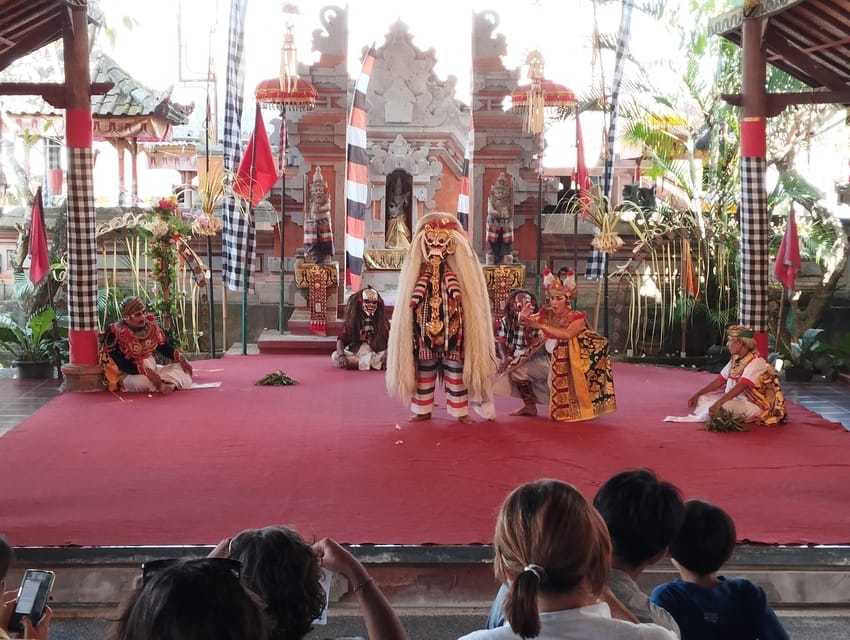
This show is advertised as perfect for families and all age groups, and the experience can be a real win for kids because it’s visual, dramatic, and full of color and motion.
Still, I’d use one bit of common sense. One booking experience mentioned crass or crude parts in the performance. That doesn’t mean it’s a bad show, but it does mean you should consider your child’s sensitivity.
If you’re traveling with younger kids, here’s how to make it work:
- Sit close enough to see faces and gestures clearly.
- Expect a mix of dance and possibly other theatrical bits (like the puppet segment that appeared in one experience).
- Use the moment breaks. If something feels intense, take a quick breather outside, then return for the next scene.
If your kids love costumes and story drama, you’re likely to have a good time.
What Could Go Wrong: Ticket Confirmation and On-Site Check-In
This is where planning matters more than you’d expect.
Some booking situations can have delays around confirmation and ticket delivery, and occasionally on-site reps may not be immediately aware of the booking details. The good news is that tickets often get sorted out once you arrive, but you shouldn’t assume the process will feel perfectly smooth.
Here’s my practical advice:
- If your confirmation doesn’t show up right away, don’t wait until the last minute. Follow up early.
- If you booked without transfer, plan time to exchange your e-voucher and collect your ticket on-site.
- Give yourself a buffer before the performance start, since the venue team may need a few minutes to verify names and slots.
In other words: don’t panic. But also don’t show up at the last second and hope for the best.
Should You Book This Barong Dance and Keris Cultural Dance Ticket?
Book it if:
- You want an iconic Bali cultural performance in a single sitting.
- You like story-through-symbols and strong visual acting.
- You’re traveling with kids who enjoy costumes and dramatic characters.
- You’re looking for value and don’t need a premium theater setup.
Skip or re-plan if:
- You’re very sensitive to intense or possibly crude moments.
- You need heavy English narration to follow everything.
- You’re extremely uncomfortable with being seated for a while and can’t tolerate basic seating.
For most first-timers, this is a solid cultural buy. The Barong and Rangda conflict is easy to feel, the gamelan is a highlight, and the costumes give you something you can recognize even without understanding every detail.
FAQ
Where does the Barong dance performance take place?
The traditional Barong Dance is performed in Batubulan Village, Bali.
What is the story of Barong and Rangda?
The dance tells the eternal struggle between good and evil. Barong symbolizes good and protection, while Rangda symbolizes evil, chaos, and destruction.
How long is the experience?
The duration is listed as 1 to 5 hours, depending on the schedule you choose.
When does the show start?
The Barong show start time is listed as 9:30. Other schedules may run later in the day, so check your exact start time when you book.
Does the ticket include pickup and drop-off?
Pickup and drop-off are optional. If you select the transfer option, pickup is arranged, and drop-off is included.
Which areas are covered by the transfer?
Transfer coverage includes Ubud, Denpasar, and Sanur. For Kuta, Seminyak, and Nusa Dua, there is an extra 100,000 IDR cash charge.
What do I need to bring?
Bring comfortable shoes, comfortable clothes, and a camera if you want photos.
What happens if I booked no transfer?
If you choose no transfer, you should exchange your e-voucher and collect your ticket to our team on the venue.
Are there any rules about what I can bring or do?
Yes. Alcohol and drugs are not allowed, and you should not litter or make fire.
Is this show suitable for all ages?
It is not suitable for babies under 1 year. It’s described as enjoyable for families and all age groups, but you should consider your child’s sensitivity due to possible intense moments.