REVIEW · TOUR REVIEWS
Besakih Temple Tour: the Biggest Temple in Bali
Book on Viator →Operated by Hire Bali Driver · Bookable on Viator
A temple day with big views and big meaning. This Besakih Temple tour strings together Bali’s biggest sacred site, a legendary water temple, and scenic breaks in Kintamani and Tegalalang—so it feels more like a day with stories than a checklist. What I like most is how Besakih’s scale and setting make the spiritual side feel real, and how Tirta Empul brings the Balinese legend of Mayadenawa and God Indra to life around the holy spring.
One thing to keep in mind: it’s a 10-hour route with several active stops, so you’ll want comfortable shoes and patience for travel time between places.
In This Review
- Key highlights to look for
- A full-day route built around Bali’s sacred geography
- Besakih Temple: Bali’s Mother Temple at the foot of Mount Agung
- Kintamani lunch with Mt. Batur and Lake views
- Tirta Empul Water Temple and the Mayadenawa–Indra legend
- Tegalalang Rice Terrace stroll: how to make 45 minutes count
- Price and value: what $75 covers (and what it doesn’t)
- Comfort and practical tips for a 10-hour day
- Who this tour suits best
- Should you book this Besakih Temple Tour?
- FAQ
- How long is the Besakih Temple Tour?
- Where does the tour start and is pickup included?
- How much does the tour cost?
- What’s included in the price?
- Are entrance tickets included?
- Is this a private tour?
- Is cancellation free?
- What will I do during the day?
Key highlights to look for
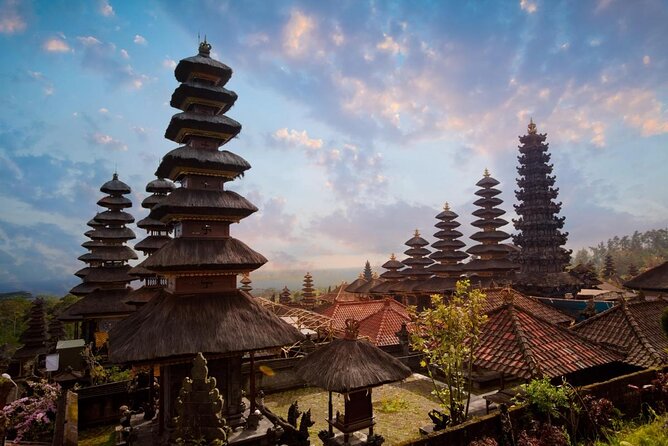
- Besakih Temple’s “Mother Temple” status: Bali’s biggest and most important Hindu complex on the island
- Holy spring at Tirta Empul: tied to the Mayadenawa vs. God Indra battle legend
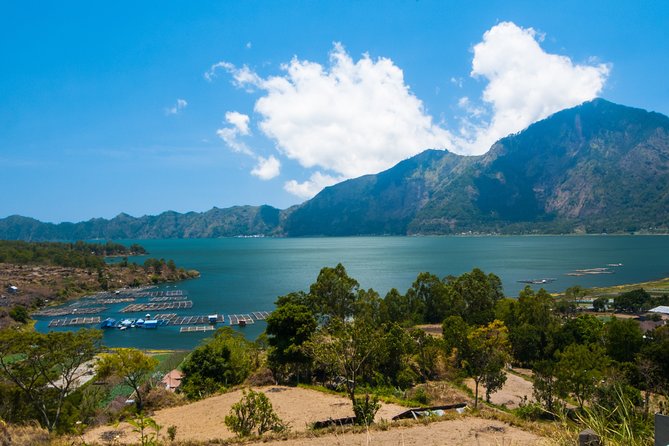
- Kintamani lunch with Mt. Batur and Lake Batur views: a built-in scenery break in the highlands
- Tegalalang Rice Terrace stroll: 45 minutes to wander the paddies and capture the classic Bali look
- What’s handled for you: sarong access, entrance fees for most stops, bottled water, and an air-conditioned ride
A full-day route built around Bali’s sacred geography
This tour is designed around a simple idea: Bali’s religious sites aren’t randomly scattered. They sit in a meaningful pattern—mountain foothills, sacred water, and then down to the iconic rice terraces. That’s why it doesn’t feel like temple overload. You get worship at Besakih, a deep-rooted water story at Tirta Empul, then you breathe a bit with Kintamani’s highland views.
You also get a steady rhythm. Each stop is timed to give you enough time to enter, look, and absorb, without feeling rushed from one corner to the next. The pace is roughly one hour for the main temples, about two hours for Kintamani, and a shorter 45 minutes at Tegalalang.
One more practical win: you’re in an air-conditioned vehicle with bottled water, and your transport is set up for your group only. That matters in Bali, where road time can vary a lot by traffic and the route of the day.
You can also read our reviews of more tours and experiences in Ubud.


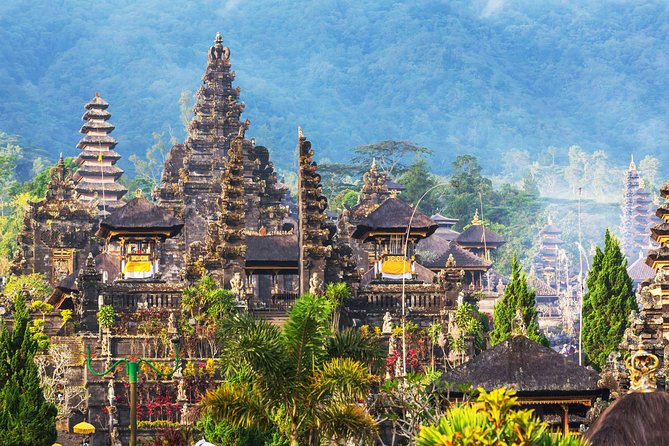
Besakih Temple: Bali’s Mother Temple at the foot of Mount Agung
Besakih is the anchor of the day. It’s described as the ancient Mother Temple of Hindu, and it sits on the foothills of the island’s highest mountain, Mount Agung. That setting changes how you experience the place. You’re not just looking at stone and carvings—you’re watching the temple relate to the mountain it overlooks.
You’ll spend about 1 hour at Besakih, and entrance is included. Plan for time to move through temple areas while keeping an eye on modest clothing. You’ll be provided a sarong to enter, which makes the whole clothing issue much easier to handle.
What to expect: a big, layered temple setting rather than one simple building. You’ll likely notice how many parts of the complex contribute to a single spiritual atmosphere. Also, this kind of temple draws locals who come for offerings and daily religious routines, so the place often feels lived-in rather than staged for tourists.
Possible drawback: Besakih is “big,” and big temples can mean more walking than you expect. If you don’t love long stints on uneven ground, keep your pace easy and take your time with the best viewpoints rather than trying to see every inch.
Kintamani lunch with Mt. Batur and Lake views
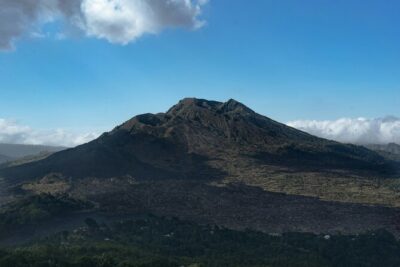
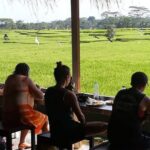
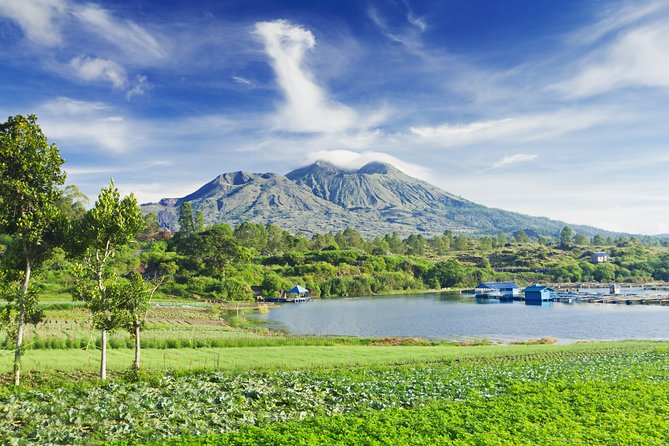
After the temples, the day shifts north to Kintamani, where you’ll see Mount Batur and Lake Batur. This stop is built as both a sight break and a meal break—so you’re not just swapping religion for scenery. You’re getting a change in altitude and atmosphere that helps the rest of the day feel manageable.
You’ll have about 2 hours here, and the schedule is set up so lunch happens while you enjoy the views. Entrance is marked as free for this portion, which is nice because it keeps the day’s “cost creep” down.
Why it works: Kintamani gives your mind a reset. After walking temple paths, you can look outward—toward volcano slopes and the calmer water surface of the lake. It’s the kind of pause that makes Tegalalang later feel like a natural finish rather than another chore.
What to watch: since this is a scenic highland stop, conditions can feel different from Ubud and the temple areas. Dress in layers if you run warm or cold easily.
Tirta Empul Water Temple and the Mayadenawa–Indra legend
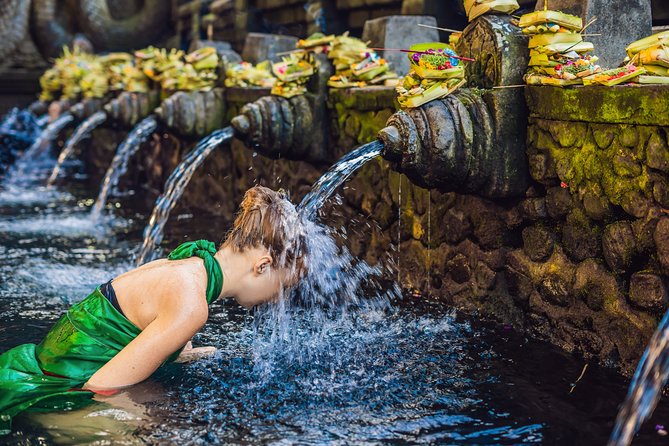
Then comes one of the most distinctive parts of Bali temple culture: Tirta Empul. The temple is tied to a legend about an epic battle between Mayadenawa and God Indra. In that story, the troops of Indra are saved by a holy spring—water that’s said to heal and keep people from dying.
You’ll spend about 1 hour at Tirta Empul, and admission is included. Like Besakih, you’ll be using the sarong provided to enter sacred areas.
What to expect: focus on the water and the ritual setting. Even if you’re not fluent in the mythology, the temple experience makes the story concrete because it’s connected to something tangible—holy spring water. This is where the tour’s theme shifts from “temples as architecture” to “temples as active belief.”
Possible drawback: because this is a working sacred site, it can feel busy and rhythm-heavy. If you want quiet, you’ll need to time your walking and viewing with the flow of people.
Tegalalang Rice Terrace stroll: how to make 45 minutes count
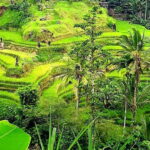
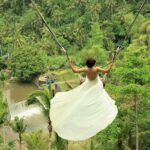
The last stop is Tegalalang Rice Terrace, which is famous for its layered green views and the way the terraces step down across the hillside. You’ll have 45 minutes here, and the entrance is included.
This final stretch is short by design. After temple stops, you probably don’t need another long guided walk. What you need is time to slow down, look for the best angles, and take a few slow stroll moments along the paddies.
How to get the most in limited time:
- Decide early where you want your main photos from, then walk toward it.
- Keep water handy (you’ll have bottled water during the tour).
- Don’t try to cover everything. Pick a couple of viewpoints and enjoy being present.
Possible drawback: 45 minutes sounds generous until you’re navigating paths, waiting for a clear angle, and dealing with the natural crowd flow at a famous spot. Treat it like a guided pause, not a full hike.

Price and value: what $75 covers (and what it doesn’t)
At $75 per person, this tour is aiming at practical value: you’re paying for transport, key admissions, and a full day of structure.
Here’s what’s included:
- Air-conditioned vehicle and private transportation
- Lunch
- Bottled water
- All fees and taxes
- Sarong to enter the temple
- Admission tickets at Besakih, Tirta Empul, and Tegalalang
- Kintamani’s admission is listed as free
What’s not included:
- Alcoholic beverages
So where’s the real value? It’s not just the temples. It’s the combination. You’re getting three major cultural/sacred stops plus one highland viewpoint plus one iconic Bali scenery stop. The “hidden” cost in Bali is usually time and logistics—figuring routes, coordinating entries, and handling tickets. This tour wraps that into one price.
Also notice the group format: it’s private for your group only. That matters because private means less waiting around for other schedules and more straightforward pacing.
Comfort and practical tips for a 10-hour day
Even when you’re in private transport, a 10-hour itinerary means your body does the work. You’ll want to think ahead so you can enjoy the sites without feeling wiped out.
A few practical notes based on what the tour provides:
- You’ll have an air-conditioned ride, which helps a lot between stops.
- You’ll get bottled water, but bring your own reusable bottle if you’re the type who drinks constantly.
- Alcohol isn’t included, so if you like having drinks during a meal, plan to purchase separately.
- Sarongs are provided for temple entry, which reduces stress about what to wear.
For temple visits, the biggest “make or break” factor is comfort. You’re moving through sacred spaces on real ground—some areas can be uneven. Comfortable footwear will matter more than fashion.
Finally, keep your expectations aligned with the format: this is a guided day with set stop durations. If you like wandering completely on your own, you might feel limited. If you like structure and someone handling the driving and entry details, you’ll likely enjoy the flow.
Who this tour suits best
This tour fits best if you want Bali’s highlights in a single, well-paced day without piecing together transport and tickets yourself.
You’ll probably enjoy it if:
- You like big sacred sites and want to see why Besakih is considered the island’s Mother Temple
- You’re curious about the meaning behind rituals, especially at Tirta Empul and its holy spring legend
- You want the cultural stops plus a scenic reset at Kintamani and Tegalalang
- You prefer private group comfort over squeezing into larger shared groups
If you hate temples in general or you want only one sacred site (not several), you might find it packed. But the route is balanced on purpose: temples, myth-connected water, volcano-and-lake views, then rice terraces.
Should you book this Besakih Temple Tour?
Book it if you want an efficient Bali day that connects spiritual sites with the kind of scenery that actually helps the memory stick. The included lunch, bottled water, sarong, and most entrance fees make it feel like a bundled deal rather than a collection of add-ons.
Skip it—or adjust your expectations—if you’re sensitive to long travel days, or if you want lots of free time for wandering without fixed stop durations. This tour is structured. It’s built to see key places well, not to let you linger indefinitely.
FAQ
How long is the Besakih Temple Tour?
It runs about 10 hours total.
Where does the tour start and is pickup included?
The tour is listed from the Ubud area, and pickup is offered.
How much does the tour cost?
The price is $75.00 per person.
What’s included in the price?
Included are an air-conditioned vehicle, private transportation, lunch, bottled water, all fees and taxes, and a sarong to enter the temples.
Are entrance tickets included?
Yes for Besakih Temple, Tirta Empul Temple, and Tegalalang Rice Terrace. Kintamani is listed as admission free.
Is this a private tour?
It’s private for your group only.
Is cancellation free?
Free cancellation is available up to 24 hours in advance for a full refund.
What will I do during the day?
You’ll visit Besakih Temple, stop in Kintamani for lunch and views of Mount Batur and Lake Batur, visit Tirta Empul Temple, and end at Tegalalang Rice Terrace.