REVIEW · TANAH LOT TOURS
Bali Charm: Full-Day Bedugul and Tanah Lot Tour (UNESCO) – All Inclusive Tickets
Book on Viator →Operated by Bali 4U Tours · Bookable on Viator
Bali hits different with four big stops. This private all-inclusive day tour strings together iconic temples in Bedugul and Mengwi, plus UNESCO-listed Jatiluwih rice terraces, with hotel pickup to keep the day from turning into a logistics puzzle. You’re out early, you’re back after a long day, and you’ll see why northern Bali feels like a different island than the south.
I especially like two things about this tour. First, the admission fees are included, so you’re not juggling ticket lines when you’d rather be photographing. Second, the English-speaking driver-guide is built into the experience, with explanations geared to your group and help getting the right viewpoints.
One consideration: there’s a lot of time on the road. Sites are spread out across north and west Bali, and traffic can slow things down, which is exactly why the optional add-ons are only offered if there’s time.
In This Review
- Key things you’ll feel right away
- The value of a tight northern Bali loop (Bedugul, Jatiluwih, Tanah Lot)
- Price and logistics: what $56.54 buys you in the real world
- Taman Ayun Temple: a royal temple garden that’s easy to love
- Ulun Danu Bratan at Lake Beratan: lake-side water temple with real atmosphere
- Jatiluwih Green Land: UNESCO rice terraces and why they look different from Ubud
- Tanah Lot Temple: the sea-temple classic, tide-dependent drama included
- Bedugul and Mengwi’s temple variety: you’re not repeating the same thing
- Optional add-ons: waterfalls, Handara Gate, and monkey sanctuary possibilities
- What a strong guide-driver does for your photos and understanding
- Timing, travel time, and the reality of Bali traffic
- Who this tour is for (and who should skip it)
- Practical tips so your day feels smooth
- Should you book Bali Charm: Bedugul and Tanah Lot (UNESCO)?
- FAQ
- What’s the start time for this tour?
- How long is the Bali Charm Bedugul and Tanah Lot tour?
- Is pickup included, and where does it pick up from?
- Is this a private tour?
- Which major stops are included?
- Are admission tickets included?
- Is food included?
- Does the tour include an English-speaking guide?
- Are optional add-ons available?
- What is the cancellation policy?
Key things you’ll feel right away

- Private car + guide-driver means fewer waiting games and more control over photo stops
- Tickets included for each main temple/terrace stop, so your budget stays steadier
- UNESCO Jatiluwih is the big “wow” moment for rice terrace views that go on for miles
- Tanah Lot timing matters: if the tide is low, the sea-temple setting can look extra dramatic
- Taman Ayun and Ulun Danu Bratan give you two different temple moods—royal gardens vs. lake-side water temple
- Optional mountain add-ons (like waterfalls or the Handara Gate area) can be great if your day runs on time
The value of a tight northern Bali loop (Bedugul, Jatiluwih, Tanah Lot)
This is one of those tours that makes practical sense. Instead of bouncing around Bali town by town, you do a focused loop from Ubud (and many south-coast areas) that hits the best-known north and west sights in a single day.
The value isn’t just that you’ll see famous places. It’s the pacing and the structure. You get a private air-conditioned vehicle, pickup and drop-off, an English-speaking guide-driver, and entry fees. For a day this long, that kind of “front-loaded” planning matters because Bali traffic can make even good intentions fall apart. When the tour is set up right, you show up where you need to be, at the right time window, and you can actually enjoy the places instead of counting minutes.
You also get a cultural layer that’s hard to replicate if you’re driving yourself. The guide’s job is to translate the sites—temple layout, offerings, what’s considered important, and how locals experience these places in real life (not just as photo backdrops). It’s especially useful at temples, where the details are the point.
If you’re the kind of traveler who wants a day with a plan but not a rushed checklist, this fits. If you hate being in a car for hours, you might prefer a shorter south-Bali temple day. This one is more “journey + sights,” not “park and wander.”
You can also read our reviews of more tours and experiences in Ubud



Price and logistics: what $56.54 buys you in the real world
At about $56.54 per person, the headline price can look like a bargain—mainly because so much of the day is already covered. You’re paying for more than a seat in a van. You’re paying for:
- a private vehicle (air-conditioned),
- hotel pickup and drop-off from a wide list of areas,
- an English-speaking guide-driver,
- entry/admission tickets at the scheduled stops,
- and the usual day costs like parking and gas/petrol.
What’s not included is also clear: food and drink (you buy what you want). Gratuities are optional.
The practical takeaway for you: you can budget the day without surprise costs at each entrance. That matters when you’re also paying for meals, water, and sunscreen. Bring some cash or a card for lunches and snacks, and plan to eat when the day slows enough to make it pleasant rather than chaotic.
Start time is 8:30 am, and the full day runs about 10 hours. Translation: wear comfortable shoes, bring water, and mentally prepare for a long, varied day—temples, terraces, sea views, and possibly extra stops if timing allows.
Taman Ayun Temple: a royal temple garden that’s easy to love
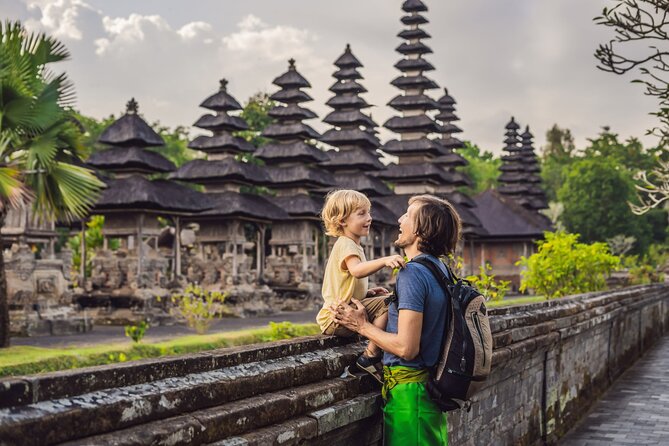
Your first big stop is Taman Ayun Temple, a scenic Balinese temple and garden complex. Expect traditional architecture spread across courtyards and enclosures, not just a single shrine you rush through.
This is a good opening temple because it’s visually approachable. The grounds are designed for lingering: the pathways, courtyards, and layered spaces give you multiple angles without needing a strenuous hike. If you’re coming from Ubud’s heat and noise, this feels like a calmer reset.
For photos, you’ll likely have an easier time here than at some more crowded sites because it’s more about composition across the garden enclosures than one single iconic sea view. It’s also a nice place to learn temple etiquette early in the day—what to look for, where to stand for respectful photos, and how the site is arranged to support worship and community.
You’ll typically spend about one hour here, and admission is included. One drawback: because it’s an early stop, you might feel a bit “wake-up slow” if you stayed out late the night before. I’d rather start strong—so set an alarm and arrive ready to walk.
Ulun Danu Bratan at Lake Beratan: lake-side water temple with real atmosphere
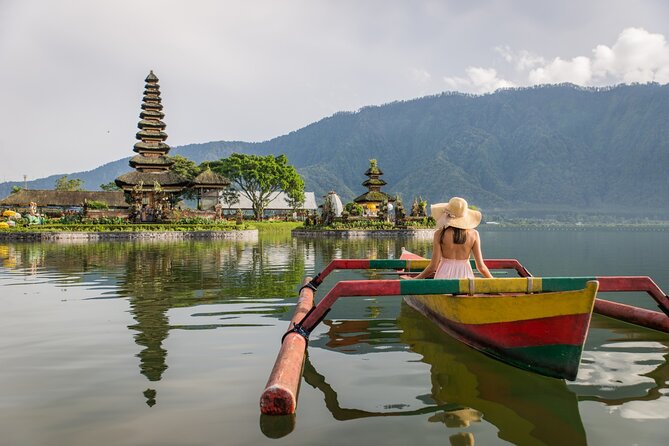
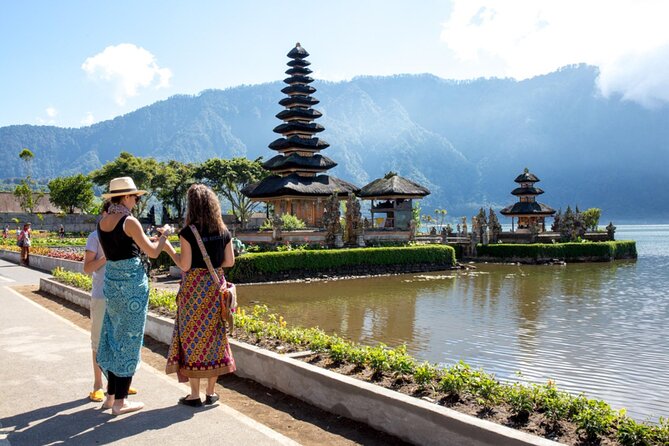
Next comes Ulun Danu Bratan Temple, a lake-side water temple set by Lake Beratan. This is the stop where the scenery often feels more “Bali postcard” because the temple is built to sit with the water rather than face away from it.
The religious purpose matters here. This temple is associated with Balinese Hindu worship tied to fertility, prosperity, human well-being, and the sustainability of the universe. In plain terms: it’s not only a pretty building. It’s a working spiritual place, which changes your experience if you slow down for a minute.
It’s also a great spot for sound and mood. Water temples feel different from land temples because the lake acts like part of the background. If conditions are cool or misty, you’ll get that softer, atmospheric look that makes your photos feel calmer and less “tour bus energy.”
You’ll spend about one hour, and the admission is included. Consideration: like many popular temple sites, this one can involve standing, short walks, and a bit of stepping around on uneven ground. Go in with sturdy sandals or walking shoes.
Jatiluwih Green Land: UNESCO rice terraces and why they look different from Ubud
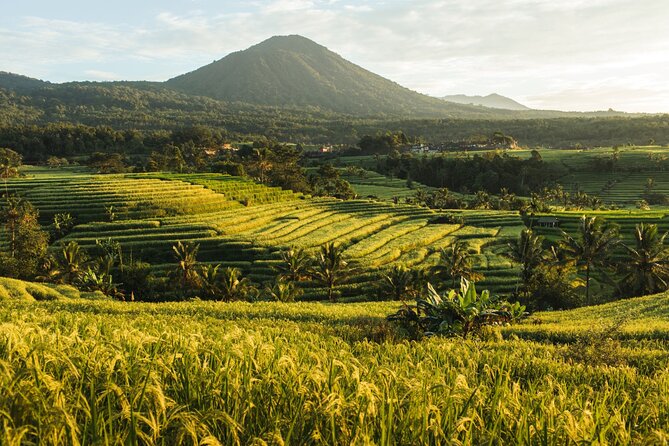
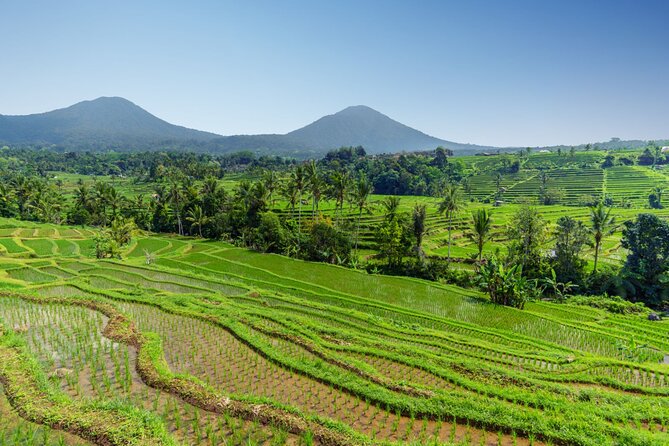
Then you hit the big UNESCO reason for the trip: Jatiluwih rice terraces. This is described as the biggest rice terrace in Bali, and that claim checks out in the way the views unfold. Instead of a smaller, tighter terrace system, you’re looking at a wide spread of paddies stepping down the hills.
This is where the UNESCO story becomes visible. The tour’s focus is on Bali’s rice farming system—how it works, why it’s considered special, and how terraces fit into the island’s water and agriculture cycle. You’ll get cultural explanations from your guide, not just green scenery.
You’ll typically have about one hour here. That can be enough time to take in the big panorama and snap a set of photos—especially if your guide points out the best viewpoints and the routes that avoid doubling back.
What I like about this stop for you: it gives a different rice-terrace experience than what you may have already seen around Ubud. The terraces at Jatiluwih can feel more expansive and less “photo-spot crowded,” depending on the day.
A realistic consideration: rice terraces are best when the weather cooperates. If it’s rainy or too foggy, the views can soften. Still, the terraces remain interesting—just less dramatic. Plan to bring a light rain layer so you can keep moving without feeling miserable.
You can also read our reviews of more tours and experiences in Ubud




Tanah Lot Temple: the sea-temple classic, tide-dependent drama included
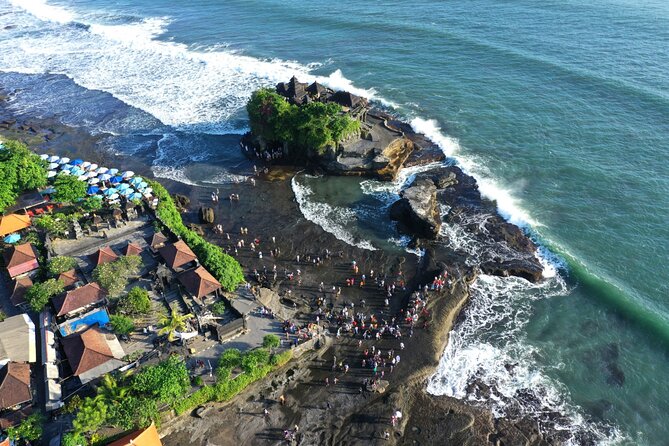
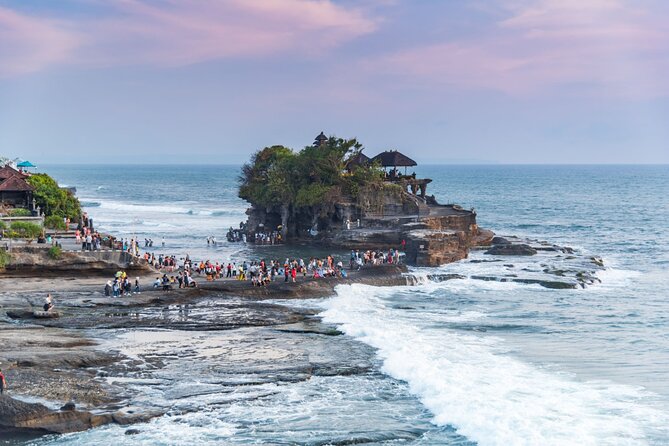
Finally, you reach Tanah Lot Temple, Bali’s most visited and famous sea temple. It’s known for the classic sunset reputation, and its location is the whole story: the temple sits near the sea, creating that floating-in-the-water feel from certain angles.
One detail that’s worth knowing before you go: Tanah Lot’s look can change with the tides. If the tide is low, you may see more exposed rock and a broader view of the sea-temple setting. If the tide is high, the water closes in and the dramatic effect can shift toward the temple’s silhouette and waves.
The tour gives you about one hour here with admission included. That’s usually enough time to walk to a couple of viewpoints, take photos, and reset after the earlier inland stops.
Practical tip: the sea wind can make it feel cooler than you expect, and surfaces near the water can be slippery. Watch your footing and keep your camera strap secure. You want sharp photos, not a wallet-splash.
Also, Tanah Lot can be busy. A private guide helps here because you can take a sensible path rather than getting pushed around by crowds.
Bedugul and Mengwi’s temple variety: you’re not repeating the same thing
The way this day is built gives you contrast:
- Taman Ayun feels like a royal garden temple—architecture and courtyards.
- Ulun Danu Bratan turns the scenery into the main character—water, temple, and worship tied to nature.
- Jatiluwih switches from temple culture to living agriculture—UNESCO rice terraces with a clear system behind the views.
- Tanah Lot brings you back to coastal spirituality—classic sea-temple drama.
That’s a good mix for first-time Bali visitors. It also works well if you’ve already done a couple of Ubud-style stops and want northern Bali to feel fresh.
This variety is also why the guide matters. The tour isn’t just walking between ticket lines; it’s understanding what you’re seeing. And when the guide is good at matching your group’s pace, the day feels less like transportation and more like a guided story.
Optional add-ons: waterfalls, Handara Gate, and monkey sanctuary possibilities
If time permits, your driver may offer extra stops. The list can include options like:
- Gitgit Waterfall (mountain jungle setting),
- a botanical garden in the central uplands,
- Handara Gate with mountain-and-rainforest backdrops,
- another waterfall option in northern Bali,
- hot water springs for a soak,
- a traditional arts-and-royal-family area,
- a long-tailed monkey sanctuary,
- a morning walk in greener surroundings,
- and several other temple or beach-town style add-ons depending on the day’s timing.
You shouldn’t assume you’ll get all of these. This kind of tour is always at the mercy of road time and timing windows. So here’s the smart way to treat optional stops:
- Pick one type of add-on you really want (waterfall, springs, or viewpoint gate).
- If you’re the type who hates sprinting between spots, skip the extras and use the base stops fully.
- If you love photos and don’t mind some walking, the Handara Gate or waterfall options can be worth it.
The upside of optional add-ons is flexibility. The downside is the risk of rushing. The best choice is the one that fits your energy level on a long day.
What a strong guide-driver does for your photos and understanding
This tour lives or dies by the guide. When it’s working well, you get exactly what you want: clear context, sensible pacing, and practical photo help without turning the day into a scripted production.
From the patterns around this tour, the most praised guides tend to be:
- professional and friendly,
- quick to answer questions about history and current culture,
- and attentive to safety and photo positioning (dropping you at accessible spots, helping you step out safely, and making sure you get your angles).
Guide names you may see associated with this experience include Aris, Rudy, Kawi, Tegeg, Putu Ayang, Dastra, and Mr Ardiyasa. Regardless of the name, the value is the same: someone who can explain what you’re seeing at a pace that doesn’t feel like a lecture.
For you, that means less guessing. You’re not standing in front of a temple thinking, Now what? You’re learning how to read the place while you’re there—and that makes even the short stops feel meaningful.
Timing, travel time, and the reality of Bali traffic
This is the single most important consideration. The stops are spread across north and west Bali, so you should expect significant driving. One recurring theme with this kind of day is that traffic can slow things down, which can affect how many optional stops you actually get.
Here’s how to plan around it:
- Bring a light snack plan for the car (even if food isn’t included, you’ll enjoy the day more if you’re not hungry).
- Stay flexible with add-ons; if your schedule gets tight, prioritize comfort over extra checkpoints.
- Keep your phone battery topped up. You’ll burn it on photos at rice terraces and sea views.
The good news: private transport reduces chaos. Even when traffic is bad, you’re not dealing with transfers between multiple vehicles. You’re in one car, one route, one driver-guide.
Who this tour is for (and who should skip it)
This tour is a strong fit if:
- you want major Bali icons in one day without planning every step,
- you care about UNESCO rice terraces and want more context than just photos,
- you like having a guide to explain temple meaning and local customs,
- you’re traveling as a couple or solo and want the day tailored to your pace.
It’s less ideal if:
- you’re extremely sensitive to long days and lots of driving,
- you hate any schedule pressure (because optional add-ons depend on timing),
- you prefer slow travel where each stop is a long, deep wander.
If you’re on a tight schedule and want a high hit-rate day, this is the kind of itinerary you choose.
Practical tips so your day feels smooth
A few things that will make your experience easier:
- Dress for temples: shoulders and knees covered where needed, and plan for a long day of walking.
- Bring a light rain layer. Weather can change fast in upland areas.
- Wear shoes you trust on uneven ground near temples and sea areas.
- Bring cash or a card for meals and water since food and drink aren’t included.
- If you care about Tanah Lot’s look, understand tides change the view. Your guide can’t control the ocean, but you can choose the best viewpoint when you arrive.
And one small mental trick: don’t try to “do everything perfectly.” This day is about variety and big moments. If you accept that, you’ll enjoy it more.
Should you book Bali Charm: Bedugul and Tanah Lot (UNESCO)?
Book it if you want a well-structured full-day that hits the right mix of temples and UNESCO rice terraces, with tickets handled and a guide who explains what you’re seeing. The all-inclusive nature (especially entry fees and parking) keeps the day calm, and the private setup makes the long drive feel more manageable.
Skip it if your ideal Bali day is mostly beach time or slow wandering with minimal driving. This is a “north-and-west highlights” day, so you’ll spend more energy in the car than you would on a shorter loop.
If you’re visiting for the first time, short on time, and you want one day that covers Bedugul, Jatiluwih, and Tanah Lot without the stress, this tour is a solid choice.
FAQ
What’s the start time for this tour?
The tour starts at 8:30 am.
How long is the Bali Charm Bedugul and Tanah Lot tour?
It’s about 10 hours (approx.).
Is pickup included, and where does it pick up from?
Yes. Pickup and drop-off are offered for Sanur, Ubud, Kuta/Legian, Seminyak, Canggu, Jimbaran, Nusa Dua, Benoa, and Denpasar.
Is this a private tour?
Yes. It’s a private tour/activity, and only your group participates.
Which major stops are included?
The scheduled main stops are Taman Ayun Temple, Ulun Danu Bratan Temple, Jatiluwih Green Land (UNESCO rice terraces), and Tanah Lot Temple.
Are admission tickets included?
Yes. Entry/admission fees are included for the tour stops.
Is food included?
No. Food and drink are not included, and you can purchase meals during the day.
Does the tour include an English-speaking guide?
Yes. You get an English-speaking guide who also serves as the driver.
Are optional add-ons available?
Optional extra stops may be added if there is time, such as Gitgit Waterfall, Handara Gate, hot water springs, and other listed options.
What is the cancellation policy?
Free cancellation is available. You can cancel up to 24 hours in advance for a full refund.