REVIEW · RICE TERRACE TOURS
Ubud Waterfalls, Temple and Rice Terrace – Private Tour
Book on Viator →Operated by Ubud Driver · Bookable on Viator
Ubud is best when you mix nature and spirit, fast. This private tour strings together Kanto Lampo Waterfall, Tibumana Waterfall, Tirta Empul Temple, Tegalalang Rice Terrace, and Aloha Ubud Swing in one day, with free hotel pickup and an AC car to keep it easy. I love the clear, organized way it runs—communication is straightforward—and I also like that key sites have entry tickets included so you spend less time figuring out logistics.
The heart of the experience is simple: water in the jungle, then water for ritual, then green fields that stretch over the hills. You’ll get time at Kanto Lampo to enjoy the tiered cascade and swim under the crystal water vibe, then shift to Tibumana’s calmer, natural pool feel. I also like the presence of Tirta Empul, where holy spring water purification is part of the visit, and the way the guide keeps you oriented around what you’re seeing—often with a friendly, professional guide like Made setting the tone right from pickup.
One consideration: the Aloha Ubud Swing part (the big height over 100 meters) costs extra, and lunch is not included. If you’re counting every dollar—or you want a full meal break—you’ll need to plan for that in your budget and timing.
In This Review
- Key highlights at a glance
- A full Ubud sampler in one 10-hour rhythm
- Pickup and transport: less hunting, more experiencing
- Stop 1: Kanto Lampo Waterfall and the swim-under-water moment
- Stop 2: Tibumana Waterfall and the natural pool feel
- Stop 3: Tirta Empul Temple and holy spring water purification
- Stop 4: Tegalalang Rice Terrace panoramic views without the rush
- Stop 5: Aloha Ubud Swing over 100 meters (and why you should budget)
- Price and value: why $26.40 can actually feel fair
- Timing and what a “10-hour day” feels like on the ground
- Who this tour is best for (and who should think twice)
- Should you book this Ubud private waterfalls, temple, and rice terrace tour?
- FAQ
- What is the duration of the Ubud private tour?
- How much does it cost per person?
- Is hotel pickup included?
- Are admission tickets included?
- Are Bali Swing fees included?
- Is lunch included?
- What’s included for comfort during the tour?
- How big is the group?
- What do I need for tickets?
- What is the cancellation policy?
Key highlights at a glance
- Hotel pickup + air-conditioned car to reduce stress before your first stop
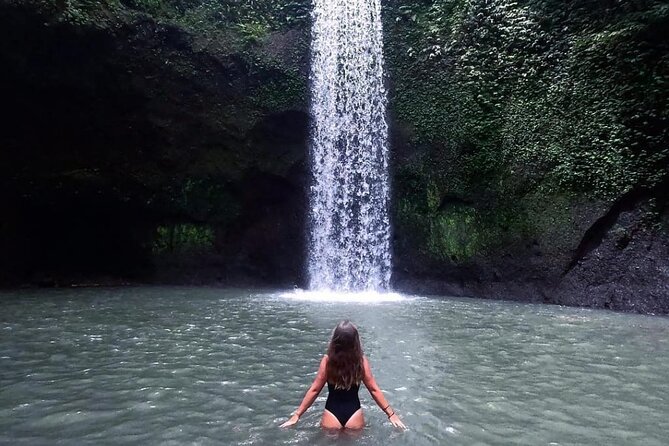
- Kanto Lampo Waterfall with time for photos and a swim beneath the flow
- Tibumana Waterfall natural pool atmosphere for a quieter water break
- Tirta Empul holy spring water purification to add a meaningful spiritual stop
- Tegalalang Rice Terrace viewpoints with time to take in the hillside mosaic
- Aloha Ubud Swing over 100 meters with fees that you’ll pay separately
A full Ubud sampler in one 10-hour rhythm
This is the kind of Ubud day that works when you want the big highlights without juggling multiple tours. In about 10 hours, you’ll move through five high-impact stops: two waterfalls, one water temple, one iconic rice terrace area, and an adrenaline swing option. It’s paced like a greatest-hits playlist—so you get variety, but you’re still out long enough to feel like you truly visited each place.
What makes it especially practical is the structure: each main stop gets its own block of time, and your guide helps you keep the order, timing, and transitions from turning into a scramble. You’ll also have bottled water to help you stay comfortable while you travel between locations.
If you’re the kind of traveler who likes a day plan but also wants flexibility to take photos, pause, and adjust your pace, this format fits well.
You can also read our reviews of more private tours in Ubud


Pickup and transport: less hunting, more experiencing
Ubud traffic can chew up time. The best part here is that you start with free pickup from your hotel, handled in a comfortable, air-conditioned vehicle. That matters because your first stop is a waterfall—if you lose time getting out of town, you’ll feel it later in the day.
You’ll also use a mobile ticket, which keeps things smoother once you arrive. And because this is capped at a maximum of 15 travelers, you’re not stuck in a chaotic herd. Even on group days, the vibe tends to stay controlled and guide-led, not chaotic.
One small detail I really appreciate for a day like this: bottled water is included, so you’re not scrambling to find it the minute you step out of the car.
Stop 1: Kanto Lampo Waterfall and the swim-under-water moment
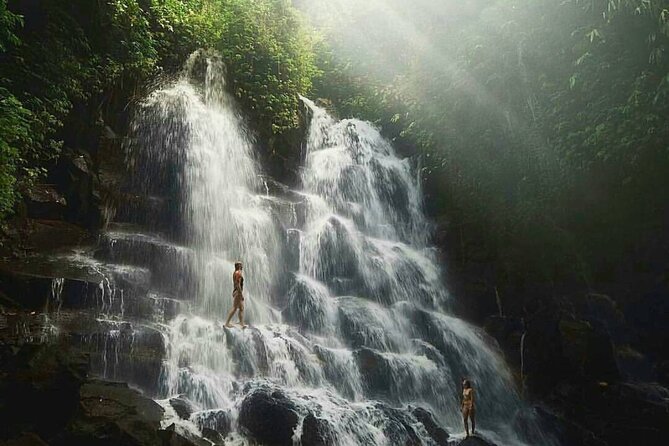
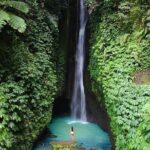
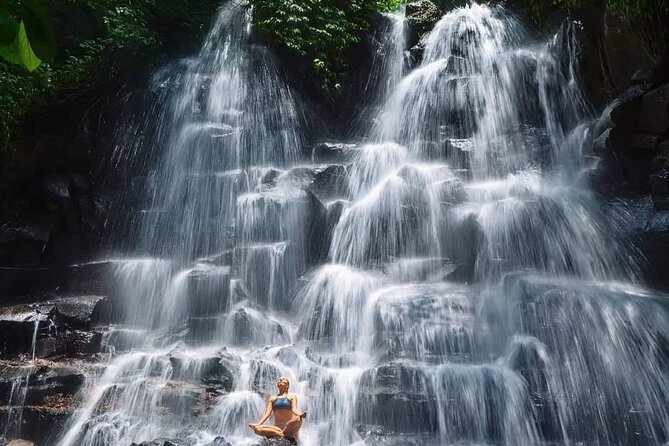
Kanto Lampo Waterfall is known for its tiered shape, with water stepping down across rock formations. That’s exactly why it’s such a photo magnet—your eye naturally follows the water as it drops level to level. The setting is surrounded by lush greenery in the Gianyar regency, which gives you that jungle-and-soundtrack feel right away.
You’ll spend about 2 hours here, and the experience isn’t only about looking. The tour is set up so you can actually enjoy the water—there’s time to swim under the flow and take photos in that crystal-water moment. I like that because it keeps the visit from feeling like a quick viewpoint stop.
A practical note: waterfall visits often mean wet ground and slippery surfaces. So it’s smart to come ready for water conditions and take your time on any steps leading to the viewing or swimming areas. If you prefer not to swim, you can still enjoy the cascades and viewpoint photos within the allotted time.
Stop 2: Tibumana Waterfall and the natural pool feel
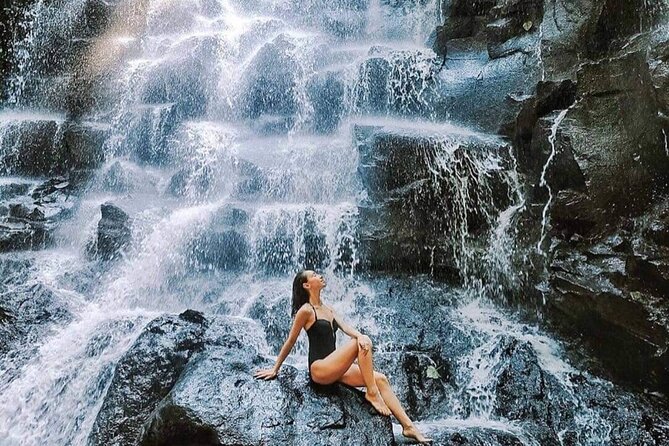
Next comes Tibumana Waterfall, located in Bangli regency. This one leans more serene in vibe. Instead of focusing on a dramatic tier spectacle, it’s the feel of the natural pool environment that makes it special—calmer, scenic, and ideal for a slower water break.
You’ll also get around 2 hours at Tibumana. That’s a good amount of time: long enough to soak up the setting, enjoy the water atmosphere, and still avoid rushing through it. I like that it follows Kanto Lampo because it creates a rhythm—big energy first, then a quieter reset.
If you’re doing this as a couple or family group, Tibumana is often a spot where you can slow down and just be in the moment: listen to the water, enjoy shaded areas, and let the day open up a bit between the more structured stops.
Stop 3: Tirta Empul Temple and holy spring water purification
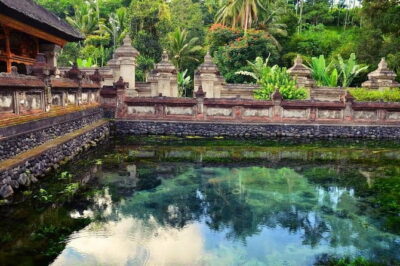
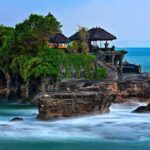
Tirta Empul Temple (near Tampaksiring) adds a different side of Bali. This is a Hindu water temple famous for its holy spring water, used in purification rituals. Instead of rushing past, the tour gives you time to explore the temple grounds and understand the purpose of the spring water process.
This stop is around 2 hours, which is helpful because you’ll want a bit of time for observation. It’s not just a visual stop; it’s tied to belief and ritual timing. The experience is often described as feeling the energy as part of the purification moment, and that spiritual element is what makes Tirta Empul a memorable break from all the jungle-water visuals.
I also appreciate that your guide helps set the context. Even if you don’t participate in the purification itself, you can still make sense of what you’re seeing when you’re oriented to the meaning behind it.
Quick practical tip: you’ll likely be in and around sacred spaces where respectful dress matters. Bring a plan for covering up if needed, and follow your guide’s direction on what to do before you enter key areas.



Stop 4: Tegalalang Rice Terrace panoramic views without the rush
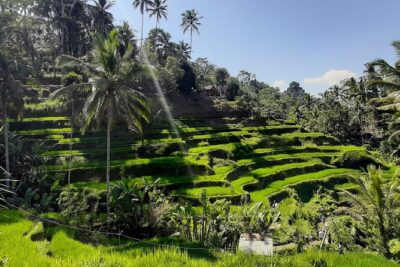
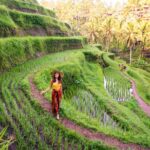
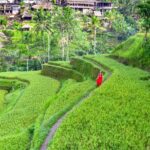
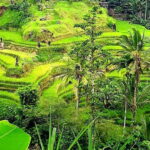
Tegalalang Rice Terrace is one of Ubud’s most recognizable scenic stops, with rice paddies carved into hillsides. The terraces create that stepped pattern that looks like it’s been carefully arranged over time. It’s famous for the mosaic look of green paddies cascading down the slopes.
You’ll spend about 2 hours here. That’s a great chunk of time because it lets you do more than one viewpoint. You can take in panoramic views, enjoy the visual detail of irrigation patterns, and still breathe between photo stops.
I like that the tour doesn’t treat Tegalalang as a drive-by. Two hours gives you room to wander the area at a comfortable pace, pause for photos, and enjoy the fact that you’re seeing an actual working agricultural landscape rather than a single photo corner.
If you’re heat-sensitive, this is also the stop where timing matters. Plan to take frequent breaks and keep water handy.
Stop 5: Aloha Ubud Swing over 100 meters (and why you should budget)
Then comes the adrenaline moment: Aloha Ubud Swing. This is the swing attraction in the Ubud region that lets you swing over jungle valleys, rice fields, and river gorges—an experience that’s described with height over 100 meters.
You’ll get about 2 hours for this final stop, but here’s the important budgeting detail: the swing fees are not included in the tour price. So if this is a must-do for you, set aside extra money before you go. Also factor in time for check-in and deciding the swing option you want.
This stop can be a great finale because it ties the day together visually—waterfalls, temple, rice terraces—then a dramatic aerial view that shows you how wide the valley scenery really is.
If you’re more cautious with heights or you’re traveling with someone who is, you can still enjoy the viewpoints and the overall scenery. Your guide can help you manage the order of what you do during your swing time.
Price and value: why $26.40 can actually feel fair
At $26.40 per person, this tour stands out because multiple paid elements are handled for you. Admission tickets are included for Kanto Lampo Waterfall, Tibumana Waterfall, Tirta Empul Temple, and Tegalalang Rice Terrace. Bottled water is also included, and you have air-conditioned transport plus hotel pickup.
That combination is where the value comes from. Many “Ubud day” plans are priced low at first glance, then you discover extra admission fees and add-on costs once you’re on the ground. Here, the main sightseeing admissions are covered up front, so you’re budgeting more cleanly.
Two costs to plan for:
- Bali Swing fees (not included)
- Lunch (not included)
So the real question is your preference. If you want waterfalls + a temple + rice terraces, and you don’t mind paying extra only for the swing and food, the pricing feels reasonable for a guided private-style day.
Also, the tour is commonly booked about 19 days in advance, which is a hint you should reserve early if your travel dates are fixed—especially during busier periods.
Timing and what a “10-hour day” feels like on the ground
A 10-hour day sounds long on paper, but it’s manageable when you’re moving between stops that each get their own time block. The big advantage of this plan is that you’re not forced to sit around. You’re continuously transitioning, but not so fast that you miss the point of each place.
You should still expect:
- Driving time between sites
- Some time on foot inside waterfall and temple areas
- Heat and humidity factors, especially around the rice terraces and outdoor viewpoints
I’d treat it like a full excursion day rather than a quick tour. Wear comfortable shoes, and bring a dry layer for when you switch from wet waterfall time back into sightseeing mode.
Who this tour is best for (and who should think twice)
This experience is marked as suitable for most travelers, and the itinerary fits a wide range of interests: nature lovers, culture/temple visitors, and photographers all get something strong.
It’s a great fit if you:
- Want a structured Ubud highlights day with a guide
- Like the mix of waterfalls, temple water rituals, and rice terrace views
- Want entry tickets handled for the main attractions
- Are interested in the Aloha Ubud Swing but don’t need it included
It might be less ideal if you:
- Have a tight budget and don’t plan for swing fees or lunch
- Strongly prefer to control every stop timing on your own (because this is a guided, timed itinerary)
Should you book this Ubud private waterfalls, temple, and rice terrace tour?
If you want an organized, high-value Ubud day with pickup, air-conditioned transport, ticket-covered admissions, and a clear sequence of major sights, I think this is a smart booking. The itinerary makes sense: two waterfalls for nature energy, Tirta Empul for meaningful water ritual, Tegalalang for that iconic hillside view, and the swing option if you want a final adrenaline hit.
Book it if you’re excited by the mix and you’re okay planning for swing fees and lunch. Skip it—or consider a different plan—if you want a lighter day or you’re not interested in paying extra for the swing.
In short: it’s a practical way to see a lot of Ubud in one go, with a guide-led flow and the kind of “water everywhere” day Bali does best.
FAQ
What is the duration of the Ubud private tour?
The tour lasts about 10 hours.
How much does it cost per person?
The price is $26.40 per person.
Is hotel pickup included?
Yes, free pickup from your hotel is included.
Are admission tickets included?
Admission tickets are included for Kanto Lampo Waterfall, Tibumana Waterfall, Tirta Empul Temple, and Tegalalang Rice Terrace.
Are Bali Swing fees included?
No. The Aloha Ubud Swing fees are not included.
Is lunch included?
Lunch is not included.
What’s included for comfort during the tour?
You get bottled water and transportation in an air-conditioned vehicle.
How big is the group?
The tour has a maximum of 15 travelers.
What do I need for tickets?
You’ll receive a mobile ticket.
What is the cancellation policy?
You can cancel for a full refund up to 24 hours in advance of the experience start time, based on local time. If you cancel less than 24 hours before, the amount paid is not refunded.