REVIEW · MONKEY FOREST TOURS
Ubud Skip the line Monkey Forest Sanctuary Ticket and Guided Tour
Book on Viator →Operated by Bali Lovina Tours · Bookable on Viator
The forest hits you fast. You trade ticket hassle for a focused walk through temples and old-growth greenery with macaques right in your path.
I really like how direct the experience is—about an hour, guided, with the key temple stops laid out so you don’t wander in circles. I also like that you get the admission ticket handled (plus bottled water), so you can spend your time where it matters: at the gates, bridges, and bathing temple area.
One thing to consider: the monkeys are wild and can be mischievous. Even with a guide, you’ll need to follow park rules and keep your stuff secure, or the forest can turn into a game you didn’t ask to play.
In This Review
- Key highlights at a glance
- Ubud’s Monkey Forest: what you’re really paying for
- Price and what makes it feel like value
- Your hour in the forest: how the route flows
- Entering the sanctuary: cave-like entrance and first temple cues
- Dragon Bridges and banyan trees: temples + a pop-culture connection
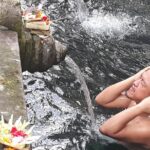
- Pura Beji bathing temple: stairs, stream vibes, and quieter focus
- Pura Dalem Agung Padangtegal: 14th-century temple and macaque territory
- Monkey safety rules that actually help
- Bottled water and the food gap
- Finding the right guide vibe: Agus and the reassuring approach
- Timing and getting there without stress
- The practical drawback: expectations around guided tour vs ticket handling
- Who this is best for in Ubud
- Should you book this Monkey Forest skip-the-line tour?
- FAQ
- How long is the Monkey Forest Sanctuary ticket and guided tour in Ubud?
- What does the tour cost?
- Is the admission ticket included?
- What’s included with the price?
- What is not included?
- How do I receive my ticket?
- Do I need good weather?
Key highlights at a glance
- Skip-the-line entry with a mobile ticket, so you spend less time queuing
- A guided walk through temple zones, including Pura Beji and Pura Dalem Agung Padangtegal
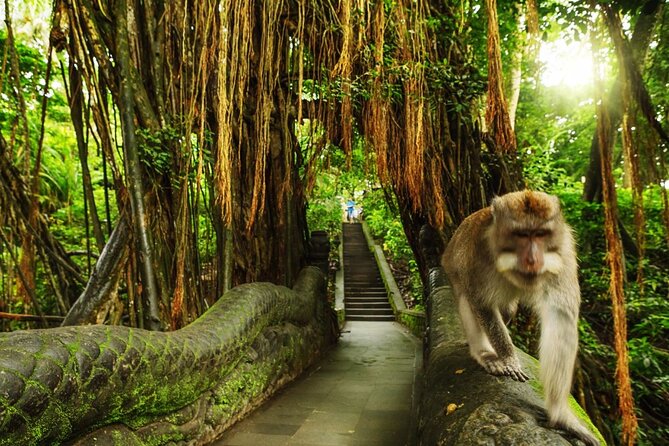
- Dragon Bridges and banyan-tree scenery, plus temple details people love taking photos of
- Wild macaque behavior guidance, with practical tips on how to act around them
- Simple inclusions: all fees and taxes, bottled water, and the sanctuary admission
- ~1 hour pace, good for tight schedules in Ubud
Ubud’s Monkey Forest: what you’re really paying for
The Monkey Forest Sanctuary sounds like a single attraction, but it actually feels like a guided walk through several separate “chapters” of the site. You start at the入口 area (a cave-like passage), then you move through temple spots and shaded paths where the canopy makes everything feel cooler and more private.
You’re also paying for something very specific: friction removal. At $18 per person, the point is to avoid the boring stuff—ticket lines and last-minute confusion—so you can get into the forest, learn what you’re seeing, and keep your attention on the live action: monkeys, bridges, and ancient structures.
A guided format matters here because the forest can be chaotic if you treat it like a simple zoo visit. Even if you’re comfortable around animals, having someone point out what’s important (temple areas, route flow, and what to avoid) helps you get the most from an hour.
You can also read our reviews of more tours and experiences in Ubud

Price and what makes it feel like value
$18 may not sound like much, but it’s the right kind of spend for Ubud. You’re not paying for a long, multi-stop day. You’re paying for a compact, organized sanctuary visit with a guide and a ticket.
What’s included is a big part of the value:
- Admission ticket included
- All fees and taxes included
- Bottled water included
What’s not included is also useful to know ahead of time:
- Tip is not included
- Food and drinks are not included
So if you’re doing this as part of a longer day in Ubud, plan on grabbing a snack or a drink outside the sanctuary. If you show up hungry, you’ll still have time to enjoy the forest, but you won’t be able to rely on it for a meal. This keeps the experience lightweight and keeps the price down.
Your hour in the forest: how the route flows
This experience runs about 1 hour (approx.), which is a sweet spot. Long enough to see the main temple areas, short enough that you’re not exhausted by the end—especially in midday heat.
The route feels like a gentle progression. You move from gate to bridges and banyan-tree scenery, then down toward the bathing temple area by a stream, and finally toward the older temple complex where macaques are most active.
The time structure also helps you manage monkey interactions. You’re not standing around in one spot for long, which makes it easier to follow the guide’s pacing and avoid crowding where the monkeys tend to move.
Entering the sanctuary: cave-like entrance and first temple cues
You begin with the entrance experience, described as cave-like—one of the Monkey Forest Sanctuary details people talk about because it’s a fun, atmospheric start. It also sets expectations. This place doesn’t feel like a flat ticket booth and a straight line to the animals. It feels like you’re walking into a protected pocket of the island’s jungle and temple grounds.
Right after that, you get an orientation-style start: where pathways lead, what to pay attention to, and how the monkeys tend to interact with visitors in different zones. This early guidance is important because it affects what you do with your phone, your bag, and your body language later.
If you’re the kind of traveler who likes to take photos, this is where you get your bearings fast—without turning the whole visit into a frantic selfie session.
Dragon Bridges and banyan trees: temples + a pop-culture connection
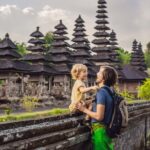
One of the most photo-friendly parts is the section with Dragon Bridges and banyan trees, framed by ancient temples. You’ll also hear about the inspiration behind the banyan-tree look—people connect it to the tree-of-life vibe from the Avatar movies (James Cameron). Even if you don’t care about that comparison, the real point is the scenery: thick roots, shade, and sculptural details that make the site feel older than the tourist buzz around it.
This stop works especially well if you want:
- scenery that looks good in daylight,
- architecture details you can actually see (not just a quick glance),
- a break in pacing before the monkey activity ramps up later.
The practical tip is simple: keep your movement smooth. In these bridge and tree zones, monkeys often hop, pause, or come close for attention. If you stop abruptly or block a walkway, it makes everyone’s experience harder, including yours.
You can also read our reviews of more guided tours in Ubud



Pura Beji bathing temple: stairs, stream vibes, and quieter focus
Next you head toward Pura Beji, described as an ancient bathing temple. The access route involves going down a flight of stairs and then moving near a stream.
That “downward + near water” setup changes the mood of your visit. The area tends to feel more visually layered: stone details, water sound, and dense greenery around you. It’s also a natural slowdown moment in the tour because it’s not just about the monkeys—it’s about the religious architecture and the way the sanctuary is designed around daily-life features like water.
Drawback to consider here: it can be a little slippery or uneven depending on conditions. You’ll want shoes with grip and the mindset of walking carefully rather than rushing for photos.
Pura Dalem Agung Padangtegal: 14th-century temple and macaque territory
You reach Pura Dalem Agung Padangtegal, described as 14th century and dedicated to village funerals. This matters because it reminds you that Monkey Forest isn’t just an animal attraction. It’s a temple complex where daily sacred life and visitor behavior intersect.
You’ll also feel the shift in animal energy. This area is another playground of the macaques, which is exactly why it’s a highlight—and why you need to stay alert.
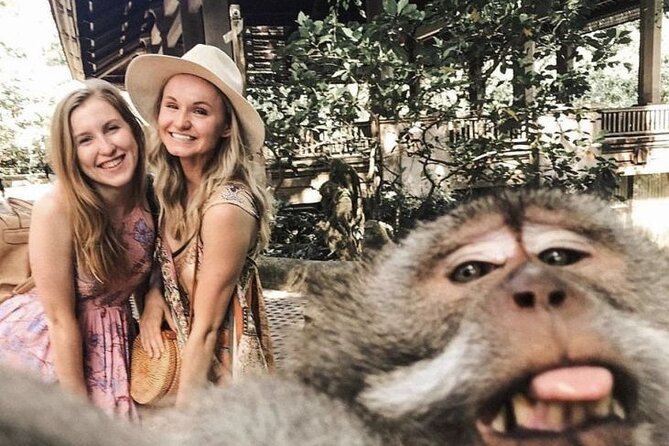
You may even be offered a photo moment featuring a monkey for social media. The key is the instruction you follow from the guide and park rules. With wild animals, the “cute selfie” approach can go sideways fast if people treat it like a posed photo session.
My advice: take the chance if it feels controlled, but don’t chase it. Your best memories usually come from watching the monkeys move naturally in the temple grounds, not from forcing an interaction.
Monkey safety rules that actually help
Even though this is a guided experience, you’re still visiting wild animals in an active sanctuary. The guide’s job is to help you navigate. Your job is to keep things calm and safe.
Here are the practical rules to treat as non-negotiable:
- Keep a respectful distance from monkeys, even if they look curious.
- Secure bags and avoid dangling items. If something feels easy to grab, they may go for it.
- Follow the park guidelines your guide is using on the ground.
- Don’t reward or provoke behavior just for a good shot.
One extra note from the vibe of the guides: good guides don’t just walk you from stop to stop. They also reassure you. In one experience, the guide named Agus was praised for being super nice and helpful, including helping guests handle add-ons. That same supportive tone is useful when you’re trying not to panic around animals.
Bottled water and the food gap
You’ll get bottled water, which is genuinely helpful since the forest paths can make you feel warm quickly. Still, food and drink are not included, so you should plan a meal before or after.
If you’re doing this as part of a Ubud day that includes cafés and temple visits, you’ll likely already have a food plan. If not, set yourself up: eat first, bring a light snack if you prefer, and treat the bottled water as your refresh.
The water inclusion also keeps the tour simple, which helps the price stay reasonable.
Finding the right guide vibe: Agus and the reassuring approach
A guided visit lives or dies on the guide. When it works, you stop thinking about the logistics and start paying attention to the place.
In one praised experience, a guide named Agus was described as super nice and helpful. He also managed a small add-on: a coffee tour for $3, and he even drove guests to it. That kind of flexibility is a real advantage if you’re trying to make the most of your time in Ubud without booking five separate things.
Another experience highlighted a guide who was friendly and took time to reassure people about the monkeys. That matters more than it sounds. The Monkey Forest experience can feel intimidating if you don’t know how macaques behave around visitors.
So when you book, look for the comfort factor: you want a guide who makes the rules feel clear, not scary.
Timing and getting there without stress
This experience is near public transportation, which is a quiet win. Ubud can be busy and traffic can be unpredictable, so having a transit-friendly area makes your day easier.
The tour duration is about one hour, and the emphasis is on seeing the key sanctuary areas without stretching your day. That’s good if you’re doing temple tours in the morning and want something lighter in the afternoon—or if you’re trying to fit in Monkey Forest between other plans.
Also, you’ll receive confirmation at booking, and the ticket is handled as a mobile ticket. That reduces last-minute scrambling.
The practical drawback: expectations around guided tour vs ticket handling
Here’s the one consideration I’d take seriously. This experience is advertised as skip-the-line and guided, and the admission ticket is said to be included. But the reality of travel can have occasional hiccups.
So do this before you arrive:
- Check your confirmation details and make sure your ticket status is clearly stated.
- Have your mobile ticket ready on your phone.
- Ask your guide or staff on-site to confirm what’s included in your exact experience.
In other words: don’t assume everything will be perfect just because the name sounds perfect. One minute of checking can protect the hour you paid for.
Who this is best for in Ubud
This works well if you:
- want a compact Monkey Forest visit (about an hour),
- prefer a guide to point out temple details and keep you on the right path,
- like animal encounters but don’t want to manage the chaos alone.
You’ll also enjoy it if you’re doing Ubud temple hopping. The sanctuary’s temple sites (like Pura Beji and Pura Dalem Agung Padangtegal) give you more than just wildlife viewing.
If you hate crowds or anything animal-related feels like too much, you might find parts of the visit stressful. But with the guidance and pacing, many people still find it manageable.
Should you book this Monkey Forest skip-the-line tour?
I’d book it if you want a smooth, hour-long visit that gets you into the sanctuary fast and takes you through the standout temple areas without wasting time. The value is strongest because ticket + fees + bottled water are included, and you’re paying for a guided route rather than just transport.
You might skip or book something else if you’re very sensitive to animal behavior. Monkeys here are wild, and even careful planning can’t turn them into tame pets.
My final advice: book it, but go in with a calm mindset. Follow the guide’s rules, keep your belongings secure, and treat the monkeys as part of the environment—not a performance you control.
FAQ
How long is the Monkey Forest Sanctuary ticket and guided tour in Ubud?
It lasts about 1 hour (approx.).
What does the tour cost?
The price is $18.00 per person.
Is the admission ticket included?
Yes. The admission ticket for the sanctuary is included.
What’s included with the price?
The package includes all fees and taxes, plus bottled water.
What is not included?
Tips and food and drink are not included.
How do I receive my ticket?
It uses a mobile ticket. You’ll also receive confirmation at the time of booking.
Do I need good weather?
Yes, this experience requires good weather. If it’s canceled due to poor weather, you’ll be offered a different date or a full refund.