REVIEW · TOUR REVIEWS
Beginner Canyoning trip in bali “Banyuwana canyon”
Book on Viator →Bookable on Viator
Banyuwana canyon turns Bali into playground territory. This 1-day beginner canyoning trip in Ubud area keeps the pace friendly, with a greener new track and enough variety to feel like a full adventure day, not just one stunt. You’ll start with pickup, suit up fast, hike into the canyon, then learn the ropes before you rappel and move through the water.
I especially like the small-group size (up to 10) and how clearly the day is structured around training first. I also like that you’re not just “sent down there” and hoped for the best: you get a briefing, lanyard basics, abseil practice, and hand signals so you know what’s coming.
One consideration: canyoning depends on conditions, so you should be ready for schedule changes if weather turns bad. If you hate surprises in the middle of a vacation plan, build in a little flexibility.
In This Review
- Key highlights before you go
- Banyuwana Canyon: a greener beginner track with real variety
- Pickup to Wanagiri base: how the day starts smoothly
- Breakfast, briefings, and gear: getting suited up the right way
- Training at the start point: lanyards, abseil, and hand signals
- The approach hike: views you earn before the descent
- Rappelling and canyon action: the fun part that still feels controlled
- Lunch in the middle: big local food plus your GoPro footage
- Gear, insurance, and a max of 10: what small groups buy you
- Price and value: is $158.98 worth it?
- Who should book Banyuwana canyoning (and who should pause)
- Guides and vibe: friendly, safety-first, and fun under pressure
- Quick practical checklist before you go
- Should you book this beginner canyoning trip?
- FAQ
- How long is the Banyuwana beginner canyoning trip?
- Where are you picked up from?
- What meals are included?
- What canyoning equipment is provided?
- Do I need prior canyoning experience?
- Is there a limit on group size?
- What happens if weather is poor?
- Is there GoPro footage included?
Key highlights before you go
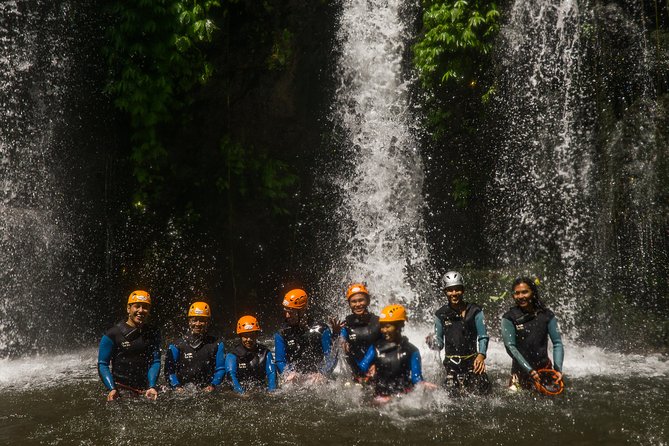
- Beginner-friendly Banyuwana track with a greener feel and lots of action for first-timers
- Lanyard and abseil training plus canyon hand signals before you go into the descent
- Pickup across Bali and a base stop at a local house in Wanagiri to reset the day
- GoPro footage (photos and videos) delivered during lunch while the adrenaline is still fresh
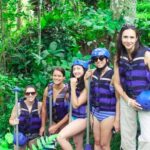
- Full gear package included: wetsuit, harness, helmet, and canyoning boots
- Small group max of 10 for a calmer, safer vibe
Banyuwana Canyon: a greener beginner track with real variety
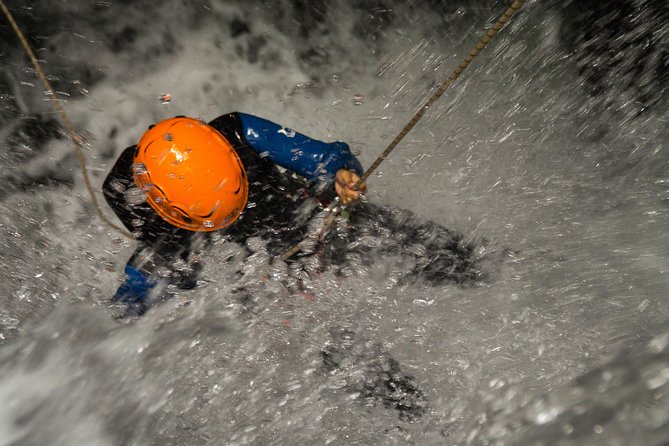
Banyuwana canyon is designed for people who want to try canyoning without needing expert experience. The route is described as new and greener than other options, which matters because it gives you that lush “walk into the jungle creek” feeling instead of a harsher, drier look.
What makes it especially appealing for a first day is the mix of moments. You’re not only doing one descent and calling it a day. Expect a combo of rappelling, water fun like sliding, and jumping where the canyon allows it, plus plenty of hiking to keep the day feeling active rather than one long wait.
This is the kind of outing that’s also easier to sell to groups. If you’re traveling with family or friends who want the adventure side of Bali, but still want structure and support, this route is built for that.
You can also read our reviews of more tours and experiences in Ubud.


Pickup to Wanagiri base: how the day starts smoothly
The day starts with pickup from your accommodation anywhere in Bali. That removes the biggest headache for most visitors: figuring out rural transport and timing your arrival. Once you’re collected, you head to the trip’s base in Wanagiri, where you get welcomed and set up for the canyon day.
At the base, you’ll find a light breakfast waiting for you, with tea or coffee. It’s a small detail, but it helps. Canyoning takes physical effort, and a snack-plus-coffee start means you’re not dragging your way to the first hike.
From a timing perspective, you’re given a wide operating window (daily 7:00 AM to 9:00 PM), but the trip itself is listed as about 1 day. In practice, plan to treat this as a major chunk of your day, not a quick morning activity that you can casually tack on.
Breakfast, briefings, and gear: getting suited up the right way
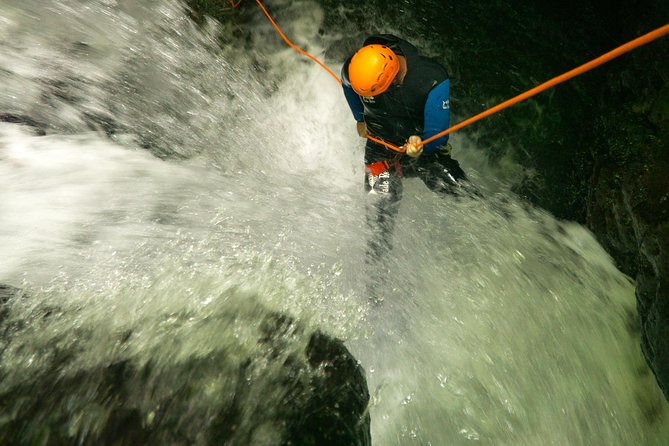
Before you move into the canyon work, there’s an instructor briefing about the trip you’ll do and what safety looks like. This is where the experience becomes “learned adventure,” not just physical action.
Then comes the suit-up with latest technology gear. You’re provided a wetsuit, harness, helmet, and canyoning boots. Having the gear handled for you is a big value point, because it lets you show up without the stress of sourcing specialty equipment in Bali.
Insurance is included too. That doesn’t remove risk (canyoning is still canyoning), but it does help you travel with more peace of mind since you’re actively doing an activity that has real fall and water hazards.
Training at the start point: lanyards, abseil, and hand signals
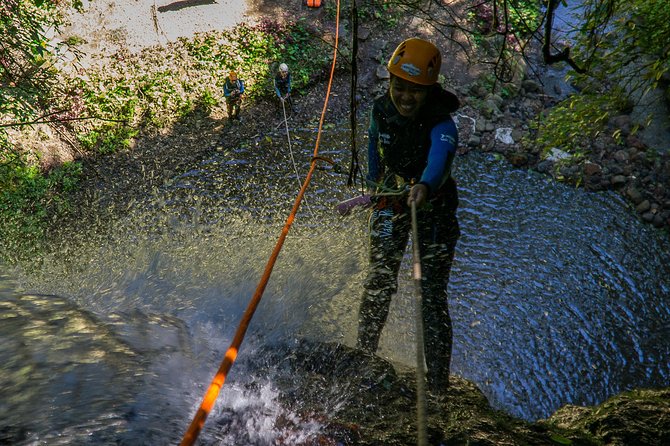
When you reach the start point, the instructor gives short training that focuses on what you actually need next. You’ll learn how to use your lanyard for safety, how to abseil (rappel) correctly, and you’ll practice hand signals used inside the canyon.
That last part matters more than people think. In a narrow, echoing canyon, you can’t always communicate normally. Hand signals keep the group moving safely and help you avoid confusion when you’re clipped in and focused on the next step.
If you’ve got first-timer nerves, this is one of the strongest parts of the day. Many people fear heights, but having a clear sequence—train, clip in, practice cues, then descend—turns panic into “okay, I know what to do.”
The approach hike: views you earn before the descent
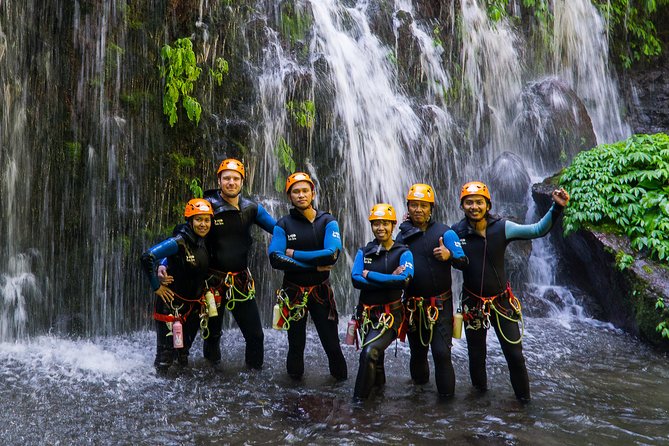
Between the base and the start point, you’ll hike in, and the experience includes mention of magnificent views. That approach hike isn’t random. It gives you time to adjust physically, get your bearings, and switch from “tourist mode” into “active mode.”
Also, hiking into canyon start points changes the feel of the activity. Instead of dropping straight into the water, you’re gradually getting deeper into the environment. You’ll walk in a greener setting, then transition from the trail to the technical section.
The downside is simple: this is not a couch-to-peak experience. You’ll do hiking before and after the main descent, so you should be comfortable with an active outdoor day even if you’re a beginner.



Rappelling and canyon action: the fun part that still feels controlled
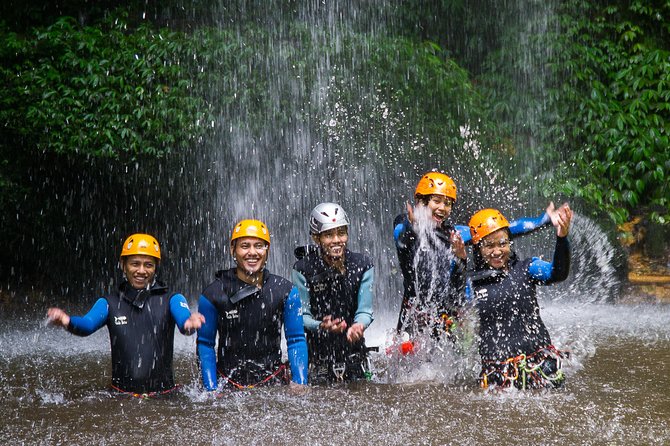
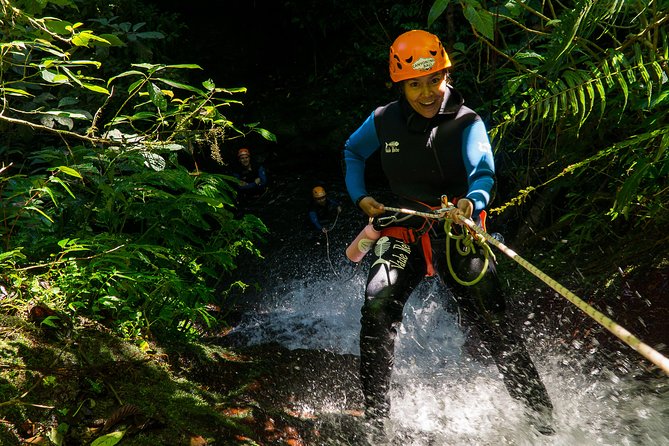
Once you start, you’ll enjoy the descent through the canyon. The action is guided, and the group safety system is part of the structure you learned at the start point.
Depending on conditions and the route that day, you can expect the full menu of canyoning fun that’s commonly described for this trip: abseiling/rappelling, ziplining elements, waterfall sliding, and jumping in spots that allow it. Not every participant will do every optional element at the same intensity, but the trip is set up so beginners still get a strong “I did canyoning” outcome.
One theme from the guide experiences shared from past participants: the crew is positive and very attentive during high-adrenaline moments. People have specifically pointed out how supportive the instructors were and how they kept the vibe fun even when heights felt scary.
If you’re nervous about water or movement, watch how the group lines up during the rappel and pay attention to hand signals. This trip’s safety flow is designed around keeping you synchronized.
Lunch in the middle: big local food plus your GoPro footage
After the descent, you return hiking and then head to a big lunch with local food. This is a key part of the day because it turns canyoning from a short physical event into a full experience with recovery time.
During lunch, you’ll also be shown the footage taken during the descent—photos and videos captured via GoPro. This timing is smart: you get your best context while everything is still fresh in your mind, and the adrenaline has you ready to laugh at your own moments.
Just note what’s not included: USB storage is not provided. If you’re the type who wants a saved copy on a USB stick, plan ahead.
Gear, insurance, and a max of 10: what small groups buy you
This activity caps at 10 travelers, which is a big deal for canyoning. In a technical activity, smaller groups reduce crowding at the start points and make it easier for instructors to manage spacing, clipping, and timing.
The gear list is also complete: wetsuit, harness, helmet, canyoning boots. That means you’re doing the activity wearing the right protection and staying warm-ish enough for cooler water sessions (depending on season, of course). Even if you’re not thinking about it, the gear makes the day feel more professional and safer.
Insurance included is another value layer. It helps justify the price because you’re not just paying for instruction; you’re paying for an organized operation that covers the risk side.
Price and value: is $158.98 worth it?
At $158.98 per person, this is priced like a real guided outdoor activity, not a budget “try it once” tour. The value comes from what’s bundled.
You get:
- Pickup from your accommodation across Bali
- Breakfast and lunch plus coffee or tea
- Canyoning equipment (wetsuit, harness, helmet, boots)
- Insurance
- GoPro photos and videos
When you add those together, the price starts to make more sense. You’re paying for logistics (pickup and base transfer), safety training, specialized gear, and capture of your experience without extra effort from you.
If your goal is to do canyoning with minimal hassle and maximum guidance, this price sits in the “fair for a full day with gear and media” category. If you’re hunting for the cheapest way to do water sports, you’ll find less structured options, but they typically don’t include the same safety training and full equipment set.
Who should book Banyuwana canyoning (and who should pause)
This beginner route is a strong fit if:
- you want a first canyoning experience with training
- you’re traveling with family and friends who want an adventure day that’s structured
- you like the idea of a quieter, more nature-focused break (the canyon run is described as being in North Bali, away from the busiest South Bali feel)
It’s also a good fit for people who want help overcoming fear. One participant noted that they were afraid of height, and the crew helped them manage it with encouragement and constant reminders, including cues to smile so the pictures come out well.
You might pause if:
- you have serious mobility limits, because there’s hiking involved before and after the descent
- you can’t handle weather-dependent schedule changes, since the experience requires good weather
Guides and vibe: friendly, safety-first, and fun under pressure
The experience is staffed by instructors who focus on safety and clarity. In past participant notes, guides named Abi and Barbara are highlighted as making the day safe, fun, and exciting, with the full range of canyoning elements covered.
Other guides mentioned with friendliness include Pi’i and Balung. That kind of repeated attention to friendliness suggests a consistent guiding style: calm, professional, and willing to keep you engaged even during technical moments like rappelling.
One more vibe detail worth taking seriously: some people felt coached not only on safety, but also on how to look and move for photos during the action. That means you’re more likely to leave with usable memories instead of only blurry adrenaline moments.
Quick practical checklist before you go
Based on what the trip provides, you can travel light on equipment. You’re already getting the wetsuit, harness, helmet, and boots.
What you should think about instead:
- plan for a full active day with hiking before and after the descent
- be mentally ready to learn lanyard use, abseil technique, and hand signals
- bring your sense of humor for the lunch recovery period when you watch your footage
- keep some flexibility for weather, since the canyon depends on conditions
If you’re unsure about whether jumping or zipline-style moments are for you, it’s smart to communicate your comfort level during the briefing so the instructor can guide your participation.
Should you book this beginner canyoning trip?
If you want Bali adventure beyond beaches, and you want a first canyoning experience with safety training built in, I’d say this is a great choice. The combination of beginner-friendly training, gear included, small group size, and GoPro photos/videos makes it feel like a complete day, not a rushed activity.
Book it if you’re excited by rappelling and canyon water action, and you’re comfortable with hiking and being outdoors all day. Skip or delay if you have a serious fear of water movement you can’t manage, or if your schedule can’t handle weather changes.
In plain terms: this is a well-run way to try canyoning in Bali, with enough structure to help you enjoy it instead of just survive it.
FAQ
How long is the Banyuwana beginner canyoning trip?
It’s listed as approximately 1 day.
Where are you picked up from?
You can be picked up from your accommodation anywhere in Bali, and the trip’s base is in Wanagiri.
What meals are included?
You get light breakfast with tea or coffee, plus snack during the day, and a big lunch with local food.
What canyoning equipment is provided?
The tour provides wetsuit, harness, helmets, and canyoning boots, along with canyoning safety support like the lanyard used for training.
Do I need prior canyoning experience?
The trip is described as beginner friendly, and most travelers can participate. You’ll also get a briefing and training before the descent.
Is there a limit on group size?
Yes. The maximum group size is 10 travelers.
What happens if weather is poor?
The experience requires good weather. If it’s canceled due to poor weather, you’ll be offered a different date or a full refund.
Is there GoPro footage included?
Yes, GoPro photos and videos are included. USB storage is not included.