REVIEW · MONKEY FOREST TOURS
Private Ubud Tour: Monkey Forest, Waterfall & Rice Terrace
Book on Viator →Operated by Bali Tour Destination · Bookable on Viator
One Ubud day, five major memories. This private tour strings together Monkey Forest, Tegalalang Rice Terrace, temples, and a waterfall, with an English-speaking guide who also drives you around in a comfy air-conditioned car. It’s the kind of day plan that makes Ubud feel manageable, even if it’s your first time on the island.
I love the pace here. With roughly 6 to 8 hours total, you get enough breathing room to actually look, not just pose and sprint. I also like how guides such as Juli, Wayan, Komang, Adi, and Arta are known for clear explanations and smart timing—helpful when you’re bouncing between nature spots and sacred places.
One thing to consider: you’ll be walking and climbing stairs at the waterfall, and you’ll need to follow the Monkey Forest rules for safety. Bring comfortable shoes and keep your expectations realistic about footwork in humid weather.
In This Review
- Key highlights worth penciling in
- The smart way to do Ubud in one day
- Sacred Monkey Forest Sanctuary: plan for the rules and the jungle walk
- Tegalalang Rice Terrace: the iconic views, without the scramble
- Pura Puseh Desa Batuan: old-school temple architecture and stonework
- Tegenungan Waterfall: lush scenery, refreshing breaks, and stairs
- Celuk Village and art moments: jewelry, carving, and paintings
- The Ubud center stops: batik, markets, palace, lotus ponds, and sacred caves
- Campuhan Ridge Walk and art museums: views plus Balinese art context
- Getting around without wasting your day: timing, pickup, and comfort
- Price and value: what $32 includes (and what to budget for)
- Who should book this Ubud private tour
- Should you book this Private Ubud Tour?
Key highlights worth penciling in
- Private, air-conditioned transport with hotel pickup so you’re not negotiating rides all day
- Monkey Forest (about an hour) with free time to walk and take photos at your own speed
- Tegalalang Rice Terrace for panoramic photo views in a dedicated, unhurried stop
- Tegenungan Waterfall access involves stairs—wear shoes you trust on uneven paths
- Guides who talk you through Balinese culture while you travel between sites
- Central Ubud add-ons can mix temples, markets, art villages, and museum time
The smart way to do Ubud in one day
Ubud is gorgeous, but it can also eat your time. Sites are spread out, roads can be slow, and “just one more stop” turns into a late night fast. This private tour format helps you stay on track while still having flexibility through the day.
You’re not hauling a group onto a rigid schedule. You’re traveling in a private vehicle, with an English-speaking driver/guide, so the plan can flex around traffic and your pace. That matters because the best Ubud moments often come from lingering—at a viewpoint, in a temple courtyard, or with a slow walk between rice terraces.
You can also read our reviews of more private tours in Ubud


Sacred Monkey Forest Sanctuary: plan for the rules and the jungle walk
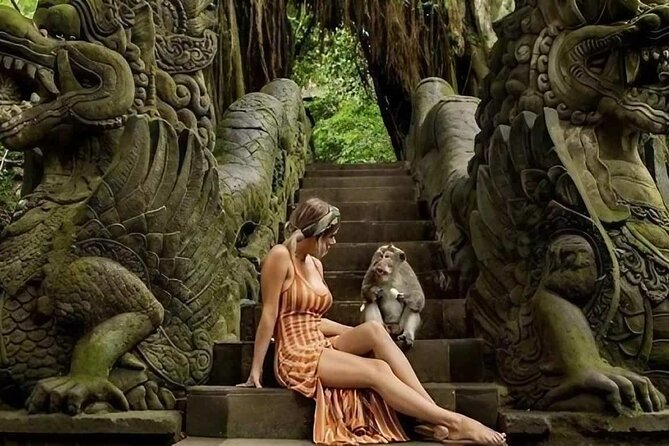
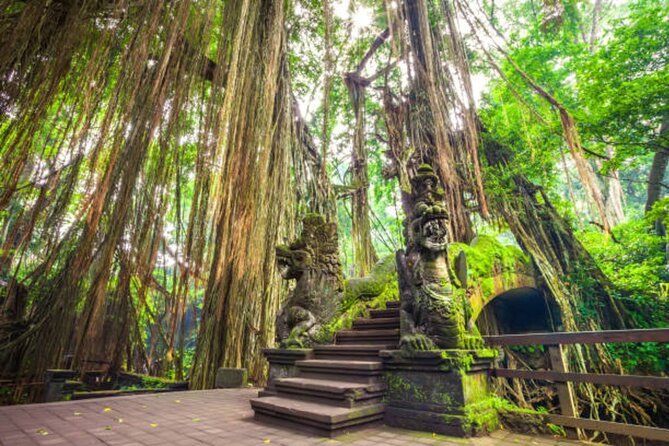
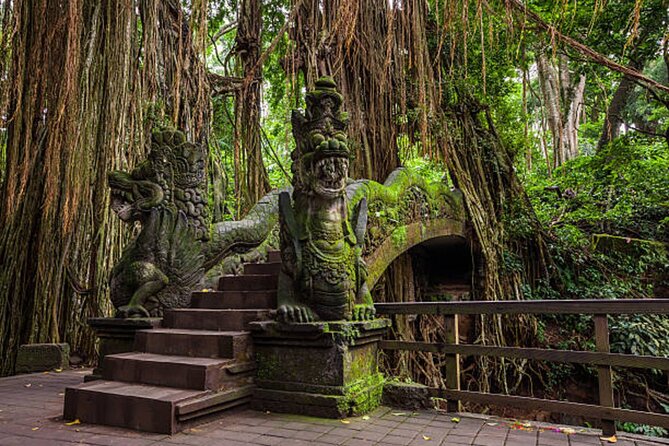
Your first major stop is the Sacred Monkey Forest Sanctuary, with about an hour on site. You’ll be in the heart of Ubud, surrounded by long-tailed macaques and older temple complexes, which gives the whole place a lived-in, jungle-temple vibe. Since the time block includes free time, you’re not forced into a rushed photo line—you can take a slow circuit.
A good practical note: this stop has safety rules you must follow. The tour specifically calls that out, so treat it like part of the experience, not a formality. If you’re sensitive to crowds, loud sudden movements, or close encounters with animals, I’d still go—just be sure you’re comfortable following the rules and moving carefully.
Tegalalang Rice Terrace: the iconic views, without the scramble
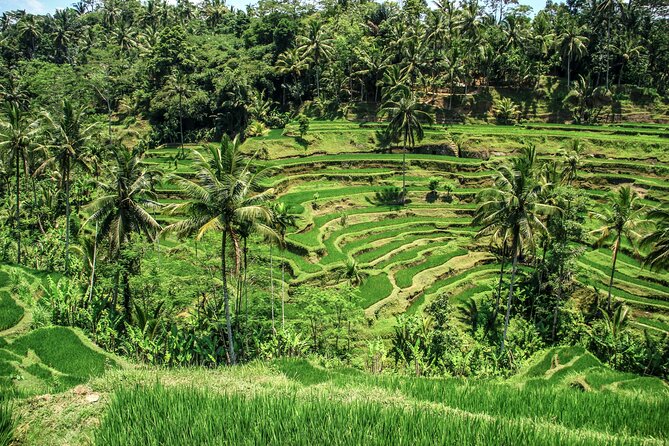
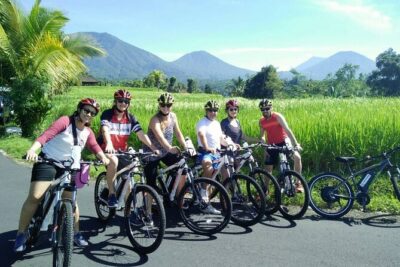
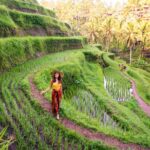
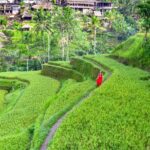
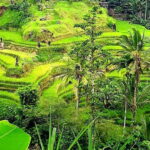
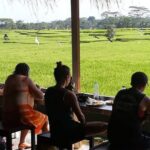
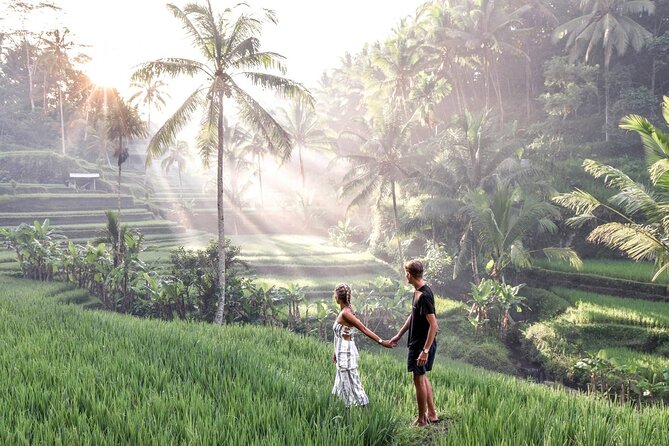
Next comes the Tegalalang Rice Terrace, one of Ubud’s most photographed landscapes. Your stop is about an hour, and the focus is panoramic views—time to get your bearings, grab a few angles, and enjoy the slow scenery.
This is a great place to reset your day. After animal energy and temple atmosphere, rice terraces feel calmer and more open. Wear shoes you’re comfortable with on paths that can get slick, and consider bringing a hat—this is a daylight photo spot where the sun can add up.
Pura Puseh Desa Batuan: old-school temple architecture and stonework

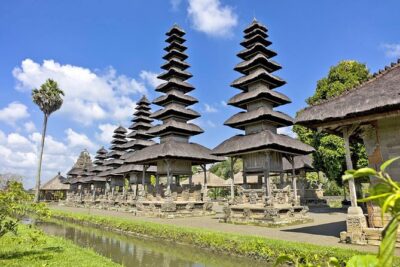
Then you head to Pura Puseh Desa Batuan, a traditional Hindu temple described as one of Bali’s oldest. This is the stop where your guide’s cultural explanations really pay off—because what looks like “pretty carvings” becomes more meaningful once you understand the spiritual life and traditions happening around you.
You’ll get around an hour here. That time window is ideal: long enough to appreciate the classic Balinese architecture and intricate stone carvings, but not so long that you feel temple fatigue. If you like art details—pattern, texture, and craftsmanship—this is the kind of place where you’ll want to slow down and look.
Tegenungan Waterfall: lush scenery, refreshing breaks, and stairs
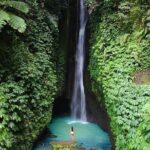
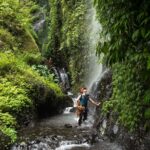
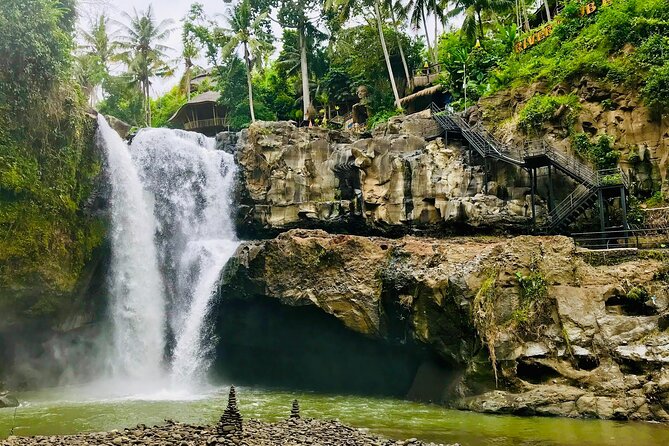
From culture to nature: Tegenungan Waterfall is surrounded by greenery and tropical scenery, and you’ll have about an hour to enjoy it. This is a straightforward, photogenic stop where you can take pictures and just breathe for a bit. If you’re the type who likes a “reset” during a busy day, waterfall time works like that.
Practical caveat: access involves stairs, and the tour specifically recommends comfortable footwear. It also suggests bringing swimwear and a towel, which tells you the day is set up for more than just staring from the top. If you plan to get closer, do it safely and keep your footing in mind.



Celuk Village and art moments: jewelry, carving, and paintings
After the waterfall, the tour includes Celuk Village, which is optional and based on your interests and available time. Celuk is tied to craft traditions—silver jewelry, wood carving, and painting villages are all mentioned as possible directions. It’s a good counterbalance to all the outdoor stops, because here you get to see how everyday artistry becomes part of local identity.
If you shop, do it calmly. Craft villages can encourage impulse buying, especially if you’re tired from walking. If you’re not buying, you can still enjoy the atmosphere and watch the process with a guide who can explain what you’re seeing.
The Ubud center stops: batik, markets, palace, lotus ponds, and sacred caves
This tour doesn’t keep everything far from town. It also builds in time for central Ubud experiences that mix culture, crafts, and spiritual sights.
Here are the specific central-style stops included in the day plan:
- Traditional batik painting with talented people you can watch up close
- A market area in central Ubud, made up of multiple buildings and a long street where vendors set up for the day
- The palace, described as the home of Ubud’s royal family since the late 19th century, known for beautifully crafted buildings
- A water garden temple with a lotus pond, fine carvings, giant masks, and statues dedicated to Goddess Saraswati
- A chance to walk through a sacred meditation cave, with a bathing pool and fountains outside
Each of these is a different flavor of Ubud. The market and batik moments scratch the “I want to see how locals do it” itch. The palace adds a sense of place and legacy. The temple and meditation cave bring you back to the spiritual side of the island—where nature and worship get mixed in a very Balinese way.
One reason I like this combination: it avoids the common mistake of doing only photos. You get to experience how the culture looks and feels in real settings, not just scenic backdrops.
Campuhan Ridge Walk and art museums: views plus Balinese art context

The tour also includes time for Campuhan Ridge Walk, with explanations that connect what you see to Bali’s shared irrigation system called subak, which has UNESCO World Heritage status. It’s a nice way to connect agriculture, religion, and daily life—because rice terraces are not just scenery here; they’re part of a system.
If art is your thing, the day also points you toward museum visits:
- Don Antonio Blanco Museum, described as easy to explore independently without advance tickets being necessary, with gardens and a small aviary where parakeets may pose
- Neka Art Museum, described as affordably priced with rarely any lines, focusing on the evolution of Balinese art, and featuring the Lempad Pavilion as a highlight
These museum stops are especially useful if you want a break from heat and walking while still getting something that feels distinctly Ubud. They’re also a good option if your group includes different interests—one person wants nature, another wants art, and everyone can still agree the day has variety.
Getting around without wasting your day: timing, pickup, and comfort
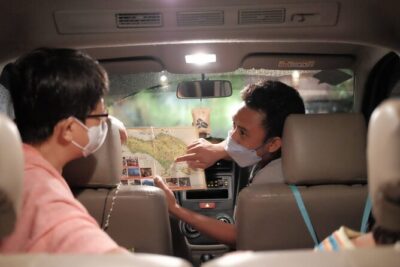
A big part of the value here is how travel is handled. You get hotel pickup and drop-off plus private transportation in an air-conditioned vehicle, with an English-speaking driver/guide. Bottled water is included, which sounds minor until you’re halfway through a day of stops and you’re grateful you’re not paying for it again and again.
The tour runs about 6 to 8 hours, and timing can shift with traffic and pace. That’s normal in Bali. The key is that you’re not stuck waiting for strangers—this is your group only, and the day plan is designed to be flexible.
Plan to be ready early. The tour asks you to meet in the hotel lobby about 10 minutes before pickup time. If you’re not a “be ready on time” person, I’d set a clear reminder, because Bali pickup can be on a tight window.
Price and value: what $32 includes (and what to budget for)
At $32 per person, this is positioned as an efficient private day. What you get for that money is meaningful: private AC transport, pickup and drop-off, bottled water, and entrance fees for the main sights—specifically Monkey Forest, Temple, Waterfall, and Rice Terrace.
That’s where the value really lands. If you tried to recreate the same day by booking transport and buying separate tickets, your costs can climb quickly, especially with multiple sites and time lost to planning. Here, the big-ticket entrances are already handled, which keeps the day feeling smooth.
What’s not included is lunch (optional and can be arranged), plus personal expenses and tips/gratuities (optional). So while your core sightseeing costs are covered, you should still carry a little cash or a card for food, drinks beyond bottled water, souvenirs, and any optional add-ons like art-village interests or batik purchases.
Also keep in mind: this tour is described as having group discounts and using a mobile ticket. Even if you’re traveling solo or as a couple, it’s usually a sign the operator runs this efficiently.
Who should book this Ubud private tour
This is a strong fit if:
- you want one day that covers nature and culture without stressful planning
- it’s your first Ubud visit and you want to see the big, signature spots
- you’re traveling as a couple, family, or small group and want a private vehicle
It’s also a good match if you appreciate explanations. Many guides associated with this tour style—people like Wayan, Juli, Komang, Adi, and Arta—are praised for making the day fun and informative, and for knowing where to go and when.
If you’re the kind of traveler who hates stairs, consider whether the waterfall is worth it for your body. If you hate animals, remember Monkey Forest has strict rules and macaques are part of the setting. You can still go—just be prepared for the reality of being in a real sanctuary.
Should you book this Private Ubud Tour?
Yes, if you want an efficient Ubud day that feels organized without feeling robotic. The mix of Monkey Forest, Tegalalang Rice Terrace, a classic temple, Tegenungan Waterfall, plus central Ubud culture stops gives you range in one outing. For the price, the inclusion of entrance fees for the main sights and the comfort of private AC transport make it a practical option.
I’d book it with confidence if you’re planning your first few days in Bali and want to hit the highlights early. Just pack comfortable shoes, follow the Monkey Forest rules, and decide in advance how much walking and stair-climbing you’re willing to do.