REVIEW · PRIVATE
Private Car Charter – Explore Best of Bali
Book on Viator →Operated by Eco Bali Tours - Day Tours · Bookable on Viator
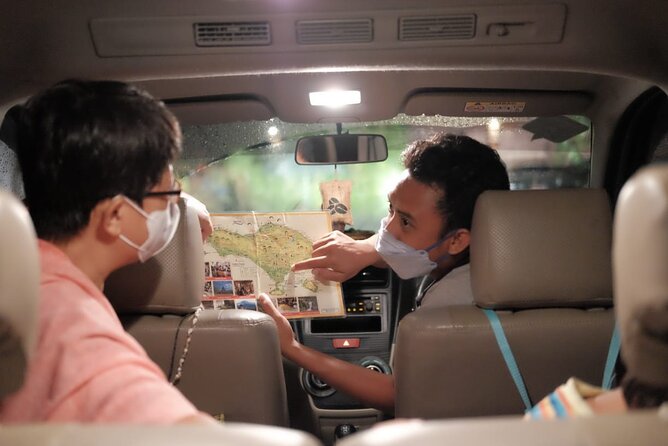
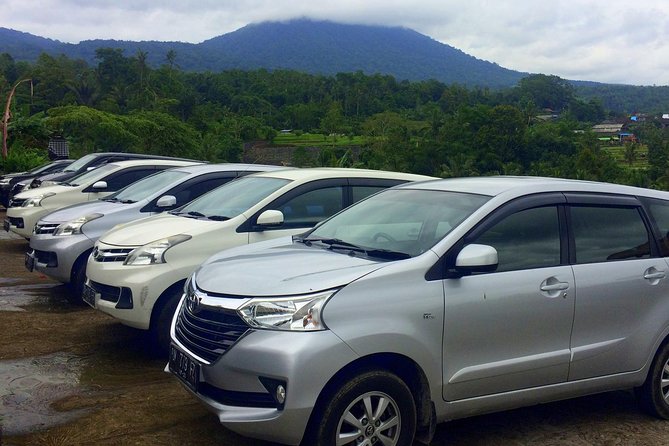
Your Bali day becomes truly yours. This private car charter gives you an English-speaking chauffeur and an air-conditioned ride, so you can pick the stops and time like a local plan rather than a fixed tour.
I especially love the flexibility—you can stay with tourist favorites or steer toward quieter village-style sites. I also like that it’s a true private setup, so there’s no ride-sharing shuffle, and your group keeps the pace.
One thing to plan for: traffic can slow the day, especially if you’re hopping between Ubud, waterfalls, and temple areas. If you want clear context at each stop, ask your driver to explain as you go—some experiences hinge on that.
In This Review
- Key highlights if you want a smart private day in Bali
- How the Ubud private chauffeur experience actually works
- Price and value: is $30 per person worth it?
- Batuan Village: Traditional Balinese House Compound and Batuan Temple
- Traditional Balinese House Compound (Batuan)
- Batuan Temple (local shrine setting)
- Tegenungan Waterfall and Goa Gajah Elephant Cave
- Tegenungan Waterfall
- Elephant Cave (Goa Gajah)
- Tampaksiring temple cluster: Gunung Kawi, Mengening, Tirta Empul, Sebatu
- Mount Kawi Temple (Gunung Kawi Temple, Tampaksiring)
- Mengening Temple (Pura Mengening)
- Tirta Empul Temple
- Gunung Kawi Sebatu Temple
- Tegalalang Rice Terraces and Happy Swing Bali
- Tegalalang Rice Terrace
- Happy Swing Bali (Bali Swing area)
- Ubud on your schedule: Saraswati Temple, Palace, Art Market, Monkey Forest
- Saraswati Temple (Ubud Water Palace)
- Ubud Palace
- Ubud Art Market
- Sacred Monkey Forest Sanctuary
- Timing and packing tips so the route doesn’t feel like a sprint
- Who this private car charter suits best in Bali
- Should you book this Ubud private car charter?
- FAQ
- What’s included in the Private Car Charter?
- Do I share the car with other travelers?
- Can I choose where we go during the tour?
- Are pickup and drop-off included?
- Is the admission fee included for the attractions?
- How long is the charter?
- How is the ticket handled?
- Are there discounts for groups?
- What’s the cancellation policy?
Key highlights if you want a smart private day in Bali
- Choose your own stops and time: you control what matters most in your 1 to 10 hours.
- Private, no ride sharing: your vehicle is just for you and your group.
- English-speaking chauffeur: you can request an itinerary or have the driver suggest one.
- A/C vehicle with pickup offered: easier start to a humid island day.
- Temple-to-waterfall mix: from Tirta Empul’s purification spring to Tegenungan’s jungle pool.
- Admission fees are separate: you’ll pay entry tickets at sites, so budget extra.
How the Ubud private chauffeur experience actually works
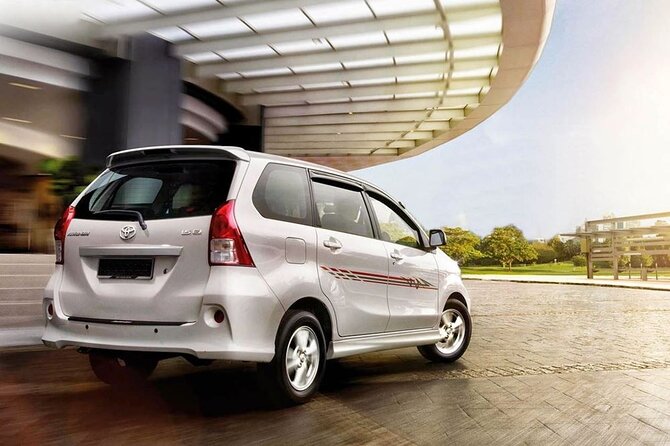
This isn’t a bus tour with a tight script. You book a private car with chauffeur and then shape the day around your interests, with a maximum of about 10 hours of vehicle time. That means you can do quick hits in central Ubud, then slow down at a temple compound or waterfall where you want more photos or time to just watch.
The practical benefit is simple: in Bali, distances don’t always feel short, and traffic can be unpredictable. Having a private car lets you react. If a site is crowded, you can adjust. If your group is into more nature, you can cut one temple stop and give that time to the next viewpoint or walk.
Your chauffeur can also propose an itinerary. That’s helpful if you’re not sure how to sequence Bali’s temple areas and Ubud sightseeing so you don’t waste time zigzagging.
You can also read our reviews of more private tours in Ubud


Price and value: is $30 per person worth it?
At $30.00 per person, the deal can be strong—especially if you’re traveling as a small group and want a comfortable car without the stress of arranging transport back and forth all day. The listed value becomes clearer because the charter includes:
- Private tour service
- Air-conditioned vehicle
- English-speaking driver
- Up to 10 hours
- Service and government tax
What’s not included: entrance fees for the sights. That’s the main variable. If you hit many ticketed locations, your final spend will rise. Still, for a full day of logistics covered—driver, routing, and timekeeping—it often feels like a straightforward buy.
One tip for value: decide your “must-do” first. Then let the rest be flexible. With 10 hours, you can pack a lot—but your enjoyment goes way up when you’re not rushing through every stop to fit the whole list.
Batuan Village: Traditional Balinese House Compound and Batuan Temple
The day can start in the Batuan area (Gianyar regency), a side of Bali where you get a more village-rooted feel than the busiest tourist zones.
Traditional Balinese House Compound (Batuan)
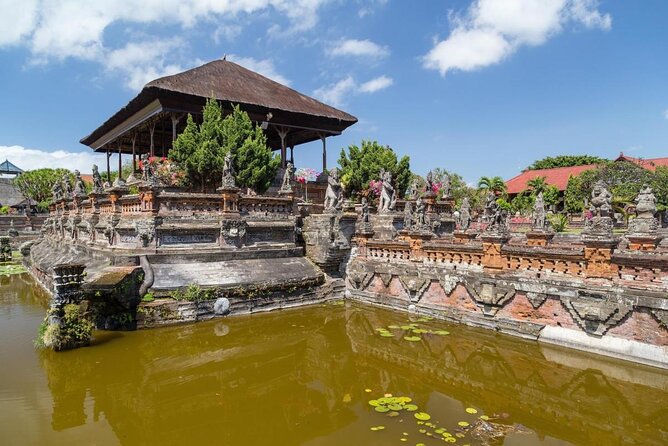
This stop focuses on Balinese architecture and daily-culture setting. You’ll be looking at a traditional house compound layout—built in Balinese styles—and you get a sense of how spaces are organized for family and temple life.
Why it’s worth your time: it’s a different lens than “another temple.” You’re learning how people live and where architecture fits into that. The downside: it’s easy to treat it as a quick photo stop. If you want real payoff, give it attention—walk slowly, notice the compound style, and ask your driver what to look for.
Batuan Temple (local shrine setting)
Right after, you can visit Batuan Temple, described as a “secret” Hindu temple set in the center of Batuan Village. It’s a shrine for local worshippers, not just a scenic attraction.
Practical consideration: since it’s a shrine used by locals, be mindful of how you behave and dress. Keep it respectful, keep the noise low, and move carefully. Also, entrances aren’t included, so plan to pay site fees on the spot.
You can also read our reviews of more tours and experiences in Ubud




Tegenungan Waterfall and Goa Gajah Elephant Cave
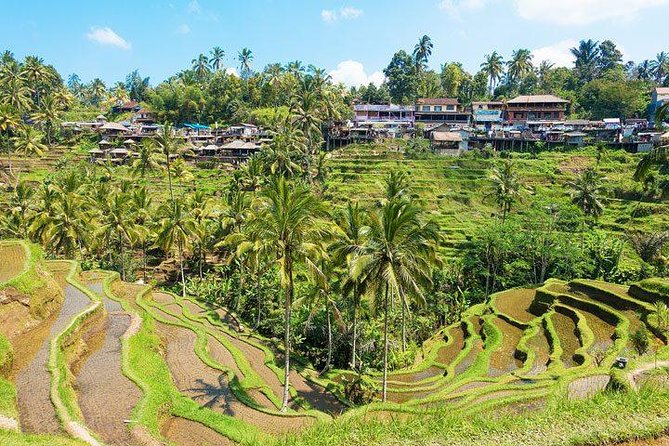
From village culture, the route can shift to nature and archaeology, two categories that tend to reset your brain after temple hopping.
Tegenungan Waterfall
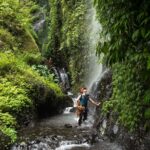
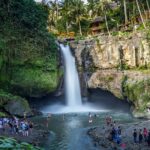
Tegenungan is a popular waterfall near Ubud with a lush jungle setting on the Petanu River, and it’s known for a strong flow plus a natural pool where people swim.
What I like about making this a scheduled stop with a private driver: you can time it so you’re not stuck waiting in the wrong hour. If you arrive when it’s calmer, you’ll enjoy the swimming option more and spend less time dodging crowds.
The possible drawback: it’s a waterfall area where conditions can change fast. If your group hates damp, slippery steps, you might shorten the time. If you love photo ops and a quick swim, give it the full hour.
Elephant Cave (Goa Gajah)
Next is Goa Gajah, an archaeological site outside central Ubud. The name can mislead you, but it’s known for carved features and a temple/ancient setting that feels more mysterious than a typical modern attraction.
This is a good pairing because it gives you variety: waterfall energy first, then a quiet, older-feeling site. It’s also a place where your chauffeur’s explanations help. If you want context, ask specific questions—what parts are the focus, and what should you look at beyond the main entrance.
Admission isn’t included here either, so budget for ticket costs.
Tampaksiring temple cluster: Gunung Kawi, Mengening, Tirta Empul, Sebatu
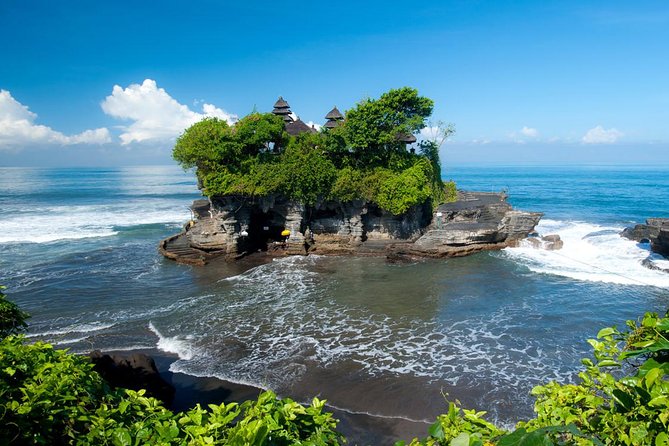
This part of the day can be the most rewarding—if you pace it. Several stops here connect through a theme: holy water, spiritual sites, and temple complexes in rice-field and river-valley settings.
Mount Kawi Temple (Gunung Kawi Temple, Tampaksiring)
Gunung Kawi Temple Tampaksiring sits in a river valley with rice fields and jungle around it. The highlight is the collection of ten candi (temple shrines), which makes it feel like a small sacred complex rather than a single building.
What makes this stop land: the setting. Even if you’ve seen temples before, the valley approach gives you a sense of being in a place designed for contemplation. The watch-out is time: you’ll want a full hour to enjoy the walkways and take it in without feeling rushed.
Mengening Temple (Pura Mengening)
Pura Mengening is presented as a calmer, less-visited alternative in the same general temple region. It’s described as one of Bali’s better-kept secrets, tucked away behind more popular neighbors like Tirta Empul and Gunung Kawi.
This is where you can slow down. If you’re temple-fatigued, cut this to 30 minutes. If you’re still energized, this stop gives a softer tone—less about landmark crowds and more about the quiet, spiritual atmosphere.
Tirta Empul Temple
Tirta Empul is the “holy spring water” highlight. It’s famous for purification rituals (melukat), with devotees cleansing themselves under a set of spouts dedicated to different aspects.
This is an important stop for understanding how Balinese Hindu practice ties to water. Even if you don’t participate, watching the flow and seeing how people move through the ritual space gives context that photos alone won’t.
Practical consideration: follow signage and your chauffeur’s guidance for where visitors can stand and how to behave. Water rituals have rules.
Gunung Kawi Sebatu Temple
Finish the temple cluster with Pura Gunung Kawi Sebatu, described as a serene water temple set away from the busiest areas. If you’re looking for a peaceful wrap-up to this spiritual circuit, this is the stop that helps your day feel balanced instead of exhausting.
This works best if you’ve kept your pace. Don’t stack it too tightly if you’re feeling worn out.
Tegalalang Rice Terraces and Happy Swing Bali
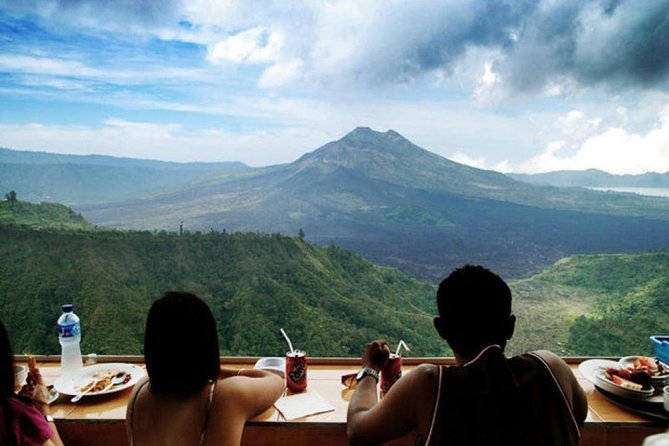
Once you head back toward Ubud’s wider sightseeing belt, the mood shifts to views and photos.
Tegalalang Rice Terrace
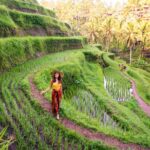
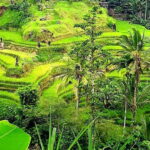
Tegalalang Rice Terrace is famous for its stepped paddies shaped by Bali’s traditional Subak irrigation system. You’re looking at a classic scene: layered greenery, viewpoints, and a strong sense of farming patterns shaping the land.
Why it’s a good use of time in a private charter: you can pause where the angle looks best and you can stay longer if the light is right. With a fixed bus schedule, you’d likely be rushed.
Happy Swing Bali (Bali Swing area)
Happy Swing Bali (part of Bali Swing) is an adventure and photo stop with giant swings over the rice terraces. It’s timed as a longer visit—about an hour—so it’s not just a quick look.
My honest take: do it if your group enjoys adrenaline and isn’t afraid of photo-stage energy. If you want calm, nature-only sightseeing, you might shorten this or skip it. Since this is one of the more “touristy activity” moments, use it as your group’s fun break rather than another checkbox.
Ubud on your schedule: Saraswati Temple, Palace, Art Market, Monkey Forest
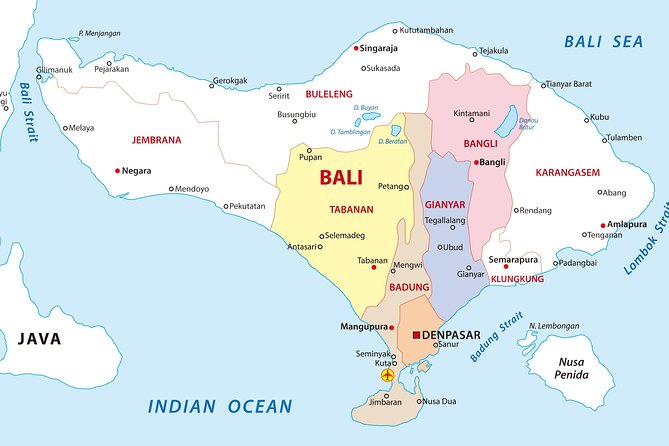
Central Ubud is where your private car pays off again. You can split the day into short, high-impact stops, then return to the car without losing your momentum.
Saraswati Temple (Ubud Water Palace)
Pura Taman Saraswati is a water temple dedicated to Dewi Saraswati, and it’s known for a lotus pond and an eye-catching setting in Ubud. It’s a short stop—about 15 minutes—so plan it as a visual reset.
If you’re starting to feel temple overload, this one works well because it’s compact and scenic. Keep expectations realistic: it’s not a half-day museum-style visit.
Ubud Palace
Ubud Palace is a historic royal residence (Puri Saren Agung), famous for traditional architecture and a hub for performances like the nightly Legoong show. It’s another short stop—about 15 minutes—so treat it as architecture and atmosphere rather than a deep dive.
Ubud Art Market
Then you hit Pasar Seni Ubud, an active craft market for wood carvings, textiles, clothing, and souvenirs. This is a practical stop if you want gifts and a feel for everyday shopping.
Do this with intention. If you hate bargaining and packed aisles, keep your time short and focus on items you actually want.
Sacred Monkey Forest Sanctuary
The Monkey Forest Sanctuary (Mandala Suci Wenara Wana) is a natural sanctuary with ancient temples and lots of macaques—over 1,200 long-tailed macaques is part of what defines it.
This is one of the best “last stop” ideas because it feels like a living area, not just stone and signage. The downside is that it’s active and unpredictable. If your group doesn’t do well around animals, keep your time tight and follow staff rules closely.
Timing and packing tips so the route doesn’t feel like a sprint
With a full list of stops available, you’ll want a simple strategy: pick your top three categories and protect that time.
A good day rhythm is:
- one village/culture stop (Batuan),
- one nature highlight (Tegenungan),
- one or two temple blocks (Tampaksiring),
- then Ubud center sights (palace, market, monkey forest).
Also remember:
- Entrance fees aren’t included, so your budget should flex by how many ticketed sites you enter.
- You’re working with humid, often changeable weather, so plan for comfort and be ready to adjust timing on the fly.
- Traffic can compress your schedule. If you’re trying to do every stop, you might end up spending more time in the car than you planned.
From driver experiences shared with this service, the best outcomes happen when you set expectations early—tell your chauffeur what you care about, and ask them to explain what you’re seeing. One driver example noted meeting at the pick point and discussing locations; another highlighted that without culture suggestions you can feel unsure where to focus. Your best move is simple: ask for short context at every stop.
Who this private car charter suits best in Bali
This is ideal if:
- you want a custom itinerary without paying for separate transport each time,
- you’re traveling with family or a group that values comfort and shared time,
- you prefer a driver who can suggest order and keep you moving efficiently,
- you want to mix famous Ubud sights with more local-feeling temple and village areas.
It’s less ideal if your group wants a strict, no-thinking schedule where everything is predetermined. You can still do a structured day, but you’ll get the best results by actively shaping the plan.
Should you book this Ubud private car charter?
I’d book it if you want control and comfort for a full day—temples, waterfall time, and Ubud highlights—without the hassle of organizing rides. The value works best when you use the flexibility well: choose a few anchor stops, keep some room to slow down, and ask your chauffeur to add context so each site feels meaningful, not just photographed.
Skip or rethink it if your main goal is an already-planned, guided lecture-style tour with zero decision-making. You’re paying for a driver and routing freedom, not a fixed itinerary script.
If you can handle the reality of Bali timing—sometimes slow roads, sometimes waiting—this private charter is a smart way to see a lot while still feeling like you’re steering your own day.
FAQ
What’s included in the Private Car Charter?
The charter includes a private tour service, an air-conditioned vehicle, an English-speaking driver, tour service up to 10 hours, and service/government tax.
Do I share the car with other travelers?
No. This is a private tour/activity, so only your group participates and there’s no ride sharing.
Can I choose where we go during the tour?
Yes. You manage your own itinerary, deciding which places to visit and how long to spend at each stop. Your driver can also suggest an itinerary if you want.
Are pickup and drop-off included?
Pickup is offered.
Is the admission fee included for the attractions?
No. Entrance fees for tourism places are not included, so you’ll need to pay site tickets separately.
How long is the charter?
The duration is listed as 1 to 10 hours (approximately), based on the vehicle service time you choose.
How is the ticket handled?
A mobile ticket is included, and confirmation is received at the time of booking.
Are there discounts for groups?
Yes, group discounts are available.
What’s the cancellation policy?
You can cancel for a full refund up to 24 hours in advance. If you cancel less than 24 hours before the start time, the amount paid is not refunded.