
REVIEW · TIRTA EMPUL & WATER TEMPLE TOURS
Ubud Tirta Empul Temple Tour with Purification Experience
Book on Viator →Operated by Ubud Daily Trips · Bookable on Viator
A cold bath, a warm story. At Tirta Empul Temple in Ubud, a local guide walks you through the purification ritual step by step, making Balinese spirituality feel understandable and human. Two things I love here are the guide-led explanations (not just a temple walk) and the tiny group size. The only real catch is the holy water can be very cold.
Plan on about 2 hours total, starting with pickup at Ubud Palace (7:30am in the schedule shown). You’ll get a mobile ticket, follow the ceremony with offerings like flowers, rice, and incense sticks, then change out of your wet clothes before you head back.
In This Review
- Key things to know before you go
- Tirta Empul Temple: Why this Ubud rite feels more meaningful
- How the purification ritual works (and how your guide keeps it simple)
- The 2-hour plan: from Ubud Palace to Tirta Empul and back
- Your guide matters: Koman, Bayu, Kadek, Dewa, and Putu
- What to wear and pack: sarong, towel, and spare clothes
- Price and value: $27.49 for a guided purification experience
- Who should book this Tirta Empul tour (and who might skip it)
- Should you book? My decision checklist
- FAQ
- Where do I meet, and where do I get dropped off?
- What time does the tour start?
- How long is the experience?
- Is the admission ticket included?
- What should I bring?
- Do I need any special communication setup?
- What should I wear?
- Can everyone join the purification ritual?
- What happens if there’s heavy rain?
Key things to know before you go
- Tiny group size (max 6) keeps the experience calm and easier to follow
- A real purification guide explains the meaning behind each part of the ritual, not just the rules
- Cold spring water is part of the deal, so bring what you need to stay comfortable
- Dress and prep matter: sarong/ritual attire is expected, and you’ll want a change of clothes
- Your guide may help with photos and video, so you’re not stuck asking strangers
- Weather can affect plans since the tour may be rescheduled or canceled for safety in heavy rain
Tirta Empul Temple: Why this Ubud rite feels more meaningful
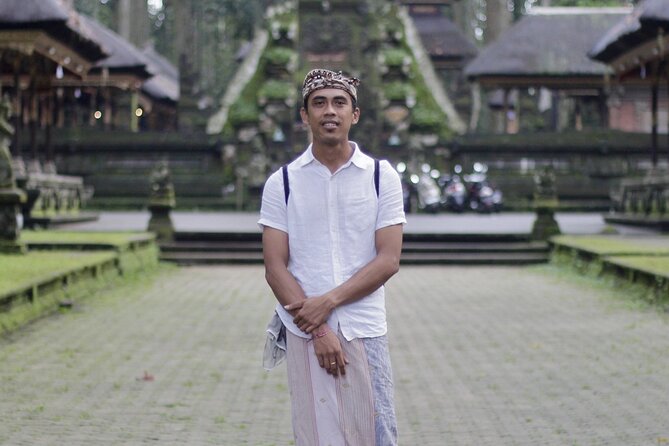
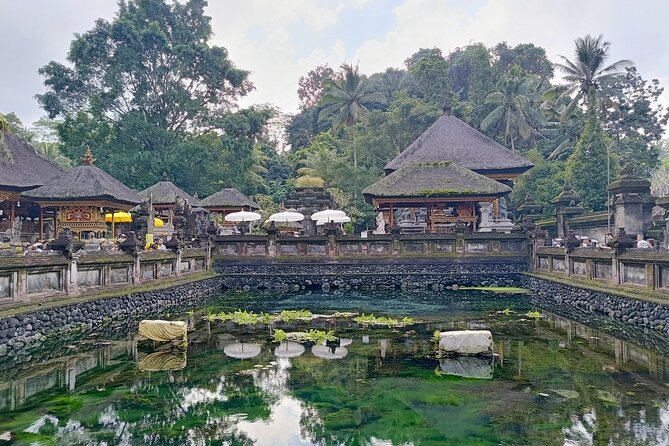
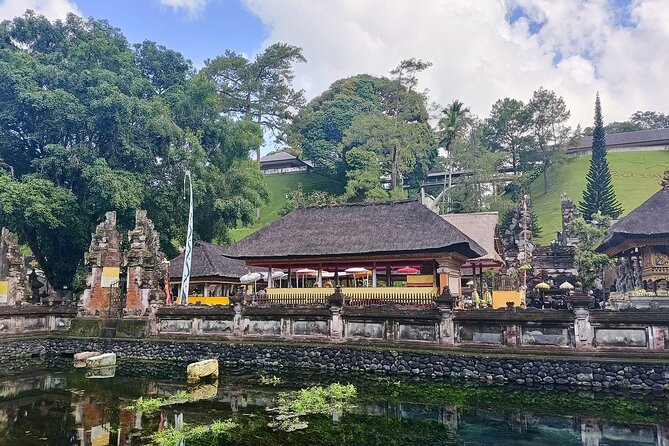
Tirta Empul is one of those places in Bali where the setting is beautiful, but the point is the ritual. This isn’t a “look and leave” temple visit. You’re there to take part in a purification experience at the sacred spring, guided by a local spiritual host who connects the physical actions with the spiritual meaning.
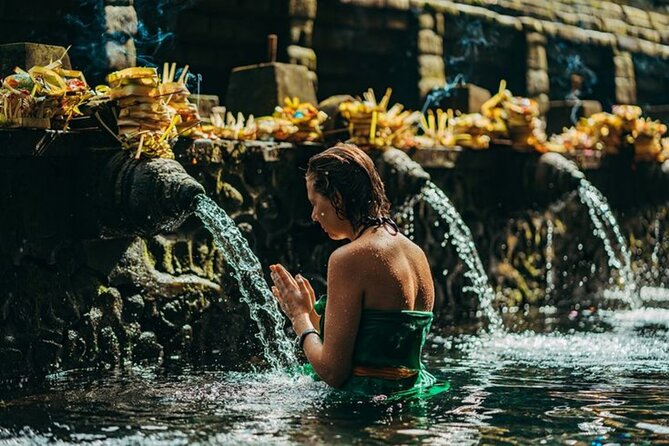
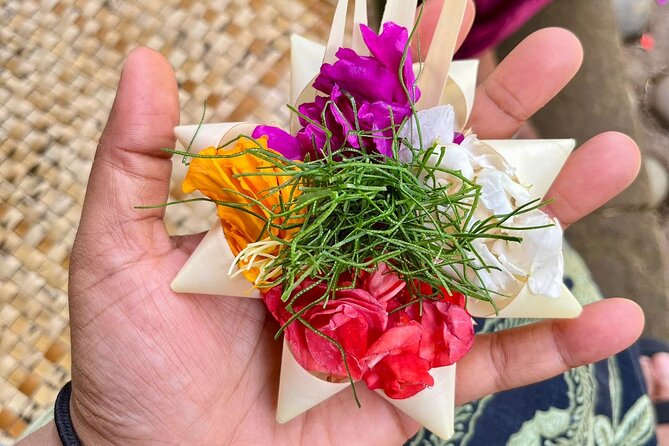
What makes it special is that the ceremony has steps, symbols, and intent. The guide doesn’t just say where to go. You learn the story behind the cleansing temple and what the ritual is trying to do: release heavy or negative energy, restore calm, and help you feel clearer afterward. You also use ceremony items such as flowers, rice, and incense sticks, so it feels like you’re participating rather than observing.
In a lot of Bali experiences, people rush. Here, the structure helps you slow down. And because the group is capped at 6, you’re less likely to feel like a ticket number. You can actually pay attention to the instructions, ask questions, and move at a respectful pace.
You can also read our reviews of more tours and experiences in Ubud.



How the purification ritual works (and how your guide keeps it simple)
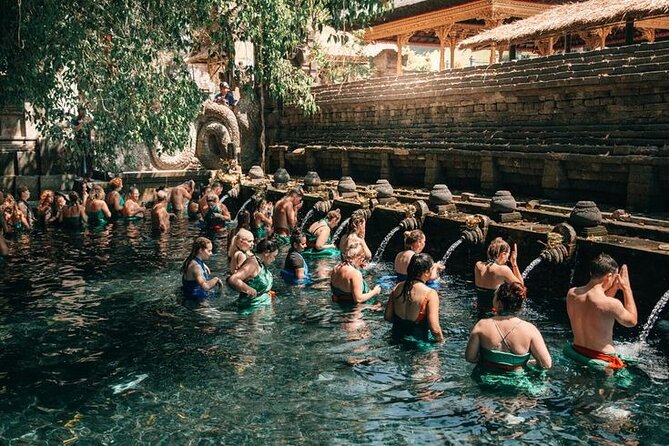
The heart of this tour is the purification ritual at Tirta Empul’s holy spring area. Your guide leads you through the correct procedures, and this matters a lot. The ceremony has a flow, and you’re expected to follow the guidance so you don’t accidentally skip something or act out of sequence.
Here’s what you should expect, in practical terms:
- You’ll be directed on how to participate in the water purification.
- You’ll learn the purpose behind the steps, so you’re not standing there thinking you should be doing something else.
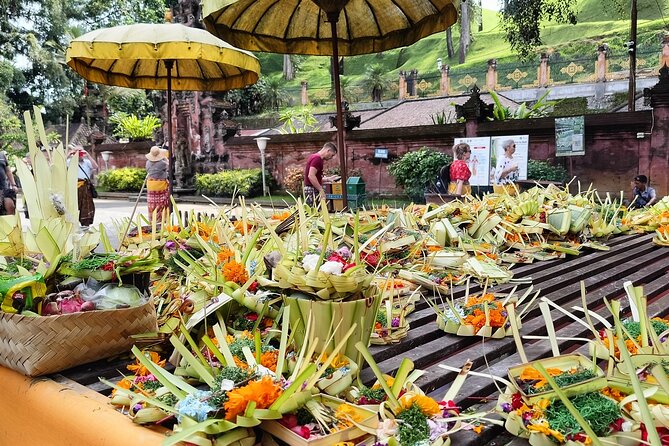
- You’ll use ritual items like flowers, rice, and incense sticks as part of the offering and cleansing process.
- The guide explains the meaning behind different parts of the ceremony, including the significance of the water sources you approach.
The experience is also respectful and guided in a very hands-on way. Several guides in past tours, including Koman and Bayu, are praised specifically for being calm and clear with step-by-step direction. That’s exactly what you want here, because the temple environment can feel intense at first, especially when you’re trying to do things correctly while also staying present.
One more important rule: women who are menstruating are respectfully not permitted to join the purification ritual. This is part of keeping the ceremony in line with local practice, so read that carefully before you book.
The 2-hour plan: from Ubud Palace to Tirta Empul and back

This is a short tour, and that’s a plus if you’re trying to fit Bali rituals into a packed itinerary. Expect about 2 hours total.
You start at the meeting point at Ubud Palace. The tour includes pickup and drop-off back at the same place, so you’re not left figuring out transportation or coordinating a return taxi. The schedule shown lists a 7:30am start, and other sessions may exist depending on what you book, but the rhythm is the same: meet, go to Tirta Empul, do the ritual, and return.
Timing tip that will make your morning smoother: be at the meeting point at least 5 minutes early. The guide is supposed to pick you up and bring you back, and being late can throw off everyone’s flow.
Also note that the tour may be rescheduled or canceled due to heavy rain or severe weather for safety reasons. Ubud weather can change quickly, so I’d plan your day with a little flexibility.
Your guide matters: Koman, Bayu, Kadek, Dewa, and Putu
At places like Tirta Empul, the guide is the difference between a fast temple photo and a real understanding of what you’re doing.
Across the many highly rated experiences, the recurring theme is clarity and patience. Guides such as Koman and Bayu are repeatedly praised for walking people through every procedure, explaining what each step means, and making sure you feel comfortable while you’re in the ritual.
Some other names that come up:
- Kadek: praised for step-by-step guidance and a calm, detailed explanation of the purification rite
- Dewa: praised for making people feel well taken care of during the visit
- Putu: praised for handling practical needs like getting the right clothing to enter and explaining how to pray and perform the ritual properly
There’s also a practical bonus with several guides: they help with photos and video. If you care about remembering the moment without standing around awkwardly, this is worth paying attention to. One review highlights the guide’s photo skills specifically, including getting natural-looking images. Even if you bring your own camera, having someone who knows the flow and best moments helps.
If you want the experience to feel respectful and smooth, look for a guide who:
- explains the reason behind each step
- gives clear instructions so you can do it right the first time
- stays calm when the temple environment feels crowded or overwhelming
What to wear and pack: sarong, towel, and spare clothes
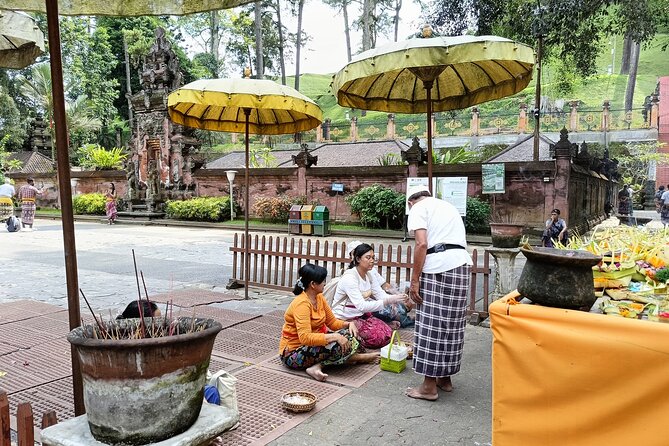
Temple entry and ritual participation in Bali usually involve more than just showing up in clean clothes. For this tour, you’ll be guided to dress appropriately for the ritual area, and many guides help with the clothing needed to enter.
From the information you’re given:
- Dress in traditional ritual attire is expected.
- You should bring a towel and change of clothes (or extra underwear).
From the practical feedback in the experiences: guides sometimes help by arranging a sarong for you. So even if you don’t own one, don’t panic. Still, I’d treat this as a reminder to plan your own backup options too.
And yes, plan for cold water. Even if you consider yourself tough, you’re still going to feel it when you’re standing in spring water during a ritual. Bring the towel you’ll actually use fast, not the one you packed deep in your bag.
A smart packing checklist:
- Towel
- Change of clothes
- Extra underwear
- Mobile phone charged (and WhatsApp ready if you’ll use it for communication)
- A small bag to keep wet items separate, if you have one



Price and value: $27.49 for a guided purification experience
At $27.49 per person, this tour can feel like a fair deal, especially because you’re not just paying for entry. The admission ticket is included, and the experience is short enough (about 2 hours) that you’re getting a full ritual with guide support without burning half your day.
Here’s what contributes to the value:
- Admission ticket included, so you don’t need to hunt down entry pricing
- Local guide leadership, which is the difference-maker here
- Pickup and drop-off back at Ubud Palace, saving time and transport stress
- Small group size (max 6), so you’re not stuck in a crowd doing your best impression of a statue
What you’re not paying extra for (based on the info provided) is flexible, complicated logistics. The tour is built around a meeting point and a return to that same point. It’s one of those experiences where the structure is part of the cost savings.
So if your goal is to understand the ritual and take part respectfully, this price makes sense for Ubud. If your goal is only to see a temple and you don’t care about ceremony context, you could find cheaper options. But if you want the spiritual meaning explained as you go, the guide-led approach is where you get your money’s worth.
Who should book this Tirta Empul tour (and who might skip it)
This is a great match if you:
- want a deeper look at Balinese spirituality in Ubud
- prefer a small group experience with time for questions
- are interested in the meaning behind the ritual, not just the photos
- like guided structure, especially when the environment has rules
It’s less of a match if you:
- dislike cold water and don’t want to deal with wet clothes afterward
- are counting on a fully flexible participation option, since women who are menstruating are not permitted to join the purification ritual
If you’re the type who likes to “do it right” without figuring everything out alone, this tour style fits your energy. Your guide is there to keep you on track and help you avoid the awkward moments of uncertainty.
Should you book? My decision checklist
Book it if you want:
- A guide-led purification ritual at Tirta Empul
- an experience that takes about 2 hours
- a small group with practical help (instructions, attire guidance, and ceremony flow)
Skip it if:
- the idea of very cold spring water sounds like a deal-breaker
- you need a more informal, no-ceremony experience
If you do book, read the participation rule carefully before you show up, and pack a towel and spare clothes so you can enjoy the ritual instead of rushing through it.
FAQ
Where do I meet, and where do I get dropped off?
You’ll meet your guide at Ubud Palace and the tour ends back at the same meeting point.
What time does the tour start?
The schedule shown lists a 7:30am start time. Your confirmation should include the pickup time you’re assigned.
How long is the experience?
It runs for about 2 hours (approx.).
Is the admission ticket included?
Yes. The admission ticket is included for the Tirta Empul Temple stop.
What should I bring?
Bring a towel and a change of clothes (or extra underwear) since you’ll be participating in the water purification.
Do I need any special communication setup?
Please download WhatsApp prior to the tour for communication with your guide or host.
What should I wear?
Traditional ritual attire is expected. You may need a sarong/temple clothing depending on what your guide provides or what you arrange.
Can everyone join the purification ritual?
Most travelers can participate. However, women who are menstruating are respectfully not permitted to join the purification ritual.
What happens if there’s heavy rain?
Tours may be rescheduled or canceled due to heavy rain or severe weather for safety reasons.