REVIEW · CYCLING & E-BIKE TOURS
Kintamani Down Hill Cycling
Book on Viator →Operated by bali journey experience · Bookable on Viator
Downhill cycling in Bali is fun by itself. This one adds village culture and rice-field scenery along the way, so the day feels more than just transportation with a good view. You start with a hotel pickup, roll out from the Kintamani side, then mix in two real community stops before finishing with lunch and a change of pace back toward Ubud.
I also like that the bike part is designed for real-world energy levels. Reviews call it family-friendly because it’s mostly downhill, and you don’t need to be a road-racing hero. One heads-up: if you only want maximum time on the handlebars, the school and compound visits may feel like more sitting-and-listening than you expected.
In This Review
- Key Highlights at a Glance
- Why This Kintamani-to-Ubud Ride Feels Different
- Route and Pace: The Downhill Part (and How Hard It Really Is)
- Pickup, Meeting Point, and How the Day Flows
- The School Stop: Learning Without the Script
- Inside a Traditional Balinese Compound: Philosophy You Can See
- Rice Fields and Village Cycling: The Part You Came For
- Lunch With a View: Fuel That Finishes the Ride
- Bikes, Helmets, and Guide Support That Makes It Easy
- Price and Value: What $33.60 Actually Buys You
- Who This Tour Fits Best (and Who Might Want Another Option)
- Quick Practical Tips So the Day Feels Smooth
- Should You Book Kintamani Down Hill Cycling?
- FAQ
- Where does the tour start and end?
- How long is the ride?
- How much does it cost?
- Is pickup included?
- What’s included in the price?
- What is not included?
- What fitness level do I need?
- Is it beginner-friendly?
- Do I get a ticket on my phone?
- What if my plans change?
Key Highlights at a Glance
- Downhill route from the Kintamani area that keeps effort reasonable for most people
- Two culture stops: a local school and a traditional Balinese compound
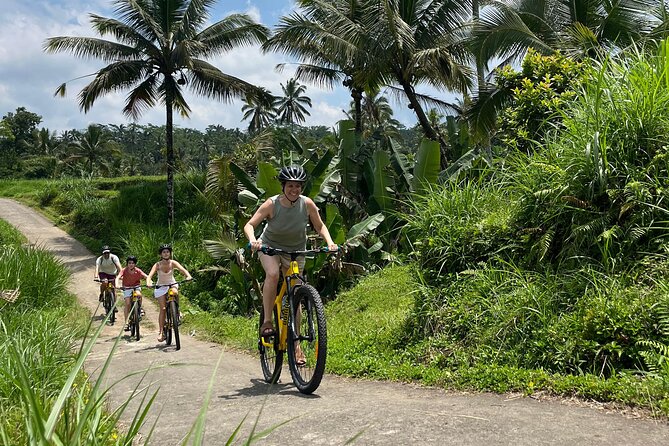
- Iconic Ubud rice-field cycling with farms, village streets, and greener lanes
- Lunch included after the ride, timed so you can actually enjoy the scenery
- New bikes and helmets plus guides who are patient and good at taking photos
- Small-group feel with a maximum of 30 travelers and easy pickup options
Why This Kintamani-to-Ubud Ride Feels Different
Most cycling days in Bali sell you on the view and leave it at that. This one keeps the best part—the downhill ride—but it doesn’t treat culture like a quick photo stop. You actually go into everyday places where Balinese life happens.
First, you visit a local school. It’s a simple stop, but it adds meaning to everything you’re seeing outside the windows. Then you head into a traditional Balinese compound, where you learn about how philosophy, architecture, and daily traditions shape what you see around you. That combination makes the ride feel like a guided walk-through of how the island works—not just where it looks pretty.
The best part for me is the balance. You get active time cycling through the countryside, then you get context. It’s not “history lecture time” all day. It’s more like: ride, pause, learn a little, ride again.
You can also read our reviews of more cycling tours in Ubud
Route and Pace: The Downhill Part (and How Hard It Really Is)
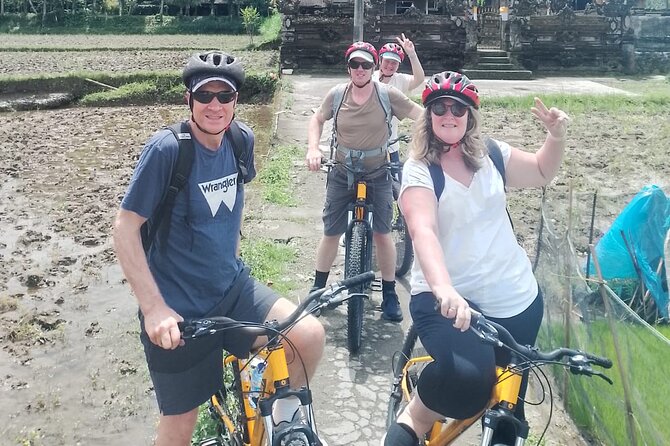
This is a downhill bike tour starting in the Kintamani area (Bayung Gede, Bangli Regency) and ending back near the meeting point. The key detail is that the route is designed to be manageable. One review summed it up well: downhill means you don’t have to burn yourself out.
That doesn’t mean it’s zero effort. You’ll still spend hours on a bike, and there are always moments when you need to steer, brake, and stay focused. But compared to a full-on uphill ride, this is the kind of cycling day where you can enjoy the views without counting every heartbeat.
The tour is listed for moderate physical fitness. If you’re comfortable riding a bike for a few hours in traffic-free or low-traffic areas, you’ll likely be fine. If you’ve never cycled much, you might still manage, but you should go in with a realistic mindset: you’ll be learning as you ride, not training for a marathon.
Pickup, Meeting Point, and How the Day Flows
Your day starts with pickup offered from the Ubud area. After that, you travel to the starting point in the Kintamani side. The tour also notes a shuttle for the Ubud area, which is nice because it reduces the hassle of figuring out transfers on your own.
From there, the rhythm is pretty straightforward: bike starts after you arrive, you stop twice for cultural visits, you finish with lunch, then you’re taken back to the meeting point. In a 6-hour day, that pacing matters. You’re not stuck on the road all day just to arrive at one scenic photo.
Also, the group size is capped at 30. That keeps things organized without feeling like you’re on a crowded commuter bus. It’s large enough to feel lively, but small enough that your guide can manage the flow.
The School Stop: Learning Without the Script
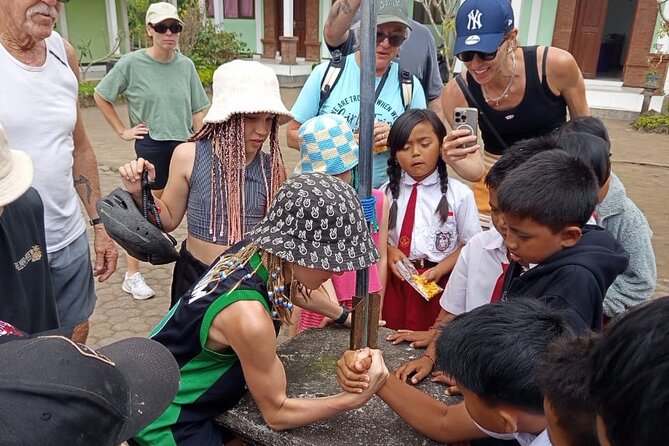
One of the most meaningful parts of this experience is the local school visit. You see children in their daily classes and get a glimpse of what education looks like in a Balinese village.
Why this stop is worth your time: it gives you a reference point. When you later ride through villages and farms, you’re not just passing by scenes. You’re moving through the same community system—neighbors, families, and everyday routines. It turns the countryside into something more human.
That said, it’s still a school setting. This is not a hands-on “entertain the kids” moment in the information you’re given. It’s best approached with respect: keep your attention on what you’re seeing, follow your guide’s cues, and treat it as a cultural observation rather than a staged attraction.
If you’re very time-sensitive, note that the stop is a real pause in the cycling. But the trade-off is that it makes the rest of the day feel more connected.
Inside a Traditional Balinese Compound: Philosophy You Can See
After the school, you enter a traditional Balinese compound. This is where the tour leans into the island’s cultural logic: philosophy, architecture, and traditions that show up in daily life.
The compound visit is valuable because it explains what you’re looking at. In Ubud, it’s easy to see temples, gates, and household layouts without knowing why they’re designed the way they are. Here, you get a framework so the place makes more sense.
From a practical standpoint, compounds can involve walking on uneven surfaces and spending time standing and listening. Wear shoes that handle dirt and small bumps. Also, keep your expectations flexible. This part can be more informative than “fun” in a theme-park way—but that’s exactly why it works. When you understand a few basics, the rest of Bali turns from random sights into a coherent pattern.




Rice Fields and Village Cycling: The Part You Came For
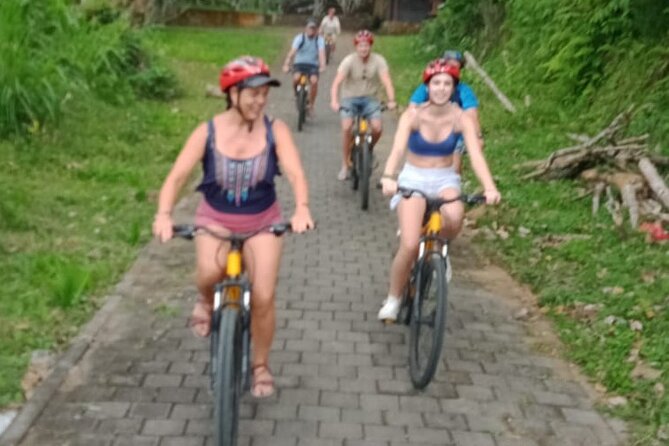
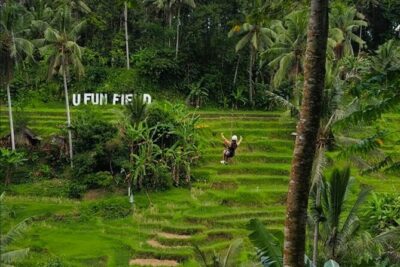
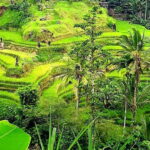
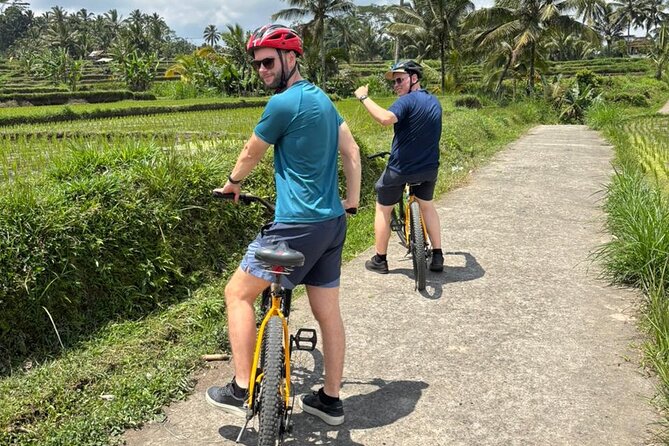
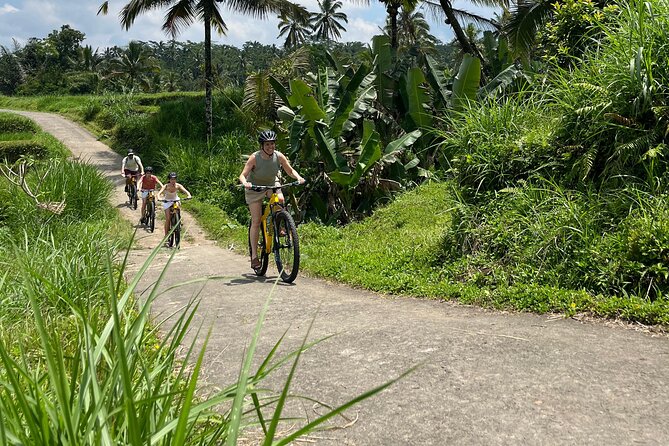
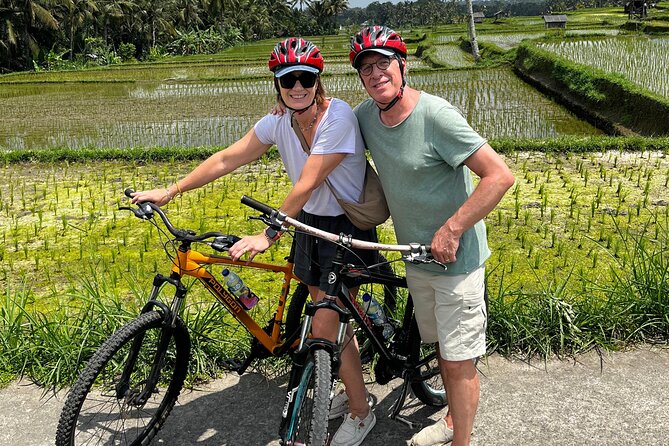
Now the ride takes center stage. You cycle through countryside you’ll recognize as the classic Ubud look: rice fields, farms, forests, and villages. Even when you’re not racing, the scenery keeps shifting—small roads, greener stretches, and different angles on the paddies.
This is where the downhill format pays off. Your legs stay busy enough to feel like you’re participating, but you’re not forced into survival mode. You can actually look up and enjoy what’s around you.
One helpful detail: the route includes multiple types of paths rather than just one long straight stretch. That keeps it from feeling monotonous. You’ll have chances to take photos and to adjust your riding rhythm, especially during stops.
The only caution I’d offer is simple: downhill rides require focus. Even when you’re not pedaling hard, you still need to pay attention to turns and braking. Your guide will help you stay safe, but you’re still driving the bike.
Lunch With a View: Fuel That Finishes the Ride
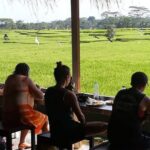
After the cycling and the two culture stops, lunch is served at the finish point. Lunch is included, and it comes with an incredible view, which matters more than you might think.
Why this timing works: you’re not hungry at random times during the middle of the day. The ride and stops build up your appetite. Then lunch arrives when you’re ready to sit, relax, and enjoy the setting—without rushing.
Food is one of the areas where reviews are consistently positive. People mention that everything tasted delicious, and that the food helps complete the day instead of feeling like an afterthought. If you’re choosing between a “bike-only” day and this, lunch is one of the practical reasons this option feels like better value.
Bikes, Helmets, and Guide Support That Makes It Easy
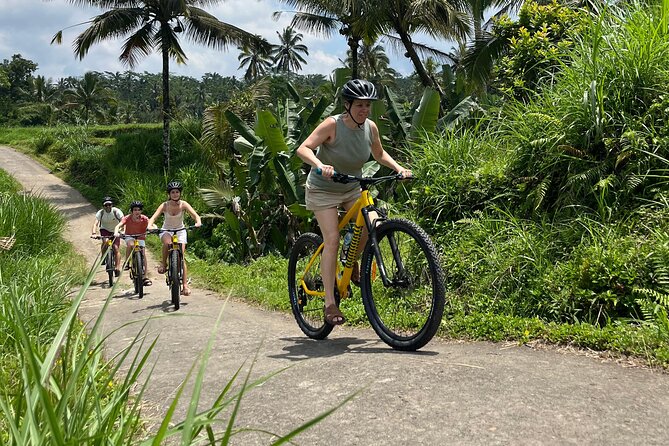
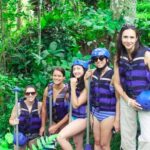
You’re not dealing with scavenging for a rental bike at the last minute. Reviews mention new bikes and helmets, and the bikes are described as light and easy to cycle on. That’s exactly what you want for downhill: stable, easy to handle, and not a mystery machine that fights you at every turn.
Guides also seem to matter a lot here. People mention guides like Niko and Eka by name, describing them as kind, patient, and willing to go the extra mile—especially with photos. Even if you’re confident on a bike, having someone who is calm and attentive makes the day smoother, because you’ll feel guided instead of herded.
What you should take from this: if you care about getting good photos without stressing everyone, this tour has a built-in advantage. A guide who knows how to time stops and positions you well can save you from a lot of awkward standing and guesswork.
Price and Value: What $33.60 Actually Buys You
At $33.60 per person, this tour is positioned as a value option, and the included items help justify it.
Here’s what you get for the price:
- bottled water
- lunch
- entrance fees
- shuttle for the Ubud area
- pickup offered
That package matters because cultural visits usually cost extra once you’re booking day-by-day on your own. Here, entrance fees are already handled. Lunch is also included, which can be a big hidden cost on self-guided days. Add the convenience of pickup/shuttle, and you’re not burning time organizing transport between scattered points.
Is it cheap? Yes, relatively. Is it “budget in quality”? Based on consistent feedback, it doesn’t seem like it. The focus stays on a fun downhill ride and a couple of meaningful stops that you’d otherwise have to pay to arrange.
The only place where value can shift is your expectations. If you want hours and hours of pure riding with minimal stops, you may wish you’d done a ride-only alternative. But if you’re the type who likes to understand what you’re seeing while you move through it, this price starts to feel like a fair deal.
Who This Tour Fits Best (and Who Might Want Another Option)
This works well if you:
- want a downhill cycling day that’s not too punishing
- like combining activity with real local stops (school and compound)
- prefer guided structure over figuring things out alone
- want included lunch and entrance fees
It might be less ideal if you:
- hate sitting through any cultural explanations (you’ll have at least two planned stops)
- want a longer bike-only ride without pauses
- need a fully flexible route with no structured timing (the day has built-in rhythm)
Also, it’s capped at 30 travelers and requires moderate physical fitness. That’s usually a good sign: you get organization, and it’s not designed for people who can’t handle a basic bike day.
Quick Practical Tips So the Day Feels Smooth
You don’t need to overthink this tour, but a few simple choices can help.
- Wear comfortable shoes. You’ll be on and off the bike and moving around during stops.
- Bring basic sun protection. You’ll be outside and cycling through open areas.
- Bring patience for the cultural stops. The ride is the star, but the school and compound visits are part of the point.
- If photography matters to you, this is a good match. Guides like Niko and Eka are noted for being patient and helping with photos.
One more small mindset tip: treat the stops as part of the ride, not interruptions. When you do that, the whole day clicks.
Should You Book Kintamani Down Hill Cycling?
If you want a Bali day that’s active, scenic, and still grounded in real places, I’d book it. The value is strong at $33.60, and the mix of downhill cycling plus a school visit plus a traditional compound is a rare combo. You’ll get that classic Ubud-area countryside feel without spending your whole day on transport or booking separate activities.
I’d skip or choose something else only if you’re mainly interested in nonstop biking with minimal culture time. Otherwise, this is a smart, well-rounded way to spend about half a day—especially if you’d rather be riding than researching.
FAQ
Where does the tour start and end?
The tour starts at Bayung Gede, Kintamani, Bangli Regency, Bali, Indonesia. It ends back at the meeting point.
How long is the ride?
The duration is about 6 hours.
How much does it cost?
The price is $33.60 per person.
Is pickup included?
Pickup is offered, and there is also a shuttle for the Ubud area.
What’s included in the price?
The tour includes bottled water, lunch, entrance fees, and shuttle/pickup for the Ubud area.
What is not included?
Personal expenses are not included.
What fitness level do I need?
Travelers should have a moderate physical fitness level.
Is it beginner-friendly?
The ride is described as mostly downhill, so it’s generally suitable for people who don’t want to spend a lot of energy pedaling.
Do I get a ticket on my phone?
The tour uses a mobile ticket.
What if my plans change?
You can cancel for free up to 24 hours in advance for a full refund.