REVIEW · TOUR REVIEWS
Intermediate canyoning tour in Bali ” Maboya Canyon “
Book on Viator →Operated by Canyoning Bali · Bookable on Viator
Ready for Bali’s canyon workout? Maboya Canyon in north Bali mixes slides, jumps, and rappels into one long, guided adventure, with hotel pickup and a small group size that helps you stay focused. It’s built for an intermediate level, so you’re not just hiking and watching—you’re actively descending.
I love the way the day starts with real training, not guesswork. You learn how to use the lanyard safety rope, how to abseil, and you’re taught basic canyon hand signals before you drop in. I also like the fact that the guide team captures GoPro footage and shares it to your own device during lunch, so you leave with content without hunting for downloads later.
One consideration: this is an all-day outing (about 11 hours) and it asks for moderate physical fitness. If you’re expecting a short, relaxed activity, this won’t match that vibe.
In This Review
- Quick takeaways
- Why Maboya Canyon feels different from a typical Bali tour
- Getting picked up, welcomed, and set up in Wanagiri
- What I think is smart about this setup
- Training before the first drop: lanyard, abseil, and signals
- Guides you might meet
- The descent itself: slides, jumps, and rappels in north Bali
- How to think about “intermediate”
- Your best mindset
- Lunch and GoPro footage: what you get and why it matters
- Why this part is worth noting
- Gear and insurance: the practical safety layer
- What to bring (or at least plan for)
- Price and value in plain terms
- Time, weather, and who should choose this intermediate trip
- You’ll probably love this if:
- You might skip it if:
- Should you book Maboya Canyon right now?
- FAQ
- How long is the Maboya Canyon intermediate tour?
- What’s the group size limit?
- Is hotel pickup and drop-off included?
- What meals are included?
- What gear is provided?
- Is insurance included?
- Do you get GoPro photos and videos?
- What fitness level is recommended?
Quick takeaways
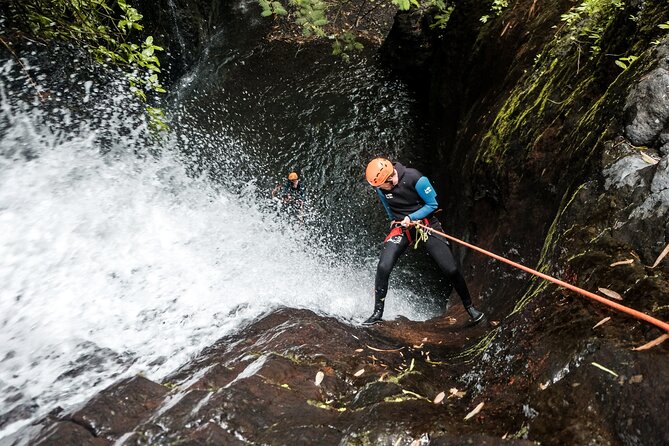
- Intermediate route with hands-on training: lanyard use, abseil technique, and canyon hand signals before descent
- Small groups (max 8): more time for the instructor to coach you through the tricky bits
- Hotel pickup and drop-off anywhere in Bali: no self-drive stress, just show up and go
- GoPro photos and videos saved to your device: delivered during lunch with no extra add-on mentioned
- Included gear + insurance + meals: wetsuit, harness, helmet, canyoning boots, plus breakfast and lunch
Why Maboya Canyon feels different from a typical Bali tour
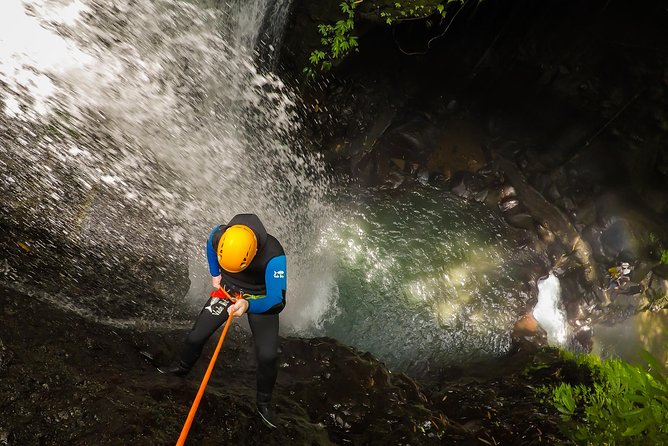
Canyoning in Bali can be either a walk-in-the-park experience or a full-on adrenaline day. Maboya Canyon lands in the middle: it’s clearly active and physical, but it’s also structured so you understand what you’re doing before you’re doing it. You’re moving through the canyon using a mix of slides, jumps, and rappels, which is more varied than the single-style experiences some people end up comparing to.
The other difference is that the whole thing is organized around coaching. Before you start descending, the instructor gives you a briefing, then you suit up, then you get short training on safety and communication. That’s what makes the intermediate level feel less chaotic and more like a guided skills session with a thrill payoff.
If you care about getting good memories, this trip also leans into media. The GoPro footage is recorded during the descent and shared during lunch, so you can focus on the activity instead of worrying about filming the entire time.
You can also read our reviews of more tours and experiences in Ubud.


Getting picked up, welcomed, and set up in Wanagiri
Most people start the day before daylight, since the pickup happens early. One group noted a pickup around 6am from Canggu, and while your exact departure depends on where you stay, the pace is still morning-first. That matters because the canyon schedule depends on conditions and daylight.
You’ll be picked up from your Bali hotel in an air-conditioned vehicle and driven north toward Wanagiri, where a local house acts as the base. When you arrive, you get warm greetings and a light breakfast with tea or coffee. It’s a small start, but it helps you get your energy up before the training and the hike to the start point.
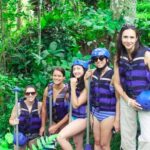
Then comes the gear moment. You don’t just get a quick handoff—you suit up with canyoning equipment, including wetsuit, harness, helmet, and canyoning boots. The whole idea here is to get you properly outfitted so you can focus on technique when you reach the canyon.
What I think is smart about this setup
This staging keeps you from trying to figure things out while everyone’s waiting around. You eat, you get kitted, and you’re coached before you commit to the first big move. That reduces stress, especially if you’re the type who likes a plan.
Training before the first drop: lanyard, abseil, and signals
This is where the trip earns its “intermediate” label. Before you descend, your instructor gives short training on three key areas:
- How to use the lanyard (safety rope)
- How to abseil (controlled down-rappelling)
- Hand signals in the canyon (so you can communicate with your guide and group)
Even if you’ve done beginner canyoning before, this step matters. It resets technique and safety habits, so your body isn’t guessing when you’re standing at the start point. And if you’re moving beyond beginner level, you’ll likely face longer or more varied moves—so learning the system first is a big deal.
You’ll also do an approach hike to the start point. As you walk, you get a chance to take in the view before the canyon work begins. It’s not just transfer time. It’s part of the experience rhythm: movement, scenery, coaching, then action.
Guides you might meet
Some groups have shared great experiences with guides named Eddy and Harry. The common thread in their style is clear coaching and a calm focus on safety, which helps when you’re switching from land-hiking mode into rope-and-slide mode.


The descent itself: slides, jumps, and rappels in north Bali
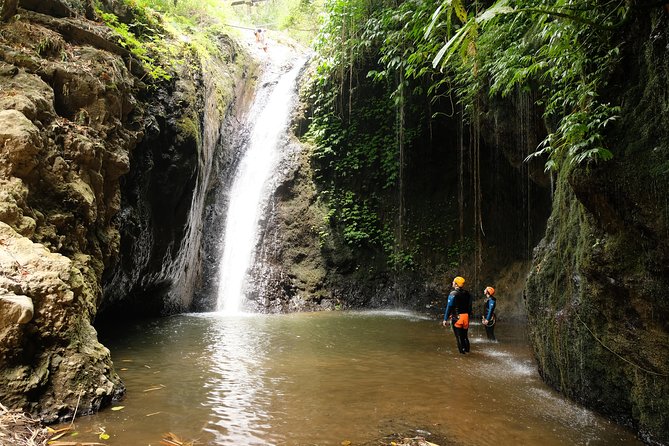
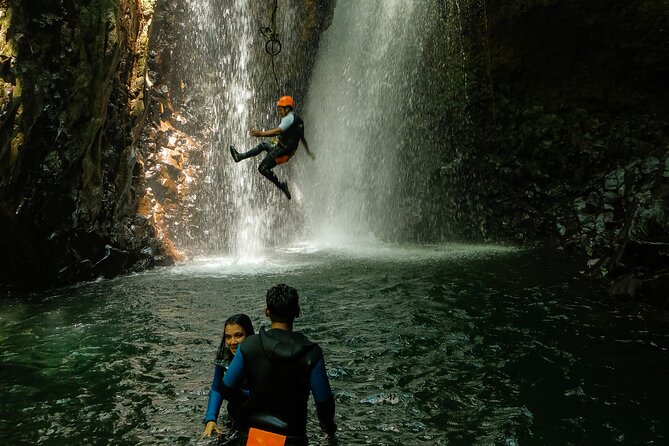
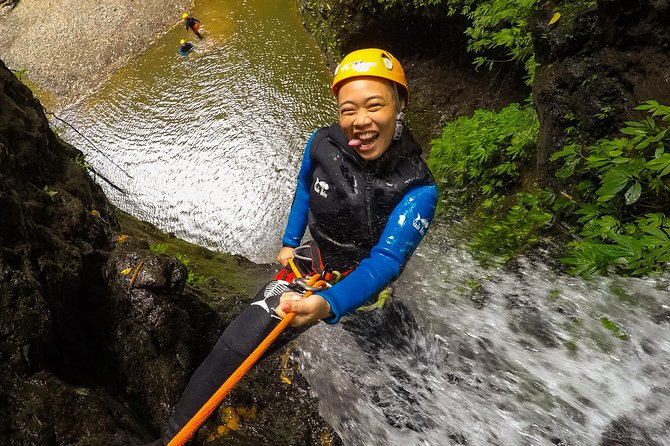
This is the part you came for: descending Maboya Canyon through a series of features. Expect a mix of slides, jumps, and abseils. The exact sequence can vary based on the day’s conditions, but the training you get beforehand is designed to match the kinds of moves you’ll face.
As you go, you’re working as part of a guided line. At certain sections, you’ll likely wait briefly while the instructor checks positioning and confirms everyone is ready. That can slow the pace a bit, but it’s also what keeps things safe in a canyon setting.
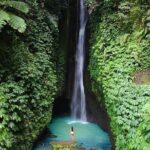
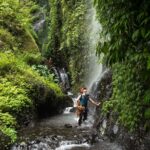
One of the highlights is how the canyon action can include waterfall moments during the route. In other words, you’re not just dropping into an anonymous gorge—you’re moving through a place with water features that make the experience feel more like a living landscape than just “a rope course.”
How to think about “intermediate”
Intermediate usually means you’ll do more varied moves than a beginner route. In practical terms, that often translates to longer sequences, more commitment to rope work, and more chances to use both technique and confidence. The guide’s job is to make sure you’re capable, so you’re not left to figure it out mid-action.
Your best mindset
You’ll enjoy this most if you treat it like skill practice inside an adventure day. Listen closely at the briefing, ask questions early if something isn’t clear, and don’t rush the learning part. Once you’re moving, that calm readiness pays off.
Lunch and GoPro footage: what you get and why it matters
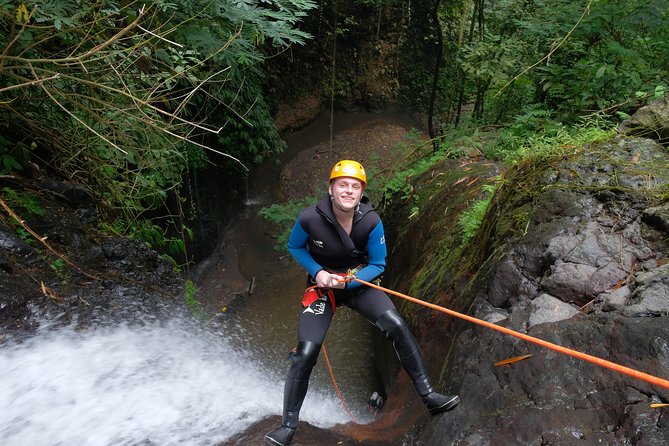
After you finish your descent, you hike back to the base. Then lunch hits—described as big and served with local food. It’s timed to refill you after the physical work and to reset your body before the ride back.
During lunch, the team shares the GoPro footage captured during your descent. That’s a standout value point: you get your photos and videos without paying extra for a download step. There’s a catch, though: USB storage isn’t included. So if you planned to rely on a USB stick, plan differently and use your own device storage.
Why this part is worth noting
A lot of adventure tours offer photos, but the process is often annoying: pay later, download later, or you never get them. Here, the timing is built into the day. You’re fed, you’re resting, and you can review your media while it’s still fresh.
It also means you can fully focus on the activity. If you’re not juggling a camera constantly, you’re less likely to feel distracted at the exact moment you need to pay attention.
Gear and insurance: the practical safety layer
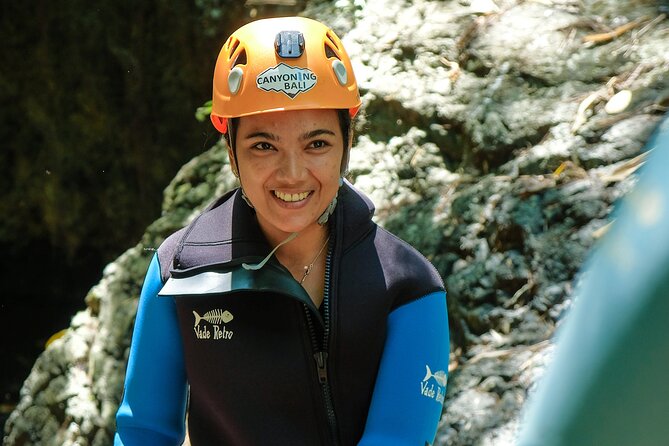
This tour includes canyoning equipment: wetsuit, harness, helmet, and canyoning boots. That’s important because canyoneering footwear and fit aren’t optional details. Slips happen when gear doesn’t match the environment, and the tour handles the outfitting so you’re not improvising with the wrong shoes.
Insurance is also included. The data says insurance is part of the package, which is a comfort factor for an activity that mixes rope, jumps, and water movement.
And remember: the group size is capped at eight travelers. That limit affects more than comfort. With fewer people, the instructor can give clearer attention and manage the line through tricky sections. It’s one of the reasons this sort of trip can feel much safer than a larger group operation.
What to bring (or at least plan for)
You’ll want to be ready for a long day of movement and wet conditions in a wetsuit. The listing only calls out moderate fitness, not clothing specifics, so I’d just keep it simple: plan to follow whatever the guide tells you at pickup, and avoid overpacking.
Price and value in plain terms
The price shown here lists $0.00 per person, which is unusual and may reflect a promo or a site display issue. I can’t assume what your final checkout price will be. Still, even if the real price is something else, the value logic is clear.
You’re paying for:
- Round-trip transfers from any Bali hotel
- A full day schedule (about 11 hours)
- Gear (not a rental you have to handle separately)
- Insurance
- Breakfast snack and coffee/tea, plus lunch
- GoPro photos and videos delivered to your device during lunch
- A cap of max 8 for coaching time
When you add those items up, the cost stops being just “for the descent.” It becomes a managed, safety-first experience with transportation, food, gear, and media included.
If the price on your booking is close to the same deal, it’s worth comparing against other Bali canyoning options that often charge separately for transfers, equipment, or footage access.
Time, weather, and who should choose this intermediate trip
This experience runs with opening hours listed from 7:00 AM to 5:00 PM, and it’s clearly an all-day plan. Plan to commit the day, not just an afternoon. Your day starts with pickup and ends with a return to your hotel, and in between there’s enough hiking and rope work that you’ll feel it later.
Weather matters. The tour requires good weather, and if it’s canceled due to poor conditions, you’ll be offered a different date or a full refund. In canyoning, this isn’t a small point. Rain can change water flow and safety conditions.
As for fit: the trip calls for moderate physical fitness. That means you should be comfortable with a hike approach, the physical effort of moving through the canyon, and staying engaged for most of the day. It also works best if you like coaching and you’re willing to learn technique instead of just trying to copy what you see.
You’ll probably love this if:
- You want jumps, slides, and rappels—not just a scenic walk
- You care about safety instruction before you drop in
- You want GoPro footage without extra hassle
- You prefer hotel pickup over planning a drive
You might skip it if:
- You hate long day activities
- You’re not comfortable with moderate physical effort
- You expect a relaxed, low-skill experience
Should you book Maboya Canyon right now?
If you’re aiming for intermediate canyoning in Bali, Maboya Canyon is a strong choice because it blends thrill with structure. The combination of short training (lanyard, abseil, hand signals), included gear, capped group size (max 8), and footage shared during lunch makes the whole day feel organized instead of improvised.
I’d book if you want an adrenaline day with fewer unknowns. I’d think twice if you’re sensitive to long schedules or you’re unsure about your comfort with a moderate physical level.
One smart move: check your exact pickup time and confirm what you’ll use for storing your footage on your own device, since USB storage isn’t included. Beyond that, this is the kind of Bali activity that gives you a real story, not just a selfie.
FAQ
How long is the Maboya Canyon intermediate tour?
It runs about 11 hours (approx.).
What’s the group size limit?
The tour caps the group at a maximum of 8 travelers.
Is hotel pickup and drop-off included?
Yes. You’ll get round-trip transfers from any Bali hotel.
What meals are included?
A light breakfast (with tea or coffee) and lunch are included, with lunch described as local food.
What gear is provided?
You’re provided canyoning equipment including a wetsuit, harness, helmet, and canyoning boots.
Is insurance included?
Yes, insurance is included.
Do you get GoPro photos and videos?
Yes. GoPro footage (photos and videos) is included and shared to your own device during lunch. USB storage is not included.
What fitness level is recommended?
You should have a moderate physical fitness level. The activity involves hiking and canyon descent moves.