REVIEW · FULL-DAY
Full-Day Private Guided Exploring Bali as You Wish Tour
Book on Viator →Operated by Bali 4U Tours · Bookable on Viator
Pick your Bali day, not a set schedule. This private tour around Ubud lets you build a custom itinerary with your driver-guide, so the morning plans fit your mood, not someone else’s clock.
I like two big things right away: the flexibility to swap stops on the fly, and the driver-guide style that mixes driving with real context about what you’re seeing. In feedback for this program, names like Lemon (safety-first and route-smart), Dastra (culture-forward), Yasmika (insightful and friendly), and Sudi (strong planning with local understanding) come up again and again.
One thing to consider: entry tickets aren’t included, and many chosen stops run about 45 minutes each. If you pile on far-apart places, you can end up spending more time in the car than you expected—your guide can help, but you’ll want to think in zones.
In This Review
- Key Things to Know About Bali as You Wish
- Pick Your Bali Day: How the Custom Itinerary Really Plays Out
- Price and Value: What $31.40 Buys for 10 Hours in Bali
- Starting at 8:30 am from Ubud: Timing That Keeps the Day Enjoyable
- Ubud Culture Hits: Temples, Monkey Forest, Rice Terraces, and Ridge Walks
- Puseh Batuan Temple and the carved-stone vibe
- Barong & Kris dance as your cultural anchor
- Sacred Monkey Forest Sanctuary: fun, but keep your guard up
- Tegalalang Rice Terrace: the postcard stop worth it
- Campuhan Ridge Walk for calm, not crowds
- Ubud markets and food stops for real daily life
- Waterfalls and Elephant Cave: Nature Stops That Need Good Route Planning
- Tegenungan Waterfall: easy access, family-friendly stairs
- Sekumpul Waterfall: more dramatic, expect a bigger effort
- Beji Griya Waterfall: for the days you want something quieter
- Elephant Cave: a temple site with cultural weight
- South Coast Beaches: Seminyak, Canggu, Sanur, Jimbaran, and Sunset Spots
- Seminyak Beach zones: Double Six and the nearby feel
- Canggu: surf energy and black-sand beaches
- Sanur: calmer water for swimming
- Jimbaran Bay: seafood time by the water
- Nusa Dua and Melasti: white sand and beach-club energy
- Devil’s Tears and cliff drama
- Tanah Lot and Uluwatu: temples perched for big sea views
- East Bali and Volcano Country: Jatiluwih, Lempuyang, Tirta Gangga, Mount Batur
- Jatiluwih Green Land: cooler highlands and wide views
- Lempuyang Temple: the Gate of Heaven idea
- Tirta Gangga: water garden with ponds and lawns
- Mount Agung and the volcano scale factor
- Mount Batur and natural hot springs
- Culture, Art, and Entertainment: Galleries, Monuments, and Park Visits
- Garuda Wisnu Kencana and Bajra Sandhi monuments
- Contemporary galleries for a different Bali side
- Museum PASIFIKA and the mask-and-puppet collection
- Waterbom and Samasta Lifestyle Village for a break
- Practical Tips That Make the Day Run Smooth
- Should You Book This Private Bali Tour?
- FAQ
- What time does the tour start?
- Where do you get picked up and dropped off?
- How long is the full-day tour?
- Is the tour admission ticket included for temples and attractions?
- Are meals or drinks included?
- Is this tour private or shared with other groups?
- Can I cancel for a full refund?
Key Things to Know About Bali as You Wish

- It is a choose-your-own-day format: bring ideas, and your driver-guide helps turn them into a workable route.
- English-speaking driver-guide is part of the value: you’re not just chauffeured; you get guidance while you ride.
- Most stops run around 45 minutes: great for a hit of culture, but not ideal for slow, long lingering.
- Admissions are extra at each stop: temples, forests, parks, and attractions usually require separate tickets.
- Pickup is wide, but timing matters: you start at 8:30 am, so plan for an early start if you’re staying outside the core areas.
- You get a private vehicle with basics covered: bottled water, parking fees, and gas are included, which keeps the day simple.
Pick Your Bali Day: How the Custom Itinerary Really Plays Out
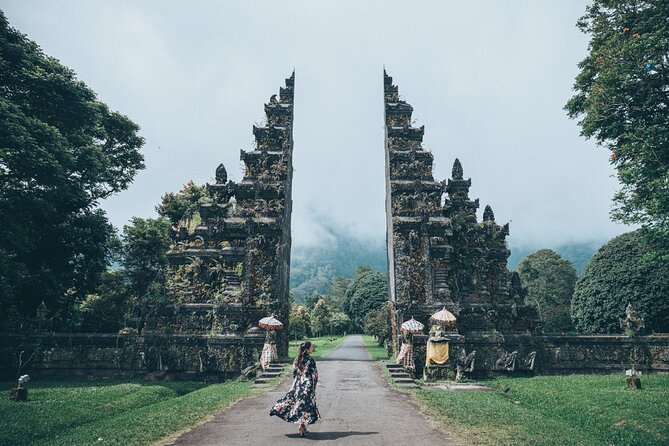
This tour works best when you treat it like a menu. You tell your driver-guide what you care about—temples, waterfalls, rice fields, beaches, shopping, art—and then you align it with time and distance. The payoff is that you’re not trapped by a rigid checklist that ignores your energy level.
The “as you wish” part isn’t just marketing. Since your English-speaking driver also drives, the day tends to flow with fewer handoffs and less confusion. If you change your mind mid-day, you’re not stuck waiting for a new group schedule. You can steer toward something you suddenly feel like doing—especially if your first pick turns out to be too crowded, too hot, or simply not your thing.
There’s also a practical benefit: your guide can help you group nearby stops. Bali traffic and short distances can be weirdly time-consuming. A good plan clusters places so you spend more of the 10-hour window actually at the sights.
You can also read our reviews of more guided tours in Ubud
Price and Value: What $31.40 Buys for 10 Hours in Bali
At around $31.40 per person for a 10-hour private guided day, this is often a strong value—especially compared to piecing together separate tours for transportation plus a guide. You also get a private air-conditioned vehicle, round-trip pickup in several areas, bottled water, parking fees, and gas/petrol.
The “watch your budget” part is admissions and food. Entry tickets are not included, so the total cost depends on what you pick. Same deal for meals: you can buy food and drinks during the day, but you’ll need to budget for it.
If you’re traveling as a solo traveler or as a small group, the private format can feel extra worth it. You’re not waiting for the slowest person, and you’re not stuck with a group pace. If you’re flexible with your choices—especially swapping big-ticket attractions for free viewpoints—you can keep your day affordable while still getting the full Bali experience.
Starting at 8:30 am from Ubud: Timing That Keeps the Day Enjoyable
The tour starts at 8:30 am, and you should plan to be ready in the hotel lobby at your pickup time. An early start helps for two reasons: it cools the day down for walking and viewpoints, and it can reduce the chance of your first stops feeling like a line-management problem.
A useful way to think about your day is this: Bali distances are short on a map, but the island moves slowly. Your driver-guide can handle the route, but your picks still matter. If you want a classic Ubud-to-south-coast day, you might need to choose fewer optional stops and commit to a tighter set of priorities.
Also, many chosen stops are about 45 minutes. That’s plenty for photos and a quick look, but it’s not enough for long museum time or deep spiritual ceremony participation. If you want time for a calmer pace—like a long walk or sitting with a view—pick fewer stops and give yourself slack.
Ubud Culture Hits: Temples, Monkey Forest, Rice Terraces, and Ridge Walks
If you’re basing in Ubud, this kind of day trip is ideal because Ubud is where culture, crafts, and nature are close enough to make sense in a 10-hour block.
Puseh Batuan Temple and the carved-stone vibe
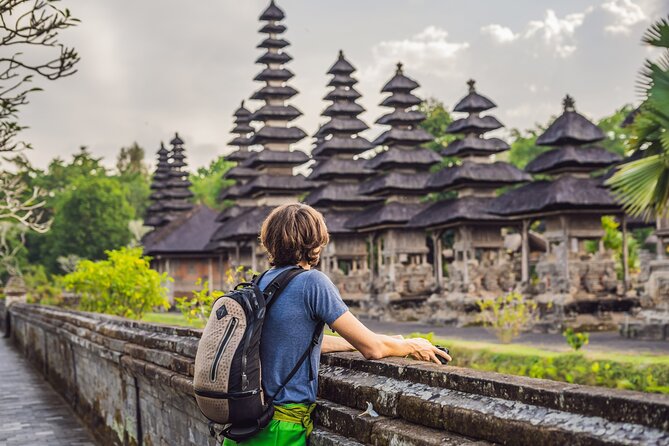
One classic option is Puseh Batuan Temple. It’s an old Hindu temple setting in Ubud with intricate stone carvings. Even if you’re not fluent in the local rituals, you’ll usually appreciate the layout and the way the carvings tell Bali’s story through stonework. The main consideration is that it’s an optional stop—so if you want more time for markets or viewpoints, swap it.
You can also read our reviews of more private tours in Ubud



Barong & Kris dance as your cultural anchor
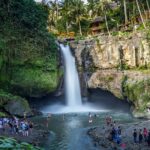
For many people, the Barong & Kris dance becomes the day’s cultural anchor. This dance drama is Bali’s well-known good-versus-evil myth performance. It’s a good choice if you want something you can’t fully get on your own without planning. Because this is an attraction with a set performance time, you’ll want your guide to fit it early enough that you’re not rushing.
Sacred Monkey Forest Sanctuary: fun, but keep your guard up
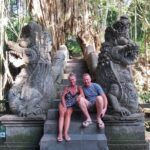
The Sacred Monkey Forest Sanctuary is one of those places that feels like a living film set. You’ll see lots of long-tailed monkeys in a forested area, split into different groups. The key practical thing: act like you’re in their home. Keep bags controlled, don’t encourage attention, and expect monkeys to treat your snacks like they’ve got a return policy.
Tegalalang Rice Terrace: the postcard stop worth it
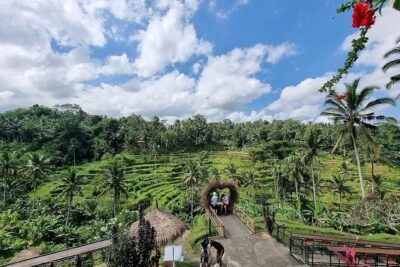
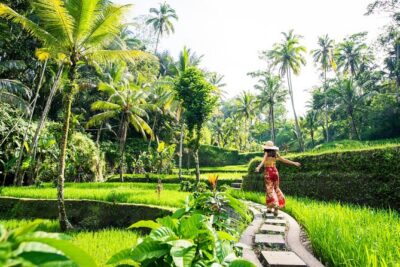
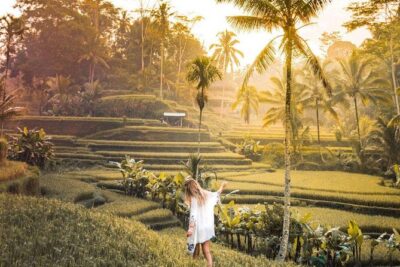
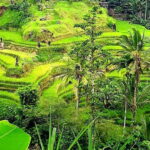
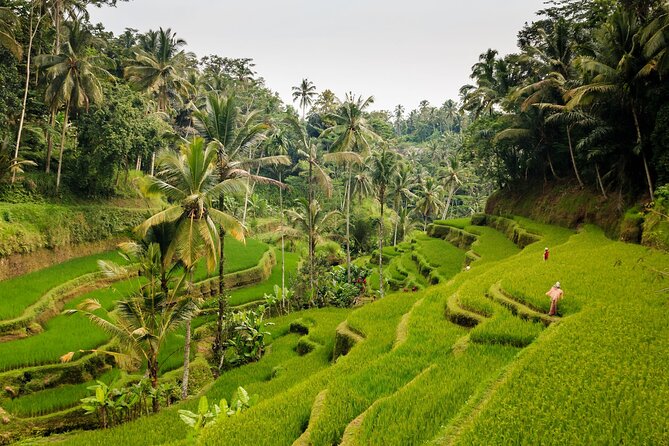
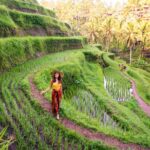
If you want the famous rural photo view, Tegalalang Rice Terrace is a strong bet. Terraced fields dotted with coconut trees look great in morning light, and it’s one of Bali’s easiest “show me the island” choices. The drawback? You can get photo-pressured in high season. Go with a simple plan: a quick walk to the best viewpoints and move on.
Campuhan Ridge Walk for calm, not crowds
For a lighter pace, consider Campuhan Ridge Walk. It’s suited for different fitness levels and offers jungle-like greenery, valleys, trickling water, and a relaxed stroll vibe. If your earlier choices leaned heavily toward temples or animals, this is a nice balance—less “entry ticket energy,” more walking-and-breathing.
Ubud markets and food stops for real daily life
If your day needs local texture beyond major attractions, add market time or food-focused stops like Eat Street. Markets and street food areas are where you’ll see what people actually buy and eat. Build this in early or late depending on heat, and don’t expect it to be a one-stop shopping answer—treat it like sampling and wandering.
Waterfalls and Elephant Cave: Nature Stops That Need Good Route Planning
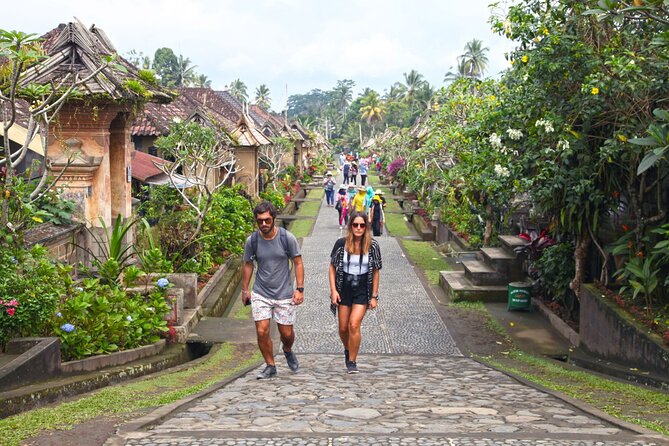
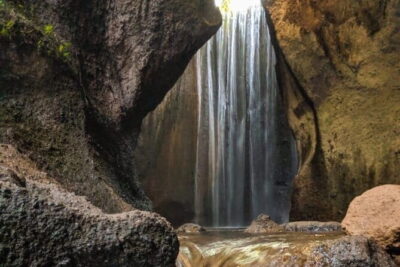
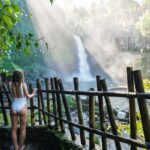
Waterfall time can be gorgeous, but it can also become a time sink if your route picks fight each other. The trick is selecting one or two waterfall moments and pairing them with nearby options.
Tegenungan Waterfall: easy access, family-friendly stairs
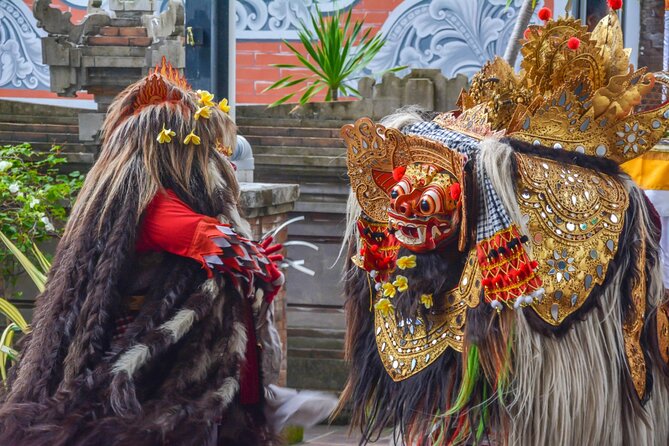
Tegenungan Waterfall is the type of stop that works for many ages. You get a viewpoint from a distance, then it’s a short walk down concrete steps. That matters in Bali, where some waterfalls can be difficult for shoes, humidity, and uneven paths. If you want a straightforward nature photo and a quick refresh, this is a practical pick.
Sekumpul Waterfall: more dramatic, expect a bigger effort
Sekumpul Waterfall is a cluster of multiple narrow cascades in a green, bamboo-forested valley. This one can feel more “wow” than the quick viewpoint stops, but it also tends to ask more from your legs. If you’ve already planned a full temple-and-beach mix, you might not want to add this unless your guide is carefully spacing time.
Beji Griya Waterfall: for the days you want something quieter
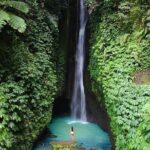
Beji Griya Waterfall is described as a hidden waterfall with spiritual and natural beauty. If you prefer less obvious crowds and more “nature plus calm,” this kind of stop can fit well. The big practical point is weather: waterfalls depend on conditions, so keep expectations flexible.
Elephant Cave: a temple site with cultural weight
Elephant Cave is a sacred temple area with cultural and archaeological importance. It’s not only a nature stop—it’s also about heritage. The main “consideration” is time: you’ll need to balance it with other cultural stops so you don’t end up doing a rushed walk-through of everything.
South Coast Beaches: Seminyak, Canggu, Sanur, Jimbaran, and Sunset Spots
Bali’s south coast is a mood switch. If Ubud feels like forest and ritual, the south coast is often about sea air, beach cafes, and sunset viewing.
Seminyak Beach zones: Double Six and the nearby feel
If you want a classic south-coast scene, Pantai Double Six is a great sunset stroll option. It’s popular, so the vibe can be lively near peak hours. Still, if you’re aiming for the classic Bali evening photos and a relaxed beach walk, it fits.
Canggu: surf energy and black-sand beaches
Pantai Canggu and Berawa Beach are both strong picks if you want black-sand beach energy and a more surf-oriented feel. Expect beach infrastructure like sunbeds and parasols in some areas, which makes it easier to stay comfortable. If you’d rather keep it laid-back, you can also pair Canggu with a short walk and then head toward food instead of spending hours.
Sanur: calmer water for swimming
Sanur Beach is described as Bali’s best for swimming because it typically has hardly any waves and crystal-clear water. If your group includes swimmers or kids, this option makes planning easier. It’s less about dramatic cliff views and more about comfortable sea time.
Jimbaran Bay: seafood time by the water
Jimbaran Bay is known for seafood restaurants and golden sands with limestone cliffs nearby. If you want a practical dinner plan built into the day, this kind of coastal stop makes sense. You can pair beach time with eating without needing a big extra commute.
Nusa Dua and Melasti: white sand and beach-club energy
Nusa Dua Beach is a white-sand choice with options for water activities like snorkeling and parasailing. Pantai Melasti Ungasan is also popular, especially for prewedding photos and beach-club style scenes. If you don’t want crowds, go at a time your guide recommends or keep your beach visit shorter.
Devil’s Tears and cliff drama
Devil’s Tears brings the ocean drama: waves smash into a limestone niche, producing a loud, thundering swash. It’s more spectacle than swim spot. That makes it a good “photo and watch” stop that doesn’t require long walking.
Tanah Lot and Uluwatu: temples perched for big sea views
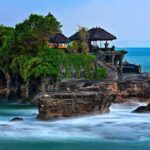
If you want iconic Bali scenery, consider Tanah Lot Temple and Uluwatu Temple. Tanah Lot is famous for its offshore setting and sunset backdrops. Uluwatu Temple is perched on a steep cliff around 70 meters above sea level. Both are spiritual sites, so dress thoughtfully and be ready for the practical reality of temple-visitor crowds.
East Bali and Volcano Country: Jatiluwih, Lempuyang, Tirta Gangga, Mount Batur
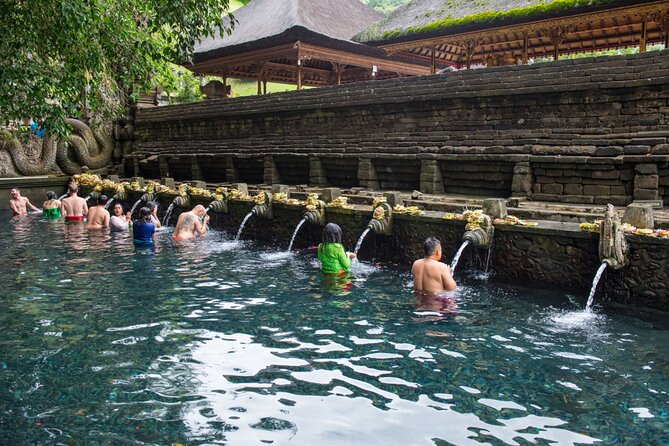
For many first-timers, the East Bali options are where the island starts to feel epic. But they also take time, so they work best if your driver clusters them wisely.
Jatiluwih Green Land: cooler highlands and wide views
Jatiluwih Green Land is a cultural heritage site with cool highland scenery and strong photo opportunities. If you want fresh air and broad panorama moments, this is a good pick. The practical downside is travel time—so you’ll want to choose whether you’re prioritizing nature views or south-coast beaches that day.
Lempuyang Temple: the Gate of Heaven idea
Lempuyang Temple, called the Gates of Heaven Bali, is known as a heavily Instagrammed temple. It’s described as best early morning or late afternoon to avoid crowds. That’s a huge planning clue: you’re trading comfort for fewer people in the view areas.
Tirta Gangga: water garden with ponds and lawns
Tirta Gangga is a water garden with pools, ponds, fountains, and neatly cut lawns plus stepping stones and statues. It’s a great break from purely rugged nature. If you’re tired of stairs or uneven paths elsewhere, this is often a calmer “walk and look” option.
Mount Agung and the volcano scale factor
Mount Agung is the highest mountain in Bali at about 3,142 meters, and it’s active. The tour frames it as an epic adventure up the holy mountain. If your group is sensitive about steep climbs or altitude-like discomfort, you’ll want to decide how close you actually want to get.
Mount Batur and natural hot springs
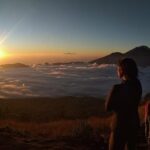
Mount Batur is an active volcano in Kintamani. If you want sunrise, the best time is early morning; otherwise, lunchtime is mentioned as a workable option. And if you want recovery time after volcanic views, Batur Natural Hotspring is described as a long lake-front hot spring pool with mountain surroundings. This is the kind of add-on that turns a sightseeing day into a “my body feels better after” day.
Culture, Art, and Entertainment: Galleries, Monuments, and Park Visits
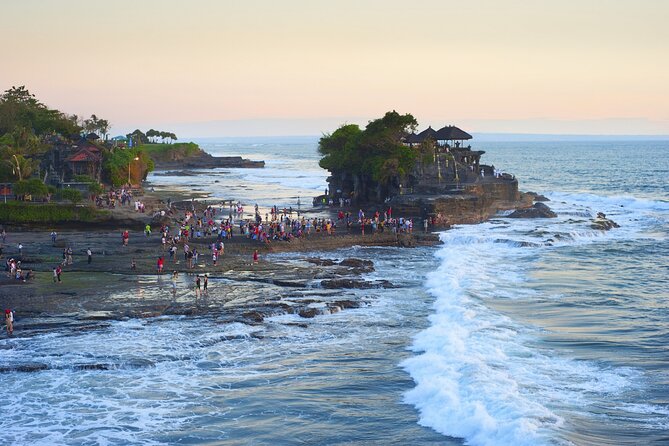
Some days you want variety. That’s where the art and cultural stops shine.
Garuda Wisnu Kencana and Bajra Sandhi monuments
Garuda Wisnu Kencana Cultural Park focuses on a major monument dedicated to Bali’s art, cultural, and spiritual aspects. Bajra Sandhi Monument is another historical stop with many carvings and architectural symbolism. These are good choices when you want impressive scale without too much walking.
Contemporary galleries for a different Bali side
If you want art beyond temples, look at galleries like Nyaman Gallery (international contemporary art with emerging Bali-based artists) and Purpa Fine Art Gallery Seminyak or Nacivet Art Gallery Seminyak. Art stops work nicely mid-day when the sun is high and you need indoor time.
Museum PASIFIKA and the mask-and-puppet collection
Museum PASIFIKA covers Asian Pacific cultural artifacts, and Setia Darma House of Mask and Puppets is a collection-based museum. These are a helpful contrast to outdoor stops and a good way to make the day feel more rounded.
Waterbom and Samasta Lifestyle Village for a break
If your schedule includes family time or you want pure fun, Waterbom Bali is a popular water park with rides, food options, and a swim-up bar. For a slower, stroll-style break, Samasta Lifestyle Village is described as tropical design with an open-air feel and lots of Instagrammable spots.
Practical Tips That Make the Day Run Smooth
A few small choices can protect your energy and keep the day from feeling frantic.
- Pick your zone strategy: try not to do a Ubud temple day and then a far-north nature day on the same clock. Your guide can manage the road, but your goals still need smart clustering.
- Bring swim gear if you might hit a beach early: your plan is flexible, and having basic swim-ready clothes helps.
- Carry cash for admissions and snacks: since entry fees and food aren’t included, you’ll be happier if you’re not scrambling.
- Wear temple-friendly clothing when stops include religious sites: cover shoulders and knees, and bring a light layer for comfort.
- Time your bigger-ticket view moments: for places noted as crowd-sensitive, go early or late as your guide recommends.
Also, good service matters here. The program’s feedback highlights drivers who arrive on time, drive safely, and give solid route advice. If you get Lemon, for example, the emphasis is on safety and helpful suggestions. If you get Dastra, the emphasis is on cultural context. If you get Yasmika or Sudi, expect friendly guidance and day planning that matches your interests.
Should You Book This Private Bali Tour?
Book it if you want a private, English-speaking day in Bali where you choose what matters most—temples, waterfalls, rice terraces, beaches, markets, art, or a mix. This is especially good for solo travelers who want flexibility, couples who want a paced day without group pressure, and families who want a driver to adjust the plan to what kids can handle.
Skip it or pick fewer stops if you hate planning and want a totally fixed route, or if you’re the type who needs long sit-down time at every place. The 45-minute stop structure works best when you choose carefully and let your driver-guide shape the day into a route that makes sense.
If your goal is to feel like you owned your day in Bali—without the stress of getting from place to place yourself—this format is a strong match.
FAQ
What time does the tour start?
The tour start time is 8:30 am.
Where do you get picked up and dropped off?
Pickup & drop-off is offered in Sanur, Ubud, Kuta/Legian, Seminyak, Canggu, Jimbaran, Nusa Dua, Benoa, and Denpasar.
How long is the full-day tour?
It runs for about 10 hours.
Is the tour admission ticket included for temples and attractions?
No. Entry/admission fees are not included. Each stop that requires a ticket is listed as optional and you’ll pay admission separately.
Are meals or drinks included?
Food and drink are not included. You can purchase meals and drinks during the tour.
Is this tour private or shared with other groups?
This is a private tour/activity, so only your group participates.
Can I cancel for a full refund?
Yes. You can cancel up to 24 hours in advance for a full refund.