A vintage VW convertible in Ubud changes the mood fast. This full-day loop mixes major sights (rice terraces, a waterfall, a temple) with Balinese culture stops, all with a professional driver and enough flexibility to match your pace. Just know one real downside: in bad weather, open-air comfort and sightseeing can take a hit.
What I like most is the balance: you’re not only ticking off landmarks, you’re also stopping at craft and culture places like Celuk Village and the holy spring temple at Tirta Empul. I also like the small touches people talk about, like drivers who share context and take strong photos—names you may see mentioned include Toke, Made, and Putu. The possible drawback is comfort can vary by vehicle condition, and rain can reduce what you can see (and what you can do), especially at the waterfall and rice terraces.
If you’re the type who enjoys moving around with no stress—shade down when you need it, and a driver doing the driving—you’ll likely love this day. If you’re very sensitive to car comfort or you’re traveling on a rainy day, keep expectations realistic.
In This Review
- Key reasons this Ubud VW day is worth your time
- Riding a classic convertible through Ubud’s back roads
- Your day plan: dance, art villages, waterfall, and temple
- Barong & Kris Dance: what the performance is actually showing
- Celuk Village: silver jewelry and craft villages in motion
- Tegenungan Waterfall: quick trek, potential swim, and weather reality
- Tirta Empul Temple: holy spring water and the sarong requirement
- Tegalalang Rice Terraces: subak views and a classic Ubud photo stop
- Comfort, timing, and weather in an open-air VW
- Price and value: what $50 covers (and what it doesn’t)
- Who should book this Ubud VW tour
- Should you book this tour or skip it?
- FAQ
- How long is the tour in Ubud?
- What does the $50 price include?
- What is not included in the tour price?
- Is this tour private?
- Which places does the itinerary include?
- Do I need to bring a sarong for Tirta Empul?
- What happens if the weather is bad?
Key reasons this Ubud VW day is worth your time
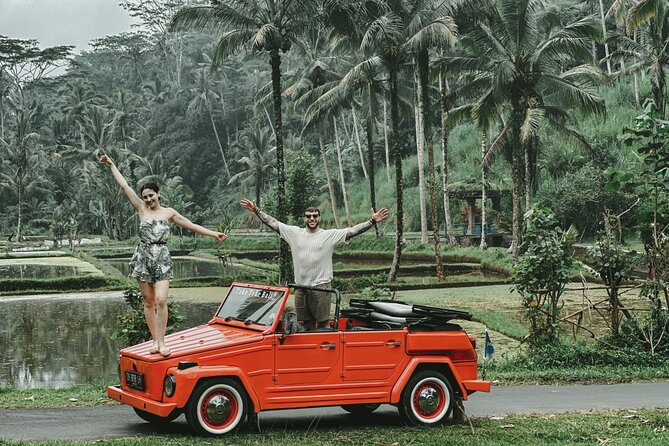
- Open-air vintage VW vibe: a classic ride that makes Ubud feel less like a checklist and more like a slow scenic drive
- Culture-first stops: a Barong & Kris dance performance plus Tirta Empul’s holy spring temple
- Craft break in Celuk Village: silver jewelry and other nearby art traditions (often coordinated along the way)
- Tegenungan Waterfall + Tegalalang Rice Terraces: two of the most photogenic nature stops near Ubud
- Private, personalized pacing: it’s only your group, and you can adjust the day to your expectations
Riding a classic convertible through Ubud’s back roads

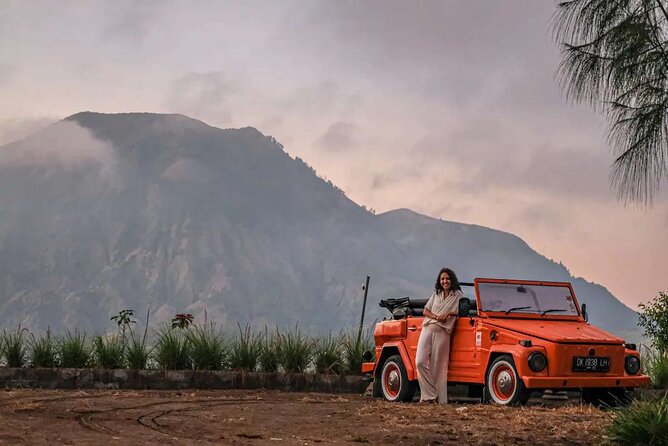
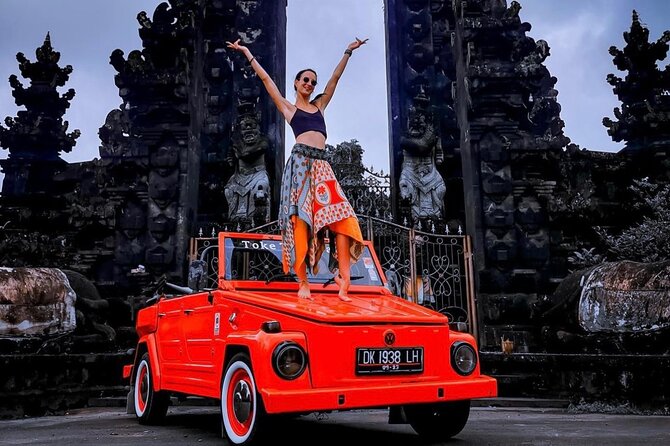
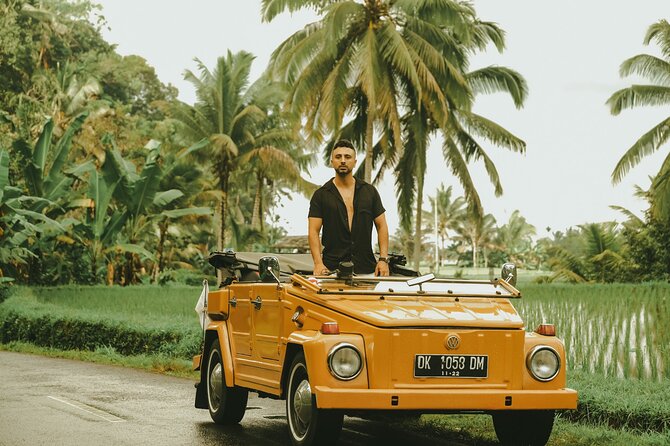
This is the kind of tour that turns transit into part of the experience. Instead of being sealed into an air-conditioned bubble, you’re in an open-air vintage Volkswagen convertible with a professional driver at the wheel. That matters because Ubud is all about roads that twist and slow down—small villages, greenery, and sudden viewpoints. From the start, the vibe is relaxed.
You’re also not stuck with an overly rigid schedule. The day is designed as a full tour, but it’s described as fully personalized, so you should be able to match your pace—whether you want more time to look closely at the rice terrace views or keep things moving.
One practical thing to expect: in sun, the convertible feels great. In wind or rain, it can feel less great. The tour description calls out “good weather” as the requirement, and one of the biggest reasons people get cranky is when rain interrupts the day.
You can also read our reviews of more tours and experiences in Ubud.



Your day plan: dance, art villages, waterfall, and temple
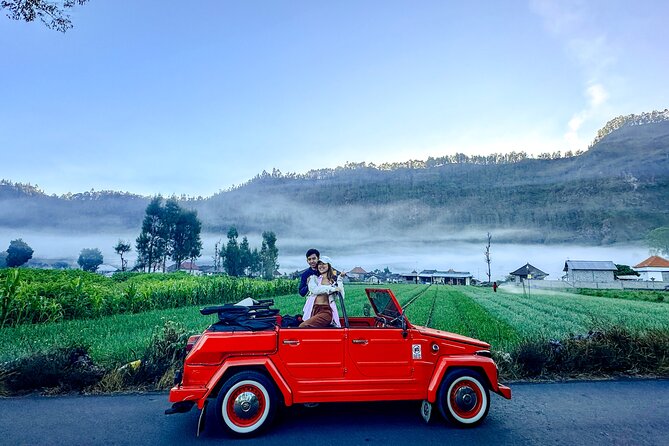
Your day is built around five main stops, spread over about 8 hours (approx.). That’s enough time to see a proper sample of what Ubud is known for—performing arts, craft work, and sacred plus scenic sites—without it feeling like you’re rushing every minute.
Here’s the basic flow:
- Barong & Kris Dance (about 2 hours)
- Celuk Village art stop (about 1 hour)
- Tegenungan Waterfall (about 1 hour)
- Tirta Empul Temple (about 1 hour)
- Tegalalang Rice Terraces (about 1 hour)
Two notes that help you plan:
- Entrance tickets and lunch are not included, so budget for those separately.
- Pickup is offered, but pickup outside Ubud area isn’t included, so you’ll want to confirm you’re starting from within the Ubud area.
Barong & Kris Dance: what the performance is actually showing
The first stop is the Barong & Kris Dance, scheduled for about 2 hours with admission not included. This dance is a traditional Balinese performance, and the story matters. You’re not just watching costumes—you’re seeing a mythological battle theme played out through movement.
The core idea is that Barong is the king of spirits, and the performance connects to the idea of supernatural forces protecting humans. You’ll typically also notice the Kris elements (the ceremonial dagger) as part of that dramatic storytelling.
Why this stop works on a full-day tour: it gives you a cultural anchor early. After you watch the performance, the rest of the day makes more sense. You’re heading into villages and temples where beliefs and symbolism show up in daily life.
Potential drawback: if you’re hoping for a quick, casual cultural peek, this is the longest single block. Two hours can be perfect for anyone who enjoys performances; if you’d rather minimize sit-down time, it’s worth knowing that the dance is a key early pillar of the day.
Celuk Village: silver jewelry and craft villages in motion
Next is Celuk Village, about 1 hour, again with admission not included. Celuk is known for fine silver jewelry, and this stop also acts like a launching point for other craft traditions you might see along the route.
In the tour plan, you’ll also hear about nearby art-village styles, such as:
- Batubulan Village for batik
- Mas Village for fine wood carving
That’s useful because it explains what you’re looking at. Instead of wandering randomly through shops, you’ll have a clearer sense of why certain crafts look the way they do—and what each village specializes in.
What I like here: craft stops are one of the best ways to understand local creativity without needing a formal class. Even if you don’t buy anything, it helps you recognize techniques and materials at a glance.
Possible consideration: 1 hour can feel short if you want to shop slowly or ask lots of questions. If shopping is a big priority, ask your driver how much time you can realistically spend at each craft area.
Tegenungan Waterfall: quick trek, potential swim, and weather reality

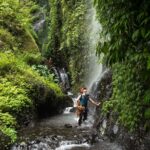
Then you’re heading to Tegenungan Waterfall, about 1 hour. This is described as one of the biggest and most famous waterfalls in Bali, and the plan includes time for a little trek and the option to swim.
That “option to swim” is the part that matters most to understand. When conditions are good, it sounds like a fun, active nature break. When conditions are poor—especially with rain—your experience can shift fast. One common issue is that the scenery you want to see can be muted by weather, and getting in the water may be less comfortable or less practical.
How to make this stop work for you:
- If you want photos, plan to arrive with flexible timing and a backup mindset for clouds or mist.
- Wear shoes that work for uneven ground, especially if you do the little trek.
Even with weather challenges, a waterfall stop can still be satisfying because you’re getting the sight, the sound, and the fresh air. Just don’t expect the same crisp “wow” factor when rain is heavy.



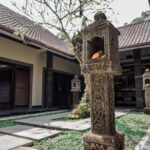
Tirta Empul Temple: holy spring water and the sarong requirement
After nature, you’ll step into something sacred at Tirta Empul Temple, about 1 hour. This is described as a holy spring water temple complex and it can take at least 30 minutes to an hour to explore the site.
A practical rule you’ll need to follow: you must put on a sarong before entering. That’s a real detail, and it’s the kind of thing that can slow you down if you’re unprepared.
Why this temple stop matters on your day:
- It breaks up the sightseeing rhythm with something grounded in ritual and respect.
- It gives you a clear context for why places in Bali are treated with care and rules.
Potential drawback: temple exploration takes time to do properly. One hour is usually enough to see the main areas, but if you want deeper reading or lots of questions, you’ll want your driver to help you pace the visit.
Tegalalang Rice Terraces: subak views and a classic Ubud photo stop

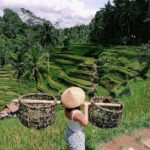
The final major nature stop is Tegalalang Rice Terraces, about 1 hour. These rice paddies are located close to Ubud and are famous for their terraced layout. You’ll also hear about the traditional Balinese irrigation system called subak.
This stop is popular for a reason. The terraces create layered views, and the subak system connects farming to shared community management. That means you’re not just looking at scenery—you’re seeing a working landscape shaped by tradition.
How to get the most from your hour:
- Move slowly and choose a viewpoint before you start snapping photos.
- If it’s raining, plan for slick paths and consider how much time you really want to spend walking around.
If your day turns gray, rice terraces can still be beautiful, but you may miss that sharp contrast people love in clear weather. That circles back to why the tour emphasizes good weather.
Comfort, timing, and weather in an open-air VW
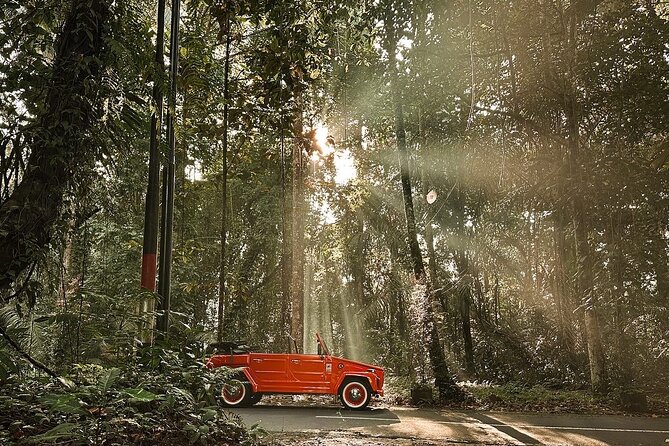
This tour rides on three comfort variables: the convertible style, the weather, and the condition of the vehicle you’re assigned.
The positive side is obvious: sitting in the sunshine with the shade down is a memorable way to see Ubud. Feedback also highlights that the driver’s knowledge and photo-taking can make the ride feel extra fun and easy.
The honest side is that comfort isn’t guaranteed in every situation. One negative note focused on vehicle comfort and smell (gasoline odor) and described a rough ride. That’s not something you can predict perfectly ahead of time, but it’s worth bringing up with your operator if you have strong preferences.
Weather is the big one. The tour requires good weather, and when it’s rainy, you may lose the crispness of the views—and the waterfall and rice terrace experience can shift. If you book near the rainy season, you’re rolling the dice. If you want maximum photo results, you’ll usually be happier booking a forecast-friendly day.
Price and value: what $50 covers (and what it doesn’t)
At $50 for a full-day experience, the value depends on how you look at it. This price includes:
- Private transportation
- Bottled water
- Parking fees
- A professional driver
What’s not included:
- Lunch
- Entrance tickets
- Pickup outside the Ubud area
So you’re paying mainly for the ride, driver, and logistics—especially important because it’s a one-day loop with multiple separate stops. Entrance tickets and lunch are extras, but they’re also the parts you can control. If you budget for them, the overall day still feels like a solid deal for a private, pro-driven route.
Also, the tour mentions group discounts and a mobile ticket, which can help if you’re booking with friends. But even as a private activity, the best value comes when your group actually uses the time well—meaning you’re ready to enjoy the ride, sit through the dance segment, and spend time at the waterfall, temple, and terraces.
Who should book this Ubud VW tour
This is a strong fit if you:
- Want a private full day with a pro driver handling transportation
- Like the idea of a classic convertible for scenic drives
- Enjoy a mix of culture and landmarks (dance + temple + nature)
- Prefer a day that can adapt to your expectations
It might be a tougher fit if you:
- Have very specific comfort needs (vehicle condition can matter with a convertible)
- Are traveling with limited patience for rain-related changes
- Don’t want to pay separate entrance fees or want lunch included in the price
If you’re doing Ubud for the first time and you want a concentrated sampler of the area, this itinerary is a practical way to cover a lot without car-hunting.
Should you book this tour or skip it?
I’d book it if you’re aiming for a relaxed, well-paced day built around key Ubud highlights—especially if you like the romance of a vintage VW and you’re happy to add lunch and entrance tickets to your budget.
I’d pause and ask more questions before booking if you’re highly sensitive to comfort, or if your schedule puts you in the middle of a likely rainy stretch. In that case, the experience can still be worthwhile, but your best expectations are “flexible day” expectations, not “perfect weather photo shoot” expectations.
If you’re flexible, you’ll get the best version of this day: a driver who can explain what you’re seeing, a classic ride that makes the route feel special, and a route that covers dance, craft, waterfall, temple, and rice terraces in one smooth sweep.
FAQ
How long is the tour in Ubud?
The tour lasts about 8 hours (approx.).
What does the $50 price include?
It includes private transportation, bottled water, parking fees, and a professional driver.
What is not included in the tour price?
Lunch and entrance tickets are not included. Pickup outside the Ubud area is also not included.
Is this tour private?
Yes. It’s a private tour/activity, so only your group participates.
Which places does the itinerary include?
The day includes Barong & Kris Dance, Celuk Village, Tegenungan Waterfall, Tirta Empul Temple, and Tegalalang Rice Terraces.
Do I need to bring a sarong for Tirta Empul?
You’ll need to put on a sarong before entering Tirta Empul Temple.
What happens if the weather is bad?
This experience requires good weather. If it’s canceled due to poor weather, you’ll be offered a different date or a full refund.