REVIEW · COFFEE EXPERIENCES
coconut wine and coffee safary tour
Book on Viator →Operated by ubud fun day trip · Bookable on Viator
Coconut wine meets coffee in Ubud. This short private guide safari pairs a traditional coffee tasting with the more surprising story of coconut wine made from live palm harvesting. You get hotel pickup, drop-off, and enough samples to actually compare flavors, not just sip once and move on.
What I like most is how hands-on it feels at Uma Pakel Agro Tourism, where coffee and tea are processed the traditional way and you taste in a lush jungle setting. I also like the second stop at Bresela, where you walk into rice fields and see how tuak is made by a coconut farmer who climbs up to harvest. The main consideration: that rice-field walk can mean soft, water-logged ground, so you’ll want decent shoes and a little balance.
In This Review
- Key things to know before you go
- A 3:00 pm coffee and coconut wine plan in Ubud
- Stop 1 at Uma Pakel Agro Tourism: hand-processed coffee and tea in the jungle
- How to taste smarter on a coffee safari
- Stop 2 at Bresela: walking rice fields for tuak and coconut wine making
- Why the guide matters: what you can expect from Oka, Wayan, and Keris
- Price and value: what $69 buys you in real terms
- What to wear and bring for the rice-field part
- Who this coconut wine and coffee safari is best for
- Who should think twice
- Should you book this coffee and coconut wine safari?
- FAQ
- Where does this tour take place?
- How long is the coconut wine and coffee safari?
- What time does the tour start?
- Is hotel pickup and drop-off included?
- What about tickets for the two stops?
- What is the weather rule for this experience?
Key things to know before you go
- Private guide with real attention: you’ll get help keeping the tasting organized and making sense of what you see.
- Uma Pakel Agro Tourism coffee process: hand processing and tastings of coffee and tea in a traditional setting.
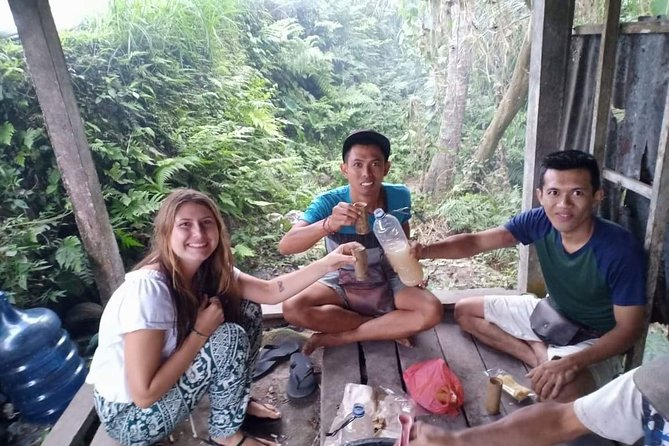
- Bresela tuak experience in the rice fields: learn coconut wine basics in a local bar-like setting among farmers.
- A short hike through soft ground: plan for uneven, sometimes water-logged earth in the rice-area path.
- Pickup and drop-off included: no awkward meeting points, and the tour fits neatly into an afternoon.
A 3:00 pm coffee and coconut wine plan in Ubud
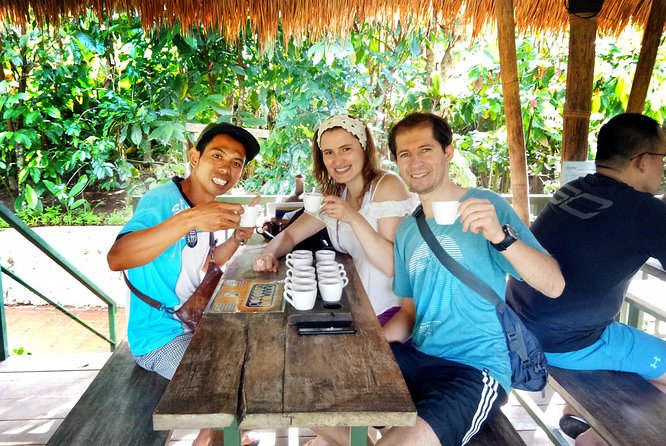
This tour runs in the afternoon, starting at 3:00 pm and lasting about 3 hours 30 minutes. Because it’s private, it’s just you and your group, not a big shared bus crowd. It also comes with hotel pickup and drop-off, so you don’t need to figure out how to get yourself to the countryside.
You’ll receive a mobile ticket, and the experience is designed so most people can join. One practical note: it needs good weather. If rain disrupts the route, you’ll be offered a different date or a full refund.
If your Ubud schedule is tight, this is a nice length. You’re getting two very different tastings—coffee and coconut wine—without turning the day into a long trek across the island.
You can also read our reviews of more tours and experiences in Ubud.


Stop 1 at Uma Pakel Agro Tourism: hand-processed coffee and tea in the jungle
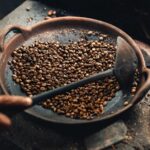
Your first stop is Uma Pakel Agro Tourism, a place built around coffee production you can actually see. The process is done by hand in a traditional way, and the vibe is very much “watch the work, then taste the result.” Even if you’re not a coffee nerd, it helps you understand why some coffees cost more and taste different.
Here’s what you should expect from the tasting side:
- You’ll try coffees and teas while surrounded by lush jungle scenery.
- Admission is included for this part of the tour.
- In one example, the tasting included three free coffees, with the option to buy more if you find a favorite.
This stop is where you’ll get the most structured intro. Coffee can be vague when it’s just a cup. Here, the guide can point you toward what changes during processing and why those differences matter when you’re tasting.
If you’re into souvenirs, this is also typically where extra purchases might happen, because you’ll have a chance to find something you genuinely like—not just a random bag someone sells near the entrance.
How to taste smarter on a coffee safari
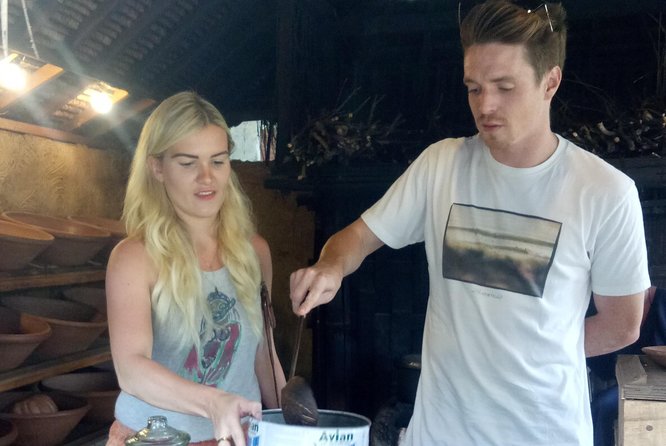
This kind of tour works best when you slow down just a bit. Instead of treating the sampling like a quick checklist, you’ll get more out of it if you compare one thing at a time.
I suggest you do this:
- Pick one coffee first, then compare the next one immediately after.
- Ask your guide to explain what you’re noticing, even if it sounds basic. The point is to connect aroma and taste to the process you just saw.
- If tea is offered alongside coffee, treat it as a reset. The flavors can help you understand how sweet, bitter, or roasted notes shift across drinks.
The “value” of a guided tasting isn’t fancy language. It’s that you’re tasting with context. When someone helps you connect the dots—processing to flavor—you stop guessing and start enjoying.
Stop 2 at Bresela: walking rice fields for tuak and coconut wine making
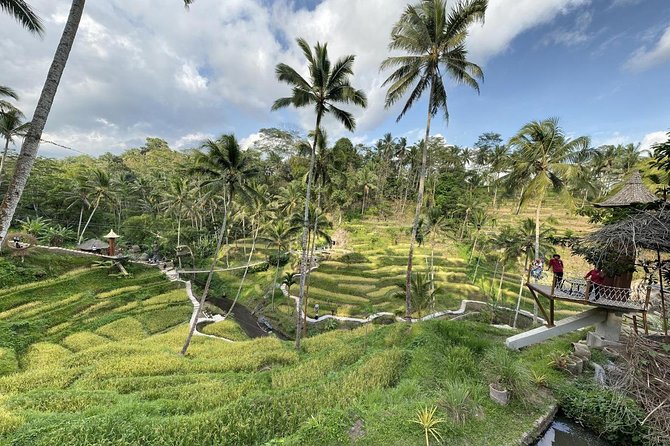
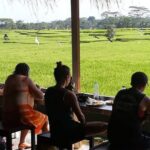
The second part takes you toward Bresela, described as a local bar setting in the middle of rice fields. The idea is less about a polished tasting room and more about sharing the experience with the local community and farmers around you. This is where you’ll spend about an hour, and this stop has admission free.
The coconut wine story here centers on tuak—coconut wine made from the palm. You’ll see how it’s prepared, and you’ll hear how harvesting is done by an expert farmer who’s up in the tree to collect the sap.
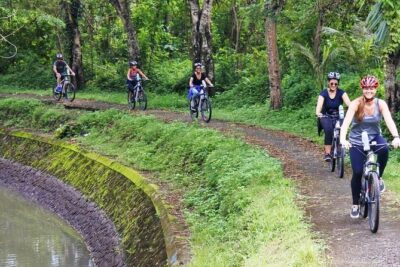
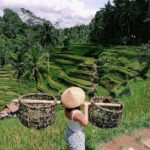
Then comes the “how do I put this” part: you’ll walk into the rice farming area. It’s not described as a giant mountain hike, but the path can be tricky. One clear consideration is that the ground can be soft and water-logged, so you’ll want to wear shoes that handle wet soil. If you’re not steady on uneven ground, this portion can feel tougher than the timetable suggests.
Also, think about insects. A rice-field walk in Bali usually means you’ll want bug spray, and long-ish coverage for legs helps.
This stop is unique because the tasting is tied directly to a living place, not just a demo. You’re in the environment where the products come from.
Why the guide matters: what you can expect from Oka, Wayan, and Keris
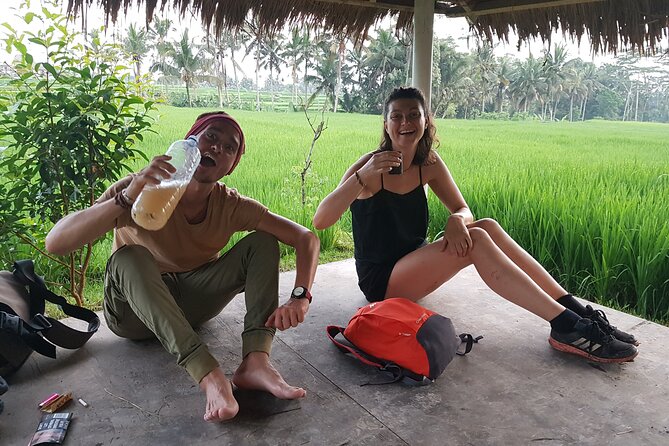
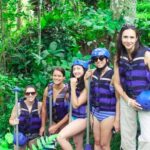
On a food-and-farm tour like this, the guide is the difference between sampling and understanding. The tours are set up for a private experience, which means you’re not stuck listening while everyone else asks the same two questions.
You may meet guides like Oka or Wayan—names that came up in real experiences—who are described as:
- Professional and knowledgeable in the process, with clear explanations for what you’re seeing.
- Fun and easygoing, with enough enthusiasm to keep the pace light even when you’re walking through rice fields.
You might also be met by Keris (and in at least one case, his brother was involved), known for being helpful and communicative. That matters because it sets expectations early: when to be ready for pickup, what to wear, and what to focus on at each stop.
Bottom line: you’re not just paying for tastings. You’re paying for someone to translate the farming and food steps into something you can remember.
You can also read our reviews of more tours and experiences in Ubud
Price and value: what $69 buys you in real terms
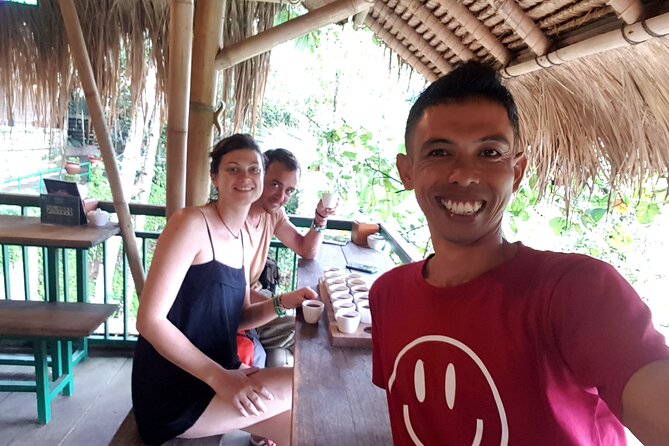
At $69 for about 3.5 hours, you’re paying for a private setup, pickup/drop-off, and a guided tasting across two locations.
Here’s where the value shows up:
- Transport convenience: pickup means you’re not hunting for meeting points or figuring out remote roads.
- Admission included at Stop 1: entry is part of the Uma Pakel Agro Tourism portion.
- Stop 2 is admission free: that second tasting walk isn’t adding extra ticket costs on top.
- You get guidance at both places: the tastings are more meaningful because you’re guided through what you’re tasting and why.
What the price doesn’t automatically guarantee is that you won’t spend extra. If you fall in love with a coffee you taste, you’ll likely have the option to purchase more on-site. That’s not a bad thing—it’s just better to know it’s possible.
What to wear and bring for the rice-field part
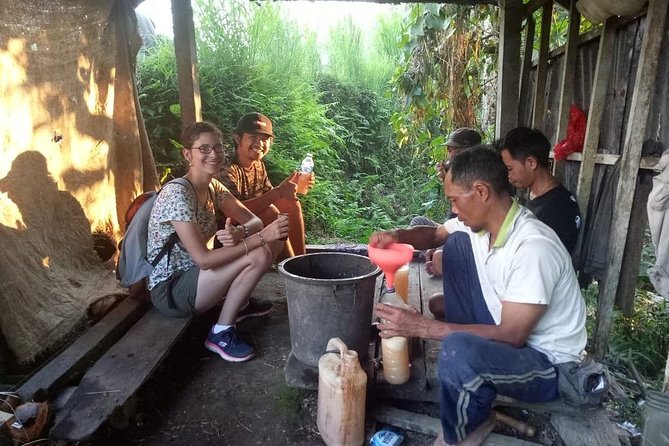
This tour is short, but your comfort will decide whether you enjoy it or rush through it.
For the coffee jungle stop, you’ll be walking around a tourism area and tasting in a lush setting. For the coconut wine stop, the rice-field path is the tricky part.
Bring:
- Bug spray, especially for the rice-field walk.
- Shoes with grip. If you’re going in dry seasons, it’s one thing; when it’s wet, it’s another.
- A light layer for late afternoon air. Bali evenings can feel cooler once you’re outside.
If you wear sandals, you’ll be playing roulette with wet soil and uneven steps. Closed-toe shoes are the safer bet.
Who this coconut wine and coffee safari is best for

You’ll likely enjoy this tour if you:
- Want a short, structured afternoon activity in Ubud.
- Like food experiences that connect to how products are actually made.
- Are curious about Bali’s coffee world and the coconut wine/tuak side.
- Prefer private guiding instead of a group scramble.
It’s also a solid pick if you’re the type who enjoys off-the-beaten-path places more than big-ticket attractions. This stays grounded in working landscapes—coffee processing on one side, rice fields and local farming on the other.
Who should think twice
Be cautious if:
- You have balance issues or really dislike walking on soft, uneven ground.
- You’re not okay with the idea of tasting coconut wine/tuak. The second stop is built around it, even though you’ll still get the cultural farming context.
If you’re somewhere in the middle—okay with walking but worried about footing—then good shoes and bug spray solve most issues.
Should you book this coffee and coconut wine safari?
Book it if you want an easy way to taste two big Bali flavors in a short window, with pickup and a guide who can connect the process to what you’re drinking. The best reason is the combination: a traditional hand-processed coffee experience paired with a rice-field tuak moment that feels local rather than staged.
Skip or reconsider if you’re not comfortable walking through potentially soft, water-logged rice paths. If that part scares you, the tour may feel less relaxing than it sounds on paper.
If you choose the right footwear, bring insect spray, and go in with a curious mindset, this is exactly the kind of Ubud afternoon that turns into a story.
FAQ
Where does this tour take place?
It takes place in Ubud, Indonesia.
How long is the coconut wine and coffee safari?
The duration is approximately 3 hours 30 minutes.
What time does the tour start?
The start time is 3:00 pm.
Is hotel pickup and drop-off included?
Yes. Hotel pickup and drop-off are included, so you don’t need to find a meeting point.
What about tickets for the two stops?
Uma Pakel Agro Tourism includes an admission ticket. Bresela has admission listed as free.
What is the weather rule for this experience?
The experience requires good weather. If it’s canceled due to poor weather, you’ll be offered a different date or a full refund.