REVIEW · RICE TERRACE TOURS
Bali UNESCO Sites: Water Temples and Jatiluwih Rice Terrace Tour
Book on Viator →Operated by SightCity Bali · Bookable on Viator
That floating temple feeling is real.
This private day pulls together Bali’s UNESCO “water temple” world plus the Jatiluwih rice terrace scenery in one route that would be a headache by public transport. I especially like the driver-guide attention (on solo trips, they truly tailor the pace), and I love that the day is built around Temple–Lake–Terraces–Sunset so your camera gets constant chances. One thing to plan for: it’s a long day, and the exact add-on stops depend on time and traffic, so build flexibility into your schedule.
I also like how the core sites explain the “why,” not just the “where,” with guides such as Juli, Mika, Teget, and Gede who were praised for being patient, friendly, and ready with culture context and photo help. The main drawback is simple: food isn’t included, so you’ll want snacks or a plan to eat at least once during the day.
In This Review
- Key points before you go
- Why Bali’s water temples and subak irrigation are a smart day
- Price and logistics: what $38.18 gets you (and what it doesn’t)
- The real difference is the driver-guide (Juli, Mika, Teget, Gede)
- Stop 1: Taman Ayun Temple and the calm power of a royal water garden
- Stop 2: Ulun Danu Bratan (Dewi Danu) and that “floating” effect
- Stop 3: Jatiluwih rice terrace views and the UNESCO subak in practice
- Stop 4: Tanah Lot sunset on the rocky islet
- What happens if time permits: the add-on stops list is a whole second tour
- Transfers: why pickup locations matter more than you think
- What to bring for a comfortable UNESCO day
- Who should book this private tour?
- Should you book this Bali UNESCO Water Temples and Jatiluwih tour?
- FAQ
- What time does the tour start?
- How long is the tour?
- Is pickup offered from areas outside Ubud?
- Is this a private tour?
- Will I have an English-speaking guide?
- Are entrance tickets included?
- Is food included?
- Is bottled water provided?
- What’s included in the vehicle and transportation?
- What is the tour rating and review summary?
Key points before you go
- Private driver-guide time: only your group rides together, so questions actually get answered.
- UNESCO focus on water and irrigation: you see how temples and rice farming connect.
- Strong photo route: temples, lake views, rice terraces, and a Tanah Lot sunset stop.
- Solo traveler friendly: one-person booking works, and guides can adjust the plan.
- Tickets depend on your option: core admissions show as included, but entry tickets are tied to the ticket option you choose.
Why Bali’s water temples and subak irrigation are a smart day
If you like Bali more than just beaches, this tour gives you the “how it works” side of the island. The big theme is the relationship between temples, water, and rice-growing, tied to the UNESCO-recognized subak irrigation system. You’re not just collecting photo backdrops; you’re seeing the infrastructure of daily life—stone shrines, lake worship, and terraces fed by careful water management.
A second reason I’m into this itinerary: it’s arranged to keep variety high. You start in a royal water-garden temple, move to a lake goddess temple that feels surrounded by water, shift into hillside paddies, then finish with a coastal sunset at Tanah Lot. That structure helps a full-day trip feel like more than “more driving and more staring.”
You can also read our reviews of more tours and experiences in Ubud.


Price and logistics: what $38.18 gets you (and what it doesn’t)
At $38.18 per person, the value is mostly in the included transportation and guided stops. You get a private, air-conditioned vehicle, pickup and drop-off from Ubud/Gianyar and much of south Bali (Sanur, Kuta/Legian, Seminyak, Canggu, Jimbaran, Nusa Dua, and Denpasar), plus an English-speaking guide who drives. For many people, that’s the cost-saving magic: no car rental stress, no scooter navigation, and fewer “how do we get there?” bottlenecks.
What’s not included is also clear: food and beverages are on you, and gratuities are optional. Also, while the itinerary lists admission for the main stops, the tour’s included section says entry tickets are included if you select the ticket option. Before you go, confirm the option you bought so you don’t end up paying at the gate.
The real difference is the driver-guide (Juli, Mika, Teget, Gede)
This kind of day rises or falls on the guide. The positive feedback here keeps repeating the same pattern: guides were described as careful, patient, and easy to talk to, with a real willingness to answer lots of questions.
In the reviews, Juli stood out for tailoring the trip to a solo traveler’s preferences and for helpful picture spotting. Mika was praised for careful driving and strong customer focus. Teget was noted as patient and knowledgeable about the history and culture behind what you’re seeing. Gede was called out for Balinese Hinduism and history context, plus for taking great pictures and videos.
That matters, because many Bali temple visits come with rules, timing, and etiquette. Even when you’re not told everything up front, a good guide helps you avoid awkward moments and gets you to better vantage points.
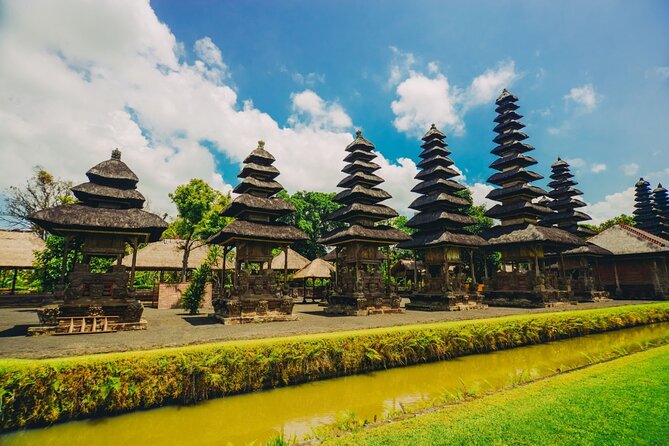
Stop 1: Taman Ayun Temple and the calm power of a royal water garden
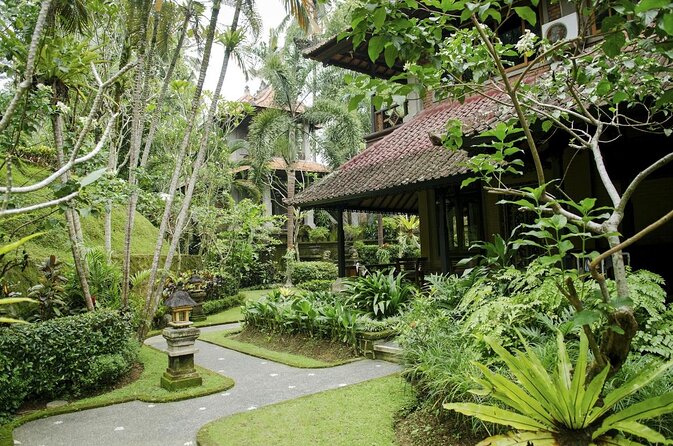
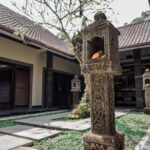
Taman Ayun Temple is a 17th-century stop with a strong visual identity: a pagoda-like shrine sitting inside lush garden grounds. The feel here is quieter than you might expect from a “main temple” on a full-day tour. It’s the kind of place where you slow down just because the setting asks for it.
What I’d watch for on your visit:
- Take a moment to look beyond the main shrine line of sight. The grounds and water features are part of the experience.
- Use the garden pathways for photos with depth, not just flat postcards.
A practical note: this is listed as about one hour, so come prepared to move at a steady pace. If you tend to linger, you’ll probably still do well—guides generally adjust within reason—but don’t assume you’ll have unlimited time at every stop.
Stop 2: Ulun Danu Bratan (Dewi Danu) and that “floating” effect
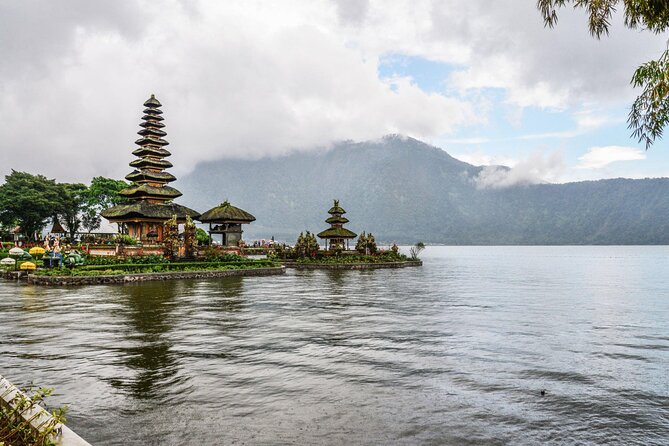
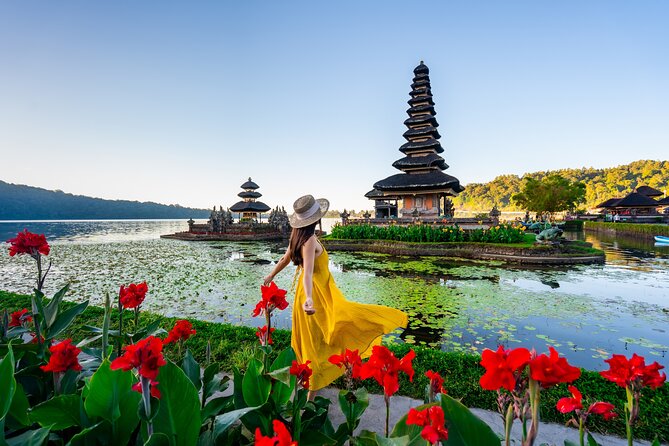
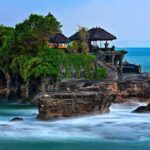
Next comes Ulun Danu Beratan—built to worship Dewi Danu, the lake goddess. The defining feature is the temple’s placement: it’s described as in the middle of the water, giving that iconic “floating” appearance.
This is where the UNESCO connection starts to feel more real. When you see a sacred site tied directly to the lake, it makes the island’s water culture easier to understand. Even if you don’t go deep into the religious background, you’ll get the sense that water isn’t treated as a resource only for crops. It’s part of a spiritual system, too.
You get about one hour here. That’s enough to:
- Take the classic viewpoint photos,
- Walk at least one circuit for angles,
- And still have time to ask your guide what to notice (like offerings, temple orientation, or how the lake setting shapes daily life).


Stop 3: Jatiluwih rice terrace views and the UNESCO subak in practice
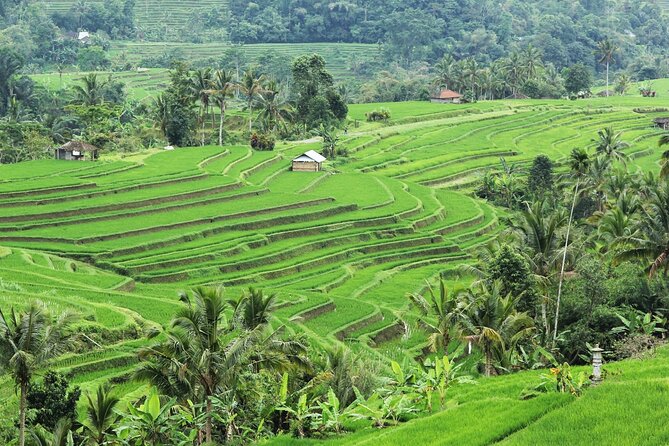
Then you hit Jatiluwih Green Land, famous for the rolling, hillside rice paddies. This stop is one hour, and it’s listed as the UNESCO heritage site connected to the subak irrigation system.
What makes Jatiluwih worth the drive is that it doesn’t feel like a tiny scenic spot. The wording emphasizes the largest and most picturesque expanse of paddies in Bali, which is exactly what you want on a photography day: fewer “back of the crowd” angles, more wide views, and room to choose your viewpoint.
A helpful way to experience it is to look at the terraces like an engineering system, not just a view. Terraces aren’t random beauty; they’re practical steps that hold water and manage slope. Your guide can help connect what you see in the fields to the idea of coordinated irrigation—this is the part that turns scenery into understanding.
Stop 4: Tanah Lot sunset on the rocky islet
Tanah Lot is where the tour earns its reputation. The temple sits on a rocky islet off the coast, and it’s one of the best spots in Bali for watching sunset. The itinerary gives you about 1 hour 30 minutes, which is good because golden hour isn’t something you can rush.
For photos, Tanah Lot is a game of timing:
- Arrive ready to experiment with angles before the sun drops.
- If you love silhouettes, plan to shoot with the temple mass and the coastline line together.
The only caution: coastal sites can get crowded, and light changes fast. With a private guide, you’ll have a better chance of finding workable viewpoints, but you should still stay patient and let the sunset unfold instead of chasing it every minute.
What happens if time permits: the add-on stops list is a whole second tour
This tour includes a longer list of potential extra stops, depending on time and your day’s pacing. That flexibility is useful if you like variety, but it’s also why the schedule can feel slightly different from person to person.
Here are the types of add-ons that may appear:
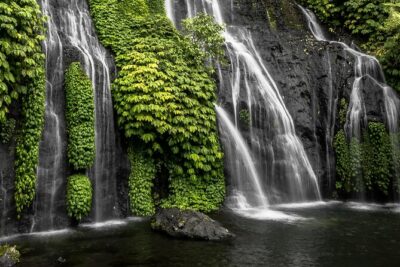
- A hidden waterfall with a narrow stream into a small shallow pool
- An ogoh-ogoh museum focused on one of Bali’s popular traditions
- A caldera lake in Baturiti near Ulun Danu Bratan (listed as an option)
- A spot described as an iconic Instagram viewpoint
- Larger waterfall options, including one described as cascading through a tiny gap in the jungle
- Hot springs with traditional charm in a tropical setting, and another option with public and private pools
- The Sekumpul village waterfall area with multiple waterfalls of different heights
- A butterfly park designed for preservation and breeding
- A place for tropical flowering plants and specimens, with a cool upland escape
- Another rice-terrace-and-mountain view stop
- A beach that’s described as good for surfers and sunbathers
- A temple with a giant sleeping Buddha
- An edu-focused tourism complex (described as an edu-vacation concept)
- Another waterfall option around 20 meters
My practical advice: if you care most about temples and rice terraces, treat these as optional bonuses. If you like nature breaks, hot springs, or animals like butterflies, then those time-permits choices can make the day feel extra special.
Transfers: why pickup locations matter more than you think
This tour covers a lot of ground for a reason. Pickup is offered from Ubud/Gianyar, Sanur, Kuta/Legian, Seminyak, Canggu, Jimbaran, Nusa Dua, and Denpasar, which means less time fighting logistics and more time actually looking up at temples and terraces.
Starting at 8:30 am also helps. Temple and countryside visits do better earlier, because heat builds and photo light changes. Even if you’re not an early-bird person, you’ll usually get a smoother day when you’re not starting at mid-morning gridlock.
Also: you’ll be in a private air-conditioned vehicle for the long stretches. That’s a big deal on Bali days where humidity can turn “quick stop” into “quick burn.”
What to bring for a comfortable UNESCO day
Even though this is a guided tour with bottled water and parking fees handled, you’re still out for roughly 9 hours 30 minutes. For me, comfort is the difference between enjoying every stop and just surviving the clock.
Bring:
- Sunscreen and a hat (rice terraces and temple courtyards both mean open light).
- Comfortable shoes you don’t mind getting dusty in outdoor paths.
- A light layer for AC rides and for evenings if you end up doing the hot spring add-ons.
- Snacks or plan where you’ll eat, because food isn’t included.
If you’re a photo person, charge your devices and clean your lenses before you leave. You’ll move between different lighting zones—temples with shade, lake reflections, terrace sunlight, and coastal sunset all in one day.
Who should book this private tour?
This tour is a great fit if you want:
- First-time Bali structure: temple + lake + terraces + sunset in one day.
- Solo travel without stress: the tour is private, and reviews specifically call out that solo travelers can book and get tailored attention.
- People who care about culture details, not just scenic stops. Guides were praised for patient explanations of Balinese tradition and Hinduism.
- Photo-focused visitors who want help finding good spots, rather than wandering alone.
If you hate long car time, this may feel like too much. But if you enjoy seeing the real working side of Bali—how water and irrigation shape the island—this is exactly the kind of itinerary that makes the day feel worth it.
Should you book this Bali UNESCO Water Temples and Jatiluwih tour?
I think it’s a strong choice if you want a single-day UNESCO route with a private English-speaking driver-guide and you like the idea of tying temples to water management and rice terraces. The best signal is the consistent praise for the guides—people highlighted friendliness, patience, careful driving, and photo help, and a solo traveler even noted the trip was tailored to their interests.
I’d hesitate if you’re very budget-tight beyond the ticket and you don’t want to handle your own food. Also, if you dislike uncertainty, remember the extra stops are time-permits—so your exact day may not match someone else’s perfect sequence.
If you want temples, terraces, and sunset without turning your day into a transport puzzle, book it and then plan your own snack/meal strategy. You’ll get a lot of Bali meaning in one long, well-guided day.
FAQ
What time does the tour start?
The start time is 8:30 am.
How long is the tour?
The duration is about 9 hours 30 minutes.
Is pickup offered from areas outside Ubud?
Yes. Pickup and drop-off are listed for Ubud/Gianyar and also Sanur, Kuta/Legian, Seminyak, Canggu, Jimbaran, Nusa Dua, and Denpasar.
Is this a private tour?
Yes. It’s described as a private tour/activity, with only your group participating.
Will I have an English-speaking guide?
Yes. The guide is listed as English speaking and also serves as the driver.
Are entrance tickets included?
Entrance tickets for the main stops are shown in the itinerary, and the included section says entry tickets are included if you select the option for tickets. Double-check the ticket option you choose.
Is food included?
No. Food and beverages are not included, though you can purchase them.
Is bottled water provided?
Yes. Bottled water is included.
What’s included in the vehicle and transportation?
You get transportation by a private air-conditioned vehicle, plus pickup and drop-off at the listed areas and parking fees.
What is the tour rating and review summary?
It’s rated 4.9 with 16 reviews, with 100% recommended based on the provided summary.